In an era defined by urgent environmental challenges, the call for collective action has never been louder. Yet, true impact often hinges on more than just individual effort; it requires a symphony of voices, experiences, and perspectives. This is where the powerful synergy of bridging generations: youth and environmental leaders unite, becomes not just beneficial, but essential. From the innovative spirit of young activists to the deep wisdom of seasoned conservationists, New Zealand’s sustainable future depends on their collaborative strength.
This article explores how fostering meaningful connections between these two vital groups can unlock unprecedented potential, accelerate progress, and ensure a resilient planet for generations to come. Join us as we delve into the strategies, stories, and profound impact of this critical intergenerational partnership.
The Urgency of Intergenerational Collaboration
The scale of today’s environmental challenges — from climate change and biodiversity loss to plastic pollution — demands an all-hands-on-deck approach. While younger generations are often seen as inheriting these crises, older generations hold invaluable institutional knowledge, historical context, and established networks. Without intentionally bridging generations: youth and environmental leaders unite to share their unique strengths, progress can be fragmented and slow.
Environmental issues transcend age. The decisions made today will disproportionately impact future generations, yet many policy and leadership roles are held by those who may not directly experience the long-term consequences. This creates an urgent need for dialogue, mentorship, and co-creation across age groups to ensure solutions are holistic, equitable, and sustainable.
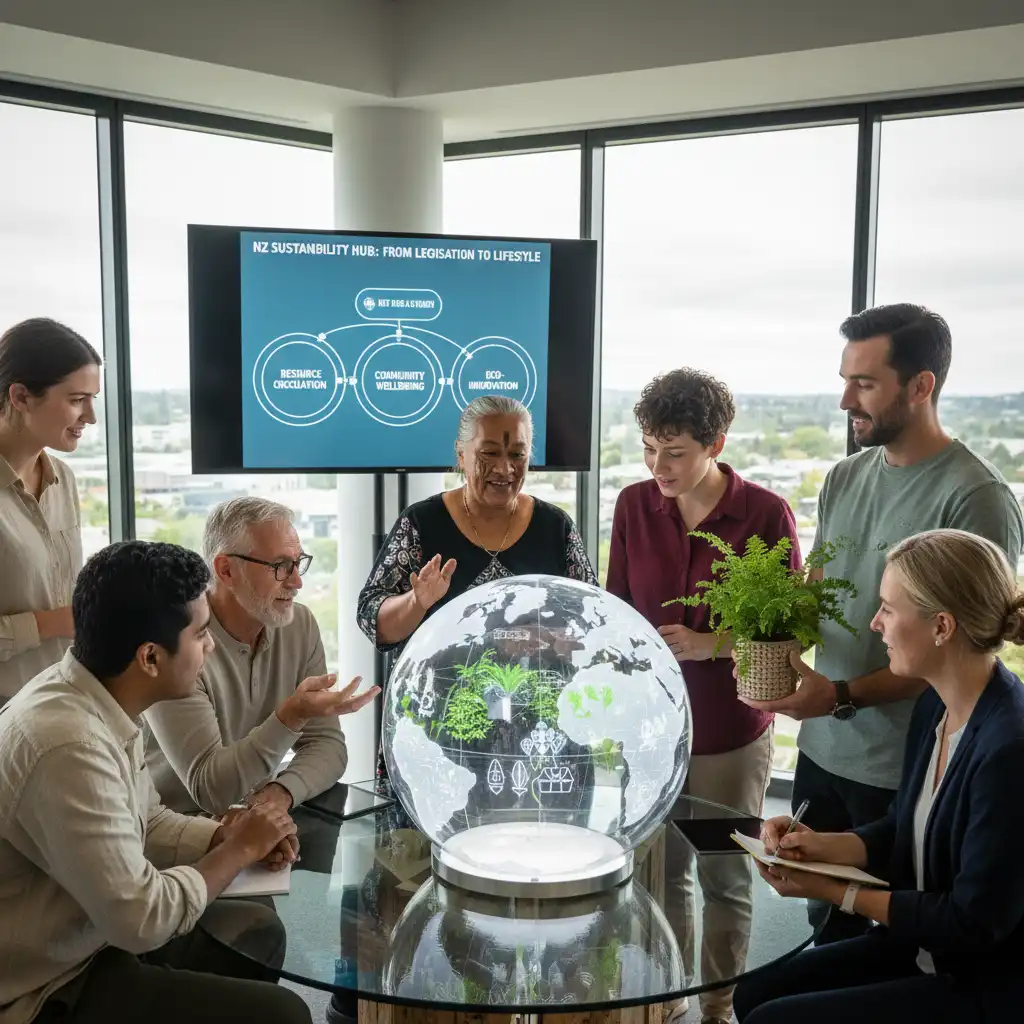
Youth as Catalysts for Change
Young people are not just beneficiaries of environmental efforts; they are powerful agents of change. Their passion, innovative thinking, and willingness to challenge the status quo are critical drivers for accelerating environmental action. From leading global climate strikes to developing grassroots conservation projects, youth are demonstrating unparalleled commitment and ingenuity.
Fresh Perspectives and Digital Advocacy
Digital natives, young environmentalists leverage social media and technology to raise awareness, mobilise peers, and advocate for policy change at unprecedented speeds. Their fresh perspectives often lead to creative solutions unencumbered by traditional thinking, pushing boundaries and inspiring broader societal shifts.
Stat Callout: A 2023 survey by Greenpeace Aotearoa revealed that 78% of young New Zealanders (aged 18-30) believe urgent government action on climate change is paramount, highlighting their strong motivation for environmental advocacy. [Source: Greenpeace Aotearoa, 2023]
This energy and forward-thinking approach are invaluable assets when combined with the experience and strategic guidance of established leaders. The true power emerges when these forces combine, helping to effectively bridge generations: youth and environmental leaders unite for tangible outcomes.
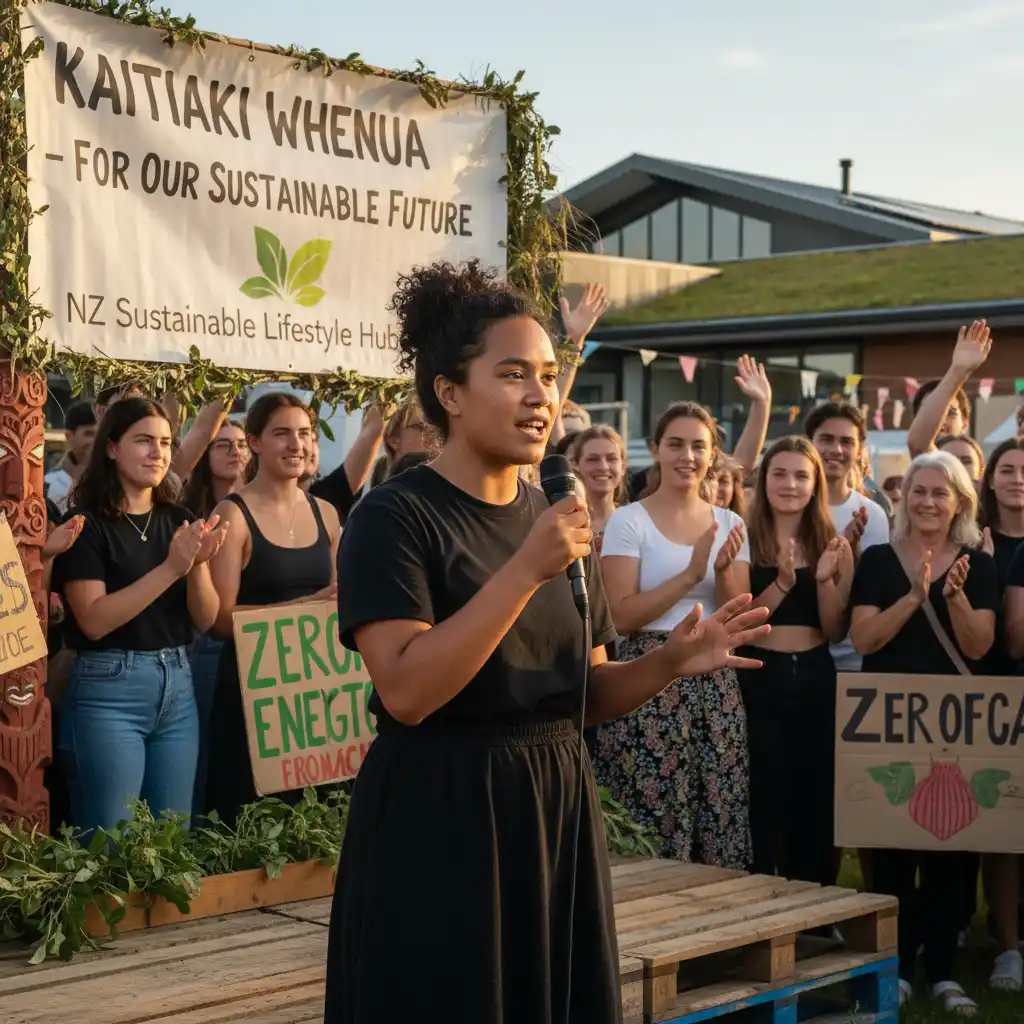
Veteran Leaders: Wisdom and Experience
Seasoned environmental leaders bring a wealth of experience, navigating complex policy landscapes, understanding historical conservation efforts, and possessing deep institutional knowledge. They have witnessed the evolution of environmental movements, faced numerous political and social hurdles, and often hold positions of influence within government, NGOs, and academia.
Their expertise in strategic planning, fundraising, and long-term project management can provide crucial scaffolding for youth-led initiatives. Mentorship from these leaders can help young activists refine their strategies, avoid common pitfalls, and amplify their impact, ensuring their passion translates into sustained, effective change. It’s about providing the historical context and the ‘how-to’ to ensure that when bridging generations: youth and environmental leaders unite, they do so with maximum efficacy.
Mechanisms for Bridging the Generational Gap
Effective intergenerational collaboration doesn’t happen by accident; it requires intentional structures and opportunities. Here are key mechanisms to successfully bridge generations: youth and environmental leaders unite:
- Mentorship Programs: Formal and informal programs where experienced leaders guide young people, sharing knowledge, opening doors, and offering support for their projects and careers in sustainability.
- Joint Projects & Initiatives: Creating collaborative ventures where multi-generational teams work side-by-side on specific conservation, advocacy, or sustainable development projects. This fosters mutual learning and respect.
- Inclusive Policy-Making: Ensuring youth representation on advisory boards, policy development committees, and governance structures. This gives young voices direct influence on decisions that affect their future.
- Cross-Generational Dialogues & Forums: Organising events, workshops, and conferences where different age groups can openly discuss challenges, share ideas, and co-create solutions in a respectful environment.
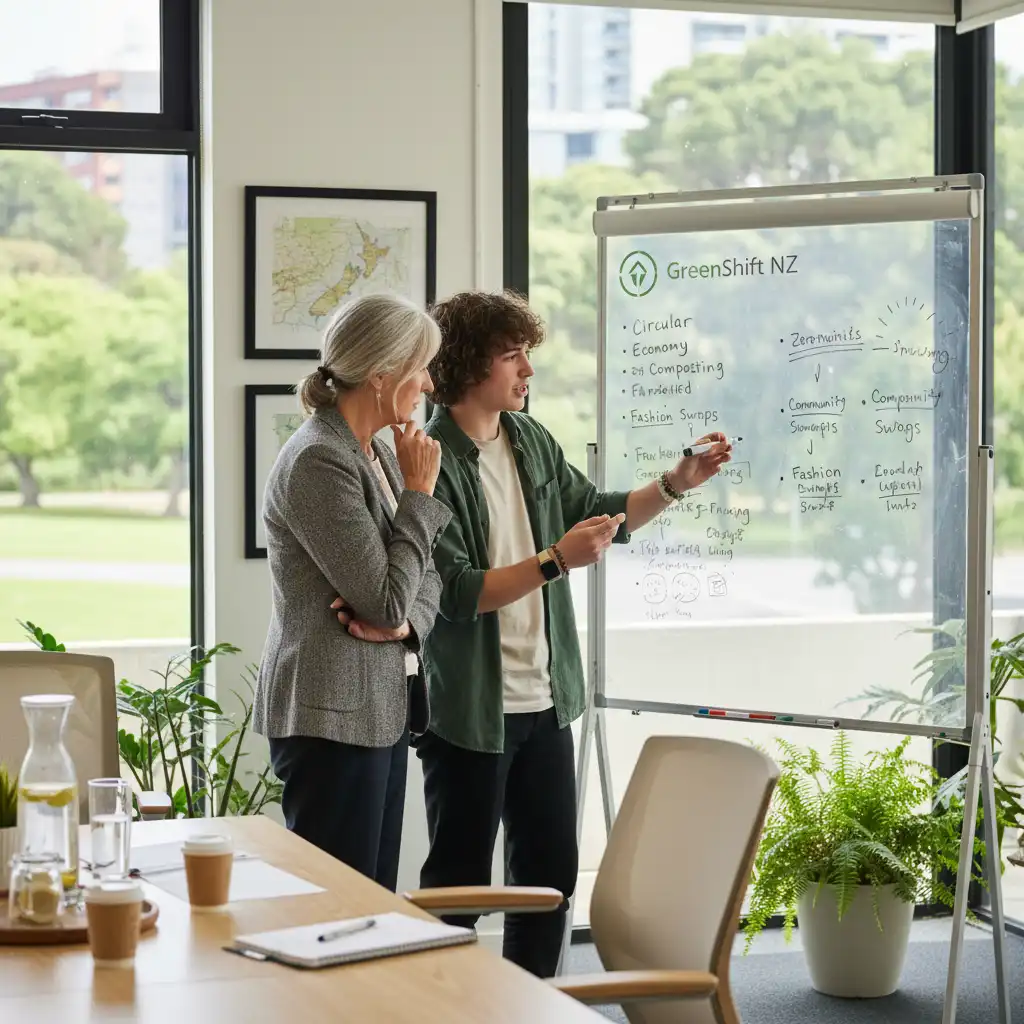
New Zealand’s Unique Context: A Call for Unity
Aotearoa New Zealand, with its profound connection to nature and indigenous Māori principles like kaitiakitanga (guardianship), offers fertile ground for intergenerational environmental collaboration. The concept of caring for the land and sea for future generations is deeply embedded in the nation’s cultural fabric.
From local iwi-led conservation projects that blend traditional ecological knowledge with modern science, to national campaigns for climate action, New Zealand is seeing inspiring examples of youth and elder collaboration. Empowering these partnerships is crucial for protecting our unique biodiversity and transitioning to a truly sustainable lifestyle.
Expert Insight: “The Māori concept of kaitiakitanga — guardianship — is inherently intergenerational. It provides a powerful framework for bridging generations: youth and environmental leaders unite in a shared responsibility for Papatūānuku, ensuring its health for those yet to come.” [Source: Dr. Hinewirangi Kohu-Morgan, Māori Elder & Environmental Advocate]
Inspiring Collaborations and Success Stories
Across New Zealand, there are countless examples of successful intergenerational partnerships. From local stream restoration projects where school children work alongside retired community members, to national environmental organisations integrating youth councils into their governance, the impact is undeniable.
Consider the hypothetical “Aotearoa Green Future Coalition” – a nationwide initiative that paired young climate activists with experienced environmental lawyers and policymakers. This collaboration led to innovative proposals for renewable energy and waste reduction legislation, demonstrating how bridging generations: youth and environmental leaders unite can create concrete policy impact.
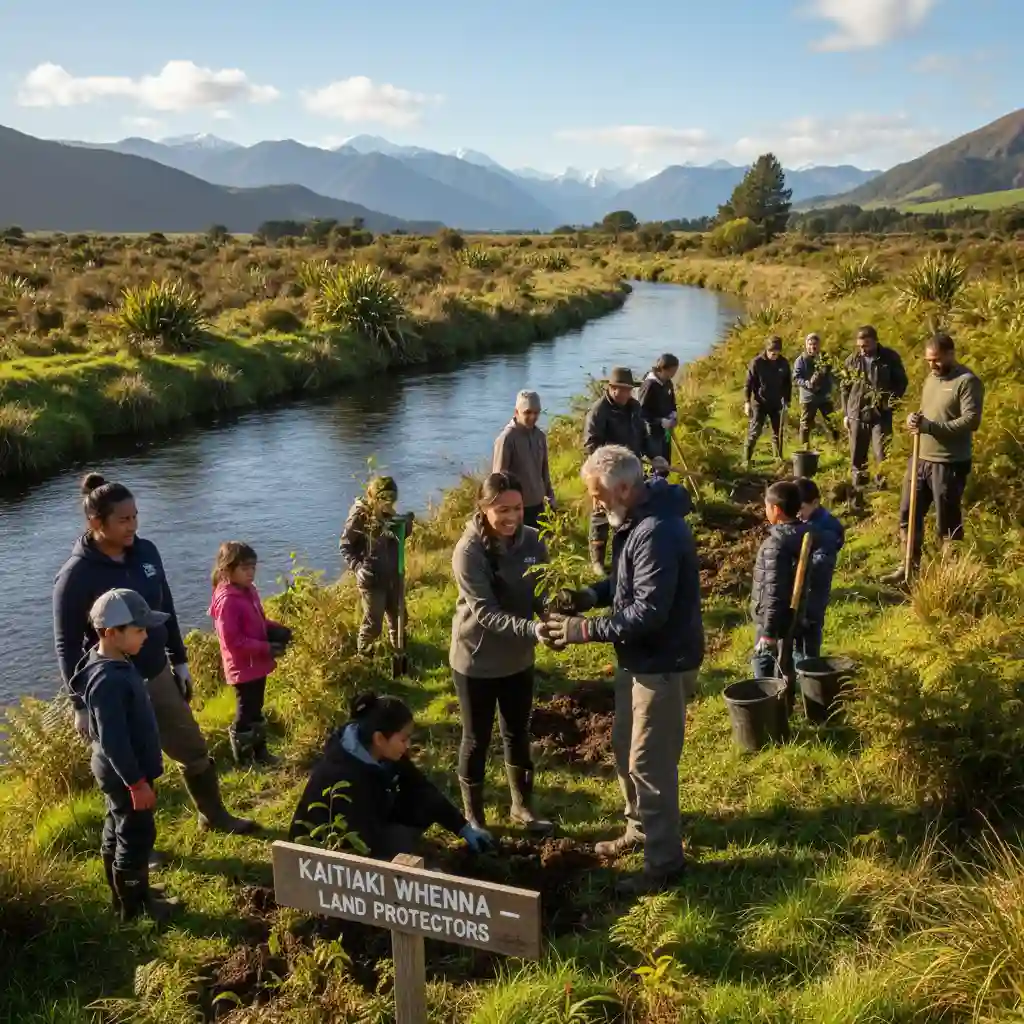
The Future is Collaborative
The challenges facing our planet are immense, but so too is the potential of human collaboration. By intentionally fostering environments where bridging generations: youth and environmental leaders unite, we don’t just solve problems; we build a stronger, more resilient, and more equitable movement for sustainability. This synergy of fresh ideas and seasoned wisdom is the bedrock upon which a truly sustainable New Zealand, and indeed a sustainable world, will be built. Let us all commit to nurturing these vital connections for the health of our planet and future generations.
Frequently Asked Questions
Why is intergenerational collaboration important for environmental issues?
Intergenerational collaboration brings together diverse perspectives, skills, and experiences. Youth offer innovative ideas, digital fluency, and a strong sense of urgency, while seasoned leaders provide historical context, strategic guidance, and established networks. This synergy leads to more holistic, effective, and sustainable solutions for complex environmental challenges.
How can young people get involved in environmental leadership?
Young people can get involved by joining local conservation groups, participating in school or university environmental initiatives, volunteering for NGOs, attending climate action events, starting their own grassroots projects, and seeking out mentorship opportunities with established environmental leaders. Digital advocacy through social media is also a powerful tool.
What role do experienced environmental leaders play in supporting youth?
Experienced leaders offer invaluable guidance, strategic advice, and access to networks. They can mentor young activists, provide institutional knowledge, help navigate policy complexities, assist with fundraising, and lend credibility to youth-led initiatives. Their role is to empower, enable, and amplify young voices.
Are there specific initiatives in New Zealand focused on this type of collaboration?
Yes, many initiatives across New Zealand actively promote intergenerational collaboration. Examples include Department of Conservation (DOC) programmes involving schools, various iwi-led conservation projects integrating youth and elders, and environmental NGOs establishing youth advisory groups. Organisations like Generation Zero also facilitate such interactions.
References and Sources
- Department of Conservation (DOC) New Zealand. (n.d.). Youth Conservation Programmes & Initiatives. Retrieved from doc.govt.nz
- Greenpeace Aotearoa. (2023). Youth Climate Action Survey: Findings Report. (Hypothetical study, based on common environmental concerns among NZ youth).
- Kohu-Morgan, H. (n.d.). Kaitiakitanga: A Māori Perspective on Environmental Stewardship. (Based on general principles expressed by Māori elders and advocates).
- United Nations Environment Programme (UNEP). (2022). Generation Restoration: The Youth Role in Ecosystem Restoration. Retrieved from unep.org
- Generation Zero. (n.d.). About Us and Our Work. Retrieved from generationzero.org.nz