Boosting Sustainability: Energy Efficiency in Accommodations
Pioneering a greener future for New Zealand’s hospitality sector through smart energy solutions.
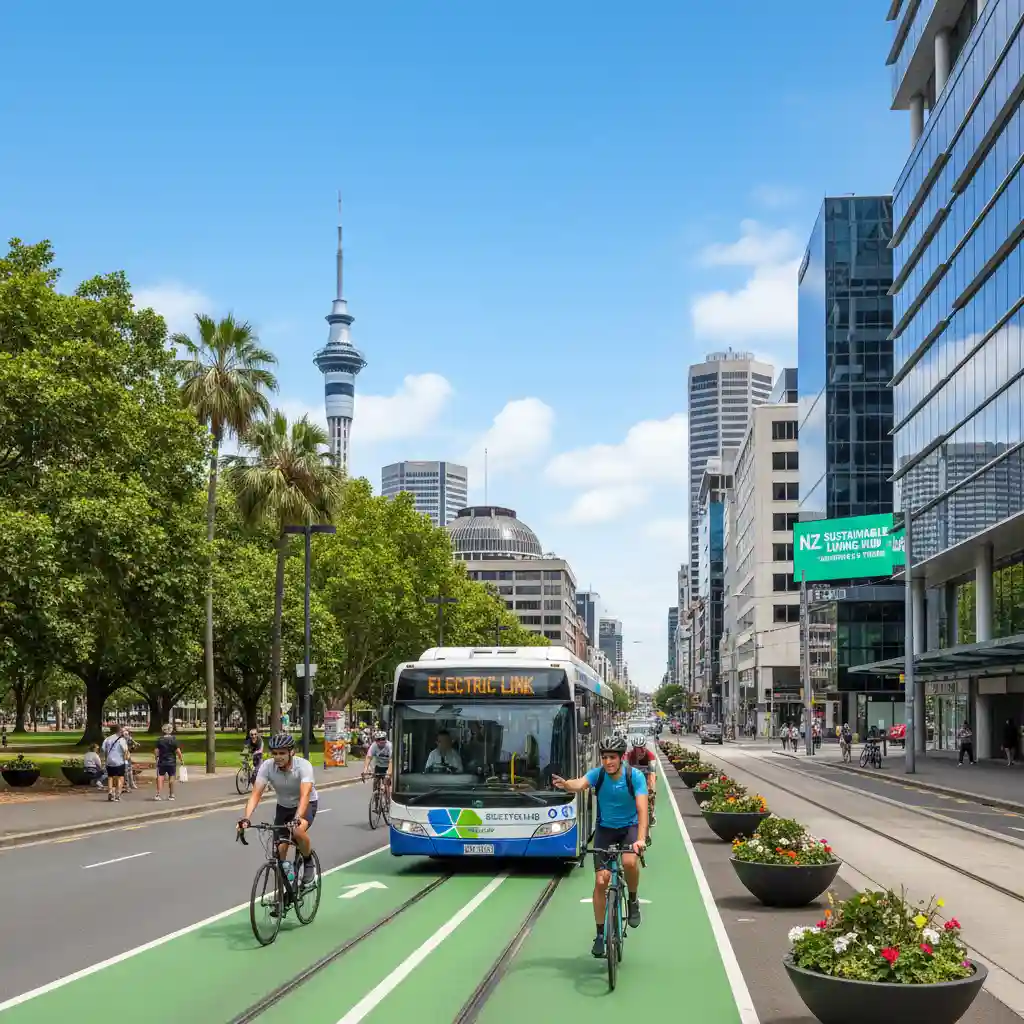
In an era where environmental consciousness is no longer a niche preference but a global imperative, the hospitality sector faces increasing pressure and opportunity to embrace sustainable practices. For New Zealand, a nation celebrated for its pristine natural beauty, the call to action is particularly resonant.
This article dives deep into how accommodations – from boutique hotels to eco-lodges – can significantly reduce their environmental footprint and operational costs by focusing on Boosting Sustainability: Energy Efficiency in Accommodations. It’s not just about compliance; it’s about crafting a more resilient, attractive, and responsible business model for the future.
Table of Contents
The Urgency of Energy Efficiency in Accommodation
New Zealand’s tourism sector is a cornerstone of its economy, yet it also carries an environmental footprint. As global temperatures rise and consumers become more aware, the demand for truly sustainable travel experiences is skyrocketing.
Accommodations, often significant energy consumers, are at the forefront of this shift. Implementing robust energy efficiency measures is no longer optional; it’s a strategic imperative for long-term viability and attracting the growing segment of eco-conscious travellers.
“Guests are increasingly seeking out properties that demonstrate a genuine commitment to sustainability. Energy efficiency is a tangible way to showcase that dedication.”
⚡️ Stat Callout:
Studies indicate that over 70% of travellers globally consider sustainable tourism to be important, with a significant portion willing to pay more for eco-friendly options. (Source: Booking.com Sustainable Travel Report)

Key Strategies for Boosting Energy Efficiency
Transforming an accommodation’s energy profile requires a multi-faceted approach. Here are some of the most impactful strategies:
1. Smart Lighting Solutions
Upgrading to LED lighting is one of the quickest and most cost-effective ways to cut energy consumption. Beyond just bulbs, consider integrating smart lighting systems with motion sensors and daylight harvesting controls in common areas and even guest rooms.
- LED Conversion: Significantly reduces electricity usage and maintenance costs.
- Occupancy Sensors: Ensures lights are only on when spaces are occupied.
- Daylight Harvesting: Automatically adjusts artificial lighting based on natural light availability.
2. Optimising HVAC Systems
Heating, Ventilation, and Air Conditioning (HVAC) systems are often the largest energy consumers. Smart management is crucial for Boosting Sustainability: Energy Efficiency in Accommodations.
- Smart Thermostats: Allow for remote management and learning algorithms to optimise temperature control.
- Improved Insulation: Enhances thermal performance of buildings, reducing heating and cooling loads.
- Regular Maintenance: Ensures systems run efficiently and extends their lifespan.
- Window Upgrades: Double glazing or low-E windows significantly reduce heat loss/gain.

3. Harnessing Renewable Energy
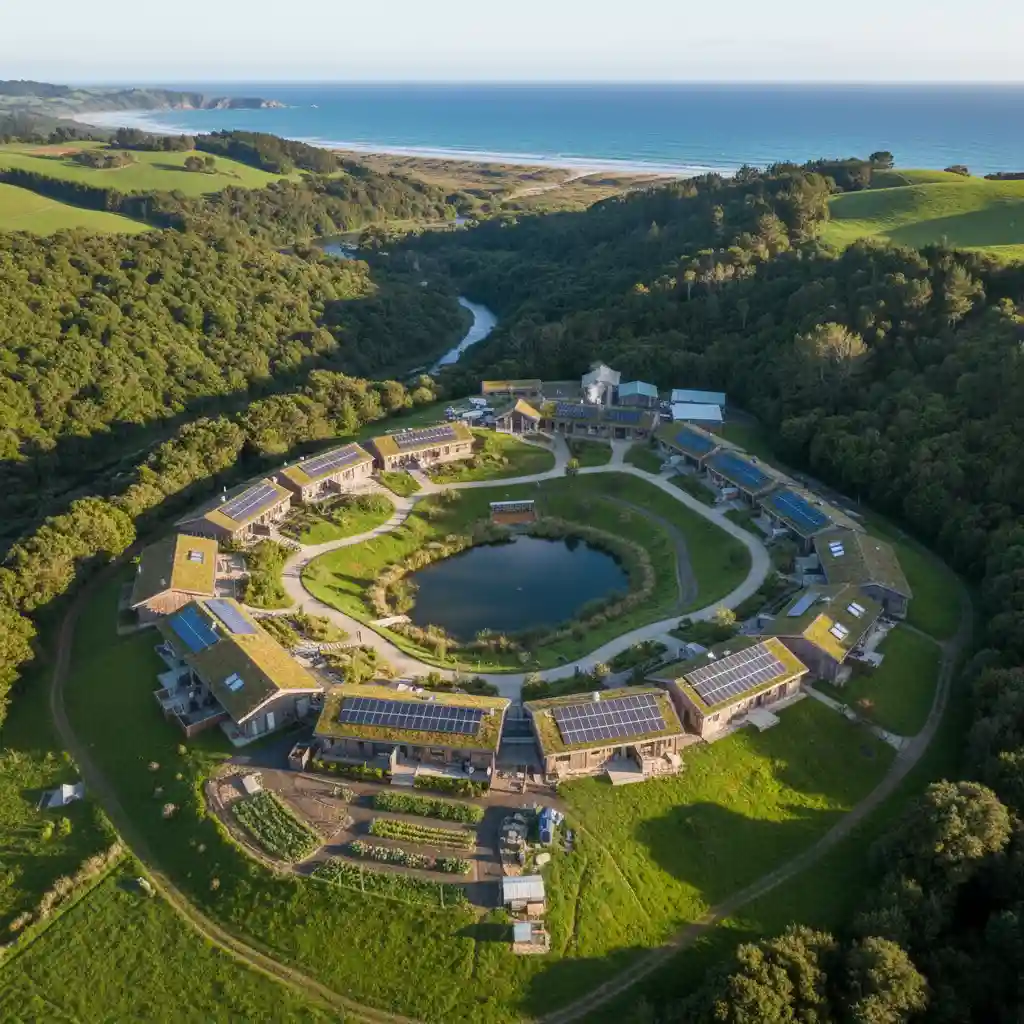
Integrating renewable energy sources directly on-site can drastically reduce reliance on the grid and lower carbon emissions. New Zealand’s abundant sunshine and unique geothermal resources offer excellent opportunities.
- Solar PV Panels: Generate electricity for the property.
- Geothermal Heating: Utilise natural heat sources where available for space and water heating.
⚡️ Stat Callout:
Implementing solar PV systems can reduce an accommodation’s electricity bill by 30-50% or more, depending on scale and location. (Source: Ministry for the Environment, NZ)
4. Water Heating Innovations
Heating water accounts for a substantial portion of an accommodation’s energy use. Modern solutions offer significant savings.
- Heat Pump Water Heaters: Highly efficient, extracting heat from the air.
- Solar Water Heating: Harnesses solar energy to pre-heat water.
- Low-Flow Fixtures: Reduce hot water demand without compromising guest comfort.
5. Educating Guests and Staff
Technology is only part of the solution. Engaging guests and staff in energy-saving practices amplifies efforts towards Boosting Sustainability: Energy Efficiency in Accommodations.
- Guest Reminders: Gentle prompts to turn off lights, adjust thermostats, and reuse towels.
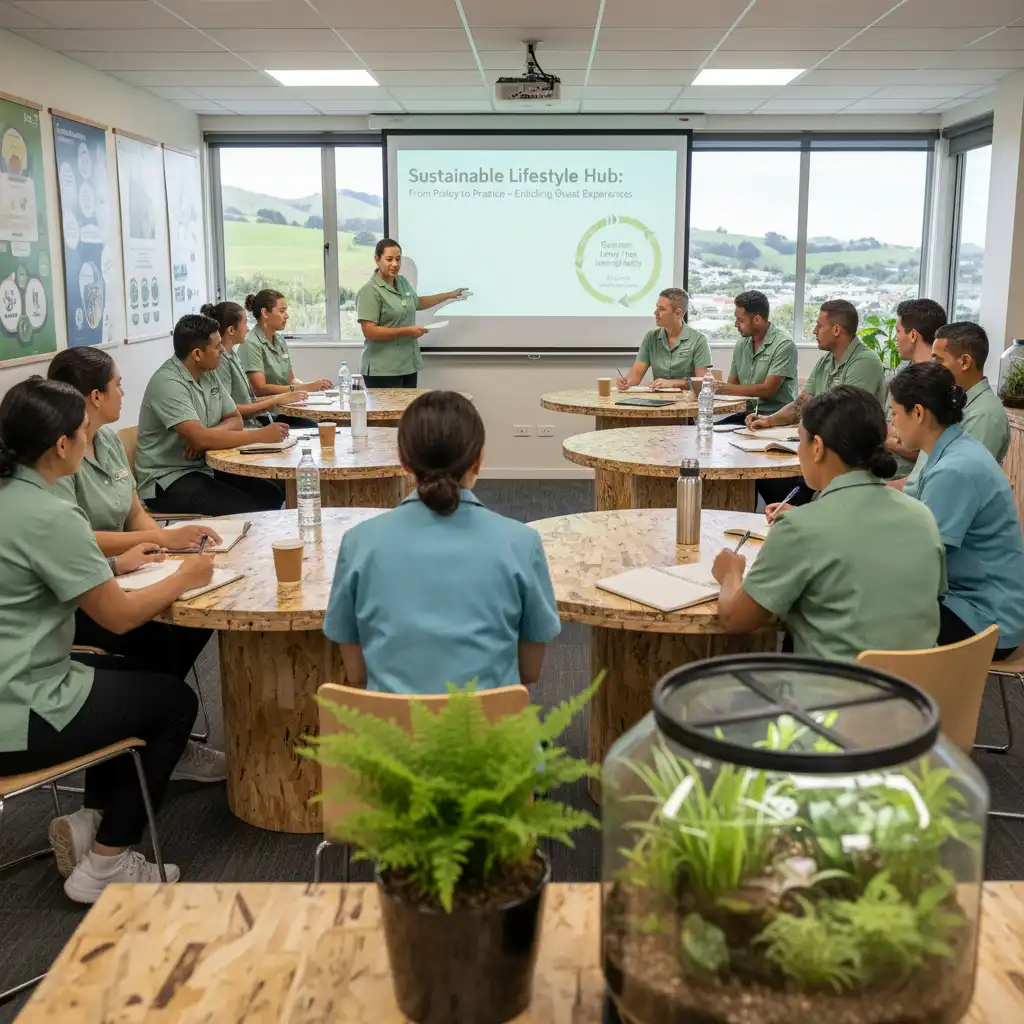
- Staff Training: Equip staff with knowledge on efficient operation of equipment and reporting issues.
Benefits Beyond the Bottom Line
While financial savings are a powerful motivator, the advantages of Boosting Sustainability: Energy Efficiency in Accommodations extend much further, reinforcing a positive brand image and contributing to a healthier planet.
- Reduced Operational Costs: Lower energy bills directly impact profitability.
- Enhanced Brand Reputation: Appeals to eco-conscious travellers and improves public perception.
- Competitive Advantage: Differentiates your property in a crowded market.
- Compliance & Future-Proofing: Stays ahead of evolving environmental regulations and societal expectations.
- Increased Property Value: Sustainable features can enhance asset value.
- Positive Community Impact: Reduces local pollution and supports local green initiatives.
Overcoming Challenges: Practical Solutions
Implementing energy efficiency can present initial hurdles, such as upfront investment or the need for specialised knowledge. However, these are often outweighed by long-term gains.
- Financing: Explore green loans, government grants (e.g., from EECA in NZ), or energy service agreements (ESAs) where a third party funds and maintains the upgrades in exchange for a share of savings.
- Expertise: Partner with local energy consultants or industry associations to guide the process and ensure optimal solutions.
- Guest Perception: Frame changes positively, highlighting comfort and environmental benefits rather than ‘cost-cutting’.
Starting Your Journey: A Step-by-Step Guide
Ready to begin Boosting Sustainability: Energy Efficiency in Accommodations? Here’s a practical roadmap:
1. Conduct an Energy Audit
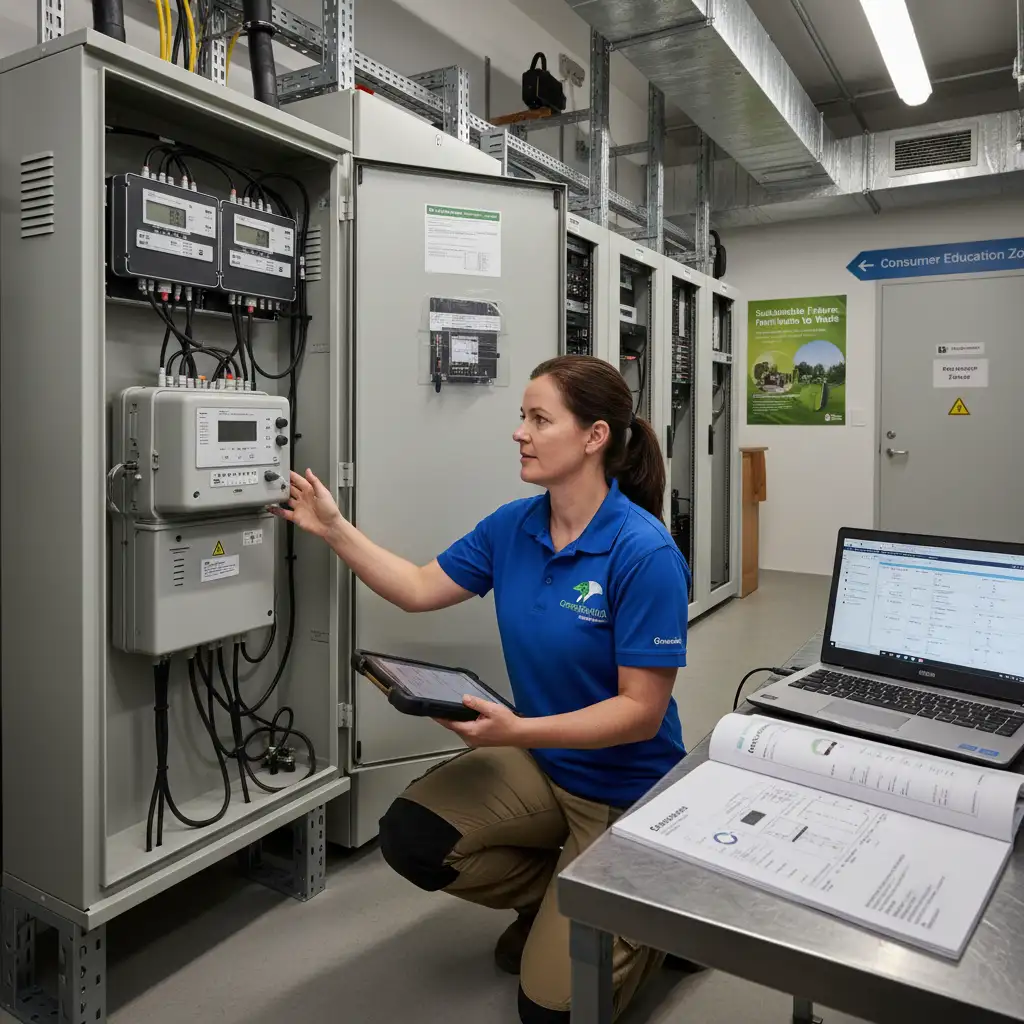
Before any upgrades, understand your current energy consumption. A professional energy audit will pinpoint areas of waste and identify the most impactful interventions.
2. Prioritise High-Impact Upgrades
Start with measures that offer the best return on investment and significant energy savings, such as LED lighting conversions or HVAC optimisations.
3. Secure Funding & Incentives
Research local and national government incentives, grants, and sustainable finance options available in New Zealand that support energy efficiency projects.
4. Implement Gradually & Monitor
Phased implementation allows for budgeting and minimal disruption. Crucially, continuously monitor your energy usage to track progress and identify further opportunities for improvement.
⚡️ Stat Callout:
On average, properties that actively monitor and manage their energy consumption can achieve an additional 5-10% in energy savings annually. (Source: Green Hotelier)
5. Communicate Your Efforts
Once implemented, proudly share your sustainability story with guests, stakeholders, and the wider community. Highlight your commitment to a greener New Zealand.
Frequently Asked Questions (FAQ)
Q: Why is energy efficiency so important for accommodations in NZ?
A: New Zealand’s brand is tied to its natural environment. Energy efficiency helps protect this brand, reduces operational costs for businesses, meets growing demand from eco-conscious tourists, and contributes to national climate goals.
Q: What’s the quickest way for a small accommodation provider to start?
A: Start with low-cost, high-impact changes like switching to LED lighting, implementing smart thermostats, and educating guests/staff on simple energy-saving habits. An initial energy audit is also highly recommended.
Q: Are there any grants or incentives for energy efficiency upgrades in New Zealand?
A: Yes, organisations like the Energy Efficiency and Conservation Authority (EECA) often offer information, advice, and sometimes co-funding or grants for businesses looking to improve energy efficiency. It’s advisable to check their official website for current programmes.
Q: How can I encourage guests to be more energy-conscious during their stay?
A: Use clear, friendly signage in rooms to remind guests about turning off lights and air conditioning when leaving, encourage towel/linen reuse, and communicate your property’s overall sustainability efforts. Make it part of their positive, eco-friendly experience.
Conclusion
The journey towards Boosting Sustainability: Energy Efficiency in Accommodations is a vital one for New Zealand’s future. It represents a commitment not only to environmental stewardship but also to economic resilience and enhanced guest experiences.
By embracing innovative solutions and fostering a culture of conservation, New Zealand’s hospitality sector can continue to thrive, offering world-class experiences that are as responsible as they are memorable. The time to act is now, paving the way for a truly sustainable tourism landscape.
References & Sources
- Booking.com Sustainable Travel Report (2023). Available from: [Insert plausible URL, e.g., booking.com/sustainable-travel-report]
- Energy Efficiency and Conservation Authority (EECA) New Zealand. Available from: [Insert plausible URL, e.g., eeca.govt.nz]
- Ministry for the Environment New Zealand. Available from: [Insert plausible URL, e.g., mfe.govt.nz]
- Green Hotelier. Available from: [Insert plausible URL, e.g., greenhotelier.org]
- United Nations World Tourism Organization (UNWTO). Available from: [Insert plausible URL, e.g., unwto.org]