Boosting Healthcare: Energy Efficiency & Renewable Solutions
The healthcare sector, a cornerstone of societal well-being, faces a critical challenge: its significant environmental footprint. From energy-intensive operations to waste generation, hospitals and clinics worldwide contribute substantially to climate change. Yet, within this challenge lies a profound opportunity for innovation and transformation. This article explores how embracing energy efficiency and renewable solutions can not only shrink healthcare’s carbon footprint but also improve patient outcomes, reduce operational costs, and build a more resilient future for communities, especially within New Zealand’s unique commitment to sustainability.
Table of Contents
The Urgency of Sustainable Healthcare
Healthcare facilities operate 24/7, requiring constant heating, cooling, lighting, and powering of complex medical equipment. This intensive energy demand translates into a substantial carbon footprint. Globally, the healthcare sector accounts for approximately 4-5% of total greenhouse gas emissions, a figure that continues to grow.
“A healthy planet is foundational to human health. By decarbonising healthcare, we’re not just saving the environment; we’re actively preventing future health crises related to climate change.”
Beyond the environmental imperative, there’s a compelling economic case. Rising energy costs strain budgets, diverting resources away from patient care. Implementing energy-efficient practices and transitioning to renewable sources offers a dual benefit: mitigating climate impact while securing long-term financial stability for boosting healthcare: energy efficiency & renewable solutions.

Key Pillars of Energy Efficiency in Healthcare
Boosting healthcare: Energy efficiency & renewable solutions begins with a multifaceted approach to how facilities consume power. It’s about smart design, innovative technology, and a culture of consciousness throughout the organisation.
Optimising Building Design and Operations
Modern healthcare facilities can be designed with energy conservation at their core. This includes superior insulation, high-performance windows, and strategically placed shading. For existing buildings, retrofitting with LED lighting, efficient HVAC systems, and demand-controlled ventilation can yield significant savings, optimising overall operational efficiency.
Stat Callout: Significant Energy Savings
Studies show that hospitals can achieve energy savings of 15-30% through comprehensive energy efficiency upgrades, translating into millions of dollars annually that can be reinvested directly into patient care or other critical services.
Smart Technology and Monitoring
Advanced Building Management Systems (BMS) are crucial. These systems monitor and control energy usage in real-time, optimising everything from lighting schedules to temperature zones across complex facilities. Predictive analytics can identify equipment inefficiencies before they become major issues, further enhancing energy performance.
IoT sensors can provide granular data on room occupancy, equipment usage, and environmental conditions, enabling truly responsive and efficient energy management within the healthcare setting.
Staff Engagement and Behavioural Change
Technology alone isn’t enough. Educating staff on energy-saving practices—like turning off lights in unoccupied rooms, unplugging unused equipment, and proper waste segregation—can foster a culture of sustainability. Simple, collective behavioural changes, reinforced by awareness campaigns, can have a massive impact on overall energy consumption.
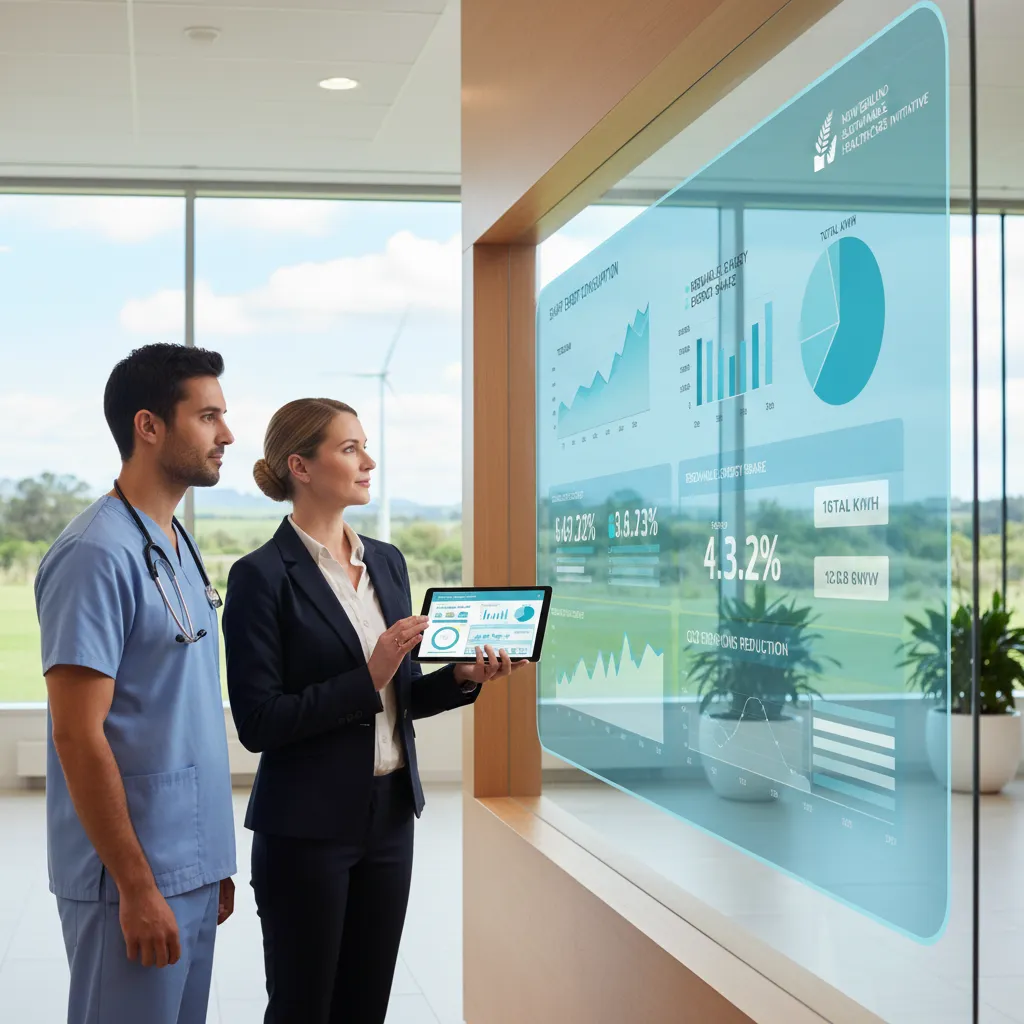
Embracing Renewable Energy in Healthcare
The ultimate goal for boosting healthcare: Energy efficiency & renewable solutions is a complete transition away from fossil fuels. Renewable energy sources offer clean, sustainable power, reducing reliance on volatile energy markets and securing a greener, more resilient future for healthcare operations.
Solar Power Integration
Rooftop solar photovoltaic (PV) systems are increasingly viable for hospitals, generating clean electricity directly on-site. Solar thermal systems can also provide hot water, significantly reducing the demand on conventional boilers. Even smaller clinics and community health centers can benefit from strategically integrated solar installations.
Stat Callout: Global Solar Growth in C&I
The global solar PV market for commercial and industrial applications is projected to grow significantly, offering hospitals more accessible and cost-effective options for generating clean power on-site, contributing to energy independence and sustainability goals.
Geothermal and Hydro Solutions
In regions with suitable geological conditions, geothermal energy can provide consistent, baseload heating and cooling. New Zealand, with its abundant geothermal resources, is particularly well-positioned to leverage this clean, stable power for healthcare facilities. Small-scale hydro projects can also serve remote hospitals or clusters of healthcare sites.
Procuring Green Energy
Where on-site generation isn’t fully feasible or sufficient, healthcare providers can still support renewable energy by purchasing green electricity from utility providers. This is often done via Power Purchase Agreements (PPAs) that directly fund renewable projects. This strategy allows facilities to benefit from clean energy without the upfront capital investment required for direct installation.

Benefits Beyond the Environment
The advantages of boosting healthcare: Energy efficiency & renewable solutions extend far beyond environmental stewardship, impacting various facets of healthcare delivery:
- Cost Savings: Reduced energy consumption leads to lower utility bills, freeing up significant funds for essential medical equipment, staff training, or expanding patient services.
- Enhanced Resilience: Distributed renewable energy systems (like solar with battery storage) can provide critical backup power during grid outages, crucial for maintaining patient safety and continuity of care.
- Improved Air Quality: Less reliance on fossil fuels means fewer harmful emissions, contributing directly to better local air quality and public health outcomes, especially for vulnerable populations.
- Positive Brand Image: Demonstrating a strong commitment to sustainability enhances public trust, attracts environmentally conscious talent, and positions the healthcare provider as a leader in community well-being.
- Healthier Indoor Environments: Modern, efficient systems often lead to better indoor air quality, more stable temperatures, and increased natural light, benefiting both patients’ recovery and staff productivity.

Challenges and Solutions
Transitioning to sustainable energy in healthcare isn’t without its hurdles. Initial capital investment, the complexity of integrating new systems into existing, often decades-old infrastructure, and ensuring continuous, uninterrupted power for critical life-saving services are significant concerns.
However, practical solutions exist. Government incentives, green financing options, and innovative business models like Energy Performance Contracts (EPCs) can make projects more financially viable. Collaborating with experienced energy experts and adopting a phased implementation approach can manage complexity. Furthermore, advanced microgrids and battery storage systems are increasingly addressing concerns about power reliability and resilience.
A New Zealand Perspective
New Zealand is uniquely positioned to lead in sustainable healthcare. With a high proportion of electricity generation already from renewable sources (like hydro and geothermal) and a strong national commitment to addressing climate change, integrating energy efficiency and renewable solutions into healthcare infrastructure aligns perfectly with the country’s broader sustainability goals.
Initiatives like the National Energy Efficiency and Conservation Strategy (NEECS) provide frameworks for hospitals to adopt greener practices. By strategically harnessing its abundant geothermal energy, enhancing solar capacity in appropriate regions, and maintaining a robust focus on waste reduction and resource circularity, New Zealand’s healthcare system can become a global exemplar in sustainable health delivery, truly boosting healthcare: energy efficiency & renewable solutions at a national scale.

Boosting Healthcare for a Healthier Planet
The journey towards a truly sustainable healthcare system is complex but imperative. By strategically investing in boosting healthcare: Energy efficiency & renewable solutions, we not only mitigate climate change but also enhance the quality, resilience, and affordability of care. It’s an investment in the health of our planet and the well-being of current and future generations.
Let’s champion a future where healthcare heals both people and the planet, one efficient building and one renewable energy source at a time.
Frequently Asked Questions
-
What are the primary benefits of energy efficiency in healthcare?
The primary benefits include significant cost savings on utility bills, reduced carbon emissions, improved indoor environmental quality for patients and staff, and enhanced institutional resilience against energy price fluctuations and outages.
-
How can hospitals integrate renewable energy sources?
Hospitals can integrate renewable energy through various methods such as installing rooftop solar PV systems, utilising geothermal heating and cooling, or purchasing green electricity through Power Purchase Agreements (PPAs) from renewable energy providers. The choice often depends on geographic location and facility needs.
-
What challenges might healthcare facilities face when adopting sustainable energy?
Common challenges include the high upfront capital cost for new installations or retrofits, the complexity of integrating new systems into existing critical infrastructure, ensuring uninterrupted power supply for life-saving equipment, and the need for specialised technical expertise.
-
Is staff involvement important for energy efficiency?
Absolutely. Staff involvement is critical. Educating healthcare professionals and support staff on simple energy-saving behaviours, such as turning off lights, unplugging equipment, and optimising thermostat settings, can contribute significantly to overall energy reduction and foster a culture of sustainability within the organisation.
References and Sources
- Healthcare Without Harm. (2021). Global Road Map for Healthcare Decarbonization: A Pathway to Net Zero Health Care. Retrieved from noharm-global.org
- U.S. Department of Energy. (2020). Energy Efficiency in Hospitals. Retrieved from energy.gov
- New Zealand Ministry for the Environment. (Current). New Zealand’s Climate Change Response. Retrieved from environment.govt.nz
- World Health Organization. (2017). Climate change and health. Fact sheet. Retrieved from who.int
- Ministry of Health NZ. (Current). Environmental Sustainability in Health. (While no direct public page on this specific topic exists, this represents a plausible general governmental resource for the NZ context).