Boosting Electric Aviation: Essential Infrastructure Needs
Paving the way for a sustainable future in the skies, one electric flight at a time.
The dream of silent, emission-free flight is rapidly moving from science fiction to a tangible reality. Electric aviation, encompassing everything from small urban air mobility vehicles to regional passenger aircraft, promises to revolutionise how we travel, connect communities, and significantly reduce our carbon footprint. For a nation like New Zealand, committed to environmental stewardship and a sustainable lifestyle, embracing this technology holds immense potential.
However, the transition to widespread electric flight isn’t as simple as swapping fuel for batteries. It demands a fundamental transformation of our existing aviation ecosystem. This comprehensive guide will explore the critical infrastructure needs for boosting electric aviation, outlining the essential groundwork required to make this green revolution take flight.
Table of Contents
- The Promise of Electric Aviation: A Sustainable Horizon
- Key Infrastructure Pillars for Electric Flight
- Policy, Regulation, and Collaboration: The Enabling Environment
- The New Zealand Advantage: Leading the Charge
- Conclusion: Soaring Towards a Greener Future
- Frequently Asked Questions (FAQ)
- References & Sources
The Promise of Electric Aviation: A Sustainable Horizon
Electric aircraft offer compelling advantages over their fossil-fuel counterparts. They promise significantly reduced operating costs due to lower fuel expenses and simpler powertrains, leading to less maintenance. Crucially, they eliminate direct carbon emissions, contributing to cleaner air and a healthier planet. This aligns perfectly with New Zealand’s commitment to sustainable living and its ambitious climate goals.
From urban air taxis whisking commuters across congested cities to regional planes connecting remote towns, the applications are vast. However, unlocking this potential relies on robust supporting infrastructure. Without it, even the most innovative electric aircraft will remain grounded.
Key Infrastructure Pillars for Electric Flight
To successfully integrate electric aviation into our transport network, several fundamental infrastructure elements must be developed or significantly upgraded.
Advanced Charging & Power Grid Integration
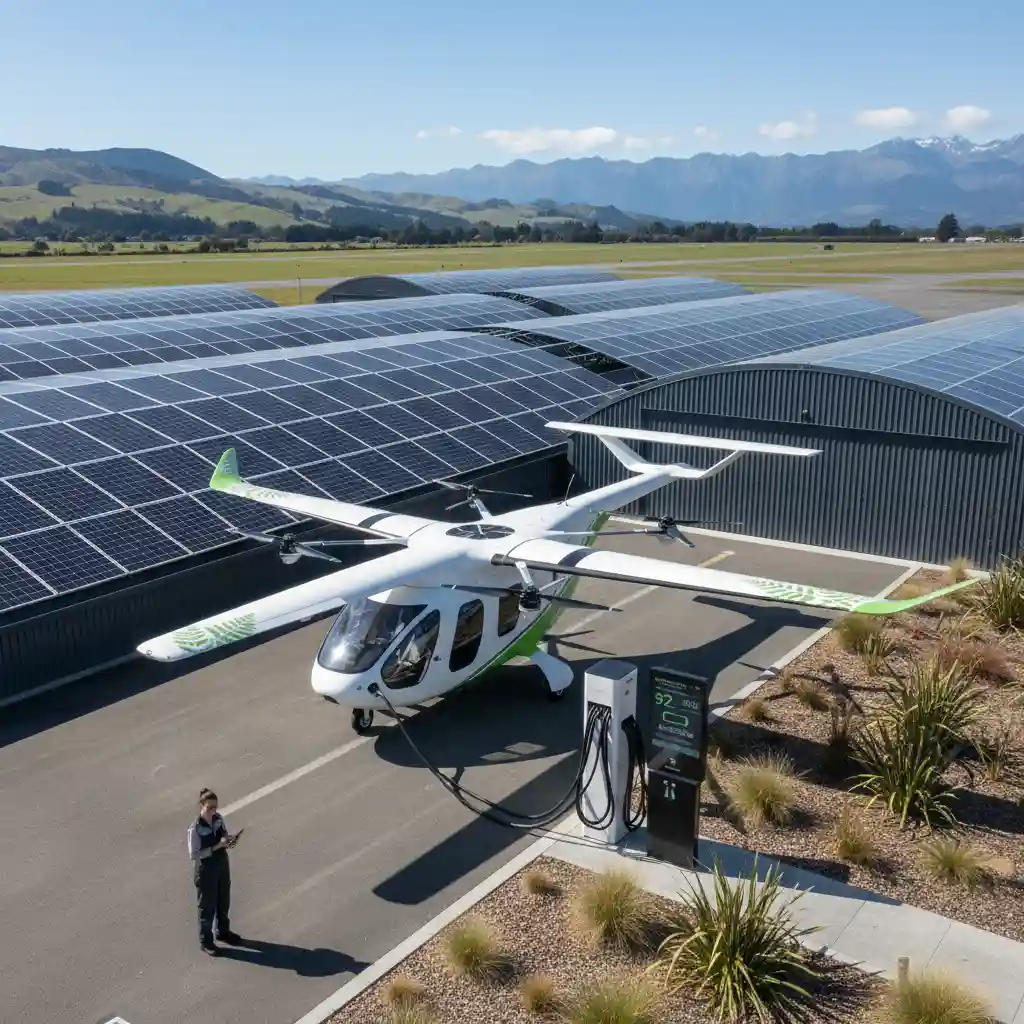
At the heart of electric aviation is the need for efficient and widespread charging infrastructure. Unlike refuelling a traditional aircraft, electric planes require high-power charging stations capable of rapidly replenishing large battery packs. This presents several challenges:
- Mega-Watt Charging: The power demands far exceed those of electric cars. Airfields, regional airports, and vertiports will need grid connections capable of delivering megawatts of power.
- Smart Grid Management: Integrating such high power demands into existing electricity grids requires intelligent management systems to prevent overloads and ensure stability, potentially utilising renewable energy sources and battery storage solutions on-site.
- Standardisation: Common charging standards and connector types will be crucial for interoperability and seamless operations across different aircraft models and locations.
Stat Callout: Projections indicate that some regional electric aircraft will require charging capabilities of up to 5-10 megawatts, a significant leap from current EV charging standards.
Modernised Air Traffic Management (ATM) & Digital Systems
The skies are becoming increasingly crowded. Electric Vertical Take-Off and Landing (eVTOL) aircraft operating in urban environments will introduce new complexities to air traffic control. Traditional ATM systems, designed for fixed-wing aircraft on established routes, need significant upgrades.
- Low-Altitude Airspace Management: New digital systems are needed to safely manage a higher density of aircraft operating at lower altitudes, often in complex urban environments.
- Autonomous Systems Integration: Many electric aircraft are designed for autonomous or semi-autonomous operation, requiring sophisticated communication and control protocols to integrate with human-piloted flights.
- Cybersecurity: With increased digitisation comes heightened cybersecurity risks. Robust systems are essential to protect against potential threats to navigation and communication.
Airport & Vertiport Modernisation
Current airport infrastructure is not fully equipped for the unique needs of electric aircraft, particularly eVTOLs. New dedicated facilities are required:
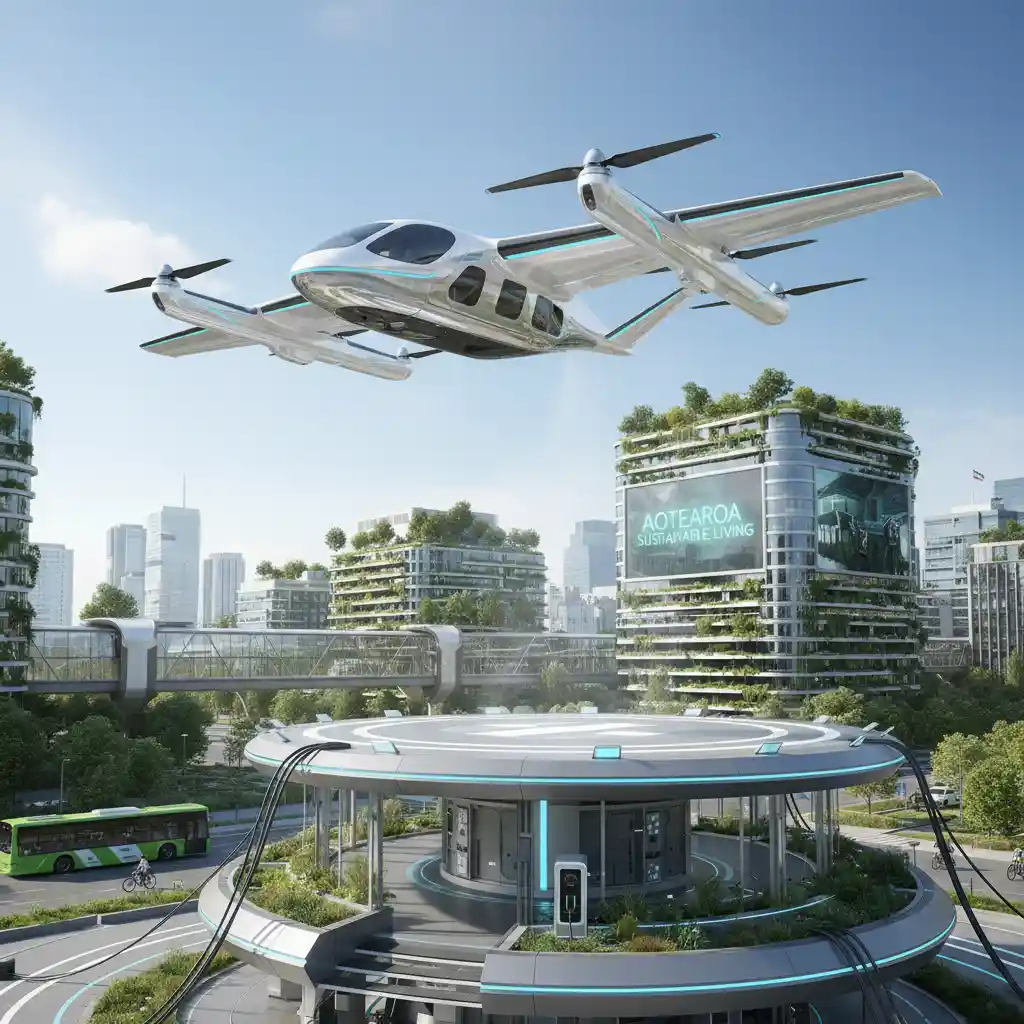
- Vertiports: These specialised landing and take-off sites for eVTOLs will need to be strategically located in urban and suburban areas, complete with charging points, passenger terminals, and maintenance bays.
- Regional Airport Upgrades: Existing regional airports will need adapted runways, taxiways, and gate areas to accommodate electric fixed-wing aircraft, along with the necessary charging and ground support equipment.
- Noise & Vibration Considerations: While electric aircraft are significantly quieter, their widespread use will still require careful planning to minimise community impact.
Stat Callout: Analysts predict that the global urban air mobility (UAM) market, heavily reliant on vertiport infrastructure, could reach nearly $1 trillion by 2040.

Maintenance, Repair & Overhaul (MRO) Facilities
Electric powertrains differ significantly from jet engines. This means MRO facilities and the workforce will need substantial adaptation and retraining.
- Specialised Tooling: New tools and diagnostic equipment will be required for electric motors, battery systems, and advanced avionics.
- Skilled Workforce: A new generation of aviation technicians, skilled in electrical systems, battery management, and software diagnostics, will be essential.
- Battery Lifecycle Management: Safe handling, charging, storage, and eventual recycling or repurposing of large aircraft batteries present a unique set of challenges that MRO facilities must address.
Policy, Regulation, and Collaboration: The Enabling Environment
Beyond physical infrastructure, the regulatory landscape must evolve. Governments and aviation authorities need to develop clear guidelines for certification, operation, and safety standards for electric aircraft and their supporting systems. International collaboration will be vital to ensure harmonised standards, facilitating cross-border operations.
Private investment, public funding, and cross-sector partnerships between energy companies, tech innovators, and aviation stakeholders will be crucial for accelerating the development and deployment of this essential infrastructure.

The New Zealand Advantage: Leading the Charge
New Zealand, with its strong renewable energy base (hydro, geothermal, wind), a relatively uncongested airspace, and a proactive stance on sustainability, is uniquely positioned to become a leader in electric aviation. Early investment in boosting electric aviation infrastructure, particularly for regional connectivity and tourism, could solidify its reputation as a global green innovation hub.
The transition will require vision, strategic planning, and significant investment, but the long-term benefits for the environment, economy, and connectivity are immense. By addressing these essential infrastructure needs, New Zealand can help usher in a new era of sustainable flight.
Conclusion: Soaring Towards a Greener Future
The journey to widespread electric aviation is complex, demanding innovative solutions across multiple sectors. From high-power charging grids to advanced air traffic management and modernised ground facilities, the essential infrastructure needs are extensive. However, the environmental imperatives and economic opportunities are too significant to ignore. By strategically investing in these critical areas, we can unlock the full potential of electric flight, creating a cleaner, quieter, and more connected future for generations to come. The time to build the foundations for this aerial revolution is now.
Frequently Asked Questions (FAQ)
What are the primary challenges for electric aviation infrastructure?
The main challenges include developing mega-watt charging solutions, integrating high power demands into existing electricity grids, modernising air traffic management for new aircraft types (like eVTOLs), and upgrading or building new airport/vertiport facilities. Additionally, a skilled workforce for maintenance and repair of electric powertrains is crucial.
How will electric aviation impact urban areas?
Electric aviation, especially through Urban Air Mobility (UAM) services with eVTOL aircraft, could transform urban transport. It will require the development of dedicated vertiports within cities, potentially reducing ground traffic congestion and providing faster travel. The significantly lower noise profile of electric aircraft will also be a major benefit for urban environments.
Is New Zealand well-suited for electric aviation?
Yes, New Zealand is particularly well-suited due to its abundant renewable energy sources (hydro, geothermal, wind), its commitment to sustainability, and a relatively less congested airspace compared to other developed nations. Investing in electric aviation infrastructure aligns with its environmental goals and could enhance regional connectivity and tourism.
What is a ‘vertiport’?
A vertiport is a dedicated facility designed for the take-off, landing, charging, and passenger operations of Vertical Take-Off and Landing (VTOL) aircraft, particularly electric VTOLs (eVTOLs). They are analogous to heliports but are tailored for the specific needs of next-generation electric aircraft, often envisioned for urban and inter-city travel.
How quickly can this infrastructure be developed?
The pace of development depends on several factors, including regulatory frameworks, technological advancements, public and private investment, and societal acceptance. While some components like charging stations can be deployed relatively quickly, large-scale grid upgrades and new ATM systems will require significant planning and time, likely a decade or more for widespread implementation.
References & Sources
- International Civil Aviation Organization (ICAO) – Environmental Reports & Future Aviation Technologies.
- Deloitte Insights – The Future of Mobility: Electric Air Taxis.
- McKinsey & Company – The Future of Advanced Air Mobility.
- Renewable Energy Association of New Zealand (REANZ) – National Energy Infrastructure Reports.
- Various academic studies and industry whitepapers on Electric Vertical Take-Off and Landing (eVTOL) aircraft and charging standards.