Boosting Diversity: Women & Minorities in Renewable Energy
The transition to a sustainable future powered by renewable energy isn’t just about technology; it’s fundamentally about people. To truly harness the innovative potential and widespread adoption needed for a green economy, we must ensure that the workforce driving this change is as diverse as the communities it serves.
In New Zealand and globally, the renewable energy sector stands at a critical juncture. While incredible strides are being made in clean energy generation, the representation of women and minority groups within this burgeoning field often lags behind. This article delves into the critical importance of boosting diversity: women & minorities in renewable energy, exploring the benefits, challenges, and actionable strategies for building a more inclusive and robust green workforce.
Why Diversity Matters for a Sustainable Future
Achieving our ambitious climate goals requires more than just technological advancements. It demands a workforce that brings varied perspectives, experiences, and problem-solving approaches to the table. When we speak about boosting diversity: women & minorities in renewable energy, we’re talking about unlocking unparalleled innovation and creating solutions that resonate with everyone.
An inclusive approach ensures that the benefits of the clean energy transition are distributed equitably, preventing new forms of inequality from emerging. It’s about building a sector that truly reflects the world it aims to power sustainably.
Stat Callout: Global Energy Workforce
Globally, women represent only 32% of the total renewable energy workforce, and their presence in senior management and technical roles remains even lower. Minority groups often face similar, if not greater, underrepresentation across the sector.
Source: International Renewable Energy Agency (IRENA) & International Labour Organization (ILO)
The Current Landscape: Gaps and Opportunities
Despite the renewable energy sector’s reputation as forward-thinking, it still mirrors many of the diversity challenges found in traditional energy and STEM fields. Data consistently shows a significant underrepresentation of women, Indigenous peoples, and various ethnic and racial minorities, particularly in leadership, technical, and high-paying roles.
However, this landscape also presents immense opportunities. As the sector continues its rapid expansion, there’s a unique chance to embed diversity and inclusion from the ground up, rather than retrofitting it. This means intentional strategies are vital to ensure true equity.
Barriers to Entry and Advancement
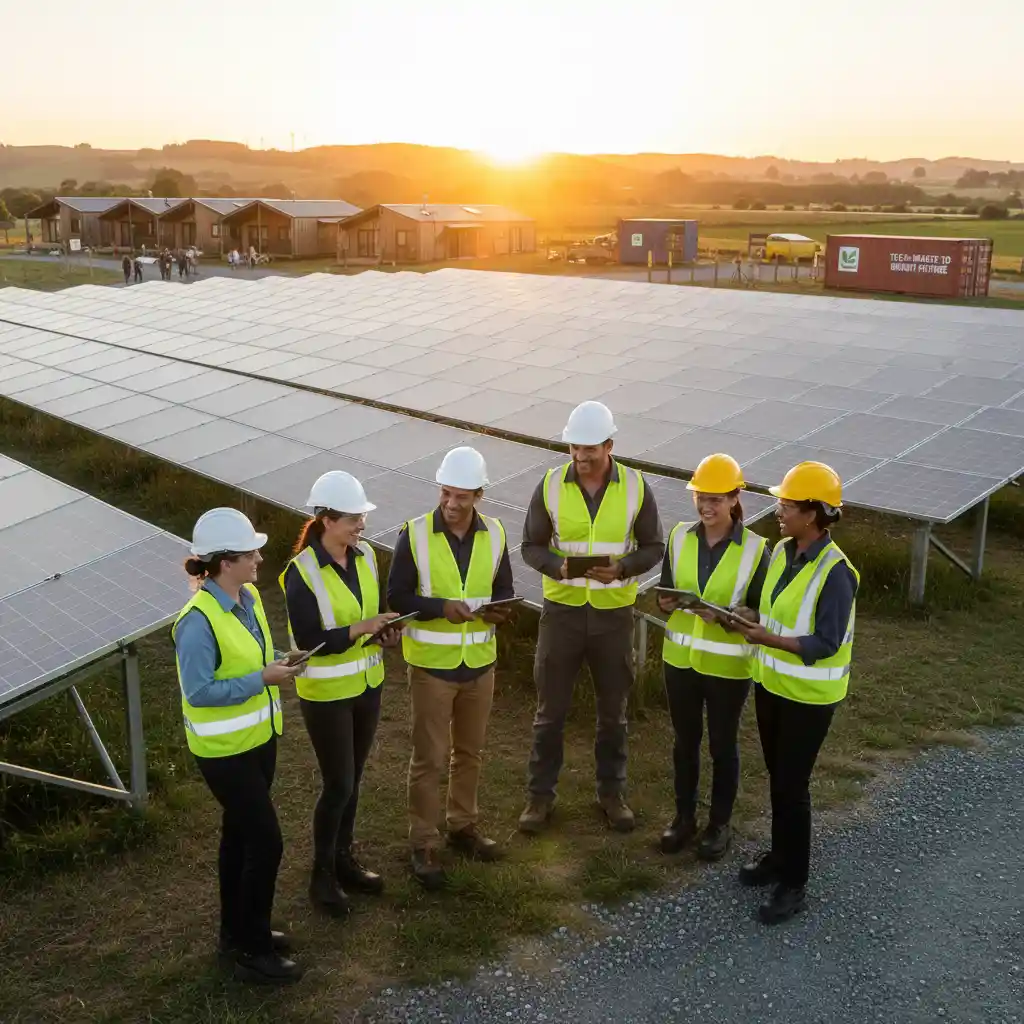
Several systemic and cultural hurdles prevent full participation and advancement for women and minorities in renewable energy:
- Unconscious Bias: Hiring and promotion processes can be skewed by implicit biases against non-traditional candidates.
- Lack of Role Models: A scarcity of visible women and minority leaders can discourage new talent and make career progression seem less attainable.
- Workplace Culture: Existing cultures may not be fully inclusive, leading to feelings of isolation or a lack of psychological safety.
- STEM Pipeline Issues: Disparities in access to quality STEM education and career guidance can limit the pool of diverse candidates from an early stage.
- Geographic and Socioeconomic Barriers: Renewable energy projects are often in remote areas, and access to these jobs can be challenging for some communities, especially Indigenous groups.
“An inclusive renewable energy sector is not just ethically right; it’s a strategic imperative for innovation and resilience in the face of climate change.”
The Tangible Benefits of a Diverse Renewable Energy Workforce
Investing in boosting diversity: women & minorities in renewable energy yields significant dividends:
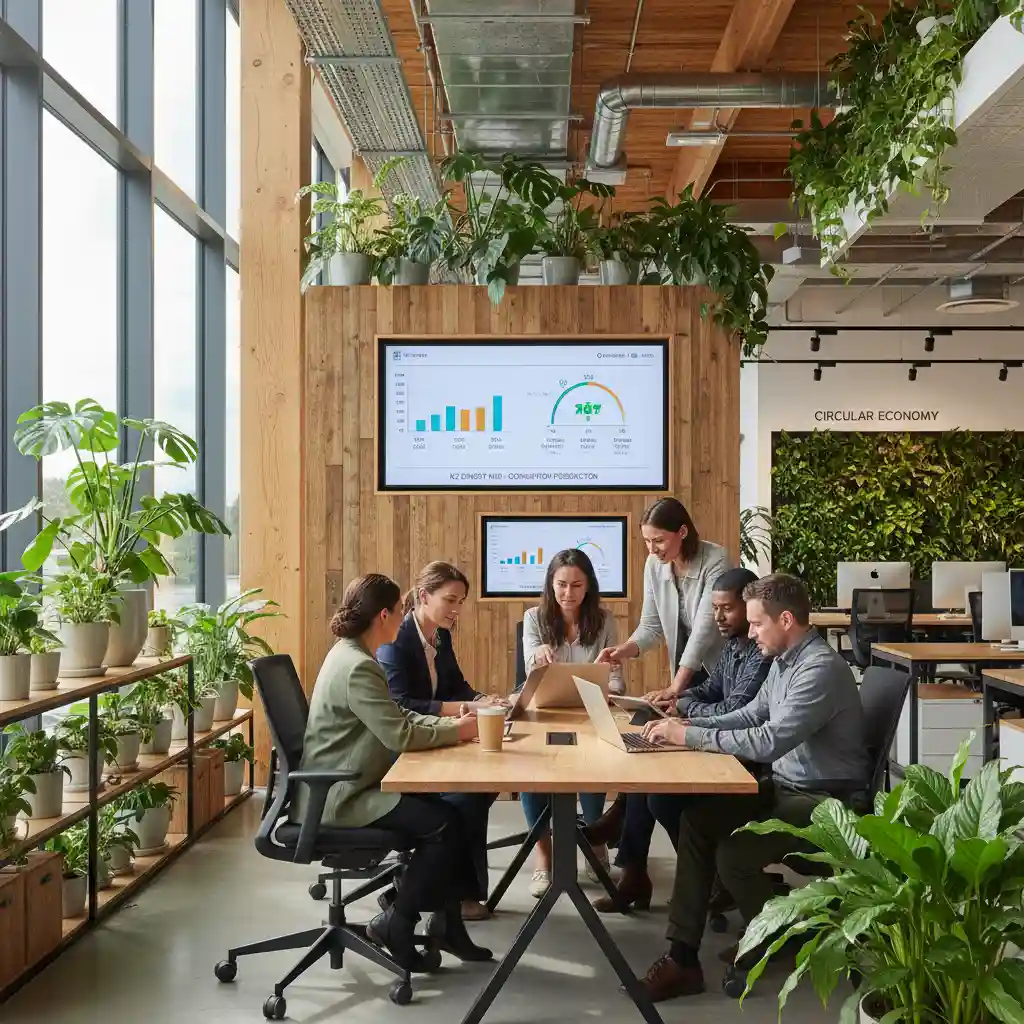
- Enhanced Innovation: Diverse teams are more creative and better at problem-solving, leading to new technologies and more effective strategies for energy transition.
- Improved Financial Performance: Companies with higher diversity often outperform their less diverse counterparts in profitability and market value.
- Better Decision-Making: A wider range of perspectives leads to more robust and equitable decisions, particularly crucial for community-based renewable projects.
- Increased Talent Attraction & Retention: Inclusive workplaces attract top talent and reduce turnover, creating a stronger, more stable workforce.
- Greater Social Equity: Ensuring diverse representation helps to address historical inequalities and creates a fairer distribution of economic opportunities stemming from the green transition.
Strategies for an Equitable Transition
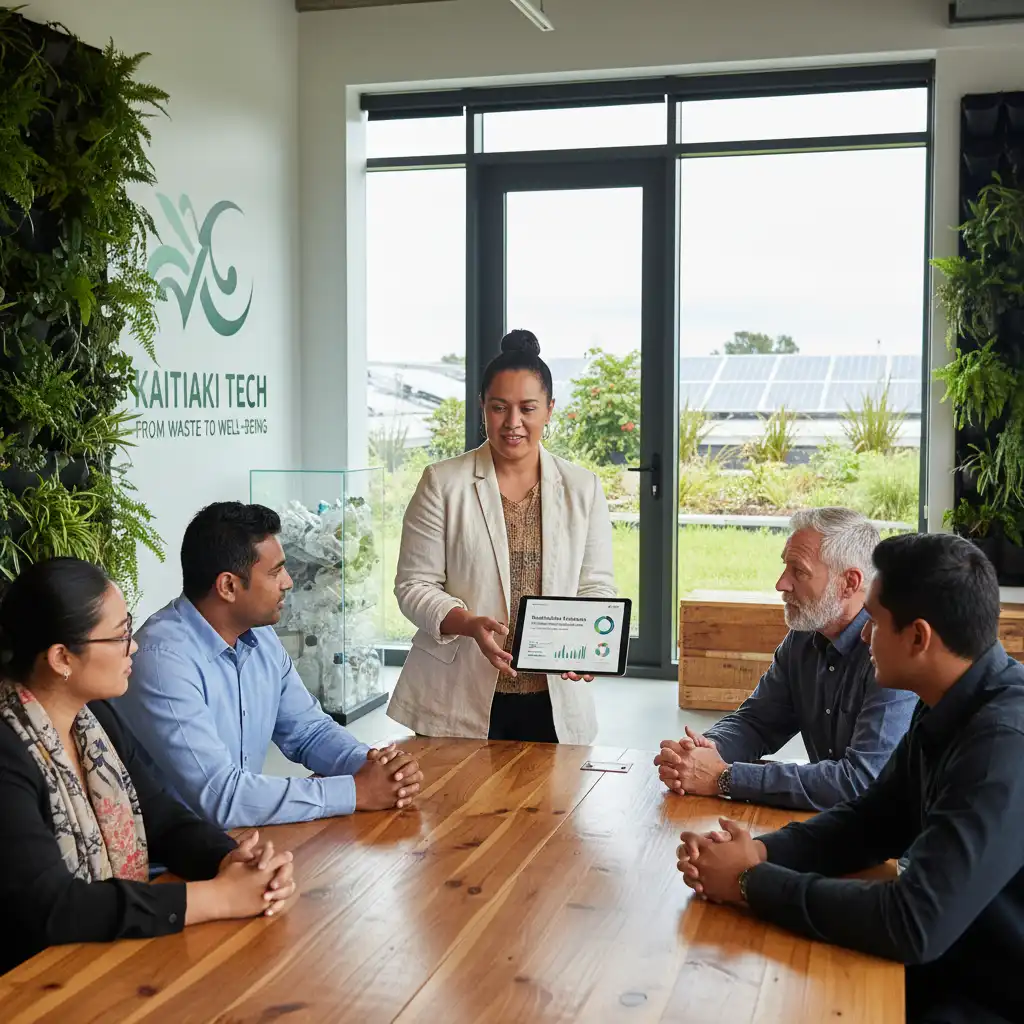
To effectively boost diversity, proactive and comprehensive strategies are essential:
1. Early Education and Outreach
Engage with schools and universities to promote STEM careers in renewable energy to girls and minority students. Create mentorship programs connecting students with industry professionals.
2. Inclusive Recruitment Practices
Implement blind resume reviews, diversify hiring panels, and set measurable diversity targets. Use inclusive language in job descriptions to attract a broader applicant pool.
3. Mentorship and Leadership Programs
Develop specific programs to support the professional growth of women and minorities, fostering their advancement into leadership roles within the sector.
4. Flexible Work Environments
Offer flexible working hours, remote options, and family-friendly policies to better support work-life balance, particularly beneficial for women.
5. Cultural Competency Training
Provide training for all employees on unconscious bias, cultural sensitivity, and inclusive communication to foster a respectful and welcoming workplace.
New Zealand’s Path to an Inclusive Green Future
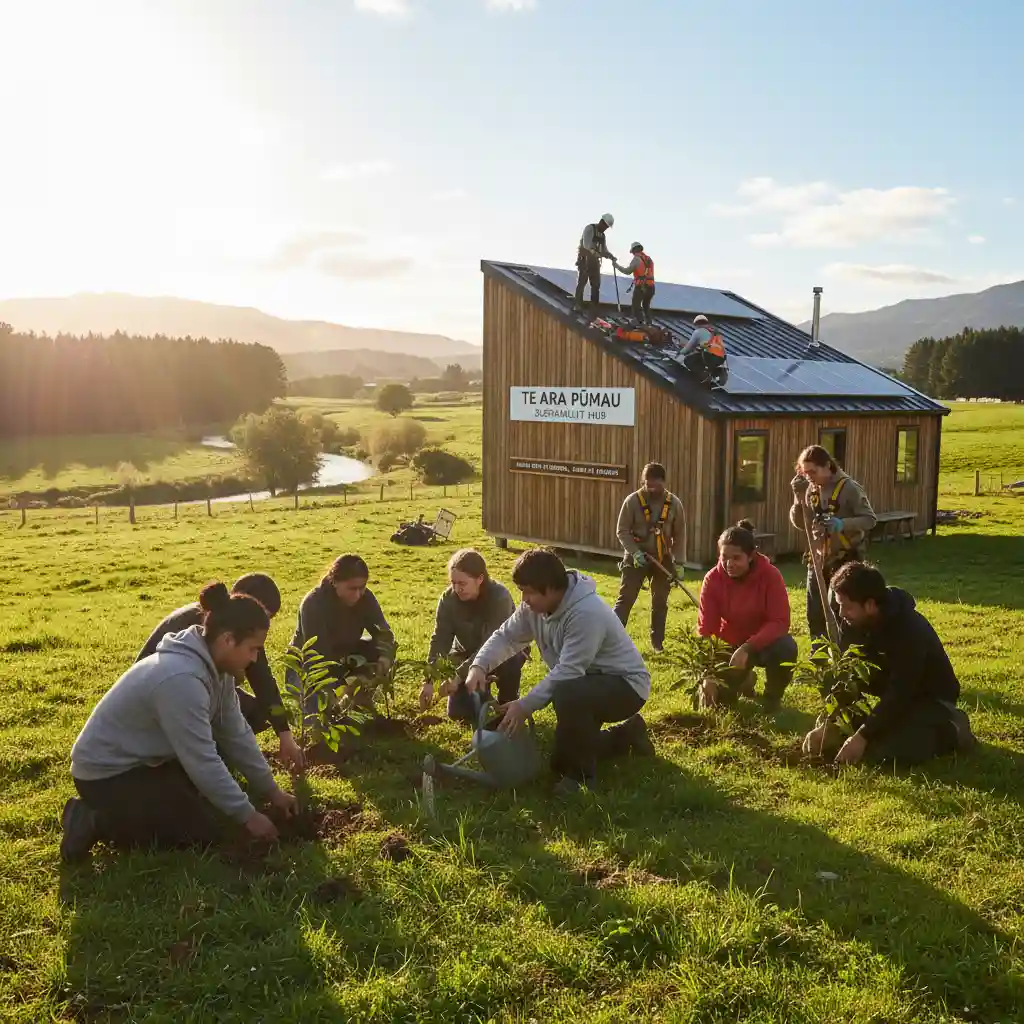
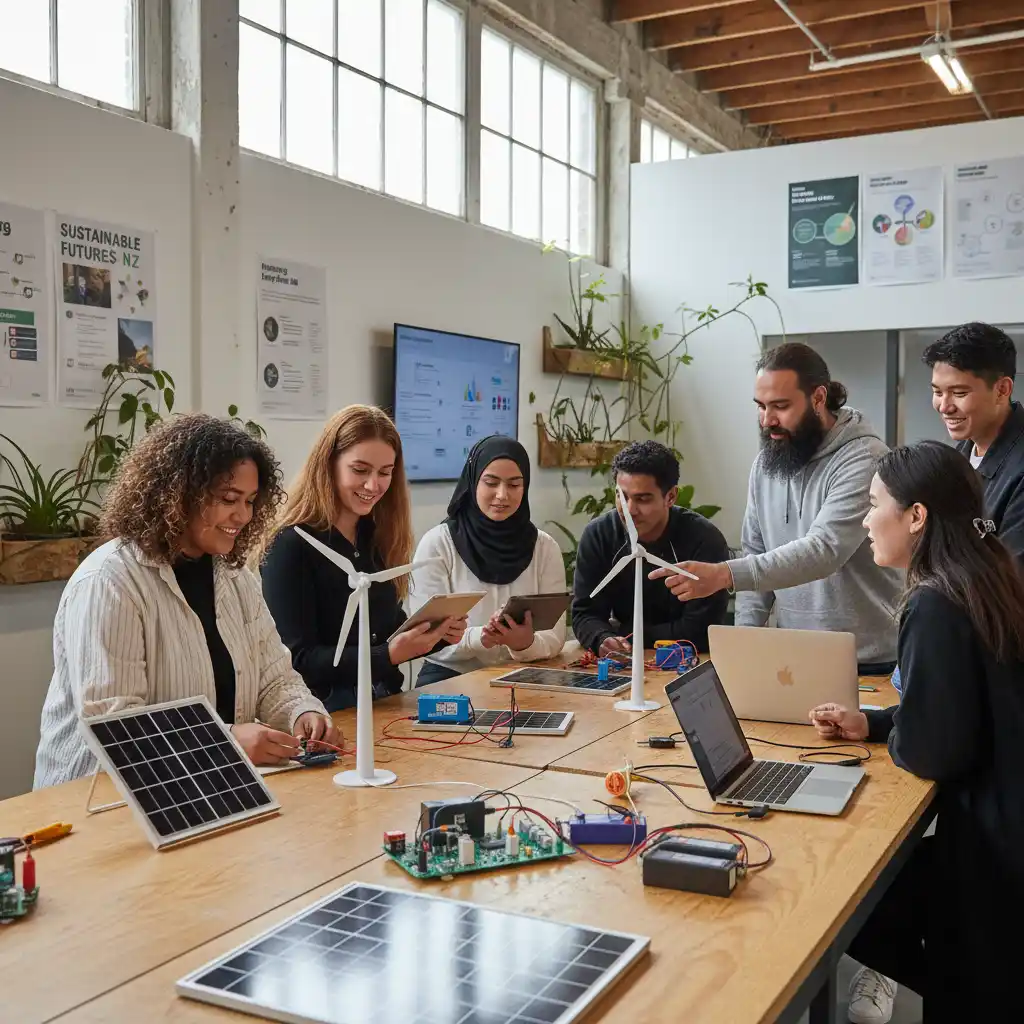
As a nation committed to sustainability and strong social values, New Zealand has a unique opportunity to lead in boosting diversity: women & minorities in renewable energy. Māori and Pasifika communities, in particular, can play a pivotal role, bringing traditional knowledge, strong community ties, and a deep connection to the land (whenua) and sea (moana) to renewable energy initiatives.
Initiatives supporting Māori and Pasifika engagement in STEM and clean energy careers, as well as fostering Indigenous-led renewable projects, are crucial. This not only promotes equity but also ensures that energy solutions are culturally appropriate and resilient.
Looking Ahead: A Sustainable and Diverse Tomorrow
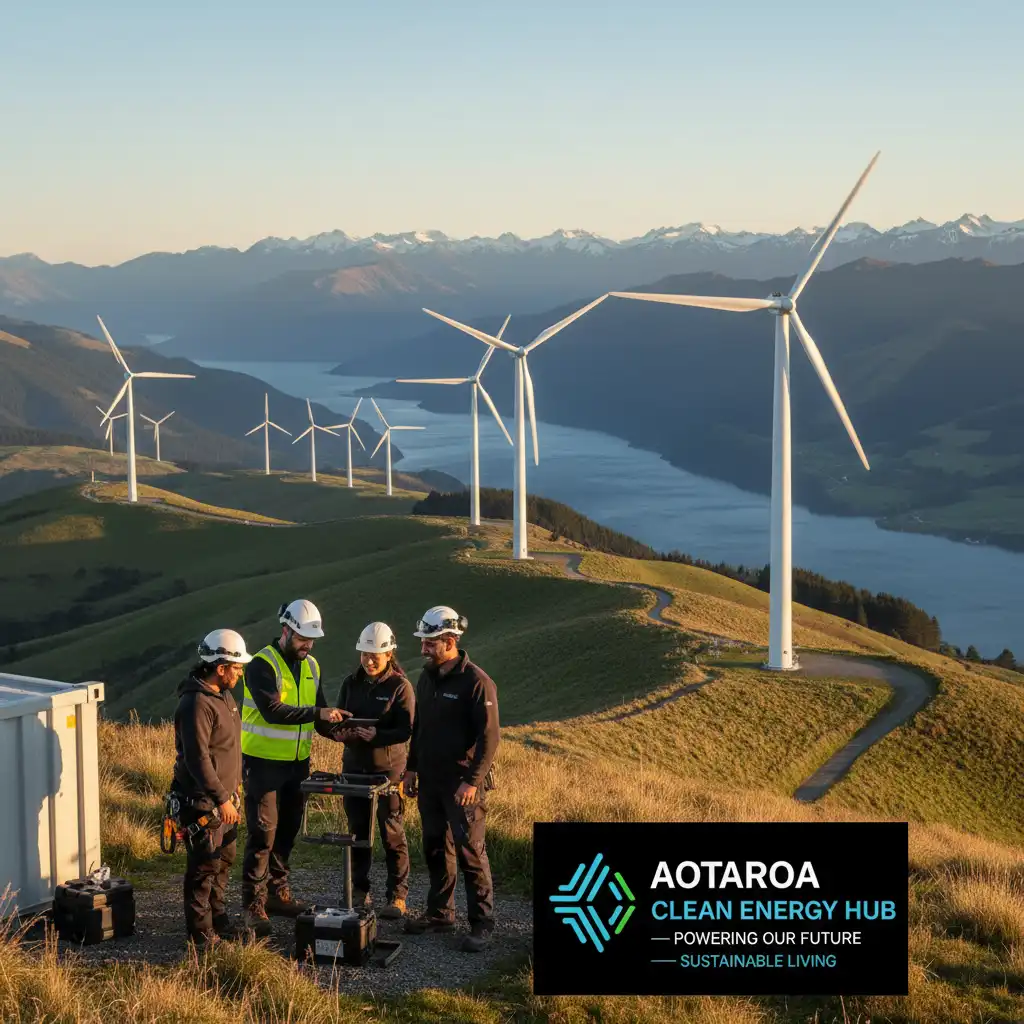
The future of renewable energy is bright, and its full potential can only be realized through deliberate and continuous efforts to boost diversity. By actively supporting women and minority groups, we don’t just fill job vacancies; we enrich the entire sector with varied insights, foster innovation, and build a truly equitable and sustainable world for all.
This isn’t merely a matter of social justice, but an economic and environmental imperative. Let’s work together to ensure that the clean energy revolution is led by a workforce as diverse, dynamic, and powerful as the energy sources themselves.
Frequently Asked Questions (FAQ)
Why is diversity in renewable energy particularly important?
Diversity in renewable energy is crucial because it drives innovation, improves problem-solving, ensures equitable distribution of benefits, and creates a workforce that better understands and serves diverse communities. It’s essential for achieving comprehensive and sustainable climate solutions.
What are the main barriers faced by women and minorities in the sector?
Key barriers include unconscious bias in hiring, lack of visible role models, non-inclusive workplace cultures, disparities in STEM education access, and sometimes geographic or socioeconomic challenges related to project locations.
How can companies effectively promote diversity and inclusion?
Companies can promote diversity through targeted outreach to diverse talent pools, implementing blind hiring practices, offering mentorship and leadership development programs, fostering flexible work environments, and providing cultural competency training.
What role does New Zealand play in boosting diversity in renewable energy?
New Zealand has the opportunity to be a global leader by integrating Māori and Pasifika knowledge and talent into the renewable sector. This includes supporting Indigenous-led projects and ensuring equitable access to STEM education and career pathways for all minority groups.
Are there economic benefits to having a diverse renewable energy workforce?
Yes, diverse companies often show improved financial performance, higher rates of innovation, better decision-making capabilities, and enhanced talent attraction and retention, all contributing to stronger economic outcomes for the sector.
References & Sources
- International Renewable Energy Agency (IRENA). (2020). Renewable Energy: A Gender Perspective.
- International Labour Organization (ILO). (2021). Green jobs for women: A focus on skills.
- McKinsey & Company. (2018). Delivering through Diversity.
- World Economic Forum. (2022). The Global Gender Gap Report.
- Government of New Zealand. (Various publications). Reports on renewable energy strategy and Māori economic development.