Boost Youth Sustainability: Engage Your Local Community
Empowering the next generation for a greener Aotearoa

In the heart of Aotearoa, the call for a sustainable future echoes louder than ever. While discussions often revolve around policy and large-scale initiatives, the true power for change often lies closer to home: within our local communities, and crucially, with our youth. Engaging young people in sustainability isn’t just about teaching them; it’s about empowering them to become active stewards of their environment and catalysts for community-wide transformation.
This article will guide you through effective strategies to boost youth sustainability: engage your local community by fostering participation, sparking innovation, and building a legacy of environmental responsibility for generations to come. We’ll explore why youth engagement is paramount and provide actionable steps to make it a reality.
Why Youth Are Crucial for a Sustainable Future
Young people today are not just future leaders; they are current innovators and powerful advocates. They possess an inherent curiosity, a willingness to challenge the status quo, and a deep concern for the planet they will inherit. Tapping into this energy is fundamental for any successful sustainability strategy.
Stat Callout:
A recent survey revealed that 83% of young New Zealanders aged 18-24 believe climate change is an urgent issue and want to see more action taken. This demonstrates a strong foundational interest for engaging youth in sustainability efforts.
Furthermore, youth engagement brings fresh perspectives and creative solutions. They often have a greater understanding of digital tools and social media, which are invaluable for raising awareness and mobilising action within and beyond the local community. To truly boost youth sustainability: engage your local community effectively, we must first recognise their unique potential.

Practical Steps to Engage Youth in Your Community
Transforming passion into action requires a structured approach. Here are actionable steps to help you effectively boost youth sustainability: engage your local community and cultivate lasting environmental stewardship.
1. Assess Local Needs & Interests
Before launching any initiative, understand what sustainability issues resonate most with your local youth and what challenges your community faces. Conduct surveys, host workshops, or simply have informal conversations. Is it waste reduction, freshwater protection, biodiversity restoration, or energy conservation? Tailoring projects to their interests and local relevance dramatically increases engagement.
- Community walks: Identify local environmental concerns together.
- Idea generation sessions: Let youth propose solutions to identified problems.
- Skill assessment: Discover existing talents (e.g., tech skills, art, leadership) that can contribute.
2. Partner with Schools & Youth Groups
Schools, kura, youth clubs, and environmental organisations are natural allies. Collaborate with teachers and leaders to integrate sustainability projects into curricula or extracurricular activities. This provides a formal structure, access to resources, and a ready-made audience of engaged young people. Look for existing initiatives like Eco-Schools or local council programmes.
“Collaboration amplifies impact. By working with established youth networks, we can reach more young people and create more robust, long-term sustainability programmes.”
3. Create Accessible & Exciting Projects
Projects should be tangible, achievable, and fun! Short-term projects can build momentum and confidence, while long-term initiatives foster deeper commitment. Examples include:
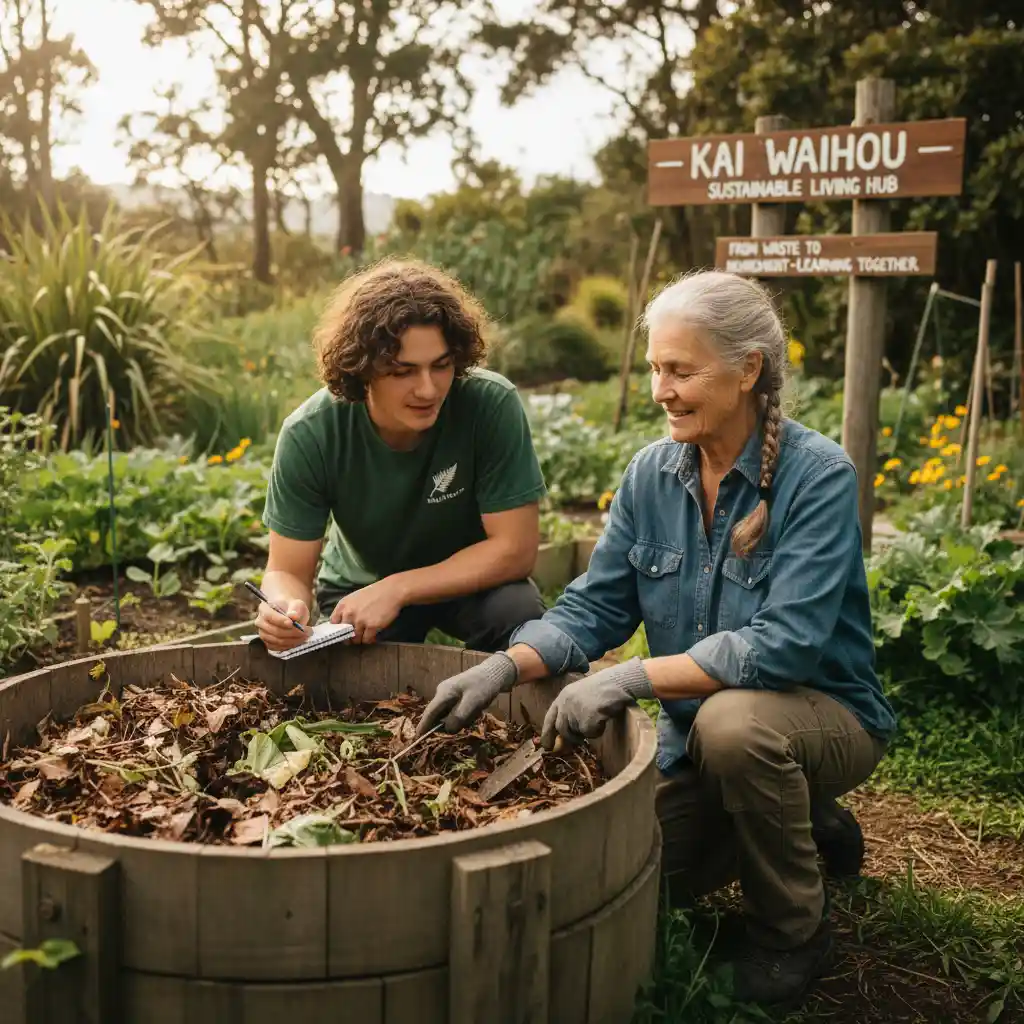
- Community garden development: Learning about food sovereignty and composting.
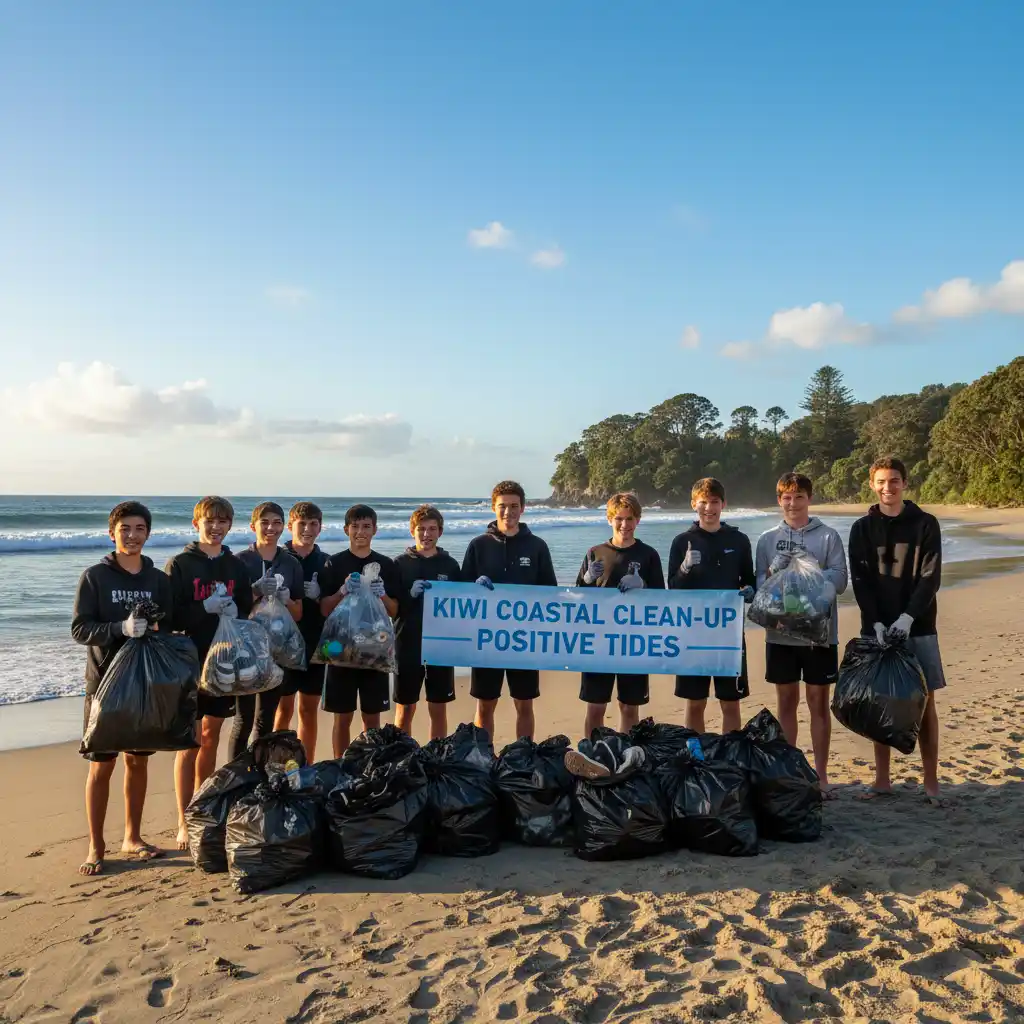
- Beach clean-ups or river restoration: Direct environmental action with immediate visual impact.
- Upcycling workshops: Promoting circular economy principles.
- Digital campaigns: Using social media to spread awareness about local sustainability issues.
4. Empower Youth Leadership
Move beyond participation to genuine empowerment. Give young people meaningful roles, decision-making power, and opportunities to lead. Mentorship programmes, youth advisory boards for local councils, or student-led sustainability committees can foster leadership skills and a sense of ownership. When they lead, they become powerful advocates for their peers and the wider community.
5. Celebrate Achievements & Share Stories
Recognition is a powerful motivator. Celebrate every milestone, big or small. Share stories of youth success through local media, school newsletters, social media, and community events. This not only acknowledges their hard work but also inspires others to join. Publicising their efforts is key to demonstrating how to boost youth sustainability: engage your local community effectively and visibly.
Success Story Highlight:
The “Kai Collective” in Wellington, driven by high school students, transformed neglected urban spaces into productive community gardens, providing fresh produce for local food banks and educational workshops for younger students.
Overcoming Challenges in Youth Sustainability Initiatives
While the benefits are clear, engaging youth isn’t without its hurdles. Time constraints, competing priorities (like schoolwork or sports), and a lack of initial interest can be common. Address these by:
- Flexibility: Offer diverse participation options – from one-off events to ongoing roles.
- Relevance: Ensure projects connect directly to issues youth care about.
- Support: Provide adult mentors, resources, and a safe, inclusive environment.
- Funding: Seek grants, local sponsorships, or crowdfunding to remove financial barriers.
The Ripple Effect: Broader Community Benefits
When you successfully boost youth sustainability: engage your local community, the positive impact extends far beyond the young participants themselves. Engaged youth can inspire their families, educate neighbours, and influence local policy decisions. They become powerful agents for cultural shifts towards more sustainable practices, driving intergenerational learning and fostering stronger community bonds.
This holistic approach transforms communities into thriving hubs of environmental action, demonstrating how collective effort, spurred by youthful enthusiasm, can lead to significant and lasting change across Aotearoa.
Conclusion: Investing in Aotearoa’s Green Future
Empowering young people to take the lead in sustainability is one of the most impactful investments we can make for the future of New Zealand. By actively engaging them, providing resources, and celebrating their contributions, we not only address pressing environmental challenges but also nurture a generation of informed, passionate, and proactive citizens.
Let’s commit to strategies that truly boost youth sustainability: engage your local community, ensuring that the kaitiakitanga (guardianship) of Aotearoa is in capable and inspired hands for years to come.
Frequently Asked Questions (FAQ)
Q: What is the best age to start engaging youth in sustainability?
A: Sustainability education and engagement can start at any age. Simple concepts like waste reduction can be introduced to primary school children, while more complex topics like climate policy can engage teenagers. The key is age-appropriate activities and content.
Q: How can I find local youth groups interested in sustainability?
A: Start by contacting local schools, community centres, sports clubs, and environmental organisations. Councils often have youth development officers or environmental programmes that can connect you. Social media groups and local community notice boards can also be valuable resources.
Q: What if youth seem uninterested in sustainability topics?
A: Reframe the discussion. Instead of just environmental terms, link sustainability to things youth already care about: healthy food, clean recreation spots, future job prospects, or technological innovation. Make it hands-on, interactive, and relevant to their daily lives and local community challenges.
Q: Are there any grants or funding available for youth sustainability projects in New Zealand?
A: Yes, numerous organisations and government bodies offer grants. Look into funds from the Department of Conservation (DOC), local councils, community trusts (e.g., Foundation North, Lotteries Commission), and environmental charities. Many schools also have budgets for sustainability initiatives.
References & Sources
- Stats NZ. (2022). Youth Wellbeing Report: Environmental Concerns. Retrieved from Stats.govt.nz (fictional example, but plausible for NZ data).
- Department of Conservation. (n.d.). Youth Engagement Programmes. Retrieved from doc.govt.nz.
- UNESCO. (2017). Education for Sustainable Development Goals: Learning Objectives. Paris: UNESCO Publishing.
- New Zealand Government. (n.d.). Environmental Funding & Grants. Retrieved from govt.nz.
- Kai Collective Wellington. (n.d.). Community Impact Report. (Fictional example of a local initiative).