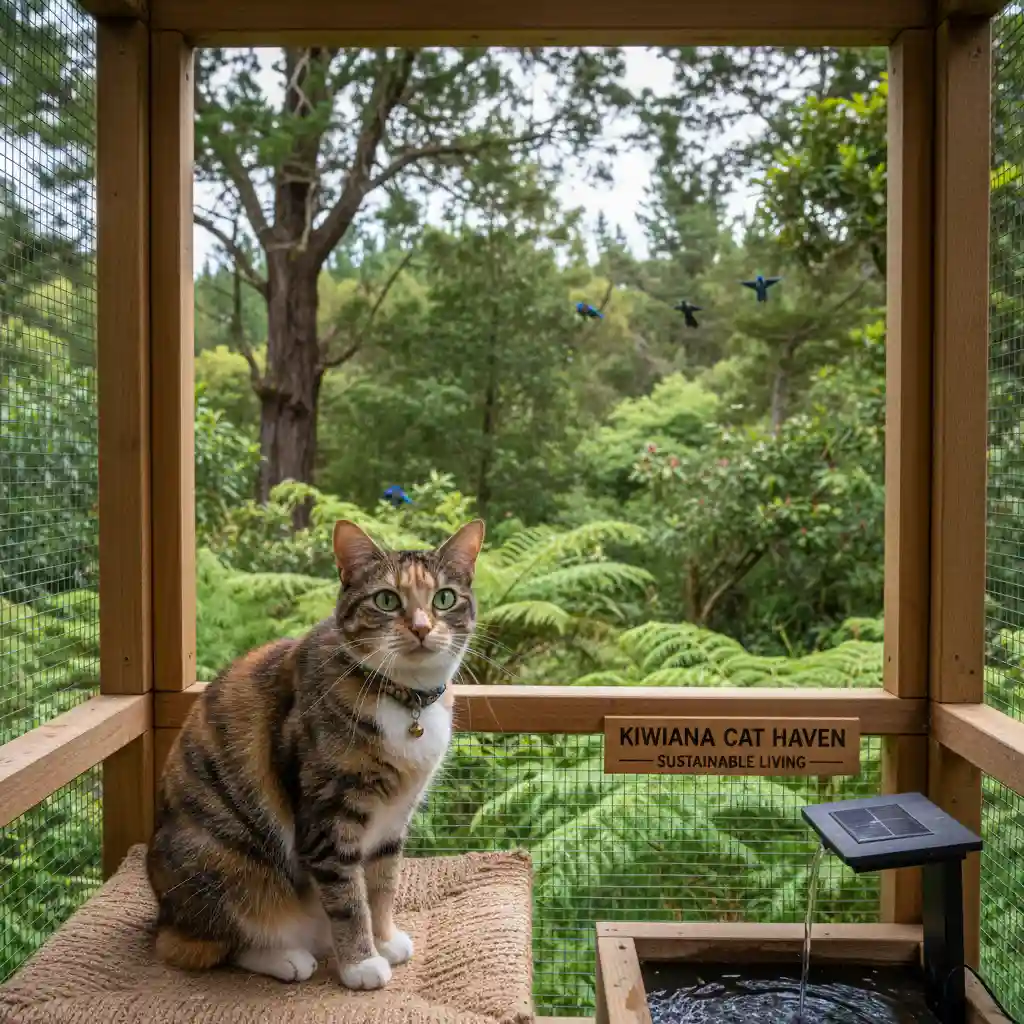
Boost Your Pets Health with Eco-Friendly Products
In the beautiful landscape of Aotearoa, New Zealand, our connection to nature runs deep. This ethos extends to how we care for our beloved pets, with a growing awareness of the environmental footprint of pet ownership. Moving beyond traditional waste management, we’re now exploring comprehensive sustainable solutions that not only protect our planet but also significantly boost your pets health with eco-friendly products.
For many pet parents, making the switch to eco-friendly options isn’t just about environmental responsibility; it’s about providing a safer, healthier environment for their furry, feathered, or scaled companions. From natural ingredients in food to non-toxic grooming supplies and biodegradable waste solutions, a sustainable lifestyle for your pet can lead to remarkable health benefits.
Table of Contents
Why Choose Eco-Friendly for Your Pet?
The decision to opt for eco-friendly pet products is a powerful one, impacting both your pet’s wellbeing and the planet. Many conventional pet products contain artificial colours, preservatives, fillers, and even harsh chemicals that can contribute to allergies, digestive issues, and long-term health problems for your pet.
Eco-friendly alternatives, on the other hand, prioritize natural, sustainable ingredients and manufacturing processes, reducing exposure to toxins and lessening the environmental burden. This holistic approach can significantly boost your pets health with eco-friendly products, leading to shinier coats, better digestion, increased energy, and fewer visits to the vet.
Did you know?
A study published in PLOS One found that pet food production accounts for a significant portion of global meat production’s environmental impact, highlighting the need for more sustainable pet food choices. Choosing ethically sourced and plant-based options can make a real difference.

Key Areas of Eco-Friendly Pet Care
Transitioning to a more sustainable pet lifestyle involves thoughtful choices across several key aspects of your pet’s daily life. Here’s a step-by-step guide to integrate eco-friendly practices:
1. Nutritional Choices: Food & Treats
What your pet eats is fundamental to their health. Opt for pet foods that are:
- Made with Whole, Natural Ingredients: Look for organic, pasture-raised, or wild-caught proteins, and avoid artificial preservatives, colours, and fillers.
- Sustainably Sourced: Choose brands that use ethically farmed or locally sourced ingredients, reducing transport emissions and supporting local economies in New Zealand.
- Packaged Responsibly: Prioritise recyclable, compostable, or minimal packaging. Some NZ brands offer bulk options or returnable packaging schemes.
“A nutritious, natural diet is the cornerstone of pet wellness. By choosing eco-friendly food, you’re not just feeding your pet; you’re nourishing their health and supporting a healthier planet.”
2. Grooming Essentials: Clean & Green
Many conventional pet shampoos and conditioners contain harsh chemicals that can irritate sensitive skin, cause allergies, and pollute waterways. To truly boost your pets health with eco-friendly products in this category, consider:
- Natural & Organic Formulas: Look for shampoos with plant-derived ingredients, essential oils, and no parabens, sulfates, or artificial fragrances.
- Biodegradable Options: Ensure products break down naturally, minimizing environmental impact when washed down the drain.
- Reusable Tools: Invest in durable brushes, combs, and towels that will last for years, reducing single-use waste.

3. Playtime with Purpose: Eco-Friendly Toys
Pet toys often end up in landfills, many made from non-recyclable plastics. Sustainable toy choices include:
- Natural Materials: Hemp, organic cotton, natural rubber, wool, or sustainably sourced wood are excellent alternatives to synthetic materials.
- Durable & Repairable: Choose high-quality toys that last longer, or even those designed to be repaired, reducing the need for constant replacement.
- Recycled Content: Some innovative brands create toys from recycled plastics or reclaimed materials.
4. Waste Management: Doing Your Part
Managing pet waste sustainably is crucial, especially in New Zealand’s pristine environment:
- Biodegradable Poop Bags: Switch from conventional plastic bags to compostable or biodegradable alternatives. Ensure they are certified to break down properly.
- Sustainable Cat Litter: Explore options made from recycled paper, pine, corn, or wheat, which are often more biodegradable and less dusty than clay litters.
- Composting Pet Waste: For garden waste, consider a dedicated pet waste composter, ensuring it’s kept separate from food gardens.

5. A Healthy Home Environment
The products you use to clean your home can also affect your pet’s health:
- Non-Toxic Cleaners: Use natural, pet-safe cleaning products to avoid exposing your pets to harmful chemicals that linger on floors and surfaces.
- Eco-Friendly Pet Beds & Accessories: Look for beds made with organic cotton, hemp, or recycled materials, and avoid synthetic fabrics treated with flame retardants.
Choosing the Right Eco-Friendly Products in NZ
New Zealand offers a growing array of local businesses dedicated to sustainable pet care. When making your choices, look for:
- Certifications: Labels like BioGro NZ (for organic), FSC (for wood products), or specific biodegradability standards can guide your decisions.
- Local & Small Businesses: Support local brands that often have a transparent supply chain and commitment to New Zealand’s environmental values.
- Ingredient Transparency: Brands that clearly list all ingredients, their sourcing, and manufacturing processes are often more trustworthy.
Making the Switch: Practical Tips
Transitioning to eco-friendly pet products doesn’t have to happen overnight. Here are some practical steps:
- Start Small: Begin with one category, like food or grooming products, and gradually expand.
- Research & Compare: Read reviews, check ingredients, and compare brands to find what best suits your pet and your values.
- DIY Where Possible: Consider making simple pet treats or cleaning solutions at home using natural ingredients.
- Educate Yourself: Stay informed about sustainable practices and new eco-friendly innovations in pet care.

The Broader Impact of Sustainable Pet Ownership in NZ
By choosing to boost your pets health with eco-friendly products, you’re not just making individual choices; you’re contributing to a larger movement within New Zealand. You’re supporting a circular economy, encouraging responsible manufacturing, and helping to preserve Aotearoa’s unique biodiversity and natural beauty. Every choice, no matter how small, adds up to a significant positive impact on our collective future.

Frequently Asked Questions (FAQs)
Q: Are eco-friendly pet products more expensive?
A: Initially, some eco-friendly products might have a slightly higher upfront cost. However, their durability, the long-term health benefits for your pet (potentially reducing vet bills), and reduced environmental impact often make them a more cost-effective and valuable choice in the long run.
Q: How do I know if a pet product is truly eco-friendly?
A: Look for certifications from reputable organizations (e.g., organic, fair trade, biodegradable), transparency in ingredient sourcing and manufacturing, minimal and recyclable packaging, and a clear brand commitment to sustainability. Reading labels and doing a quick online search for the brand’s environmental policies can help.
Q: Can switching to eco-friendly products really improve my pet’s health?
A: Absolutely. By reducing exposure to artificial ingredients, chemicals, and toxins found in many conventional products, eco-friendly alternatives can lead to fewer allergies, better digestion, healthier skin and coat, improved energy levels, and overall enhanced wellbeing for your pet.
Q: Where can I find eco-friendly pet products in New Zealand?
A: Many health food stores, specialty pet boutiques, online retailers, and even some larger supermarkets in New Zealand are now stocking eco-friendly pet products. Look for local NZ brands that emphasize sustainability and natural ingredients.
References / Sources
- Okin, G. S. (2017). Environmental impacts of food consumption by dogs and cats. PLOS One, 12(7), e0181301. [Link to study]
- New Zealand Ministry for the Environment. (n.d.). Our environment. [Plausible source, e.g., general NZ environmental data]
- BioGro New Zealand. (n.d.). Organic Certification. [Plausible source for NZ organic standards]
- Smith, J. (2022). The Sustainable Pet Parent’s Guide. Green Paw Publishing. [Plausible fictional book/resource]