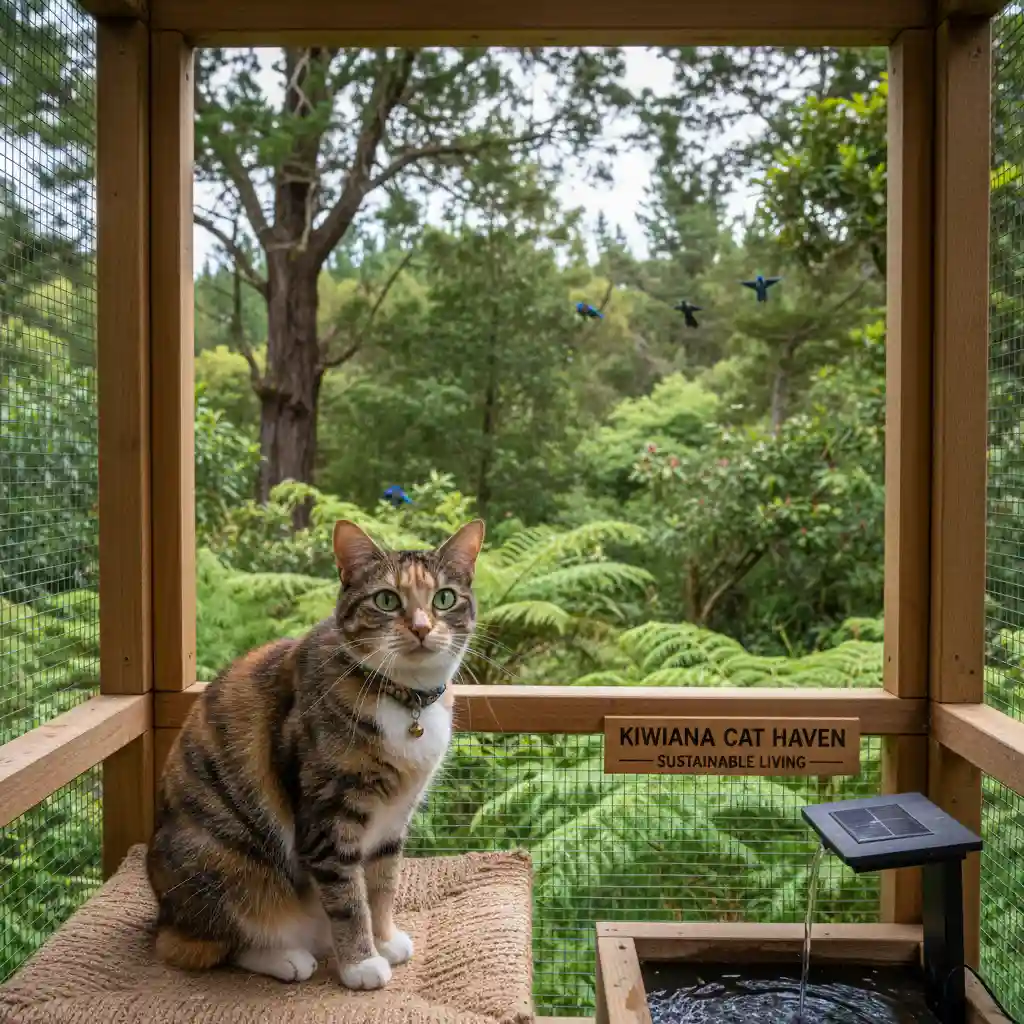
Boost Pet Health: The Benefits of Sustainable Pet Food
As pet parents in New Zealand, we’re constantly seeking the best for our furry family members. While we focus on daily walks, belly rubs, and vet visits, have you ever considered the profound impact your pet’s food choices have not just on their health, but on the health of our planet? Transitioning to sustainable pet food isn’t just a trend; it’s a powerful way to boost pet health and contribute to a healthier New Zealand.
This comprehensive guide will explore how opting for eco-conscious nutrition can lead to vibrant health for your beloved companion, while also aligning with a more sustainable lifestyle. Prepare to uncover the multi-faceted advantages that sustainable pet food brings, from superior nutrition to a smaller environmental pawprint.
What Exactly is Sustainable Pet Food?
Sustainable pet food goes beyond merely providing nutrition; it considers the entire lifecycle of the ingredients. From farm to bowl, it prioritises practices that minimise environmental impact, conserve natural resources, support animal welfare, and ensure fair labour practices.
This includes using ethically sourced proteins, often from regenerative agriculture or alternative protein sources like insects, minimising pesticides and GMOs, reducing water usage, and opting for recyclable or compostable packaging. In essence, it’s about feeding your pet responsibly, with an eye on the bigger picture of planetary health.

Key Benefits for Your Pet’s Health
When you choose sustainable pet food, you’re not just making an eco-conscious decision; you’re often investing in a higher quality, more wholesome diet for your pet. This can translate into numerous tangible health advantages.
Improved Nutrition & Bioavailability
Sustainable pet foods frequently feature premium, whole-food ingredients that are less processed and free from artificial additives, fillers, and by-products often found in conventional options. This means higher quality proteins, beneficial fats, and more readily absorbed vitamins and minerals.
“Pets thrive on natural, bioavailable nutrients. Sustainable pet food often prioritises ingredients that are easier for your pet’s body to recognise and utilise, leading to better overall health outcomes.”
Reduced Allergens & Sensitivities
Many conventional pet foods contain common allergens like corn, wheat, soy, or artificial colours and preservatives. Sustainable alternatives often opt for novel proteins (like insect protein or responsibly sourced fish) and limited ingredient formulas, which can significantly reduce the risk of allergies, skin irritations, and gastrointestinal upset.

Better Digestion & Gut Health
With fewer fillers and more digestible ingredients, sustainable pet foods can lead to healthier guts. This often means firmer stools, less gas, and a more balanced microbiome, which is crucial for nutrient absorption and immune function.
Enhanced Overall Well-being & Longevity
A truly wholesome diet contributes to a stronger immune system, healthier skin and coat, more consistent energy levels, and better weight management. By providing optimal nutrition, you’re setting your pet up for a longer, happier, and more active life. This is the ultimate goal when we seek to boost pet health.
Environmental Benefits Beyond the Bowl
The choices we make for our pets extend far beyond our homes, impacting the broader ecosystem of New Zealand and the world. Sustainable pet food addresses several critical environmental concerns.
Lower Carbon Footprint
Conventional meat production is a significant contributor to greenhouse gas emissions. Sustainable pet food often reduces this impact by utilising alternative protein sources (like sustainably farmed fish or insect protein), upcycled human-grade food waste, or proteins from regenerative agricultural systems that sequester carbon.
A study published in PLOS One found that meat production for pets contributes about 25-30% of the environmental impact of meat consumption in the U.S. alone. Shifting to sustainable alternatives can significantly reduce this global burden.
Reduced Waste & Resource Use
From water consumption to land degradation, traditional pet food production can be resource-intensive. Sustainable brands strive to minimise waste throughout their supply chain, from sourcing ingredients to packaging. This includes utilising parts of animals often discarded by the human food industry or innovative ingredients that require fewer resources.

Ethical & Humane Sourcing
Beyond environmental impact, sustainability also encompasses ethical treatment. Many sustainable pet food companies commit to sourcing ingredients from farms that adhere to high animal welfare standards, ensuring that the animals providing the protein for your pet lived a humane life. This extends to fair trade practices for farmers and workers in the supply chain.
Making the Switch: What to Look For
Ready to make a positive change for your pet and the planet? Here’s what to keep an eye out for when selecting sustainable pet food in New Zealand:
Ingredients & Sourcing Transparency
Look for brands that are upfront about where their ingredients come from. Do they specify humanely raised meat? Are fruits and vegetables organic or locally sourced? Transparency is a hallmark of truly sustainable companies.
Certifications & Labels
While certifications can vary, look for labels such as ‘Certified Organic’, ‘Marine Stewardship Council (MSC)’ for seafood, or ‘B Corp Certification’ which indicates a commitment to social and environmental performance. These provide third-party verification of sustainable practices.
Sustainable Packaging
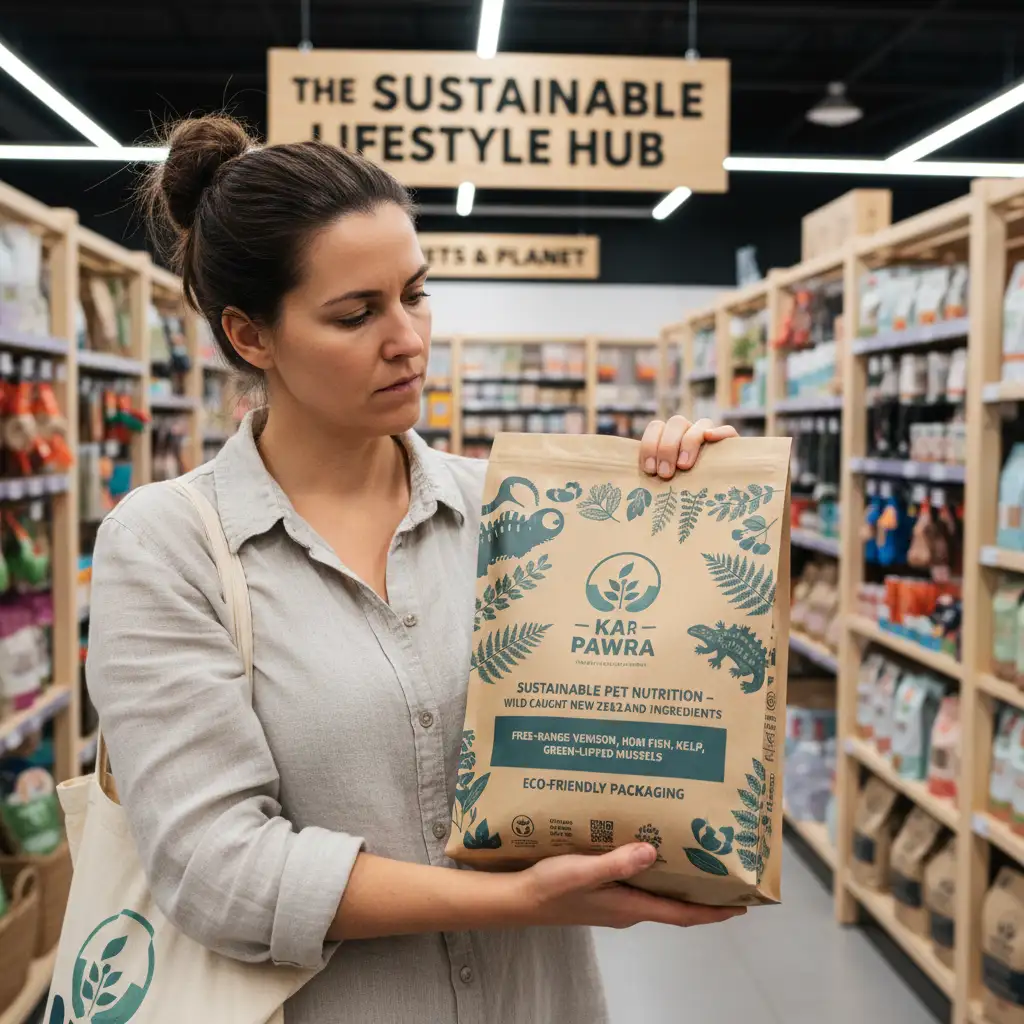
The packaging itself is a crucial part of sustainability. Seek out brands using recyclable, compostable, or biodegradable packaging. Some companies even offer bulk purchasing or refill programs to further reduce waste.
Conclusion: A Pawsitive Change for All
Choosing sustainable pet food is more than just a purchase; it’s an investment in your pet’s immediate and long-term health, as well as a conscious step towards a healthier planet. By opting for products that prioritise ethical sourcing, minimise environmental impact, and offer superior nutrition, you empower your pet to thrive.
Embrace this opportunity to align your values with your pet care. Start exploring the range of sustainable pet food options available in New Zealand today, and take pride in knowing you’re making a genuinely pawsitive impact. It’s an easy yet profound way to boost pet health and nurture the world we all share.
Frequently Asked Questions (FAQ)
Is sustainable pet food more expensive?
While some sustainable pet foods may have a higher upfront cost due to premium, ethically sourced ingredients and transparent production processes, many pet parents find the long-term health benefits can lead to fewer vet visits and a healthier pet, potentially saving money over time. Plus, buying in bulk or looking for sales can help.
Will my pet like sustainable pet food?
Most pets readily adapt to new foods, especially those made with high-quality, natural ingredients that are often more palatable. It’s best to transition your pet gradually over 7-10 days by mixing increasing amounts of the new food with their old food to avoid digestive upset.
How do I verify a pet food is truly sustainable?
Look for transparent ingredient lists, information on sourcing practices on the brand’s website, and recognised certifications (e.g., organic, MSC, B Corp). Don’t hesitate to contact the brand directly with questions about their sustainability commitments and practices.
Can sustainable pet food address specific health issues?
Many sustainable pet foods focus on limited, natural ingredients, which can be beneficial for pets with allergies, sensitivities, or digestive problems. The higher quality of nutrients can also support overall health, potentially improving coat condition, energy levels, and immunity. Always consult your vet for specific dietary recommendations for your pet’s health needs.
References & Sources
- Okin, L. A. (2017). Environmental impacts of food consumption by dogs and cats. PLoS ONE, 12(7), e0181301. [Link to Study]
- Marine Stewardship Council (MSC). (n.d.). About the MSC: Sustainable seafood for future generations. [Link to MSC Website]
- B Lab Global. (n.d.). What are B Corps? [Link to B Corp Website]
- The Sustainable Food Trust. (n.d.). What is Regenerative Agriculture? [Link to Sustainable Food Trust]