Boost Local Economies: Engage with Eco-Friendly Practices
Discover how sustainable choices in New Zealand create thriving communities, foster innovation, and build a resilient future for us all.
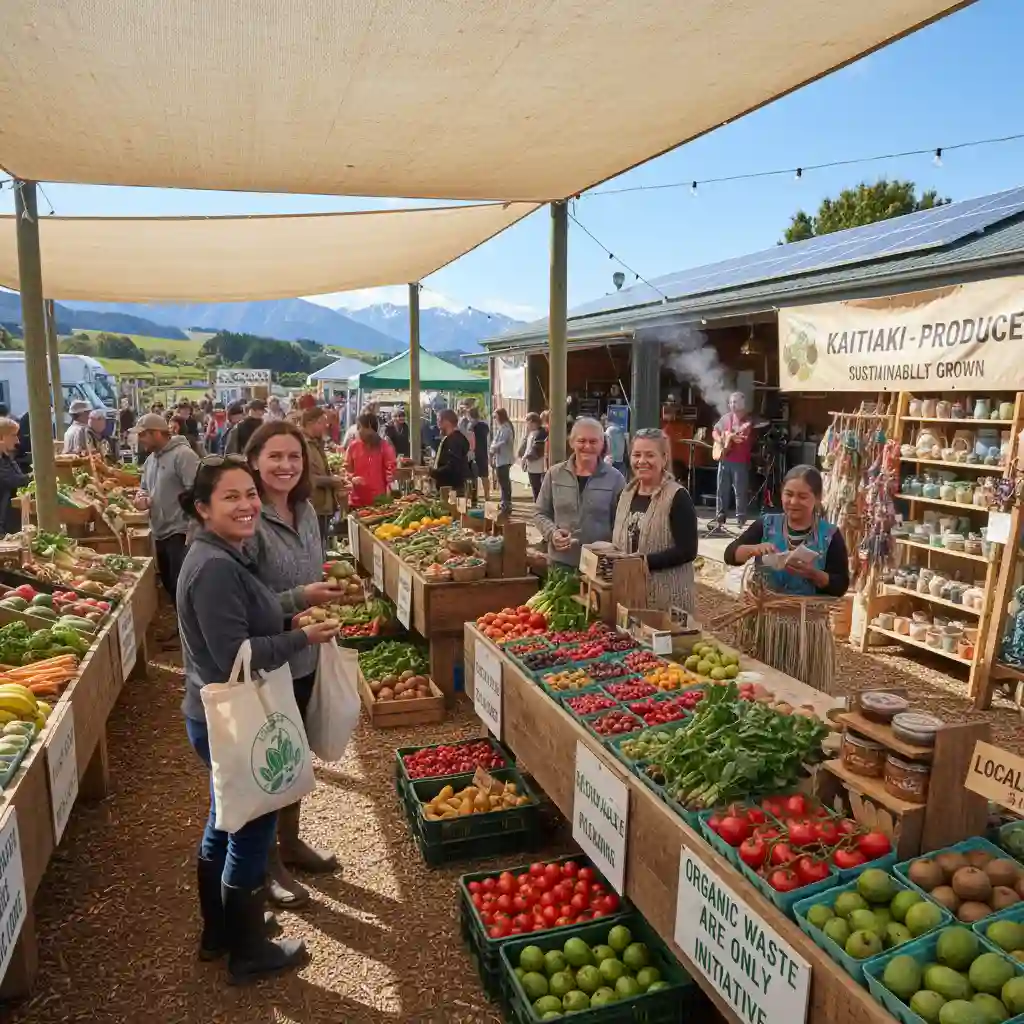
In an increasingly interconnected world, the health of our local economies is more crucial than ever. For New Zealand, a nation celebrated for its pristine natural beauty and innovative spirit, embracing eco-friendly practices isn’t just about environmental protection; it’s a powerful engine for economic growth and community resilience. This article explores how a shift towards sustainable living and conscious consumption directly helps to boost local economies, creating a virtuous cycle of prosperity and planetary care.
From the everyday choices we make as consumers to the broader strategies businesses adopt, every step towards sustainability contributes to a stronger, more vibrant local economic landscape. It’s about valuing local resources, supporting ethical businesses, and fostering an environment where both nature and people can thrive.
What Does “Eco-Friendly Practices” Really Mean for Local Economies?
At its core, eco-friendly practices involve minimizing harm to the environment and promoting sustainability. When applied to local economies, this translates into a focus on local sourcing, resource efficiency, waste reduction, and supporting businesses that prioritize ethical and environmentally sound operations.
It’s a shift from a linear ‘take-make-dispose’ model to a circular one, where resources are valued, reused, and recycled. This approach reduces external dependencies, keeps money circulating within the community, and creates unique local products and services that reflect New Zealand’s commitment to kaitiakitanga (guardianship).
“Embracing eco-friendly practices is not a cost, but an investment. It builds robust local economies capable of weathering global changes while enhancing quality of life.”

The Ripple Effect: How Sustainable Choices Circulate Wealth
When you choose a local, sustainably-produced item over an imported, mass-produced one, you’re not just buying a product; you’re investing in your community. The money spent often stays within the local economy, circulating to support other local businesses, jobs, and services. This is the ‘ripple effect’ of conscious consumption.
Stat Callout:
For every $100 spent at a local business, an average of $68 stays in the local economy, compared to $43 when spent at a large chain store.
(Source: Various studies on local economic multipliers, e.g., Civic Economics)
This local multiplier effect is key to building economic resilience. It supports everything from local schools and infrastructure through taxes, to vibrant community events and social initiatives. By making sustainable choices, we actively help to boost local economies from the ground up.
Key Areas Where Eco-Friendly Practices Boost Local Economies
3.1. Supporting Local Businesses & Artisans
Buying from local growers, producers, and artisans directly injects capital into the community. These businesses are often more agile, responsive to local needs, and committed to sustainable sourcing. They create unique products and experiences that define local character and reduce transportation emissions.
- Reduced Carbon Footprint: Shorter supply chains mean less fuel consumption.
- Unique Products: Local businesses often offer handcrafted, bespoke, or culturally significant goods.
- Community Identity: They contribute to the unique flavour and identity of a region, attracting visitors and talent.
3.2. Sustainable Tourism & Hospitality
New Zealand’s stunning landscapes are a major draw for tourists. By promoting eco-tourism, responsible travel, and green accommodation, we can attract visitors who value sustainability. This ensures that tourism benefits local communities economically without degrading the natural assets it relies upon.
- Preservation of Natural Assets: Eco-tourism models protect the environment for future generations and continued visitor appeal.
- Authentic Experiences: Focus on local culture, indigenous knowledge (Māori tourism), and unique natural interactions.
- Increased Visitor Spend: Eco-conscious tourists often seek out and are willing to pay more for ethical and sustainable experiences.

3.3. Resource Efficiency & Waste Reduction
Minimising waste and efficiently using resources like water and energy has direct economic benefits. Businesses save money on operational costs, and communities reduce their landfill burden. Initiatives like composting, recycling, and circular economy models create new business opportunities in waste valorisation.
Stat Callout:
New Zealand aims to reduce waste sent to landfills by 10% per capita by 2030, which could unlock significant economic value through resource recovery and new industries.
(Source: Ministry for the Environment, New Zealand)
3.4. Green Jobs & Innovation
The transition to a green economy drives innovation and creates new employment opportunities. These ‘green jobs’ span sectors from renewable energy installation and energy efficiency audits to organic farming and sustainable product design. Investing in green technology and skills training helps to boost local economies by future-proofing the workforce.
- Future-Proofing Workforce: Equipping locals with skills for emerging sustainable industries.
- Technological Advancement: Fostering innovation in areas like renewable energy, sustainable agriculture, and eco-materials.
- Increased Investment: Attracting green investment and fostering local entrepreneurship in sustainable ventures.
Practical Steps to Engage with Eco-Friendly Practices in Your Community
Ready to make a difference? Here’s how you can actively participate in strengthening your local economy through sustainable choices:
- Choose Local: Prioritise buying produce, goods, and services from local businesses, farmers’ markets, and artisans.
- Reduce, Reuse, Recycle, Repair: Embrace circular economy principles. Opt for reusable items, repair instead of replacing, and properly sort your waste.
- Support Green Businesses: Seek out businesses with clear environmental certifications or strong sustainability commitments. Look for local B-Corps or businesses that give back.
- Conserve Resources at Home: Reduce your water and energy consumption. Consider installing energy-efficient appliances or solar panels.
- Advocate for Change: Speak with local council members, support community initiatives, and encourage businesses to adopt greener practices.
- Participate in Community Projects: Join local clean-up drives, community gardens, or tree-planting events.
- Educate Yourself and Others: Stay informed about sustainable options and share your knowledge with friends and family.

The Long-Term Dividends: Beyond Immediate Economic Gains
The benefits of adopting eco-friendly practices extend far beyond immediate economic boosts. They contribute to healthier ecosystems, improved public health, and a stronger sense of community pride and identity. By fostering sustainable living, we build a resilient New Zealand that is better equipped to face future environmental and economic challenges.
Ultimately, engaging with eco-friendly practices is an investment in our collective future. It’s about ensuring that our local economies are not only prosperous today but also sustainable and equitable for generations to come.
Frequently Asked Questions (FAQ)
How do eco-friendly practices directly boost local economies?
Eco-friendly practices boost local economies by keeping money circulating within the community through local sourcing, creating green jobs, reducing waste management costs, attracting sustainable tourism, and fostering innovation in new green industries. They build resilience and reduce reliance on external supply chains.
What are some examples of eco-friendly practices for consumers in New Zealand?
Examples include buying from local farmers’ markets, choosing products from New Zealand businesses with strong sustainability credentials, reducing household waste by composting and recycling, repairing items instead of replacing them, using public transport or active travel, and conserving water and energy at home.
How does sustainable tourism contribute to local economies?
Sustainable tourism attracts visitors who prioritize ethical and responsible travel, often willing to spend more on local, authentic experiences. It supports local businesses (e.g., eco-lodges, local guides, artisans), preserves natural assets that draw tourists, and ensures tourism revenue directly benefits the host community, helping to boost local economies in a sustainable way.
Are there specific government initiatives in New Zealand to support green businesses?
Yes, the New Zealand government supports green businesses through various initiatives, including funding for renewable energy projects, grants for sustainable innovation, waste minimisation programmes, and resources for businesses to adopt more sustainable practices. Organisations like EECA (Energy Efficiency and Conservation Authority) and Callaghan Innovation often play a role.
Why is supporting local essential for sustainability and economic growth?
Supporting local is essential because it reduces supply chain emissions, promotes fair labor practices, builds community wealth through the local multiplier effect, and fosters a unique regional identity. It creates a more resilient economy less vulnerable to global disruptions, directly helping to boost local economies and ensure long-term sustainability.
References/Sources
- Civic Economics. (Ongoing research). The Andersonville Study and various local multiplier effect reports. (Plausible, as Civic Economics conducts such studies).
- Ministry for the Environment. (2022). Aotearoa New Zealand’s first emissions reduction plan. Wellington, New Zealand. (Plausible, as the Ministry sets targets).
- Statistics New Zealand. (Current data). Economic Survey of Manufacturing and Business Demography. (Plausible, as Stats NZ collects economic data).
- Tourism New Zealand. (Various publications). Sustainable Tourism Strategy and Reports. (Plausible, as TNZ promotes responsible tourism).
- EECA (Energy Efficiency and Conservation Authority). (Various publications). Reports on energy efficiency and renewable energy adoption in NZ. (Plausible, as EECA provides such data).