Boost Community Engagement in Ocean Cleanup Initiatives
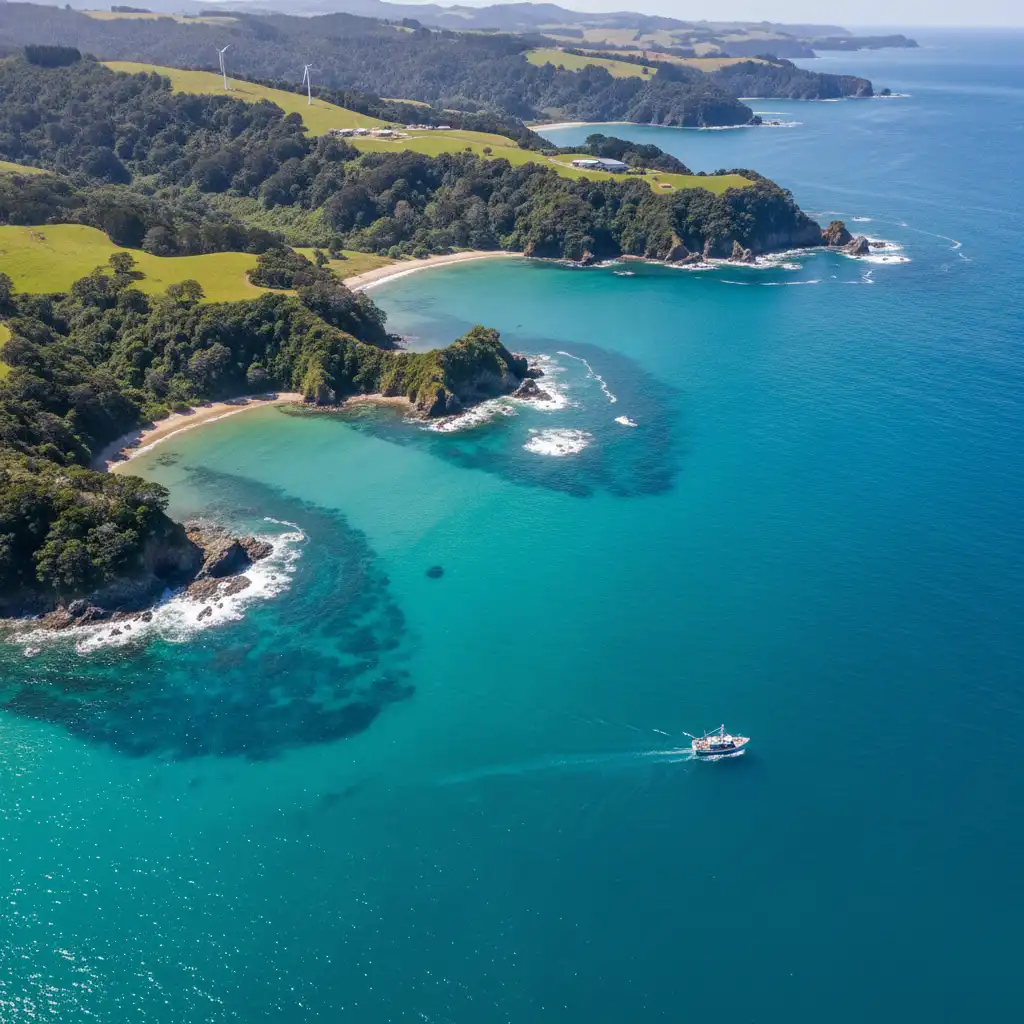
New Zealand’s pristine coastlines and vibrant marine ecosystems are a national treasure, but they face an ever-growing threat: ocean pollution. While dedicated organisations work tirelessly, the sheer scale of the problem demands a collective effort. The key to truly making a difference lies in our communities – empowering individuals to become stewards of our oceans.
This article dives into practical strategies and insights for organisations, local groups, and passionate individuals looking to boost community engagement in ocean cleanup initiatives across Aotearoa. By fostering a sense of shared responsibility and providing accessible pathways to participation, we can amplify our impact and safeguard our marine environment for generations to come.
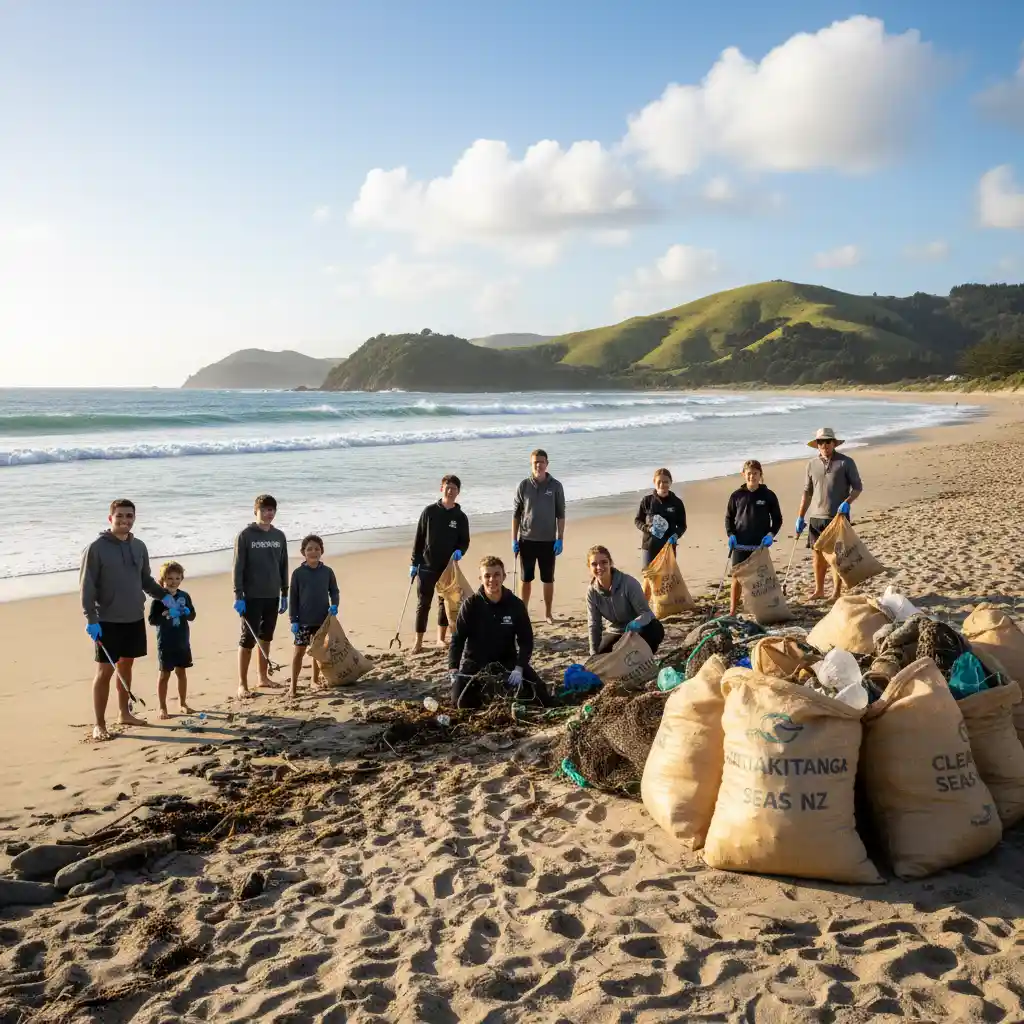
Table of Contents
- Why Community Engagement Matters More Than Ever
- Step-by-Step Guide: How to Boost Community Engagement
- Overcoming Common Challenges
- Conclusion: The Power of Collective Action
- Frequently Asked Questions (FAQ)
- References & Sources
Why Community Engagement Matters More Than Ever
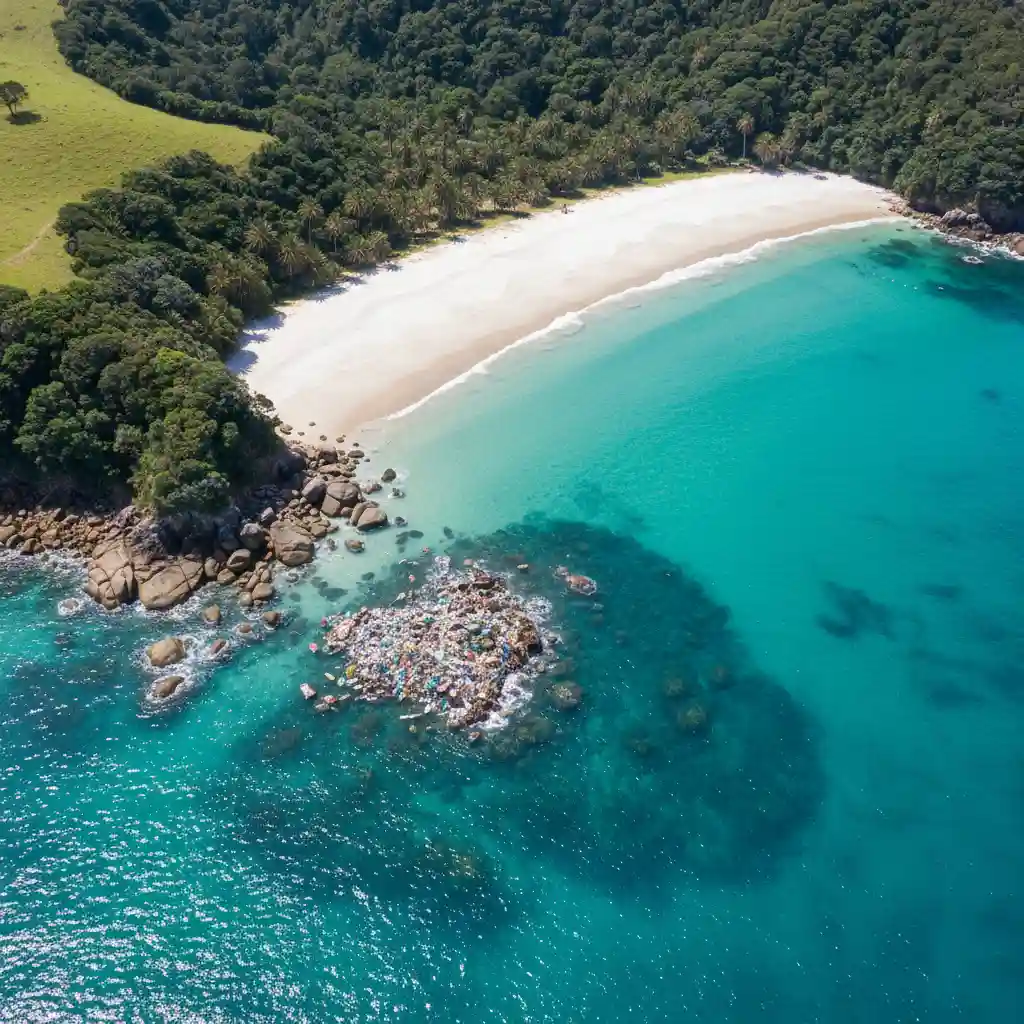
The challenge of ocean pollution is immense. Every year, millions of tonnes of plastic enter our oceans, impacting marine life, ecosystems, and even human health. In New Zealand, despite our strong conservation ethos, our beaches and waterways still bear the brunt of mismanaged waste and litter.
“Individual actions, multiplied by millions, can transform the world. Community engagement is not just about cleaning up; it’s about fostering a lasting culture of environmental stewardship and responsibility.” – Local Conservationist
While government initiatives and large-scale cleanups are vital, they often only scratch the surface. True, sustainable change comes from empowering local communities. Engaged communities provide:
- Increased Manpower: More hands make lighter work, covering larger areas and removing more debris.
- Local Knowledge: Residents often know their local coastlines best, identifying problem areas and pollution sources.
- Sustained Impact: Engaged communities are more likely to participate repeatedly and advocate for policy changes.
- Education & Awareness: Participation raises awareness about waste issues, fostering behaviour change beyond the cleanup itself.
Stat Callout: The Scale of the Challenge
8 million tonnes: The estimated amount of plastic entering our oceans annually worldwide.
~80% of marine debris: Originates from land-based sources.
Over 170,000 tonnes: The amount of litter collected by New Zealanders in annual cleanups over the last decade, showing the power of community action.
To effectively combat this, we must learn how to truly boost community engagement in ocean cleanup initiatives, turning passive concern into active participation.
Step-by-Step Guide: How to Boost Community Engagement
Building a thriving volunteer base for ocean cleanups requires thoughtful planning and execution. Here’s a strategic, step-by-step approach:
1. Understand Your Audience and Their Motivations
People participate for different reasons. Tailor your outreach to resonate with various groups:
- Environmental Enthusiasts: Appeal to their passion for conservation and direct impact.
- Families & Children: Frame it as an educational, outdoor activity. Provide kid-friendly tasks and safety measures.
- Social Groups & Friends: Emphasise the social aspect, teamwork, and making new connections.
- Corporate Teams: Offer team-building opportunities aligned with corporate social responsibility (CSR) goals.
- Local Businesses & Iwi: Highlight community pride and the importance of kaitiakitanga (guardianship).
Tip: Conduct informal surveys or discussions to understand what motivates your local community.
2. Craft Compelling Narratives and Vision
Facts alone aren’t always enough. People are moved by stories and a clear vision of positive change. Tell the story of your local environment and how pollution affects it, then paint a picture of what a cleaner ocean means for everyone.
- Highlight Local Impact: Show specific local areas or species benefiting from cleanups.
- Share Success Stories: Feature volunteers, their dedication, and the tangible results of their efforts.
- Connect to Values: Link cleanup efforts to shared New Zealand values like kaitiakitanga and community wellbeing.
- Be Transparent: Share what happens to the collected waste (e.g., proper disposal, recycling initiatives).
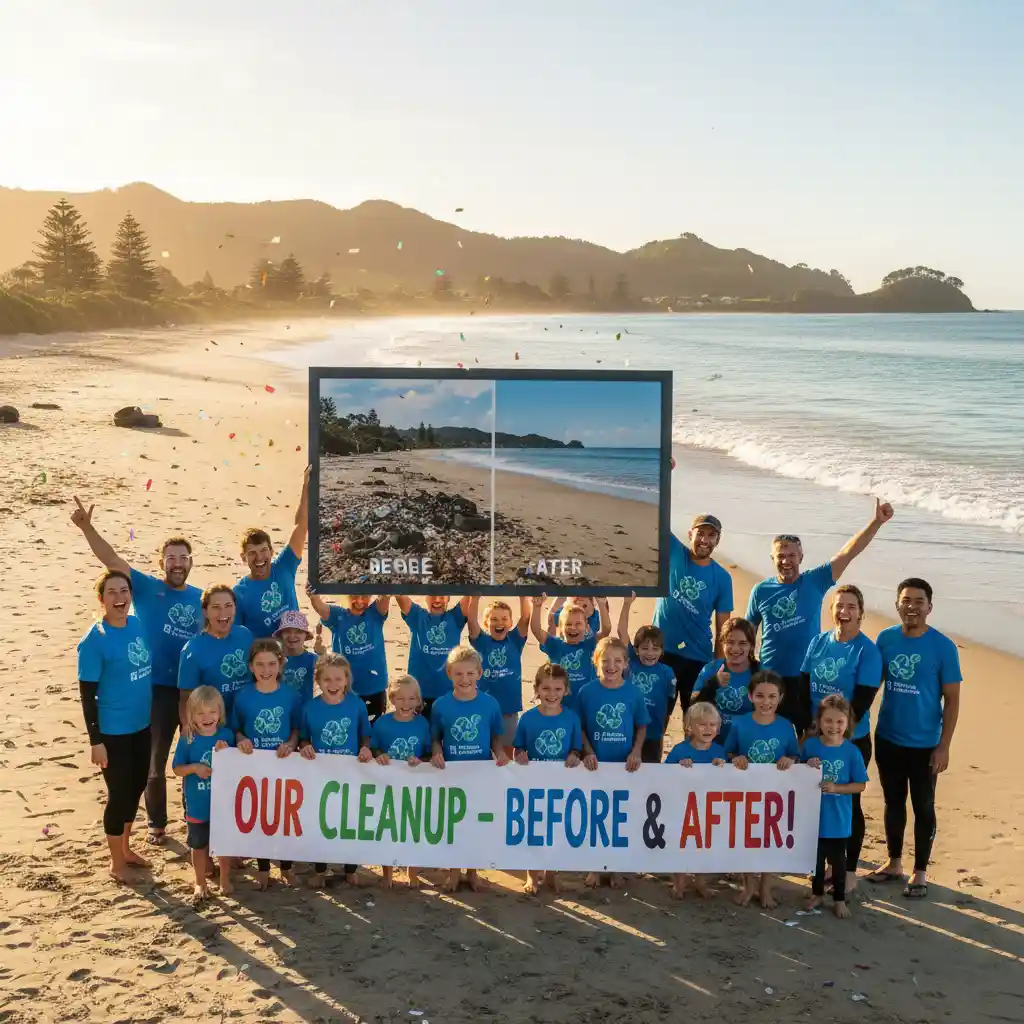
3. Make Participation Accessible and Rewarding
Remove barriers and create a positive, inclusive experience:
- Simple Registration: Easy online sign-up forms.
- Flexible Scheduling: Offer various dates, times (weekends, weekdays, evenings), and durations to suit different schedules.
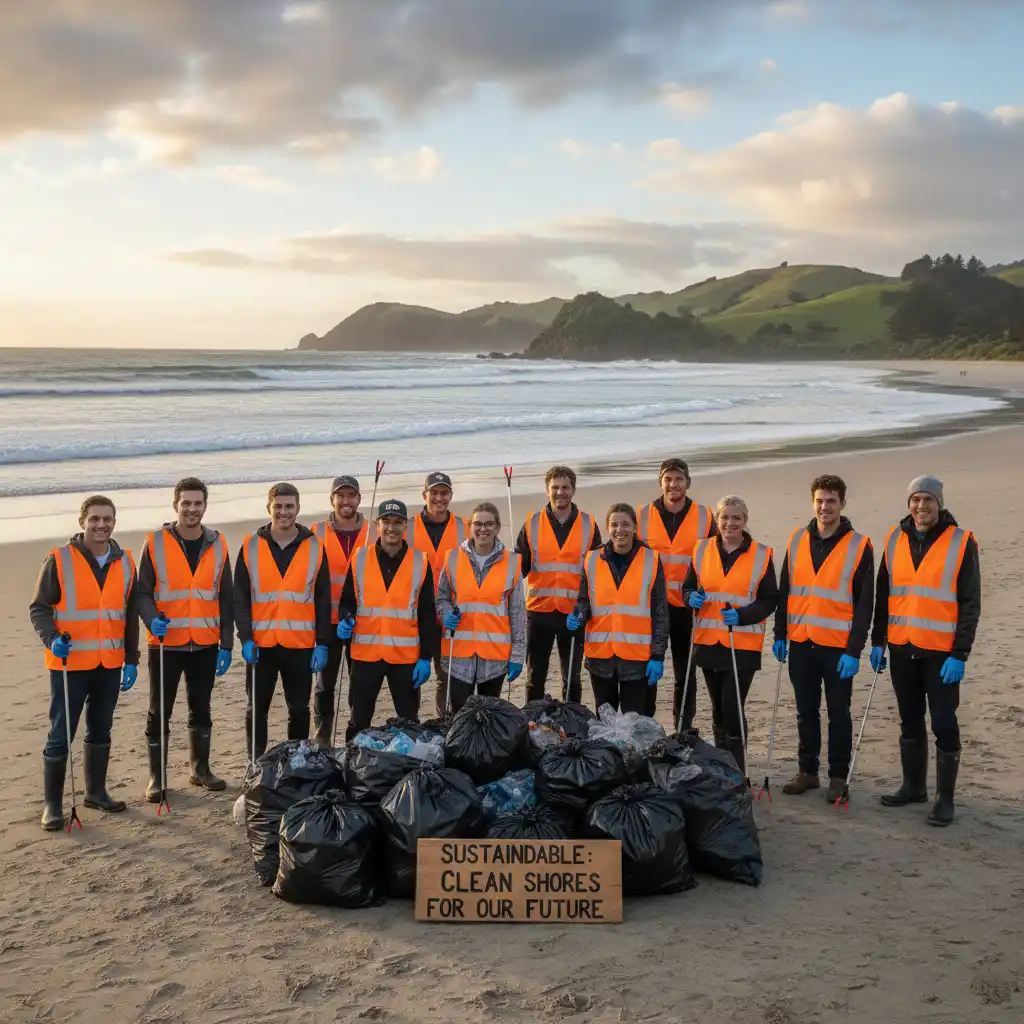
- Clear Logistics: Provide all necessary equipment (gloves, bags, safety briefings), clear instructions, and designated meeting points.
- Varied Roles: Not everyone wants to pick up trash. Offer roles in data collection, photography, volunteer registration, or education.
- Positive Atmosphere: Make it fun and social. Provide refreshments, music, or a debrief session.
- Recognition: Acknowledge volunteers publicly, through social media, certificates, or local media coverage.
4. Leverage Partnerships and Technology
Collaborate to extend your reach and efficiency:
- Local Businesses: Partner for sponsorship, supplies, refreshments, or promotional support.
- Schools & Universities: Engage students through educational programmes and volunteer opportunities.
- Iwi & Community Groups: Collaborate with local Māori trusts and community associations for deeper local integration and cultural relevance.
- Social Media: Use platforms like Facebook, Instagram, and local community groups to promote events, share stories, and recruit volunteers.
- Mapping & Reporting Apps: Utilise apps that allow volunteers to report findings (types of litter, hotspots) to contribute to citizen science data.
5. Celebrate Success and Foster Retention
Acknowledge the hard work and impact of your volunteers to build a loyal community:
- Share Results: Quantify the impact – number of bags collected, kilometres cleaned, marine life saved.
- Thank You Events: Host small appreciation gatherings or picnics.
- Regular Communication: Keep volunteers informed about future events, ongoing campaigns, and related news.
- Create Leadership Opportunities: Empower experienced volunteers to become team leaders or organisers.
Overcoming Common Challenges
Even with the best intentions, challenges can arise. Here are a few common hurdles and how to address them:
- Volunteer Fatigue: Offer shorter, more frequent cleanups instead of long, arduous ones. Rotate locations to keep things fresh.
- Lack of Awareness: Boost promotion through local media, community boards, and social media influencers. Partner with schools for outreach.
- Logistical Hurdles: Seek council support for waste disposal. Recruit dedicated logistics volunteers for equipment transport and setup.
- Weather Dependence: Have a clear contingency plan for bad weather, including communication protocols and alternative indoor activities (e.g., sorting collected waste).
Conclusion: The Power of Collective Action
The health of New Zealand’s oceans is a shared responsibility. By strategically working to boost community engagement in ocean cleanup initiatives, we don’t just pick up rubbish – we cultivate a powerful movement of environmental custodians. Every hand, every hour, and every piece of collected waste contributes to a healthier, more vibrant marine future for Aotearoa. Let’s inspire action, foster connection, and clean our coastlines together.
Frequently Asked Questions (FAQ)
Q: How can I start an ocean cleanup initiative in my local New Zealand community?
A: Start by connecting with local environmental groups or your local council to understand existing efforts and regulations. Gather a small group of passionate individuals, identify a problem area, and plan your first event. Utilise social media and local community boards to promote it. Remember to prioritise safety and proper waste disposal.
Q: What kind of waste is typically found during ocean cleanups in New Zealand?
A: Common items include plastic bottles, food wrappers, fishing gear (lines, buoys, nets), plastic bags, cigarette butts, and microplastics. Larger items like tyres, appliances, and even abandoned boats can also be found, especially in estuaries and harbours.
Q: What are the best ways to keep volunteers engaged after their first cleanup?
A: To foster retention, consistently communicate impact by sharing results (e.g., total weight of rubbish collected). Recognise and thank volunteers publicly. Offer diverse roles and responsibilities, create social opportunities, and keep them informed about future events or broader conservation efforts they are contributing to.
Q: Are there any specific safety precautions for ocean cleanup volunteers?
A: Yes, safety is paramount. Volunteers should wear sturdy, closed-toe shoes, gloves, and sun protection (hat, sunscreen). Be aware of tides, sharp objects, and hazardous waste. Children should always be supervised. A thorough safety briefing should be given before every cleanup, and first-aid kits should be readily available.
References & Sources
- Ministry for the Environment. (Various Years). New Zealand’s Environmental Reporting Series. Retrieved from environment.govt.nz
- Ocean Conservancy. (Annual Reports). International Coastal Cleanup Data. Retrieved from oceanconservancy.org
- WWF New Zealand. (Reports & Initiatives). Marine Conservation Programmes. Retrieved from wwf.org.nz
- The Plastic Pollution Coalition. (Research & Articles). Impact of Plastic Pollution. Retrieved from plasticpollutioncoalition.org
- Surfrider Foundation Aotearoa. (Community Resources). Beach Cleanup Guides. Retrieved from surfrider.org.nz