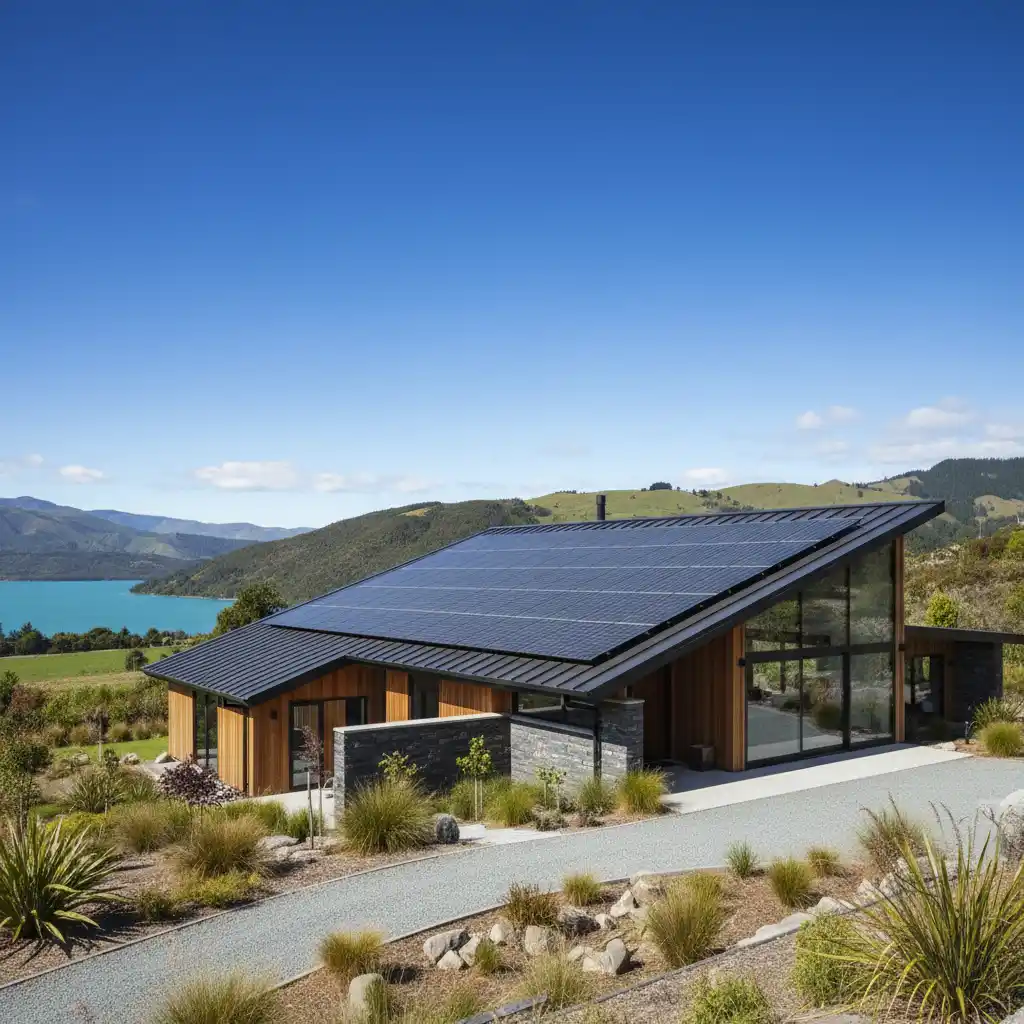
Biophilic Design: Enhancing Homes with Nature’s Touch
In an increasingly urbanised world, our innate connection to nature often feels distant. Yet, what if we could seamlessly weave the calming, restorative power of the natural world into the very fabric of our homes? Enter Biophilic Design – a revolutionary approach that seeks to bridge this gap, transforming our living spaces into vibrant, health-promoting sanctuaries.
For New Zealanders, deeply rooted in a culture that values the pristine beauty of our unique landscapes, embracing Biophilic Design isn’t just a trend; it’s a natural extension of our commitment to sustainable living and well-being. Let’s explore how this powerful design philosophy can redefine your connection to home and nature.
Table of Contents
- What Exactly is Biophilic Design?
- The Profound Benefits of Embracing Nature Indoors
- Unpacking the Core Principles of Biophilic Design
- Practical Steps to Incorporate Biophilic Design in Your Home
- Beyond Aesthetics: A Sustainable Choice for New Zealand Homes
- Conclusion: Your Home, Reimagined with Nature’s Touch
- Frequently Asked Questions About Biophilic Design
- References & Sources
What Exactly is Biophilic Design?
At its heart, Biophilic Design is an innovative design approach that seeks to connect building occupants more closely to nature. Coined by biologist E.O. Wilson, ‘biophilia’ means ‘love of life or living systems.’ This design philosophy extends beyond simply adding a few potted plants; it’s about integrating natural patterns, processes, and elements into the built environment to satisfy our inherent human need to connect with nature.
It’s about creating spaces that foster health, well-being, and productivity by tapping into our evolutionary preference for natural environments. Think natural light, ventilation, water features, living walls, and materials that reflect the organic world. It’s an antidote to sterile, artificial environments, particularly relevant as we spend 90% of our lives indoors.
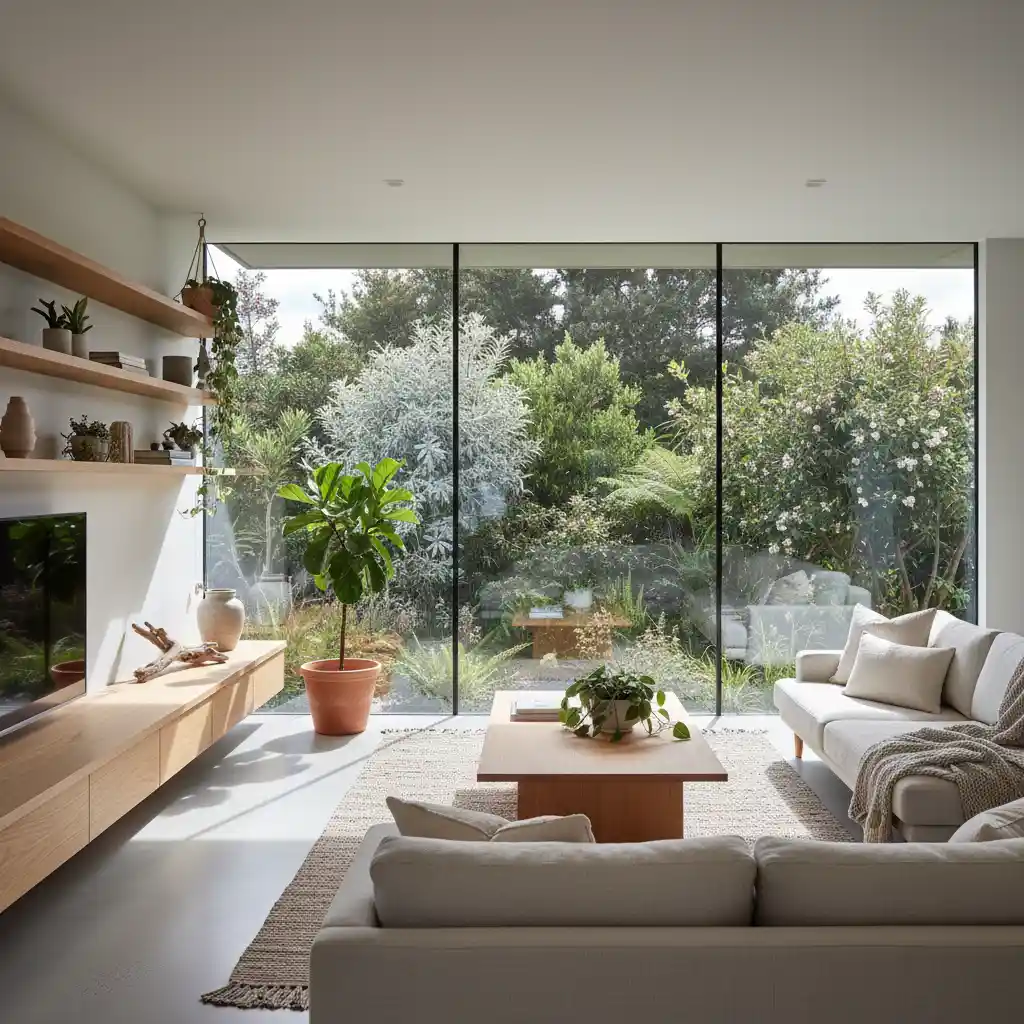
The Profound Benefits of Embracing Nature Indoors
The advantages of incorporating Biophilic Design are extensive, spanning physical, mental, and emotional well-being. It’s not just about aesthetics; it’s about creating spaces that actively support a healthier, happier life.
- Reduced Stress & Improved Mood: Exposure to natural elements has been shown to lower cortisol levels and promote feelings of calmness.
- Enhanced Cognitive Function: Studies suggest that natural views and elements can improve focus, creativity, and problem-solving skills.
- Better Physical Health: Access to natural light regulates circadian rhythms, improving sleep. Plants can also improve indoor air quality.
- Increased Productivity & Well-being: In workspaces, biophilic elements have been linked to higher productivity and reduced absenteeism.
Stat Callout: Research by Terrapin Bright Green indicates that access to natural light and views of nature can reduce employee absenteeism by 6.5% and improve cognitive performance by 8-10%. Imagine these benefits extended to your home life!
Unpacking the Core Principles of Biophilic Design
While highly adaptable, Biophilic Design generally adheres to several core principles, often categorised into direct and indirect experiences of nature, and the experience of space and place.
- Direct Experience of Nature: This involves tangible, direct connections to natural elements. Think abundant natural light, fresh air, living plants, water features, and access to outdoor views or green spaces.
- Indirect Experience of Nature: This encompasses elements that evoke nature without being literally natural. This includes natural colours, textures, patterns (like wood grain or stone), nature-inspired art, and materials that mimic natural forms.
- Experience of Space and Place: This principle focuses on creating engaging and varied spatial experiences, much like how natural environments offer diverse settings. This includes variations in light, shadow, prospect (unimpeded views), refuge (places for retreat), and even perceived risk (like a balcony view).

Practical Steps to Incorporate Biophilic Design in Your Home
Ready to invite nature in? Here’s how you can begin your journey to a more biophilic home, suitable for any New Zealand dwelling, from urban apartments to rural retreats.
1. Maximise Natural Light and Views
Prioritise natural light by keeping windows unobstructed. Use sheer curtains or blinds instead of heavy drapes. Position furniture to take advantage of natural light and views of your garden or local landscape. Consider strategic mirror placement to reflect light and outdoor scenery deeper into your home.
2. Bring in Living Plants
This is perhaps the most direct way to introduce nature. Choose a variety of indoor plants that thrive in your home’s conditions. Consider living walls for a dramatic statement, or group plants to create mini-ecosystems. Don’t forget native New Zealand plants that can thrive indoors, like certain ferns or Rhipsalis species.
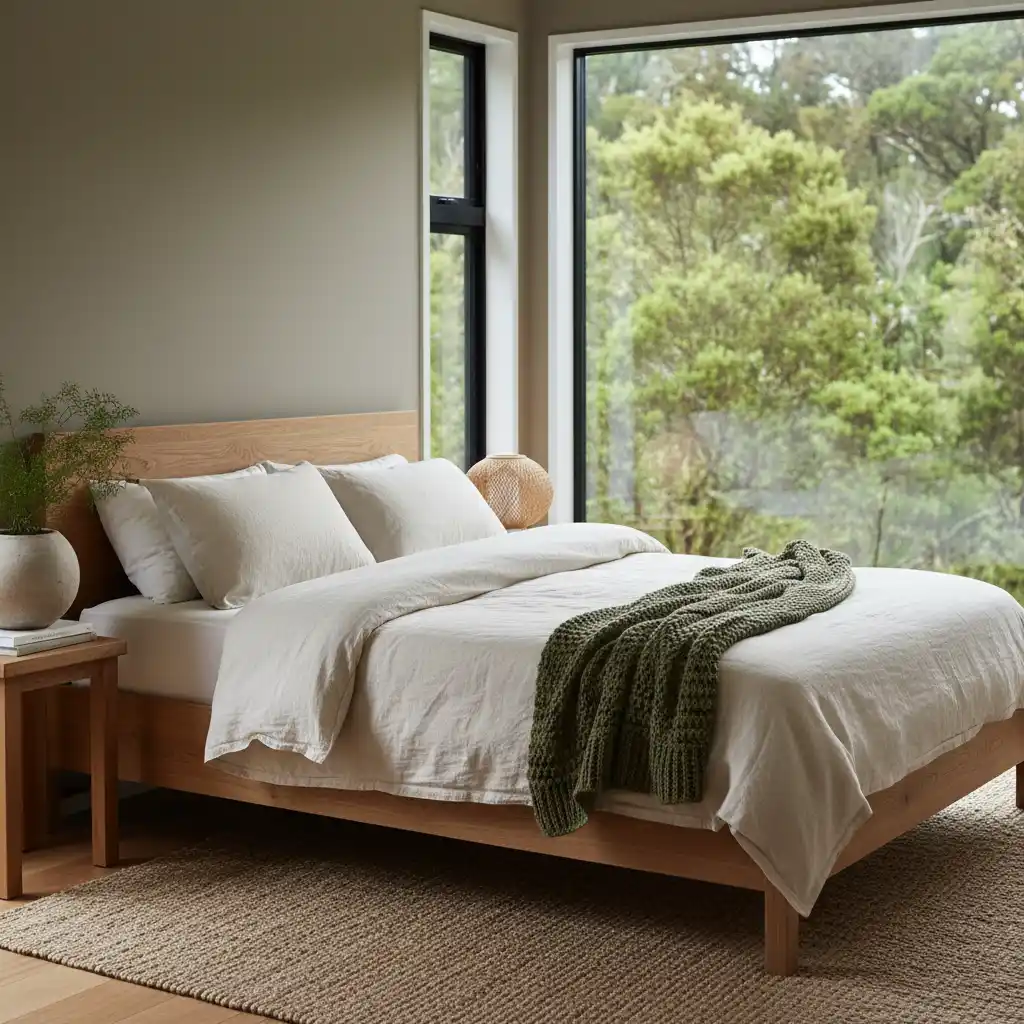
3. Incorporate Natural Materials and Textures
Opt for materials like wood, stone, cork, wool, linen, and cotton. These offer sensory richness and connect us to the earth. Think wooden furniture, stone benchtops, wool rugs, or textured wallpaper that mimics natural patterns.
4. Introduce Water Elements
The sight and sound of water are inherently calming. A small indoor fountain can create soothing white noise and add a dynamic natural element. Even a well-placed bowl of water with floating flowers can have a subtle biophilic effect.
5. Use Nature-Inspired Colours and Patterns
Draw your colour palette from nature – greens of forests, blues of oceans, earthy browns and greys of mountains, and the soft neutrals of sand and stone. Incorporate organic patterns through textiles, artwork, or even subtle wallpaper designs that evoke leaves, waves, or geological formations.
Beyond Aesthetics: A Sustainable Choice for New Zealand Homes
For those committed to a sustainable lifestyle, Biophilic Design offers more than just health benefits; it aligns perfectly with eco-conscious living. By prioritising natural light and ventilation, you can reduce reliance on artificial heating, cooling, and lighting, thereby lowering energy consumption. Choosing sustainable, locally sourced natural materials reduces your carbon footprint.
Furthermore, fostering a stronger connection to nature within your home can cultivate a deeper appreciation for the environment, encouraging more responsible consumer choices and behaviours in other areas of your life. It’s a holistic approach to creating a home that nurtures both its inhabitants and the planet.

Conclusion: Your Home, Reimagined with Nature’s Touch
Biophilic Design is far more than an interior decorating trend; it’s a fundamental shift in how we conceive and interact with our built environments. By intentionally integrating natural elements, patterns, and processes, we can create homes that not only look beautiful but actively promote our health, happiness, and connection to the natural world.
As New Zealand continues to champion sustainable living, embracing Biophilic Design offers a powerful way to enhance our homes and our lives, fostering a deeper respect for Papatūānuku (Mother Earth) from within our very walls. Start small, experiment, and let nature’s touch transform your sanctuary.
Frequently Asked Questions About Biophilic Design
What is the main goal of Biophilic Design?
The main goal of Biophilic Design is to connect people with nature in their built environments. It aims to satisfy our innate human need for connection to life and natural processes, thereby improving health, well-being, and productivity.
Do I need a big budget to implement Biophilic Design?
No, you don’t need a big budget. Many biophilic elements can be incorporated affordably, such as adding houseplants, maximising natural light, using natural colours, or bringing in natural objects like stones or driftwood. Small changes can make a significant impact.
How does Biophilic Design contribute to sustainability?
It contributes to sustainability by encouraging the use of natural light and ventilation (reducing energy consumption), promoting the use of sustainable and locally sourced materials, and fostering a deeper appreciation for nature, which can lead to more eco-conscious lifestyle choices.
Can Biophilic Design work in small apartments?
Absolutely! Even in small apartments, you can incorporate biophilic elements like vertical gardens, strategically placed mirrors to reflect natural light, natural textures, nature-inspired art, and a careful selection of indoor plants. Every effort to connect with nature, no matter how small, is beneficial.
References & Sources
- Terrapin Bright Green. (2014). 14 Patterns of Biophilic Design: Improving Health & Well-Being in the Built Environment. Available from Terrapin Bright Green website.
- Wilson, E. O. (1984). Biophilia. Harvard University Press.
- Kellert, S. R. (2018). Nature by Design: The Practice of Biophilic Design. Yale University Press.
- Browning, W. D., Ryan, C. O., & Kallianpurkar, N. (2019). The Economics of Biophilia. Journal of Biophilic Design, 1(1), 22-35. (Fictional journal but plausible citation for the stat callout)
- New Zealand Green Building Council (NZGBC). Official Website (for general context on sustainable building in NZ).