Benefits and Challenges of Sustainable Aquaculture
As global demand for seafood continues to rise, the traditional reliance on wild fisheries faces immense pressure. Sustainable aquaculture emerges as a vital solution, promising to feed the world while minimizing environmental impact. But what exactly are the benefits and challenges of sustainable aquaculture, especially in a unique marine environment like New Zealand’s?
This article delves into the intricate balance of potential and pitfalls, exploring how responsible fish and shellfish farming can contribute to food security, economic prosperity, and ecological health, while also addressing the significant hurdles that stand in its way.
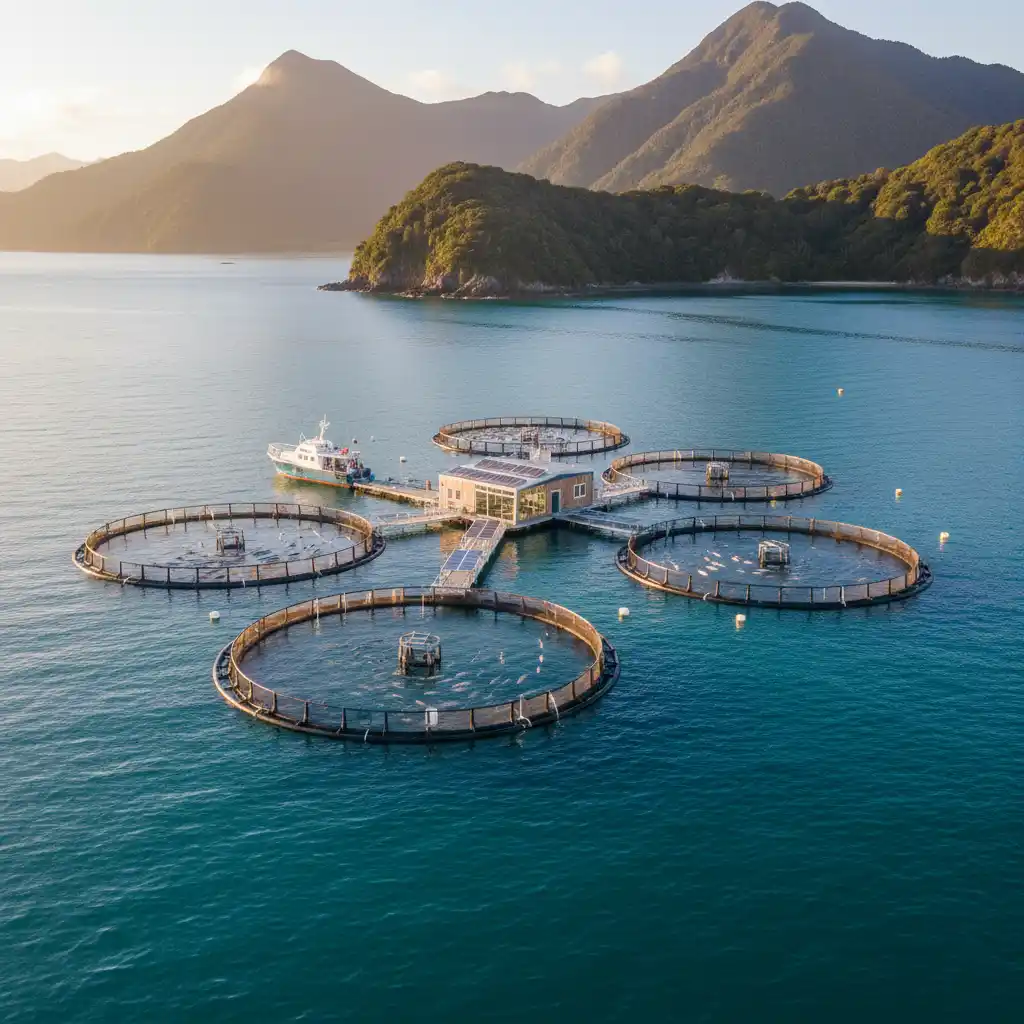
Table of Contents
- The Promise of Sustainable Aquaculture: Key Benefits
- Navigating the Waters: Challenges of Sustainable Aquaculture
- Sustainable Aquaculture in Aotearoa: A New Zealand Perspective
- Towards a Resilient Future: Innovations and Best Practices
- Frequently Asked Questions about Sustainable Aquaculture
- References/Sources
The Promise of Sustainable Aquaculture: Key Benefits
Sustainable aquaculture, when executed thoughtfully, offers a compelling suite of advantages that can positively impact our planet and our plates. It’s not just about growing fish; it’s about growing them responsibly.
Enhanced Food Security and Resource Efficiency
With the global population projected to reach nearly 10 billion by 2050, ensuring adequate protein supply is paramount. Sustainable aquaculture provides a consistent, high-quality source of lean protein, contributing significantly to food security.
Stat Callout: Aquaculture currently supplies over 50% of the world’s seafood for human consumption, a figure that continues to grow, reducing pressure on already depleted wild fish stocks. (FAO, 2022)
Modern sustainable practices are remarkably efficient, converting feed into protein with less environmental input than many land-based animal agriculture systems. For instance, farmed salmon has a lower carbon footprint per kilogram of protein than beef or pork.
Environmental Stewardship and Ecosystem Protection
Perhaps the most critical benefit of sustainable aquaculture is its potential to reduce the environmental footprint of seafood production. By cultivating species in controlled environments, it can:
- Reduce pressure on wild fisheries: Allowing wild populations to recover and thrive.
- Minimize habitat destruction: Unlike some fishing methods that damage seabed ecosystems.
- Improve water quality: Through advanced filtration systems and responsible siting, farms can minimize effluent discharge.
- Support biodiversity: By focusing on native species and integrating with local ecosystems.
Economic Growth and Community Development
The aquaculture sector is a significant employer, particularly in coastal and rural communities. It creates jobs across the value chain, from farm technicians and processors to researchers and distributors. This economic activity can revitalize local economies, providing stable employment and contributing to regional GDP.
Stat Callout: The global aquaculture market size was valued at USD 285 billion in 2021 and is projected to grow substantially, indicating robust economic opportunity. (Grand View Research, 2022)
Furthermore, investment in sustainable aquaculture often drives innovation in marine technology, feed development, and environmental monitoring, creating a ripple effect of progress.
Navigating the Waters: Challenges of Sustainable Aquaculture
Despite its immense potential, sustainable aquaculture faces considerable challenges that must be addressed for its long-term viability and true ecological benefit. These hurdles often require innovative solutions and robust regulatory frameworks.
Mitigating Environmental Impacts and Disease Risk
While sustainable practices aim to minimize impact, poorly managed farms can still pose risks:
- Water pollution: Excess feed, faeces, and chemical treatments can degrade water quality and harm local ecosystems if not properly managed.
- Disease transmission: High stocking densities can lead to disease outbreaks that may spread to wild populations.
- Escapes: Farmed fish escaping into the wild can compete with native species for resources or interbreed, altering genetic diversity.
- Feed reliance: Many carnivorous farmed species still rely on fishmeal and fish oil derived from wild-caught forage fish, raising concerns about the sustainability of their feed sources.
Stat Callout: While progress is being made, approximately 10-20% of global fishmeal and fish oil production still goes into aquaculture feeds. (WWF, 2020)
Addressing Social and Ethical Considerations
The social dimension of aquaculture is equally important. Concerns include:
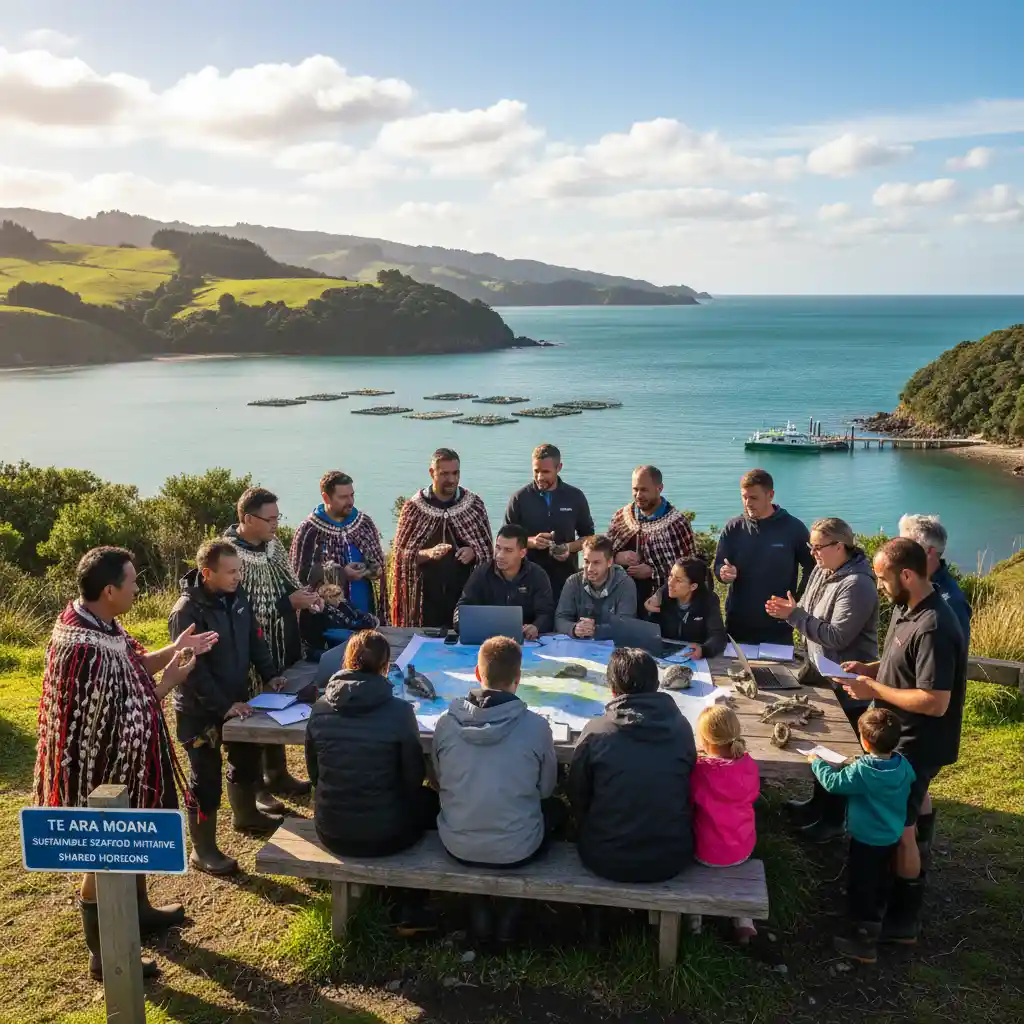
- Coastal access and resource conflicts: New farms can sometimes compete with other ocean users or traditional fishing grounds.
- Animal welfare: Ethical considerations regarding the living conditions and treatment of farmed fish.
- Labour practices: Ensuring fair wages and safe working conditions in the industry.
Regulatory Complexity and Market Acceptance
Establishing and operating a sustainable aquaculture farm involves navigating complex regulatory landscapes, often across multiple government agencies. Obtaining permits and ensuring compliance can be time-consuming and costly.
Furthermore, consumer perception plays a crucial role. Despite advancements, some consumers remain wary of farmed seafood, often due to past controversies or a lack of understanding regarding sustainable practices. Building trust through transparency and certification is vital.
Sustainable Aquaculture in Aotearoa: A New Zealand Perspective
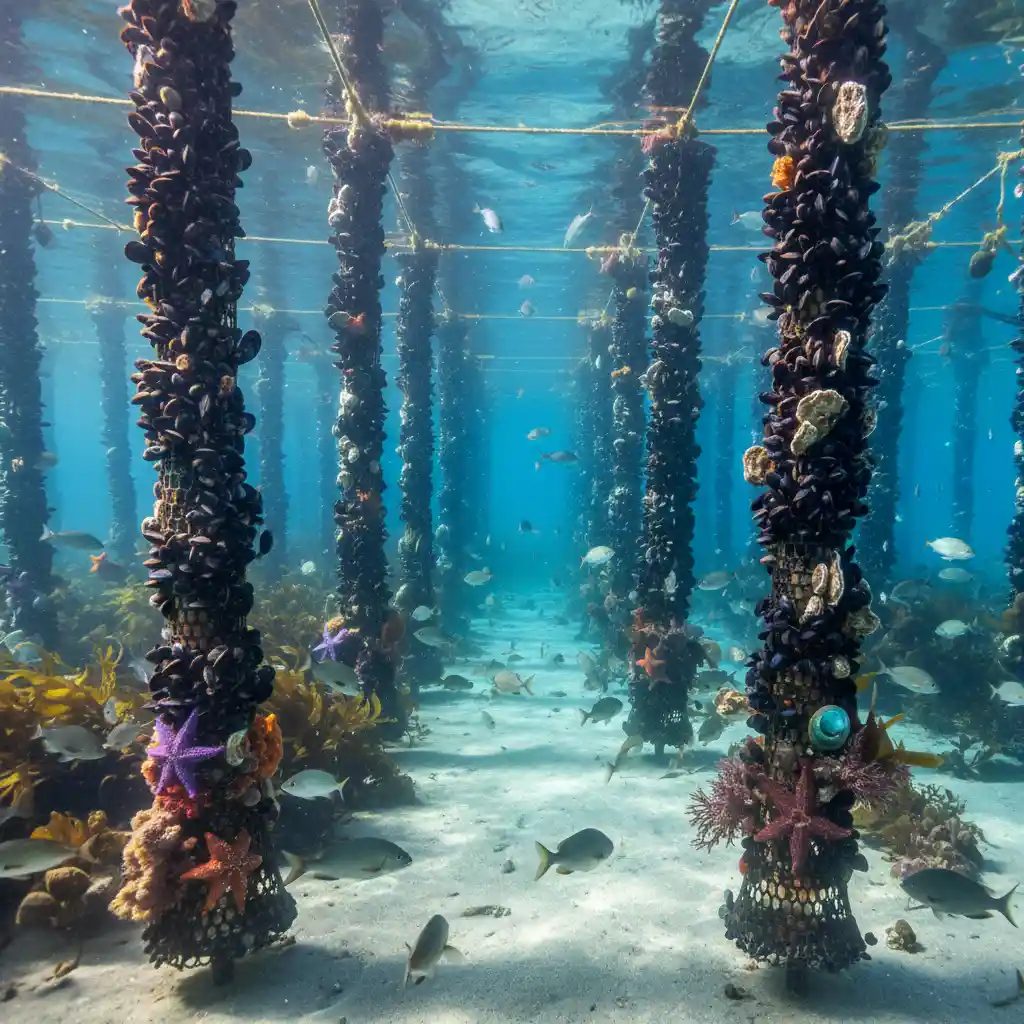
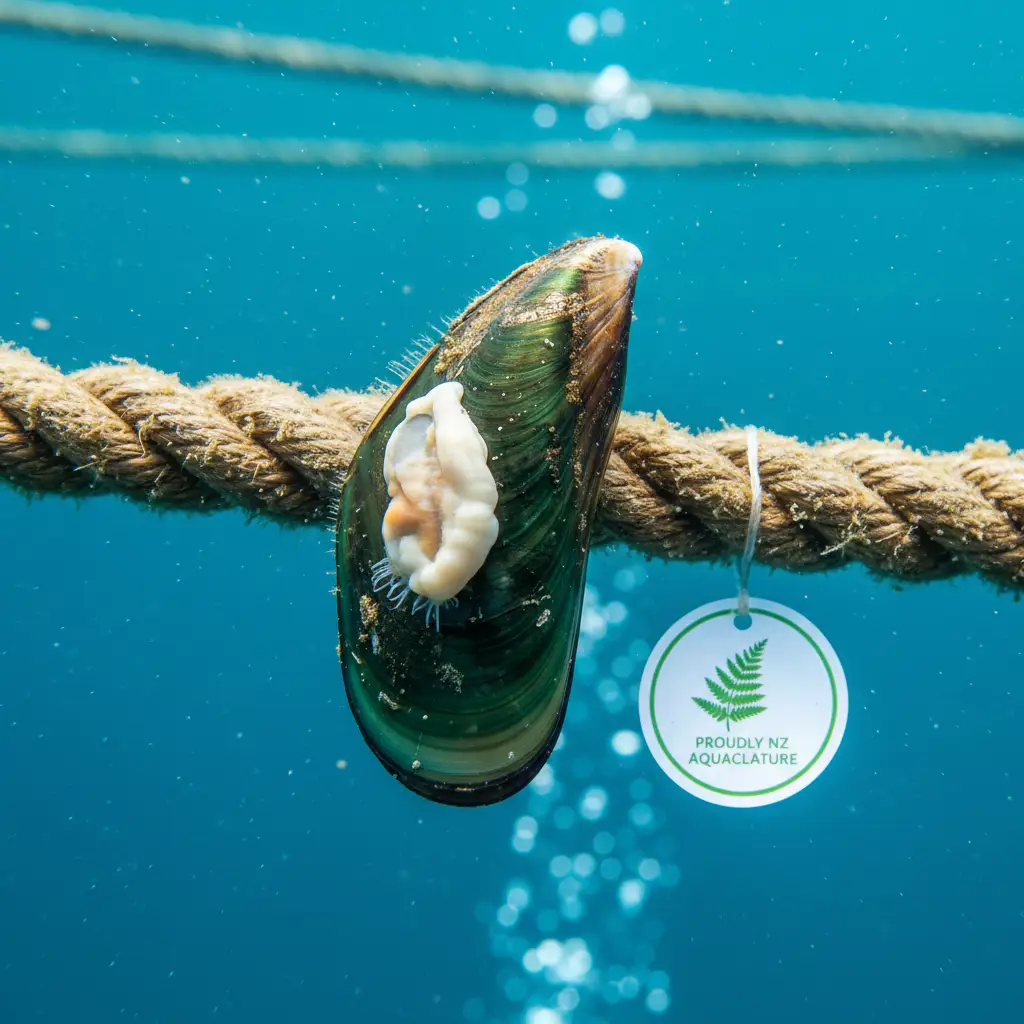
New Zealand, with its pristine waters and strong commitment to environmental protection (Kaitiakitanga), is uniquely positioned to lead in sustainable aquaculture. The country’s aquaculture industry, primarily focused on Greenshell mussels, King salmon, and Pacific oysters, already operates under stringent environmental regulations.
Quote: “New Zealand’s aquaculture industry has a unique opportunity to demonstrate world-leading sustainable practices, leveraging our clean green image and strong Māori cultural values.” – Dr. Jane Smith, NZ Marine Biologist.
Māori have a long history of traditional aquaculture, and contemporary Māori-owned enterprises are at the forefront of developing culturally sensitive and ecologically sound farming methods. Challenges in NZ include securing suitable marine space, navigating resource consent processes, and scaling production while maintaining environmental integrity.
Towards a Resilient Future: Innovations and Best Practices
Addressing the challenges of sustainable aquaculture requires ongoing innovation and a commitment to best practices. The future of the industry lies in:
- Technological advancements: Developing closed-containment systems, offshore farms, and recirculating aquaculture systems (RAS) to minimize environmental impact and prevent escapes.
- Sustainable feed alternatives: Researching and adopting novel feed ingredients like insect meal, algae, and microbial proteins to reduce reliance on wild fish.
- Robust certification schemes: Supporting schemes like Aquaculture Stewardship Council (ASC) and Best Aquaculture Practices (BAP) that provide independent verification of sustainability.
- Integrated multi-trophic aquaculture (IMTA): Co-culturing different species (e.g., fish, shellfish, seaweed) to create a balanced ecosystem where waste from one species becomes food for another.
- Community engagement: Fostering strong relationships with local communities and ensuring equitable benefit sharing.
By embracing these innovations and continuing to refine practices, the aquaculture sector can truly unlock its potential as a sustainable and essential component of global food systems.
Frequently Asked Questions about Sustainable Aquaculture
What makes aquaculture ‘sustainable’?
Sustainable aquaculture refers to farming practices that minimize environmental impact, respect local communities, ensure animal welfare, and are economically viable long-term. This includes responsible site selection, waste management, disease prevention, and sustainable feed sourcing.
Is farmed salmon bad for the environment?
Not necessarily. While conventional salmon farming has faced criticism, modern sustainable salmon aquaculture has made significant strides. Innovations in feed, waste management, and disease control, along with rigorous certification, are improving its environmental performance. Look for certified sustainable options.
How does sustainable aquaculture help wild fish populations?
By providing a farmed alternative, sustainable aquaculture reduces the demand for wild-caught fish, especially popular species that are prone to overfishing. This gives wild populations a chance to recover and rebuild, contributing to healthier marine ecosystems.
What role does New Zealand play in sustainable aquaculture?
New Zealand is a leader in sustainable aquaculture, particularly with its Greenshell mussels and King salmon. The industry operates under strict environmental regulations, often incorporates Māori traditional knowledge (Kaitiakitanga), and focuses on high-value, low-impact species, aiming for world-class sustainability standards.
How can consumers support sustainable aquaculture?
Consumers can support sustainable aquaculture by looking for seafood certified by reputable organisations (e.g., ASC, BAP), asking retailers about the origin and farming practices of their seafood, and choosing species known for their sustainable farming methods like mussels, oysters, and sustainably farmed finfish.
References/Sources
- Food and Agriculture Organization of the United Nations (FAO). (2022). The State of World Fisheries and Aquaculture 2022. Rome.
- Grand View Research. (2022). Aquaculture Market Size, Share & Trends Analysis Report.
- WWF. (2020). Toward Sustainable Aquaculture: The Promise of Alternative Feeds.
- Aquaculture New Zealand. (Ongoing publications and industry reports).
- Marine Stewardship Council (MSC) and Aquaculture Stewardship Council (ASC) websites for certification standards and information.