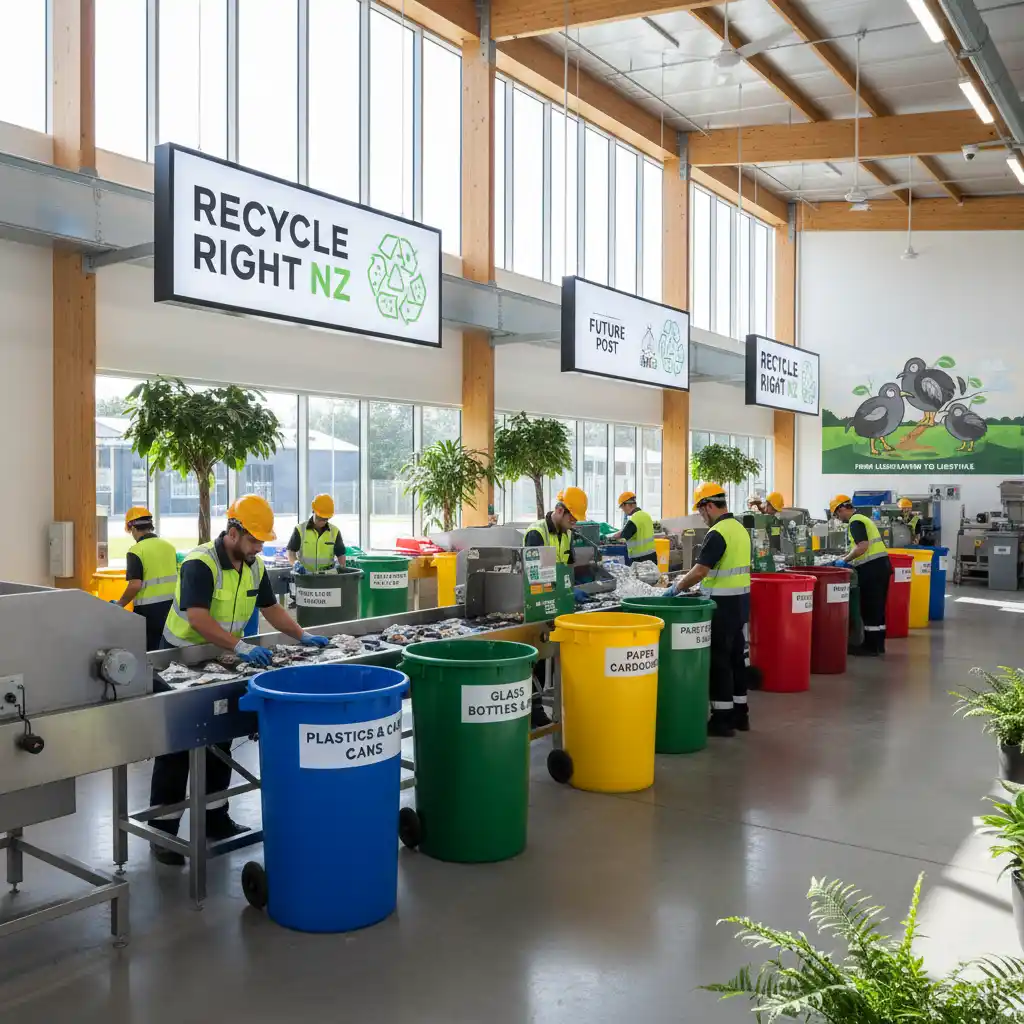
Assessing the Waste Minimisation Act’s Effect on Landfills
Understanding New Zealand’s landmark legislation and its journey towards a sustainable future.
Introduction: New Zealand’s Quest for a Greener Tomorrow
New Zealand, Aotearoa, is celebrated globally for its stunning natural beauty and commitment to environmental stewardship. Yet, like many developed nations, it faces the persistent challenge of waste. For decades, landfills have been the primary destination for discarded materials, posing significant environmental and social costs.
In response to this growing concern, the New Zealand government enacted the Waste Minimisation Act (WMA) in 2008. This landmark legislation aimed to shift the nation’s approach from simple waste disposal to a comprehensive strategy of reduction, reuse, and recycling. But how effective has it truly been in its core objective: Assessing the Waste Minimisation Act’s effect on landfills?
“The WMA represents a critical step in New Zealand’s journey towards a circular economy, influencing everything from local council initiatives to consumer habits.”
This article delves into the WMA’s mechanisms, evaluates its impact on landfill volumes and practices, and explores the ongoing challenges and successes that define New Zealand’s path to waste minimisation.
Understanding the Waste Minimisation Act 2008
The Waste Minimisation Act (WMA) isn’t just a piece of legislation; it’s a foundational commitment to change how New Zealand handles its waste. Passed in 2008, it provides a legislative framework to encourage a reduction in waste generated and disposed of, aiming to minimise the harm waste causes to the environment.
Core Principles and Objectives
At its heart, the WMA is guided by the principle of producer responsibility and aims to foster a more sustainable relationship with resources. Its primary objectives include:
- Encouraging waste reduction: Promoting activities that avoid waste generation in the first place.
- Improving resource efficiency: Maximising the value extracted from products and materials.
- Reducing harm: Minimising the adverse environmental effects of waste disposal.
- Facilitating accurate data: Ensuring better understanding and monitoring of waste streams.
Key Mechanisms of the Act
To achieve its objectives, the WMA introduced several crucial mechanisms:
- The Waste Levy: A charge on waste going to landfills.
- Waste Management and Minimisation Plans (WMMPs): Requiring local authorities to develop strategies.
- Product Stewardship Schemes: Encouraging producers to take responsibility for their products’ lifecycle.
- Waste Minimisation Fund: Utilising waste levy revenue to support waste minimisation initiatives.
The Waste Levy: A Financial Lever for Change
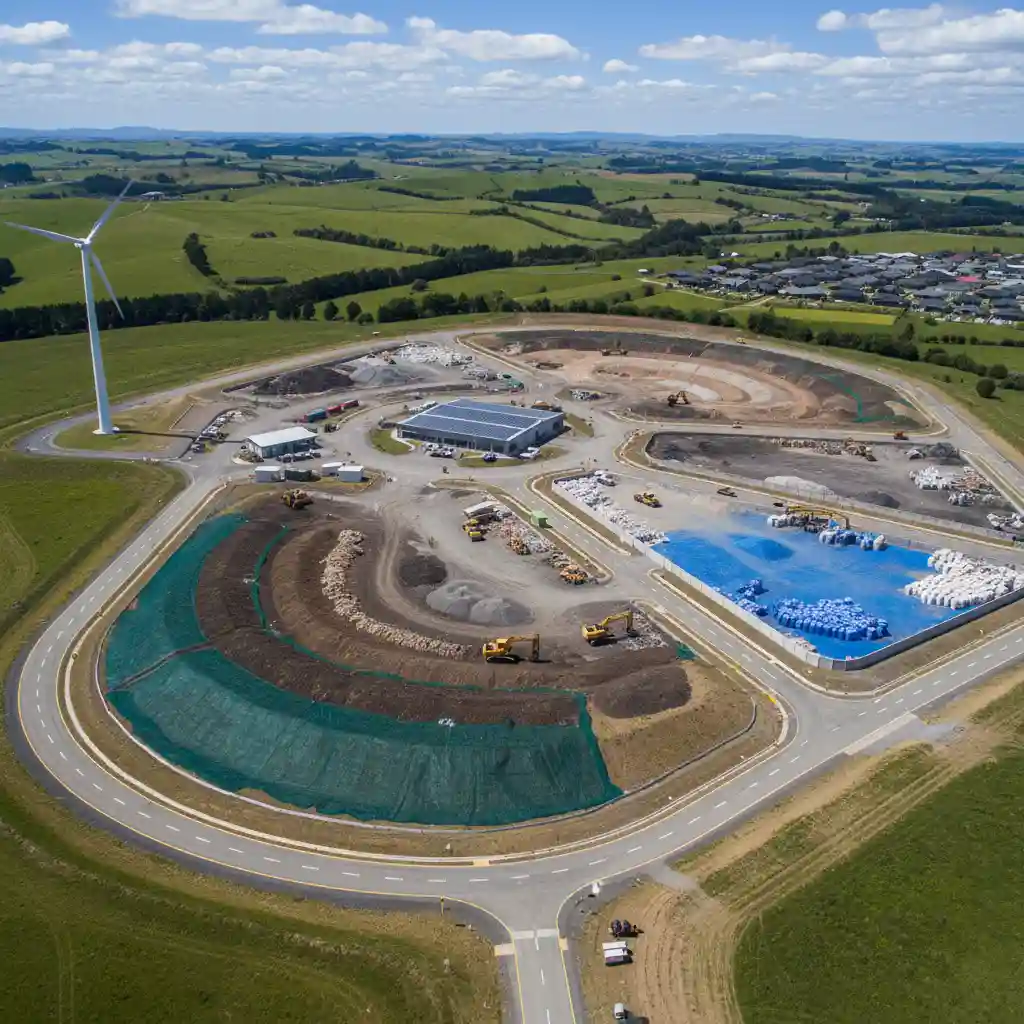
Perhaps the most significant and direct instrument of the WMA concerning landfills is the Waste Levy. Implemented as a charge on waste sent to municipal landfills, its purpose is dual: to create a financial disincentive for landfilling and to generate revenue for waste minimisation initiatives.
Initially set at a modest rate, the levy has undergone significant increases since 2021, expanding to cover more types of landfills and progressively raising the cost per tonne. This increasing financial pressure makes landfilling less attractive and directly incentivises businesses and councils to explore alternatives like recycling, composting, and reuse.
Stat Callout:
Since the initial levy expansion in July 2021, the Waste Minimisation Fund has seen a substantial increase in revenue, enabling millions of dollars to be invested in innovative waste reduction projects across New Zealand. In 2023 alone, it funded over $12 million in new initiatives.
While the direct impact on reducing overall waste volumes to landfills is complex and influenced by many factors, the levy undeniably alters the economic landscape, making sustainable waste management options more financially viable.
WMMPs: Localised Strategies for Waste Reduction
Under the WMA, every territorial authority in New Zealand is required to develop a Waste Management and Minimisation Plan (WMMP). These plans are crucial as they translate the broad objectives of the WMA into actionable, localised strategies tailored to the unique needs and challenges of communities.
- WMMPs outline how councils will manage waste within their districts, including recycling services, education campaigns, and infrastructure development.
- They often set ambitious targets for diversion from landfill, guiding investments in new facilities like organic waste processing plants or material recovery facilities (MRFs).
- The regular review of WMMPs ensures that strategies remain relevant and responsive to changing waste streams and technologies.
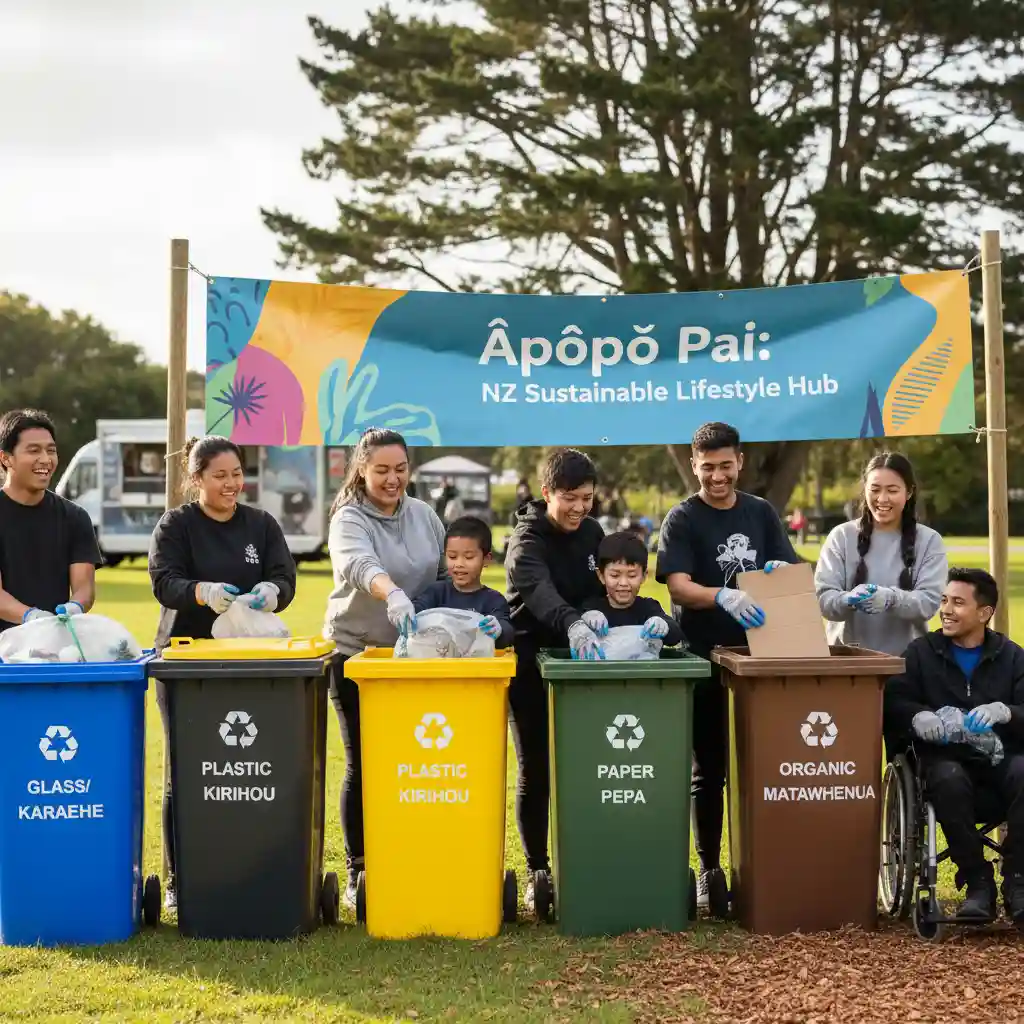
Through WMMPs, the WMA empowers local councils to drive significant behavioural change and infrastructure improvements, directly contributing to reducing the volume and toxicity of waste reaching landfills.
Product Stewardship: Shifting Responsibility Upstream
A truly sustainable approach to waste minimisation goes beyond what happens at the end of a product’s life. The WMA’s provisions for Product Stewardship Schemes aim to shift responsibility upstream, encouraging manufacturers, importers, and retailers to take greater ownership of their products’ environmental impact throughout their lifecycle.
Accredited product stewardship schemes in New Zealand target specific problematic waste streams, such as tyres, electronic waste (e-waste), and refrigerants. By ensuring these items are collected and processed responsibly, the schemes prevent them from contributing to landfill waste and environmental pollution.
- For example, tyre product stewardship ensures old tyres are recycled into new products or energy, rather than accumulating in landfills or illegally dumped.
- E-waste schemes facilitate the safe recovery of valuable materials and proper disposal of hazardous components.
While these schemes are still expanding, they represent a powerful lever for reducing the most challenging materials currently burdening New Zealand’s landfills.
Quantifiable Effects on Landfills: The Data Story
Assessing the Waste Minimisation Act’s effect on landfills requires looking at the numbers. While comprehensive, real-time data across all waste streams can be challenging to consolidate, national and regional statistics provide valuable insights into the WMA’s influence.
Initial reports following the WMA’s implementation showed encouraging trends, with some regions demonstrating increased recycling rates and a slowdown in landfill growth. The expansion of the waste levy and greater public awareness have further intensified these efforts.
Stat Callout:
New Zealand’s overall waste sent to municipal landfills has seen fluctuating trends. However, specific categories like organic waste and construction and demolition (C&D) waste have shown promising diversion rates in areas with targeted WMMPs. For instance, some councils report diverting over 60% of household organic waste from landfills through composting initiatives.
It’s important to note that population growth and economic activity can offset some gains in per-capita waste reduction. However, the WMA provides the essential framework for continuous improvement. The increasing levy rates, for example, are projected to drive significant reductions in landfill volumes over the next decade as businesses and individuals adapt to the higher cost of disposal.
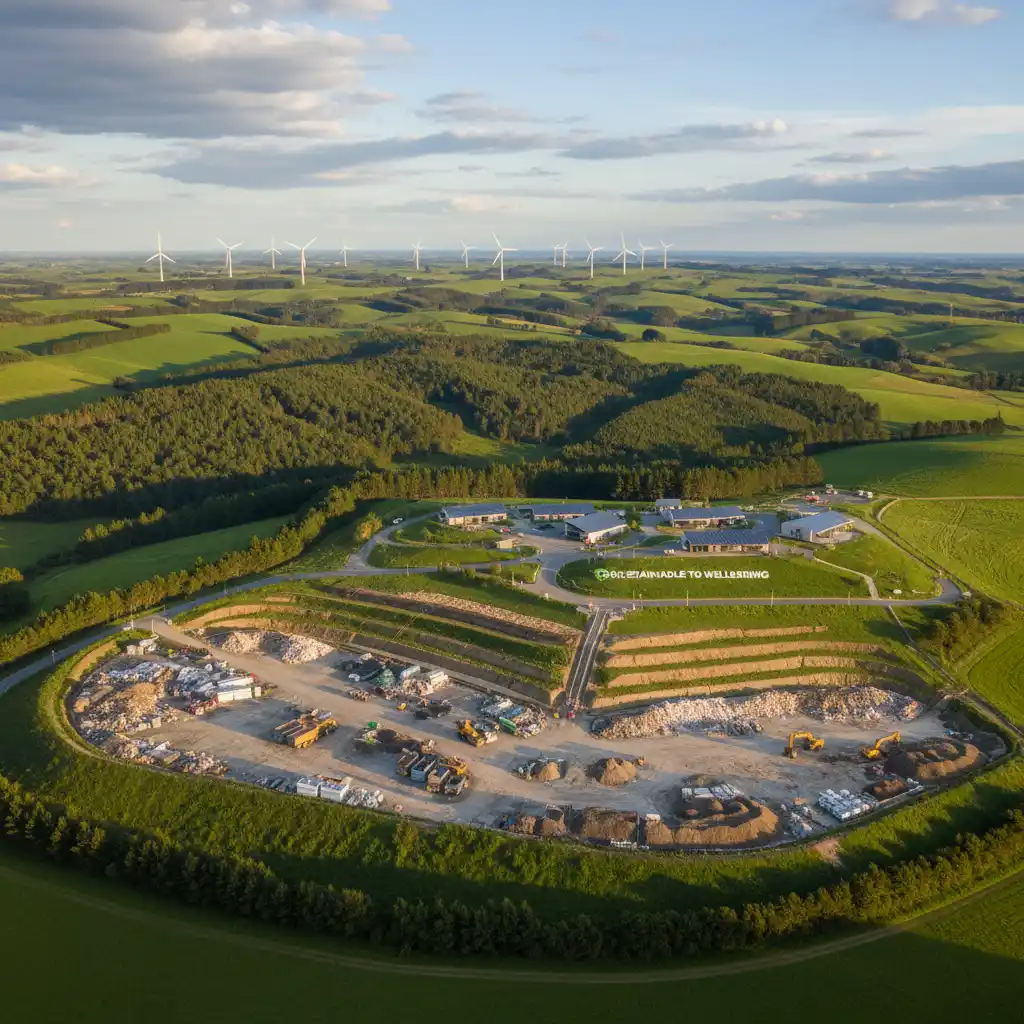
Challenges and Opportunities in Waste Minimisation
While the WMA has laid a robust foundation, the journey to zero waste is fraught with challenges, yet also brimming with opportunities for innovation and growth.
Challenges:
- Contamination: High levels of contamination in recycling streams reduce material quality and increase processing costs, sometimes leading to materials still ending up in landfills.
- Infrastructure Gaps: Remote and rural areas may lack access to comprehensive recycling and composting facilities, making landfilling the only viable option.
- Behavioural Change: Sustaining public engagement and ensuring consistent compliance with waste sorting guidelines remains an ongoing effort.
- Illegal Dumping: Increased disposal costs can sometimes lead to an uptick in illegal dumping, creating new environmental problems.
Opportunities:
- Circular Economy Transition: The WMA provides a springboard for New Zealand to fully embrace circular economy principles, designing waste out of the system from the outset.
- Technological Innovation: Investment in advanced sorting technologies, anaerobic digestion, and material recovery can significantly enhance diversion rates.
- Extended Producer Responsibility (EPR): Expanding product stewardship to more product categories will further incentivise sustainable design and end-of-life management.
- Education and Engagement: Ongoing, targeted campaigns can deepen public understanding and foster stronger participation in waste minimisation efforts.
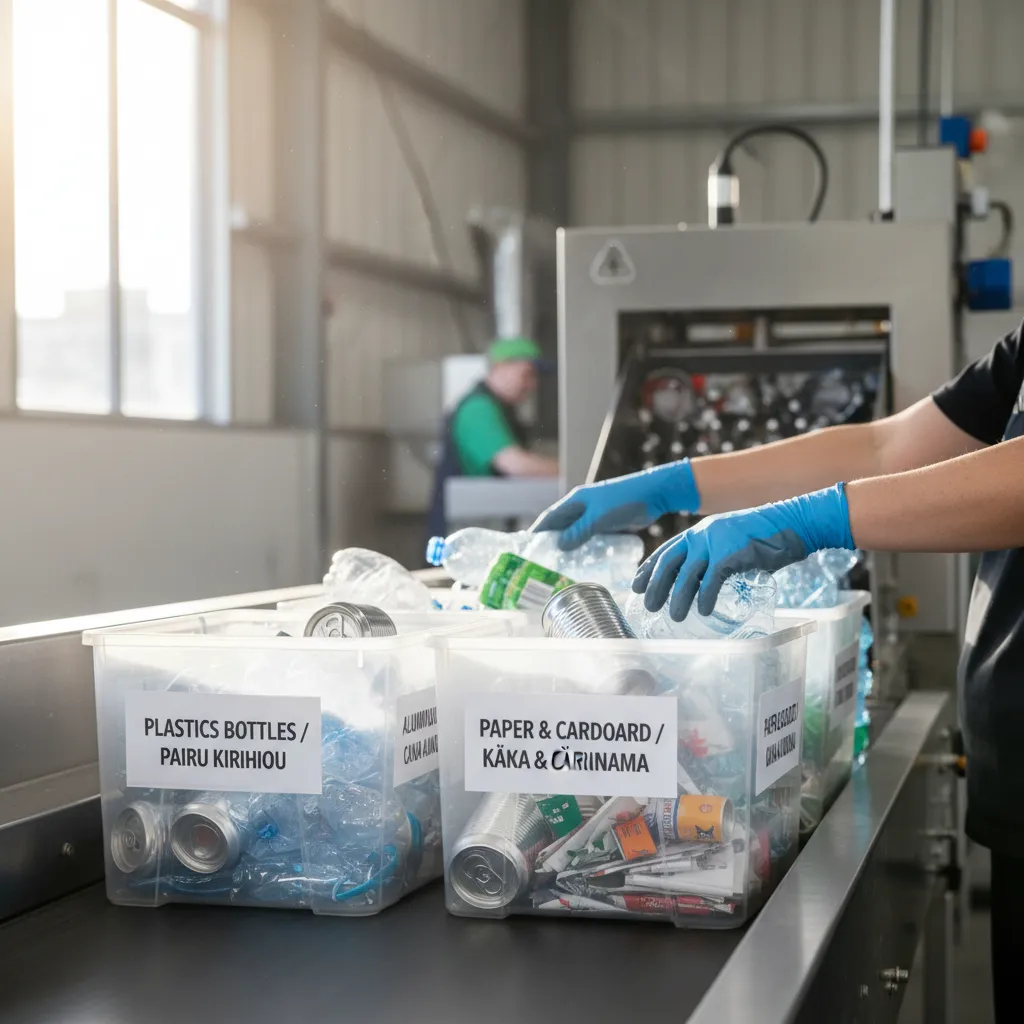
The Future of Waste Management in New Zealand
The Waste Minimisation Act has fundamentally reshaped New Zealand’s approach to waste, moving it from a ‘dispose and forget’ mentality to one of responsibility and resourcefulness. Its effect on landfills is observable not just in diverted tonnage, but in the evolving infrastructure and a growing national consciousness around waste.
Looking ahead, the WMA will continue to be a cornerstone of New Zealand’s environmental policy. Further refinements, particularly in expanding product stewardship and adapting to global recycling market changes, will be critical. The ultimate goal remains a New Zealand where waste is seen not as an end-product, but as a valuable resource to be carefully managed and continuously recirculated.
Conclusion: Sustained Effort for a Sustainable Aotearoa
In assessing the Waste Minimisation Act’s effect on landfills, it’s clear that the legislation has been a powerful catalyst for change. Through mechanisms like the waste levy, WMMPs, and product stewardship, it has incentivised waste reduction, spurred innovation, and raised national awareness.
While the journey to truly minimal waste is ongoing and complex, the WMA provides the essential legislative backbone. Its continuous evolution, coupled with the commitment of local authorities, industries, and individual New Zealanders, will determine the full extent of its long-term success in preserving the pristine beauty of Aotearoa for generations to come. Every thoughtful choice, from government policy to individual recycling habits, contributes to a healthier planet.
Frequently Asked Questions (FAQ)
What is the main goal of the Waste Minimisation Act 2008?
The main goal of the WMA is to encourage the reduction of waste, improve resource efficiency, and reduce the harm that waste causes to the environment in New Zealand. It aims to shift the focus from waste disposal to waste minimisation and resource recovery.
How does the Waste Levy work to reduce landfill waste?
The Waste Levy is a charge applied to waste sent to municipal landfills. By increasing the cost of landfilling, it creates a financial disincentive for disposal and encourages councils and businesses to invest in and utilise alternatives like recycling, composting, and reuse. The revenue collected also funds waste minimisation initiatives.
What are Waste Management and Minimisation Plans (WMMPs)?
WMMPs are plans that all New Zealand territorial authorities (local councils) are required to develop under the WMA. These plans outline local strategies for waste management, including setting targets for waste reduction and diversion from landfills, and detailing services like kerbside recycling and composting.
What is Product Stewardship and how does it help?
Product Stewardship schemes, supported by the WMA, make producers, importers, and retailers responsible for the environmental impact of their products throughout their entire lifecycle, from design to end-of-life. This ensures difficult-to-recycle items like tyres and e-waste are collected and processed responsibly, preventing them from ending up in landfills.
Has the Waste Minimisation Act successfully reduced waste sent to landfills?
While various factors influence waste volumes, the WMA has been a significant catalyst. Data shows encouraging trends in specific waste streams (e.g., organics, C&D waste) and increased national awareness and investment in waste reduction infrastructure. The expanding waste levy is expected to drive further reductions in landfill volumes as the economic disincentive grows.
References & Sources
- Ministry for the Environment. (2008). Waste Minimisation Act 2008. New Zealand Government.
- Ministry for the Environment. (Various years). Waste and Resource Recovery Annual Reports. New Zealand Government.
- Local Government New Zealand. (Ongoing). Information on Waste Management and Minimisation Plans.
- WasteMINZ. (Ongoing). Industry insights and data on waste management in NZ.
- The New Zealand Herald. (2023). Articles on increased waste levy and its impact.