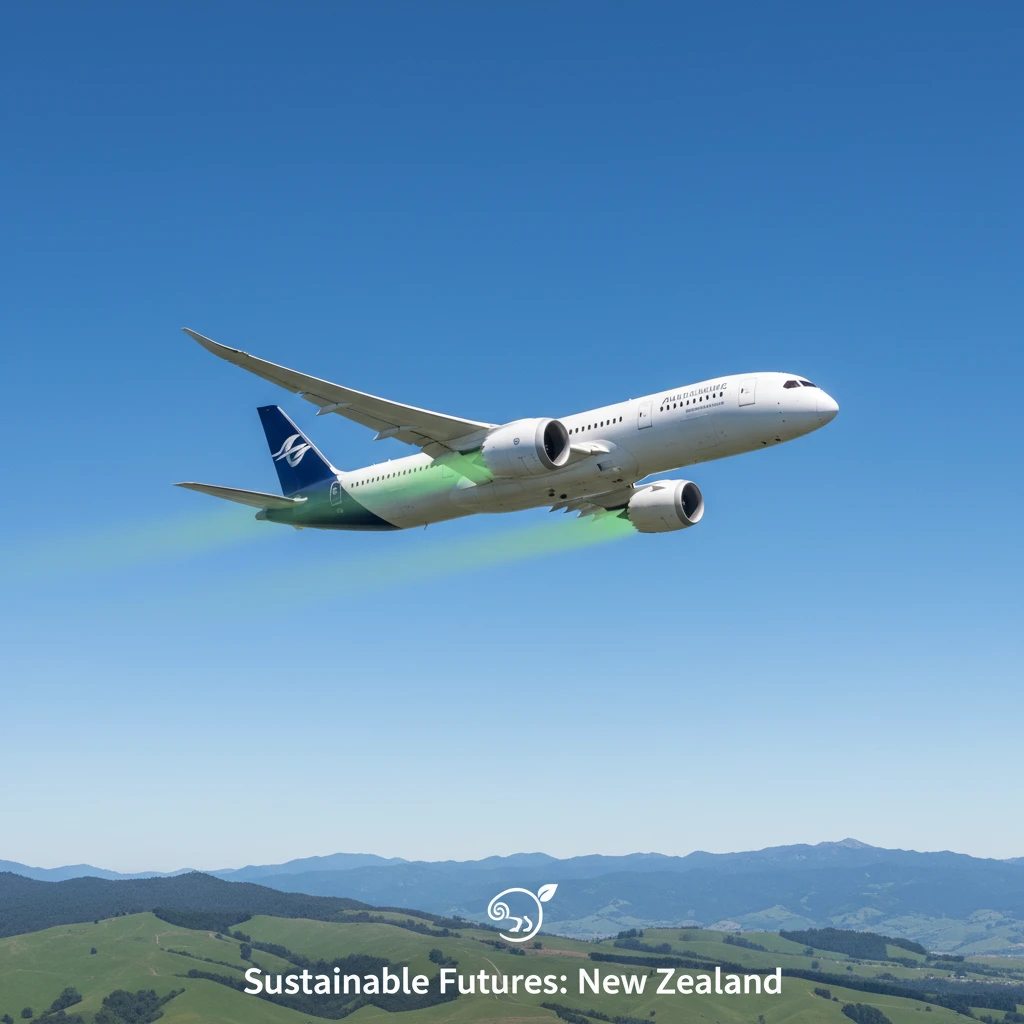
Advances in Aviation Biofuels: Innovations & Sustainability
The skies above us hold immense promise, but also a significant challenge: decarbonizing air travel. As a hub for sustainable living, we understand the urgency. Aviation, a critical connector for New Zealand and the world, is increasingly looking to cleaner alternatives. Among the most promising solutions are aviation biofuels, also known as Sustainable Aviation Fuels (SAF).
This article dives deep into the remarkable advances in aviation biofuels: innovations & sustainability, exploring how science and ingenuity are paving the way for a greener future in flight. From revolutionary production methods to the intricate balance of environmental impact, we’ll uncover the journey towards truly sustainable air travel and what these innovations mean for a low-carbon future.
Table of Contents
Understanding Sustainable Aviation Fuels (SAF)
Sustainable Aviation Fuels (SAF) are liquid fuels that significantly reduce carbon emissions compared to conventional jet fuel. Unlike traditional fossil fuels, SAF is produced from renewable sources, meaning their lifecycle emissions are substantially lower. The “sustainable” aspect refers not just to carbon reduction, but also to responsible sourcing that minimizes impacts on biodiversity, water resources, and food security.
For an industry as carbon-intensive as aviation, SAF represents the most immediate and significant pathway to decarbonization. It’s a ‘drop-in’ fuel, meaning it can be blended with traditional jet fuel and used in existing aircraft engines and infrastructure without modifications. This compatibility is a game-changer, allowing for a relatively seamless transition towards greener flights and fostering essential advances in aviation biofuels: innovations & sustainability.

Key Innovation Pathways in Biofuel Production
The journey to viable aviation biofuels is marked by continuous innovation, particularly in identifying diverse feedstocks and developing efficient conversion technologies. These advances in aviation biofuels are crucial for scaling up production to meet future demand, ensuring a robust and resilient supply chain.
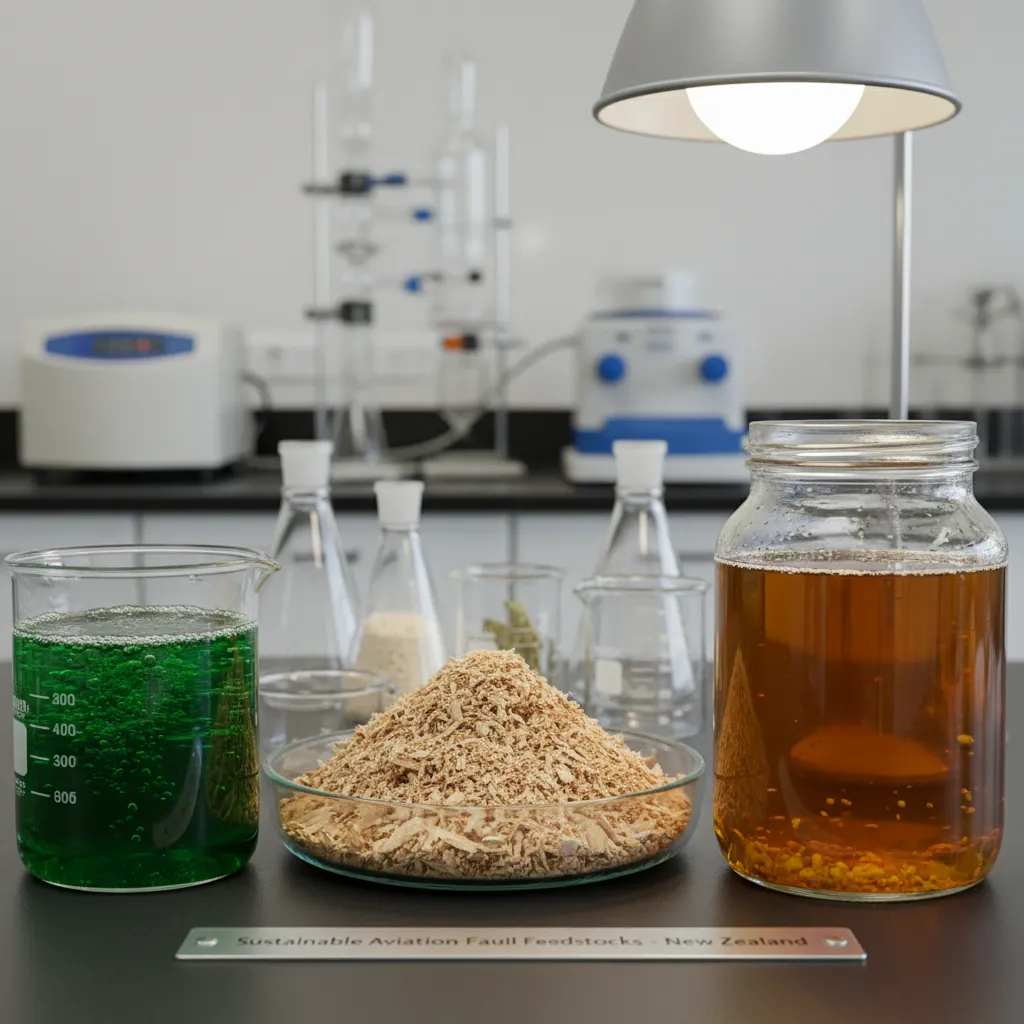
Diverse Feedstocks: Fueling the Future
The beauty of SAF lies in its potential to be derived from a multitude of sources, drastically reducing reliance on single, problematic inputs. This diversity is a cornerstone of sustainability and innovation in the sector.
- Waste Lipids & Oils: Used cooking oil (UCO), animal fats, and trap grease are already established and scalable sources, converting waste into valuable fuel via the HEFA (Hydroprocessed Esters and Fatty Acids) pathway.
- Agricultural & Forestry Residues: Crop stalks, wood chips, and other biomass can be gasified and converted into synthetic jet fuel via the Fischer-Tropsch (FT) process. This leverages existing waste streams and minimises competition with food production.
- Algae: Microalgae can produce high-lipid content suitable for SAF, offering a non-food competitive, high-yield solution. While still largely in R&D for large-scale production, its potential is immense.
- Municipal Solid Waste (MSW): Non-recyclable urban waste can be gasified and fermented into alcohols, which are then converted to jet fuel (Alcohol-to-Jet pathway). This addresses waste management challenges simultaneously.
- Power-to-Liquid (PtL) / e-Fuels: A truly groundbreaking innovation, PtL involves synthesizing liquid fuels from captured CO2 and green hydrogen (produced via electrolysis using renewable electricity). While not strictly ‘bio’fuel, these ‘e-fuels’ offer near-zero net carbon emissions and are a vital part of the future SAF portfolio, especially for long-term scalability.
Stat Callout: Significant Carbon Reduction
The International Air Transport Association (IATA) estimates that Sustainable Aviation Fuels (SAF) can reduce lifecycle carbon emissions by up to 80% compared to conventional jet fuel. This dramatic reduction underscores their potential for climate action and meeting global climate goals.
Advanced Production Technologies
Beyond diverse feedstocks, the methods to convert them into usable jet fuel are also continually evolving, enhancing the efficiency and scalability of SAF production:
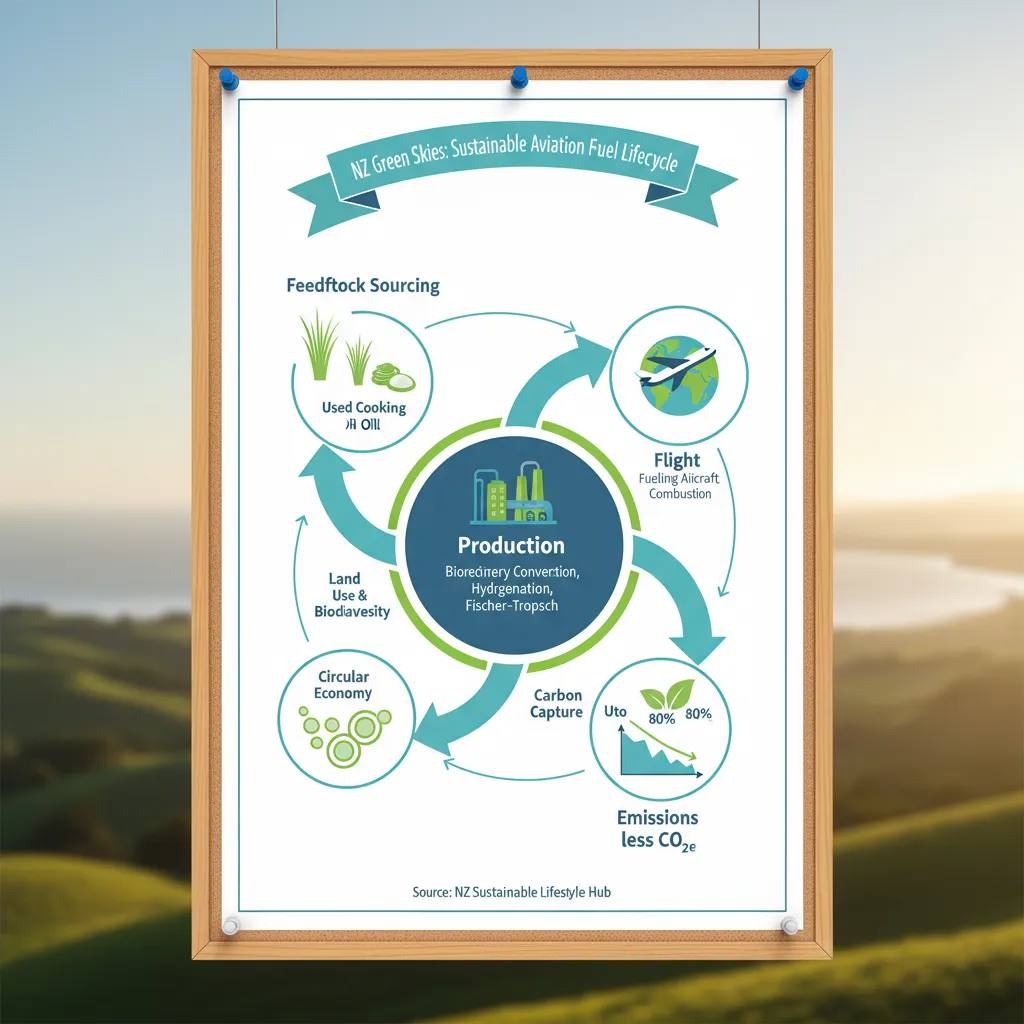
- HEFA (Hydroprocessed Esters and Fatty Acids): The most commercially mature pathway, converting fats, oils, and greases into high-quality jet fuel that meets strict aviation specifications.
- Fischer-Tropsch (FT): Utilizes biomass or waste gasification to create syngas, which is then synthesized into liquid fuels. This process is highly versatile and can handle a wide range of solid feedstocks.
- Alcohol-to-Jet (AtJ): Converts alcohols (like ethanol or isobutanol) derived from biomass or industrial waste into jet fuel. This pathway is gaining traction due to the availability of alcohol feedstocks.
- Direct Sugar to Hydrocarbon (DSHC): A newer, highly efficient pathway that directly ferments sugars into hydrocarbons, bypassing complex intermediate steps and offering potential for cost reduction.
The Sustainability Imperative: Beyond Carbon Reduction
While reducing carbon emissions is paramount, true sustainability in aviation biofuels encompasses a broader spectrum of environmental and social considerations. These advances in aviation biofuels: innovations & sustainability must be holistic to be genuinely impactful, ensuring that the solutions don’t create new problems.
“The shift to SAF isn’t just about reducing emissions; it’s about fostering a circular economy, minimizing ecological footprints, and ensuring equitable resource use across the entire value chain.”
Balancing Benefits and Challenges (Pros & Cons)
Evaluating SAF requires a balanced perspective, considering both their immense potential and the hurdles to widespread adoption. Here’s a look at the trade-offs:
Pros of SAF Adoption:
- Significant GHG Reduction: Up to 80% lower lifecycle emissions, directly combating climate change.
- Drop-in Capability: Seamless integration into existing aircraft and infrastructure, minimizing transition costs.
- Energy Security: Diversifies fuel sources, reducing reliance on volatile fossil fuel markets.
- Economic Benefits: Creates new green industries, jobs, and technological expertise.
- Waste Utilization: Transforms waste products into valuable fuel, supporting circular economy principles.
Cons & Challenges of SAF Adoption:
- High Production Cost: Currently significantly more expensive than conventional fossil jet fuel.
- Scalability Issues: Achieving sufficient feedstock availability and production capacity remains a major hurdle.
- Land Use Concerns: Potential competition with food crops or deforestation if feedstock sourcing is not carefully managed.
- Water Footprint: Some feedstocks and conversion processes require significant water resources.
- Policy & Regulatory Support: Needs consistent government incentives, mandates, and international cooperation to accelerate uptake.
Stat Callout: Projected Growth
Despite current challenges, the market for SAF is projected to grow significantly. Forecasts suggest SAF could meet up to 65% of aviation fuel demand by 2050 under ambitious decarbonization scenarios, highlighting its critical and indispensable role.
Challenges and the Path Forward for Green Aviation
While the advances in aviation biofuels: innovations & sustainability are inspiring, considerable hurdles remain. Scaling up production to meet global demand, reducing costs to be competitive with conventional jet fuel, and establishing robust supply chains are critical. Investment in new infrastructure and refining capabilities is also essential.
Government policies, investment in R&D, and international cooperation are vital to accelerate SAF deployment. New Zealand, with its commitment to sustainability and unique agricultural and forestry landscape, has a significant opportunity to explore its own feedstock potential. By fostering local green industries and contributing to global efforts, New Zealand can play a key role in the transition to sustainable air travel.

Stat Callout: Investment & Infrastructure
Industry reports indicate that over $50 billion in investments will be needed globally to build the necessary SAF production capacity by 2030, underscoring the monumental scale of the transition required for a truly sustainable aviation sector.
The future of flight is intrinsically linked to sustainability. The ongoing innovations in aviation biofuels offer a clear, viable path towards achieving significant emission reductions without compromising the connectivity and economic benefits that air travel provides. As consumers, supporting airlines that invest in SAF sends a powerful message, accelerating the transition to a truly green aviation era for the benefit of all.
Frequently Asked Questions (FAQ)
What exactly are Sustainable Aviation Fuels (SAF)?
SAF are jet fuels made from renewable biomass and waste resources. They are chemically similar to conventional jet fuel but can reduce lifecycle greenhouse gas emissions by up to 80% compared to fossil-based fuels, without requiring changes to aircraft engines or airport infrastructure. This makes them a cornerstone of advances in aviation biofuels: innovations & sustainability.
Are SAF safe to use in existing aircraft?
Yes, absolutely. SAF undergo rigorous testing and certification processes to ensure they meet the same stringent safety and performance standards as conventional jet fuel. They are approved for blending with traditional jet fuel up to certain percentages, and some are even approved for 100% use in specific applications, though blends are more common for widespread adoption.
What are the main challenges to widespread SAF adoption?
The primary challenges include the high production cost of SAF compared to conventional jet fuel, the need to scale up production capacity significantly to meet future demand, ensuring sustainable sourcing of feedstocks without impacting food security or land use, and developing robust supply chains and infrastructure. Strong policy support and investment are critical to overcome these hurdles.
How do e-fuels (Power-to-Liquid) fit into the SAF landscape?
E-fuels, or Power-to-Liquid (PtL) fuels, are synthetic fuels produced by combining captured carbon dioxide (CO2) with green hydrogen (derived from water electrolysis using renewable electricity). While not strictly biomass-derived, they are considered a form of SAF because they can achieve near-zero net carbon emissions over their lifecycle, making them a crucial future pathway for aviation decarbonization, especially for long-term scalability and achieving the goals of advances in aviation biofuels: innovations & sustainability.
References/Sources
- International Air Transport Association (IATA). (2023). SAF Guidance Material and Best Practices. Retrieved from https://www.iata.org/saf
- United States Department of Energy (DOE). (2022). Sustainable Aviation Fuel Grand Challenge Roadmap. Retrieved from https://www.energy.gov/saf
- Roundtable on Sustainable Biomaterials (RSB). (Ongoing). Principles & Criteria for Sustainable Biomass Production. Retrieved from https://rsb.org/
- European Union Aviation Safety Agency (EASA). (2021). Environmental Report 2021. Retrieved from https://www.easa.europa.eu/
- Air New Zealand. (Current). Sustainability Reports & Initiatives. Retrieved from https://www.airnewzealand.co.nz/sustainability