Navigating the world of recycling and waste disposal in New Zealand can sometimes feel like a puzzle. With varying rules across regions and different item categories, it’s easy to get confused about what goes where. But don’t worry, you’re not alone! Responsible waste management is a cornerstone of sustainable living, and we’re here to make it simpler.
This comprehensive guide will cut through the clutter, offering clear, actionable advice on where to recycle X in Auckland and beyond. From your everyday kerbside collections to special disposal for e-waste and hazardous materials, we’ll equip you with the knowledge to reduce your landfill footprint effectively. Let’s make sustainable choices together!
Table of Contents
- Auckland Recycling Guide: What Goes Where?
- Recycling Plastic, Glass, Paper in NZ
- E-Waste Recycling Locations in Wellington
- Hazardous Waste Disposal in Christchurch
- Community Recycling Centres Near You
- Frequently Asked Questions (FAQ)
- References & Sources
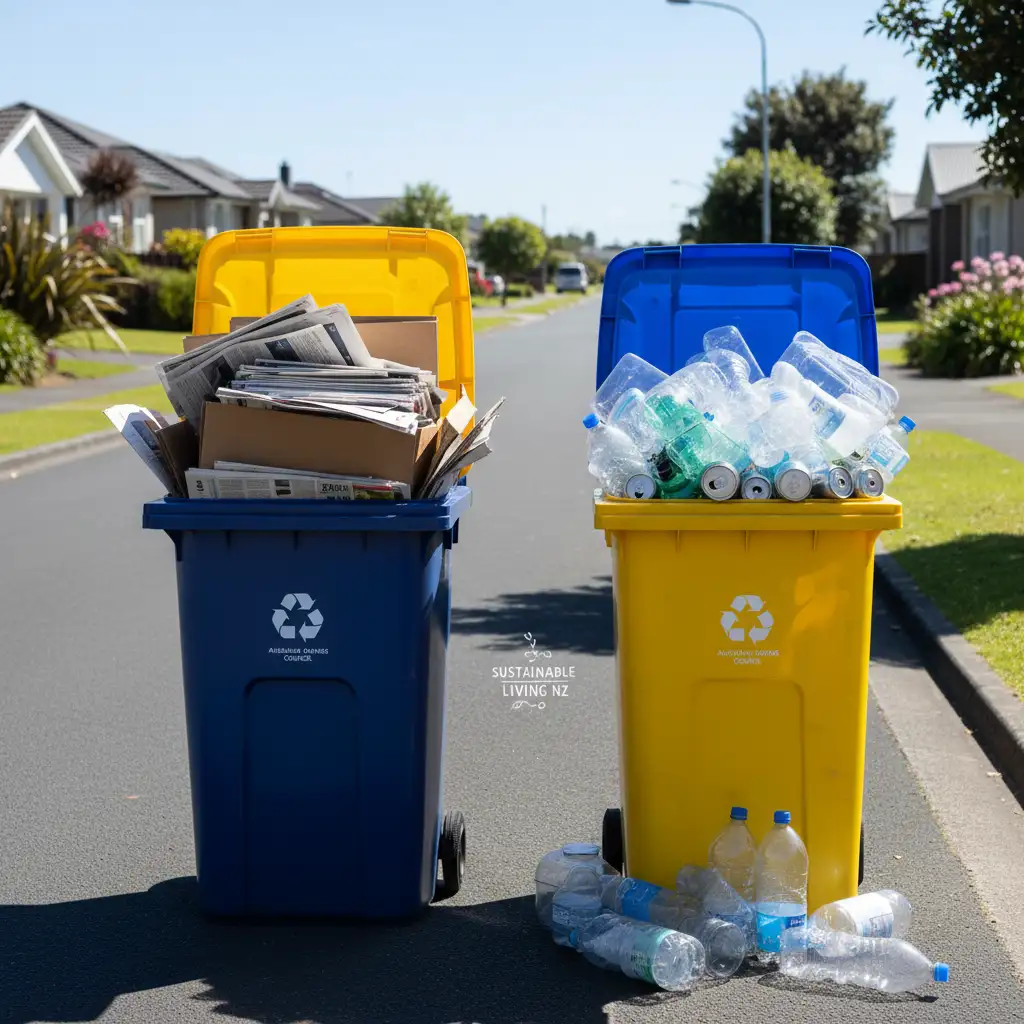
Auckland Recycling Guide: What Goes Where?
Auckland’s recycling system primarily relies on kerbside collection, but understanding what’s accepted can be tricky. Generally, Auckland Council accepts plastics numbered 1, 2, and 5, along with glass bottles and jars, paper, and cardboard in your yellow-lidded bin. Knowing where to recycle specific items in Auckland is key to successful waste diversion.
Did You Know? Auckland sends approximately 1.6 million tonnes of waste to landfill annually. Every item correctly recycled contributes to reducing this significant environmental burden. (Auckland Council, 2023)
Preparing Your Kerbside Recycling in Auckland: Step-by-Step
- Rinse Containers: All plastic, glass, and cans must be clean and free of food residue. A quick rinse saves resources and prevents contamination.
- Remove Lids: Lids from plastic bottles and glass jars should be removed. Small plastic lids often fall through sorting machinery, and metal lids can be collected separately or placed in your general rubbish.
- Flatten Cardboard: Boxes should be flattened to save space in your bin and on the collection truck. Remove any plastic strapping or excessive tape.
- No Soft Plastics: Plastic bags, film, and soft plastic packaging are NOT accepted in your kerbside bin. Look for dedicated soft plastic recycling drop-offs at supermarkets.
- Check for Numbers: Only plastics with the recycling symbols 1, 2, or 5 are accepted. If there’s no number, or it’s a 3, 4, 6, or 7, it likely belongs in general waste or a specialised recycling programme.
What About Items Not Accepted Kerbside?
For items like batteries, lightbulbs, clothing, and certain plastics (e.g., polystyrene), you’ll need to seek out specific drop-off points or community recycling centres. These facilities are often the answer when searching for where to recycle specific items in Auckland beyond your yellow bin. We’ll cover these in more detail below.
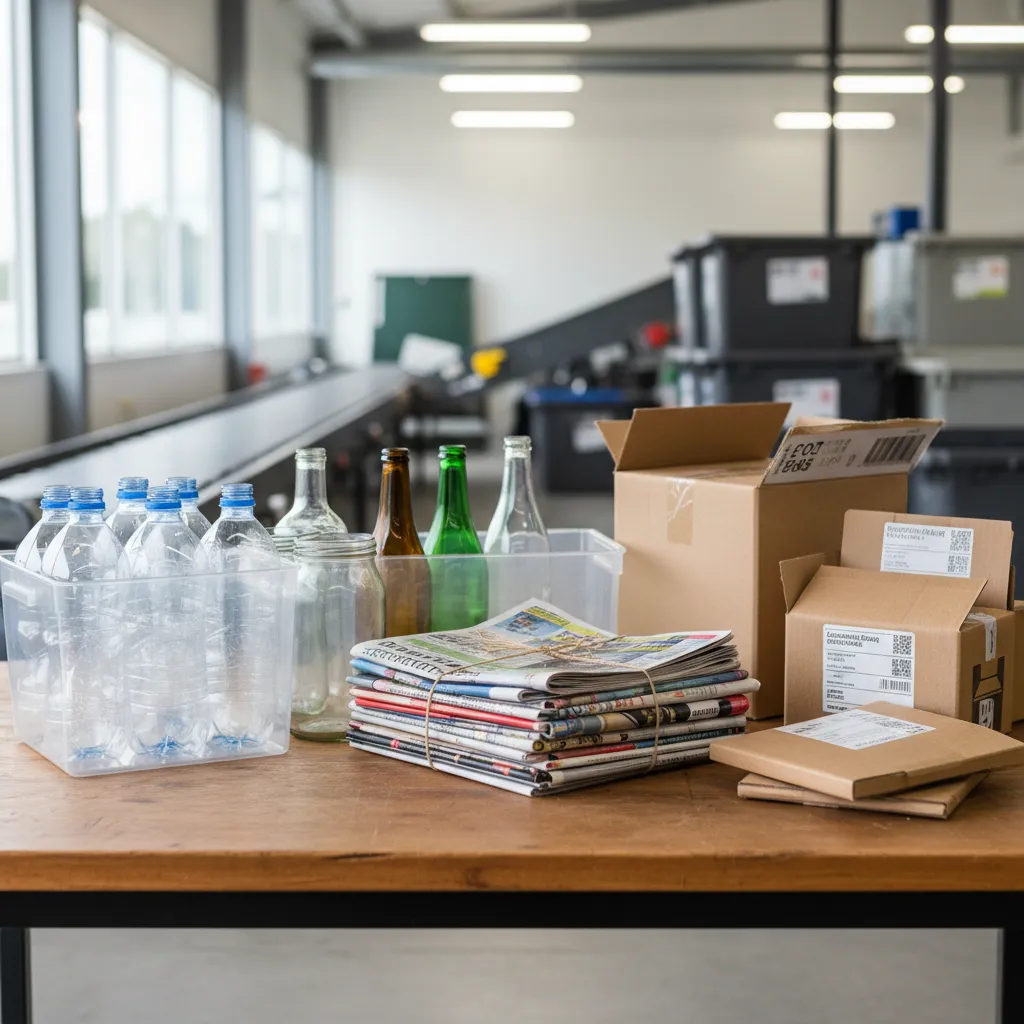
Recycling Plastic, Glass, Paper in NZ
While specific council rules can vary, the core principles for recycling plastic, glass, and paper across New Zealand remain fairly consistent. Understanding these general guidelines will help you recycle effectively, no matter where you are in the country.
- Plastics (1, 2, 5): These are the most commonly accepted plastic types for kerbside collection nationwide. Examples include milk bottles, clear plastic drink bottles, and some food containers. Always rinse them out.
- Glass: Most councils accept all colours of glass bottles and jars. Again, ensure they are clean and remove lids. Broken glass is generally not accepted for kerbside collection for safety reasons and should be wrapped and placed in general waste.
- Paper & Cardboard: Clean, dry paper (newspapers, magazines, junk mail) and flattened cardboard boxes (cereal boxes, delivery boxes) are widely accepted. Avoid recycling greasy pizza boxes or heavily contaminated paper.
Recycling Action Checklist
- Check Local Council Website: Always verify what your specific council accepts, as rules can change.
- Rinse & Empty: All containers should be clean and empty.
- Remove Lids: Unless otherwise specified by your council.
- Flatten Cardboard: Maximize space and efficiency.
- Separate Soft Plastics: Use supermarket drop-offs for bags and plastic film.
E-Waste Recycling Locations in Wellington
Electronic waste (e-waste) is a growing problem globally, containing valuable materials but also toxic substances that can harm the environment if not disposed of correctly. While the focus of this article is where to recycle X in Auckland, understanding e-waste disposal in Wellington provides a national example of best practice.
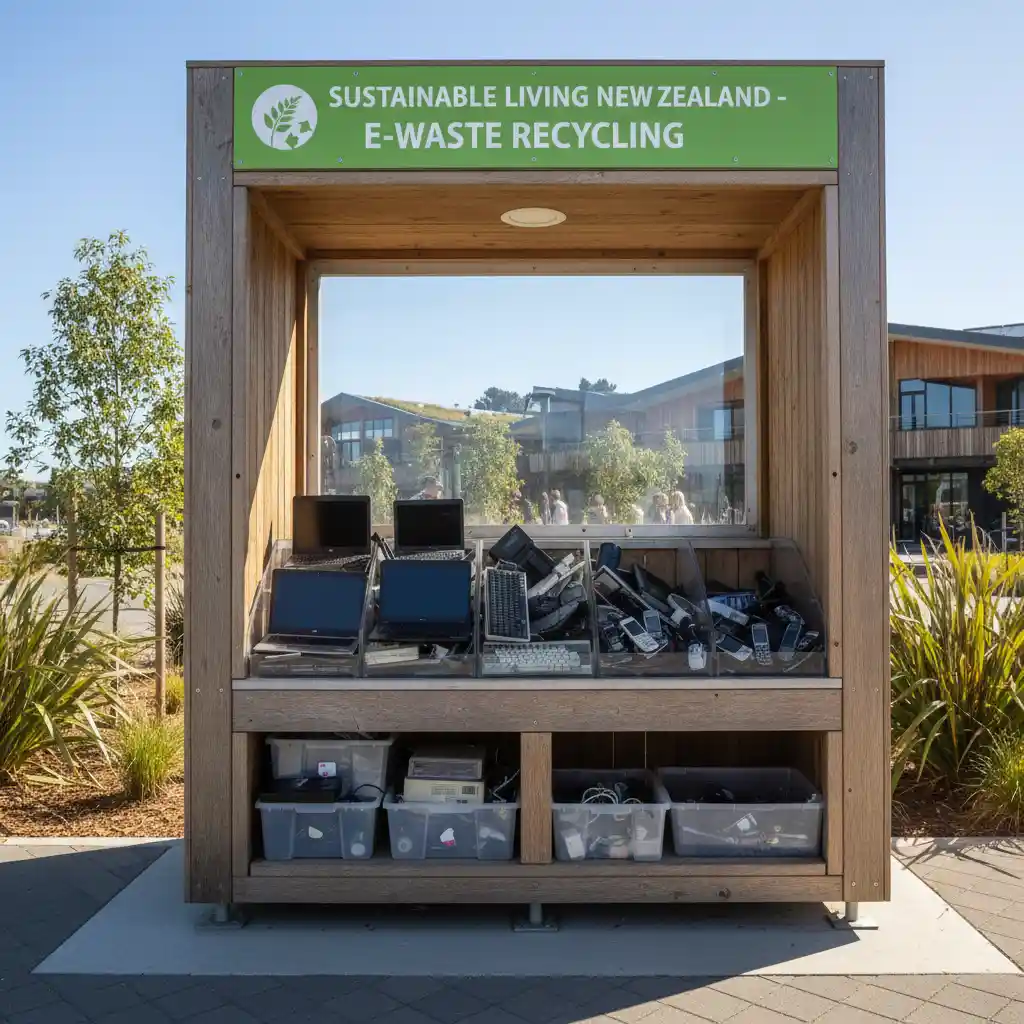
In Wellington, several organisations facilitate the responsible recycling of e-waste, from old phones and computers to small appliances:
- Computer Recycling (NZ): Offers drop-off points for a range of e-waste, often for a small fee to cover processing costs. They aim to repurpose or recycle components responsibly.
- TechCollect NZ: Provides free drop-off points for unwanted e-waste at various locations. Check their website for current partners and accepted items.
- Local Council Transfer Stations: Many transfer stations across NZ, including those near Wellington, have specific bins or areas for e-waste. It’s always best to check their website or call ahead for details on accepted items and any charges.
When disposing of e-waste, remember to back up and wipe any personal data from devices to protect your privacy.
Hazardous Waste Disposal in Christchurch
Hazardous waste, such as paints, chemicals, and oils, should never be put into your regular rubbish or poured down drains. These materials can contaminate soil and water, posing serious risks to human health and ecosystems. Christchurch provides an excellent model for safe disposal.
Christchurch’s EcoDrop facilities are key locations for disposing of hazardous household waste. These centres are designed to safely collect and process materials that require special handling. This type of infrastructure is essential for communities nationwide, including those wondering where to recycle X in Auckland when ‘X’ is a hazardous substance.
- Accepted Items: Paints, solvents, motor oil, garden chemicals, fluorescent tubes, batteries, gas bottles, and some cleaning products.
- Locations: Christchurch has multiple EcoDrop centres (e.g., Metro Place, Parkhouse Road, Styx Mill). Check the Christchurch City Council website for specific addresses, opening hours, and any associated fees.
- Preparation: Keep hazardous materials in their original containers if possible. Ensure containers are sealed and transported safely to prevent spills.
Community Recycling Centres Near You
Community Recycling Centres (CRCs) are invaluable hubs for diverting a vast array of materials from landfill that aren’t accepted in kerbside collections. These centres are popping up across New Zealand, offering solutions for everything from textiles and scrap metal to specific types of plastic and construction waste. For Aucklanders, knowing your local CRC is crucial for comprehensive recycling.
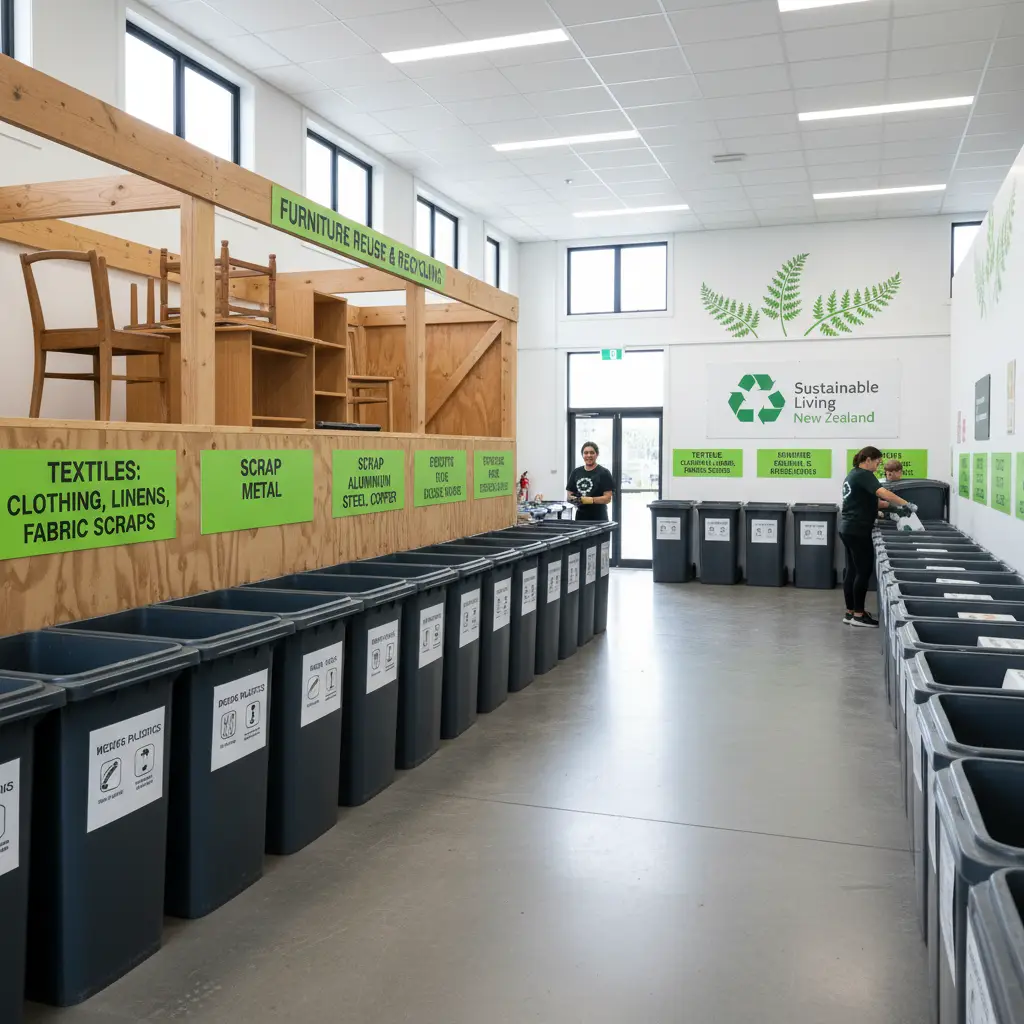
In Auckland, examples include centres like EcoMatters’ centres or facilities run by the Auckland Council. These are often the answer to where to recycle X in Auckland when ‘X’ is something unusual.
Benefits of Using Community Recycling Centres:
- Expanded Acceptance: They often take items like car batteries, old appliances, clothing, books, and even building materials.
- Resource Recovery: Many CRCs also have reuse shops where items in good condition can find a new home, promoting a circular economy.
- Local Support: By using CRCs, you’re often supporting local initiatives and creating green jobs.
Tips for Visiting a Community Recycling Centre
- Check What’s Accepted: Each centre has its own list of accepted materials and potential fees. Always check their website before you go.
- Pre-Sort at Home: Sort your items by category (e.g., metals, textiles, plastics) before you arrive to save time at the centre.
- Understand Fees: Some items or larger loads may incur a charge to cover processing or transport costs.
- Check Opening Hours: CRCs often have specific operating hours, which can vary.
By following these guidelines and utilising the resources available, particularly when searching for where to recycle X in Auckland or other major cities, you can significantly contribute to New Zealand’s sustainable future. Every action, big or small, makes a difference!
Frequently Asked Questions (FAQ)
What plastics can I recycle in my Auckland kerbside bin?
Auckland Council generally accepts plastics with recycling symbols 1, 2, and 5. Always check the number on the packaging. Plastics 3, 4, 6, and 7, along with soft plastics (bags, film), are not accepted in kerbside collections.
Where can I recycle soft plastics in Auckland?
Soft plastics (plastic bags, bread bags, produce bags, plastic film) cannot go into your yellow-lidded kerbside bin. You can recycle them at dedicated Soft Plastic Recycling Scheme drop-off points, often found at participating supermarkets and retail stores across Auckland. Visit their website for the nearest location.
Can I put broken glass in my recycling bin?
No, broken glass should not be placed in your kerbside recycling bin. It poses a safety risk to collection staff and can contaminate other recyclables. Carefully wrap broken glass in newspaper or cardboard and place it in your general waste bin.
How do I dispose of old electronics (e-waste) in Auckland?
Old electronics like phones, laptops, and printers are considered e-waste and should not go into general rubbish or recycling bins. Look for specialised e-waste recycling providers like Computer Recycling NZ or TechCollect NZ, or check if your local community recycling centre accepts them. Fees may apply for certain items.
What should I do with hazardous waste like paint or chemicals?
Hazardous household waste (e.g., paint, solvents, motor oil, garden chemicals) must never be put in kerbside bins or poured down drains. In Auckland, contact the Auckland Council or visit their website for guidance on designated hazardous waste drop-off events or facilities. For general advice, look for specific hazardous waste collection points at transfer stations or specialised disposal services.
References & Sources
- Auckland Council. (2023). Rubbish and recycling. Retrieved from Auckland Council website.
- Ministry for the Environment. (n.d.). Waste. Retrieved from Ministry for the Environment website.
- Soft Plastic Recycling Scheme. (n.d.). Recycling Near You. Retrieved from recycling.kiwi.nz.
- Computer Recycling. (n.d.). E-Waste Recycling NZ. Retrieved from computerrecycling.co.nz.
- Christchurch City Council. (n.d.). EcoDrop facilities. Retrieved from Christchurch City Council website.