Energy Efficiency Tips for NZ Homes: How to Save Electricity in Your Home
In Aotearoa, the comfort of our homes shouldn’t come at the expense of our wallets or the environment. As New Zealanders, we’re increasingly aware of the impact our daily choices have on sustainability. With energy costs on the rise, learning how to save electricity in your NZ home is not just smart—it’s essential for both your budget and our planet.
This comprehensive guide, brought to you by your trusted sustainable lifestyle hub, will transition you from passive energy consumer to active energy manager. We’ll explore practical, actionable steps you can take right now to reduce your power bill, enhance your home’s comfort, and contribute to a greener New Zealand. Let’s dive into making your home more energy-efficient!
Table of Contents
- Insulation: Your Home’s First Line of Defence
- Smart Heating Solutions for NZ Homes
- Seal the Deal: Effective Draft Proofing
- Master Your Appliances to Save Electricity
- Brighter Homes, Lower Bills: Lighting Upgrades
- Frequently Asked Questions (FAQ)
- References & Sources

1. Insulation: Your Home’s First Line of Defence
Effective insulation is the cornerstone of an energy-efficient home. It acts like a thermal blanket, keeping warmth in during winter and heat out during summer. For many older NZ homes, upgrading insulation is often the single most impactful step you can take to save electricity in your NZ home and improve comfort.
Stat Callout: The Energy Efficiency and Conservation Authority (EECA) estimates that a well-insulated ceiling can reduce heat loss by up to 35%, while underfloor insulation can save another 12-14%.
Types of Insulation to Consider:
- Ceiling Insulation: Often the easiest and most cost-effective to install or upgrade. Aim for a high R-value for maximum benefit.
- Underfloor Insulation: Prevents cold draughts and dampness rising from beneath your home, especially crucial in timber-floor houses.
- Wall Insulation: More challenging to retrofit but offers significant benefits, particularly in colder regions.
Action Checklist: Improving Your Home’s Insulation
- Check your existing insulation’s condition and thickness.
- Ensure there are no gaps or compressed areas in the insulation.
- Consider professional assessment if you live in an older home.
- Explore government grants and subsidies for insulation upgrades (e.g., Warmer Kiwi Homes programme).
2. Smart Heating Solutions for NZ Homes
Heating can be a major energy consumer, especially during New Zealand’s cooler months. Choosing the right heating method and using it efficiently is key to keeping your power bills down. Heat pumps have emerged as a popular and highly efficient choice for Kiwis.
Understanding Heat Pumps
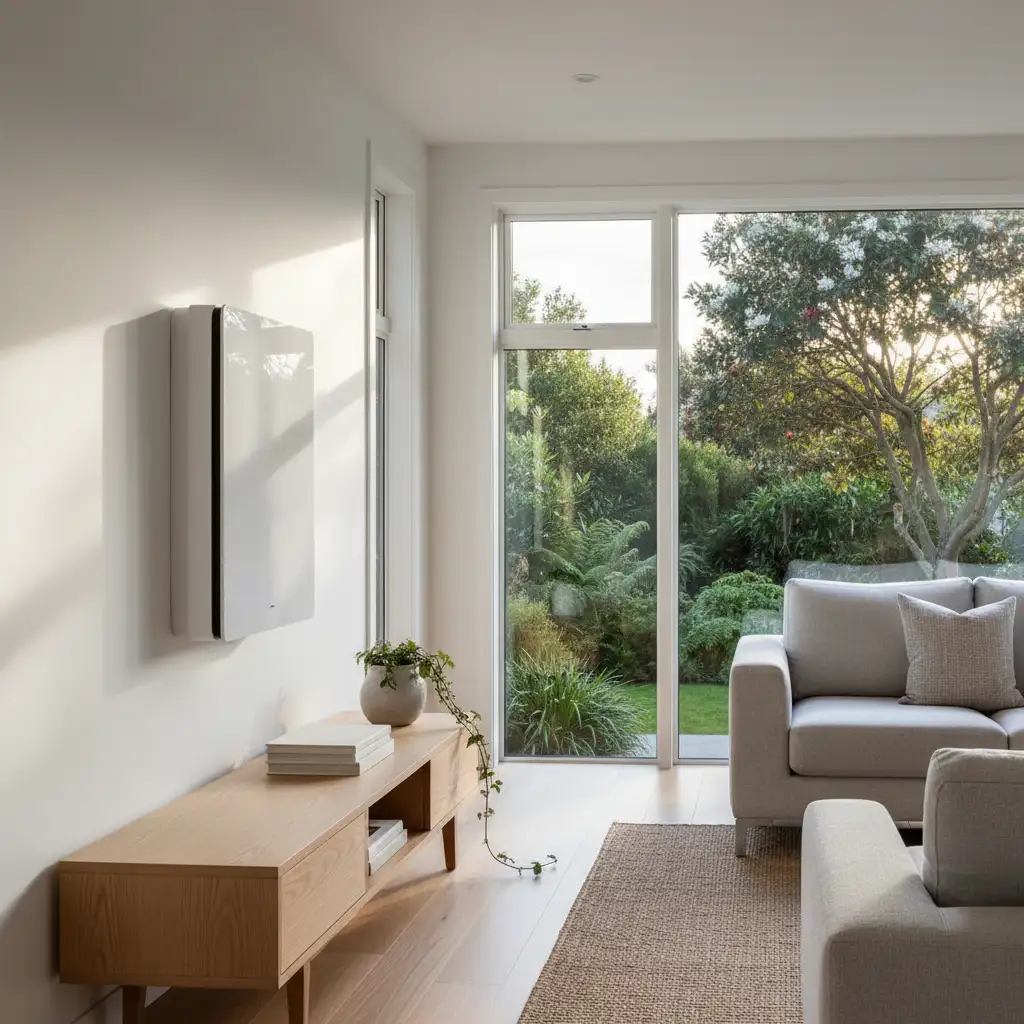
Unlike traditional heaters that generate heat, heat pumps move heat from one place to another. In winter, they extract warmth from the outside air (even cold air!) and transfer it indoors. In summer, they can reverse the process to cool your home. This makes them incredibly efficient for year-round comfort.
Stat Callout: EECA states that modern heat pumps are typically 3-5 times more energy-efficient than electric heaters, meaning they can provide 3-5 units of heat for every 1 unit of electricity they consume.
Step-by-Step: Maximising Your Heat Pump’s Efficiency
- 1. Right Size, Right Place: Ensure your heat pump is correctly sized for your room. An undersized unit will work harder and use more power.
- 2. Set and Forget: Set your heat pump to a comfortable temperature (e.g., 18-21°C) and let it maintain it. Constantly turning it off and on uses more energy.
- 3. Clean Filters Regularly: Dirty filters restrict airflow, reducing efficiency. Clean them monthly during peak use.
- 4. Use the Timer: Programme your heat pump to turn on before you arrive home or wake up, pre-heating the space rather than blasting it from cold.
- 5. Close Doors: Heat only the rooms you are using to avoid wasting energy on unoccupied spaces.
3. Seal the Deal: Effective Draft Proofing
Even with excellent insulation and efficient heating, drafts can silently sabotage your efforts to save electricity in your NZ home. Cold air seeping in and warm air escaping through small gaps can significantly increase your heating load.
Step-by-Step: Identifying and Sealing Drafts
- 1. The Candle Test: On a windy day, slowly move a lit candle or incense stick around windows, doors, power outlets, and skirting boards. A flickering flame or wavering smoke indicates a draft.
- 2. Check Doors and Windows: Look for visible gaps around frames. Check weather seals for wear and tear.
- 3. Inspect Floors and Ceilings: Gaps around pipes, electrical wires, or even floorboards can be culprits.
- 4. Seal Gaps: Use weather stripping for doors and windows, gap filler for larger cracks, and caulk for smaller crevices around frames and skirting.
- 5. Draught Excluders: Place ‘sausages’ or fabric rolls at the base of doors that aren’t perfectly sealed.
Action Checklist: Essential Draft Proofing Materials
- Weather stripping (various types for different gaps)
- Caulk/sealant gun and appropriate caulk
- Expanding foam (for larger, less visible gaps)
- Door snakes/draught excluders
- Window films (for single-glazed windows)
4. Master Your Appliances to Save Electricity
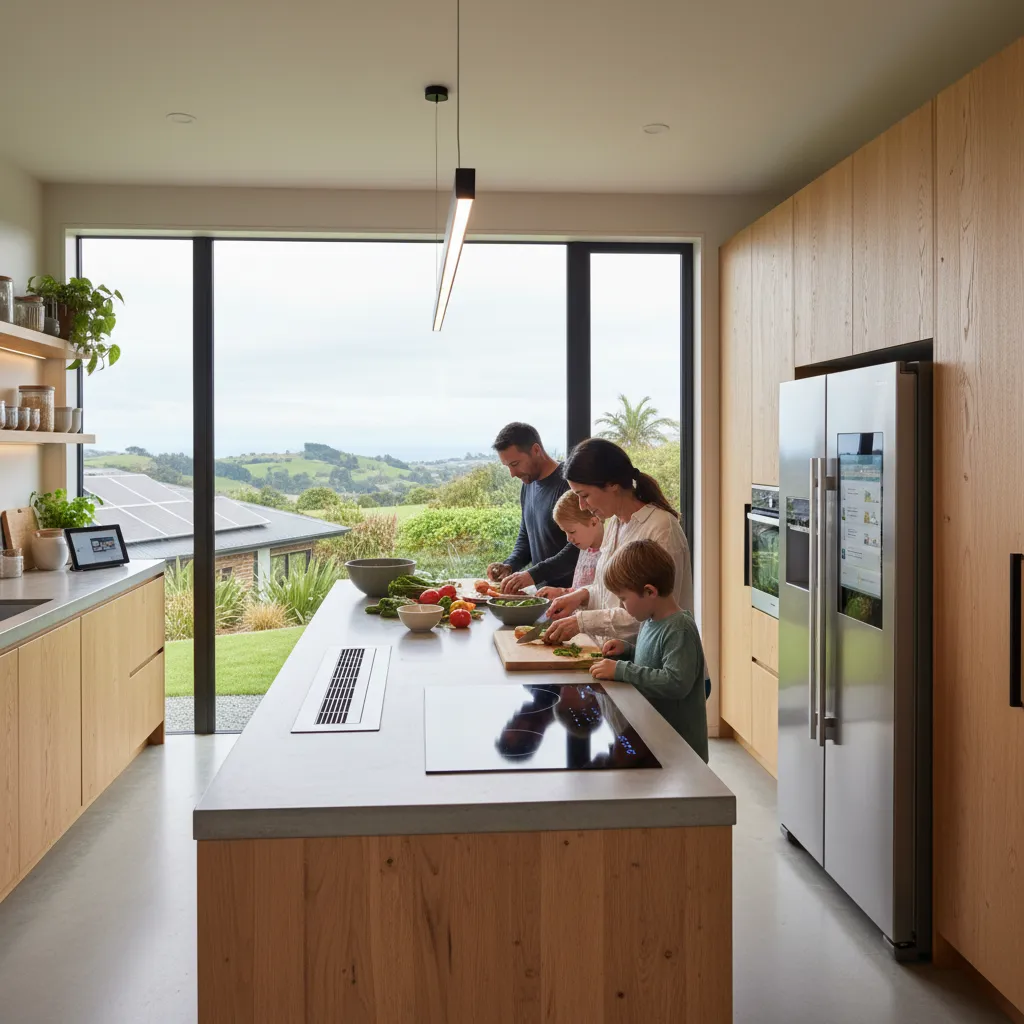
Our homes are filled with appliances, and while convenient, their cumulative energy consumption can be substantial. Smart usage habits and choosing energy-efficient models are crucial to managing your power bill and helping you save electricity in your NZ home.
Stat Callout: ‘Phantom load’ or ‘vampire power’ – the electricity consumed by devices in standby mode – can account for 5-10% of your total power bill!
Step-by-Step: Appliance Usage Tips
- 1. Unplug When Not in Use: Chargers, TVs, and gaming consoles draw power even when off. Use power strips with on/off switches.
- 2. Fridge & Freezer Care: Ensure seals are tight, defrost regularly, and set temperatures correctly (fridge 3-4°C, freezer -18°C). Don’t overfill or underfill.
- 3. Washing & Drying Wisely: Wash full loads with cold water whenever possible. Hang dry clothes when weather permits, or use the dryer only for large loads, cleaning the lint filter after each use.
- 4. Water Heating: Hot water is a major energy user. Check your cylinder for insulation, consider lowering the thermostat slightly (ensure it remains above 60°C for health reasons), and take shorter showers.
- 5. Use Small Appliances Smartly: Use a toaster oven for small items instead of preheating a large oven, or a microwave for quick reheating.
5. Brighter Homes, Lower Bills: Lighting Upgrades
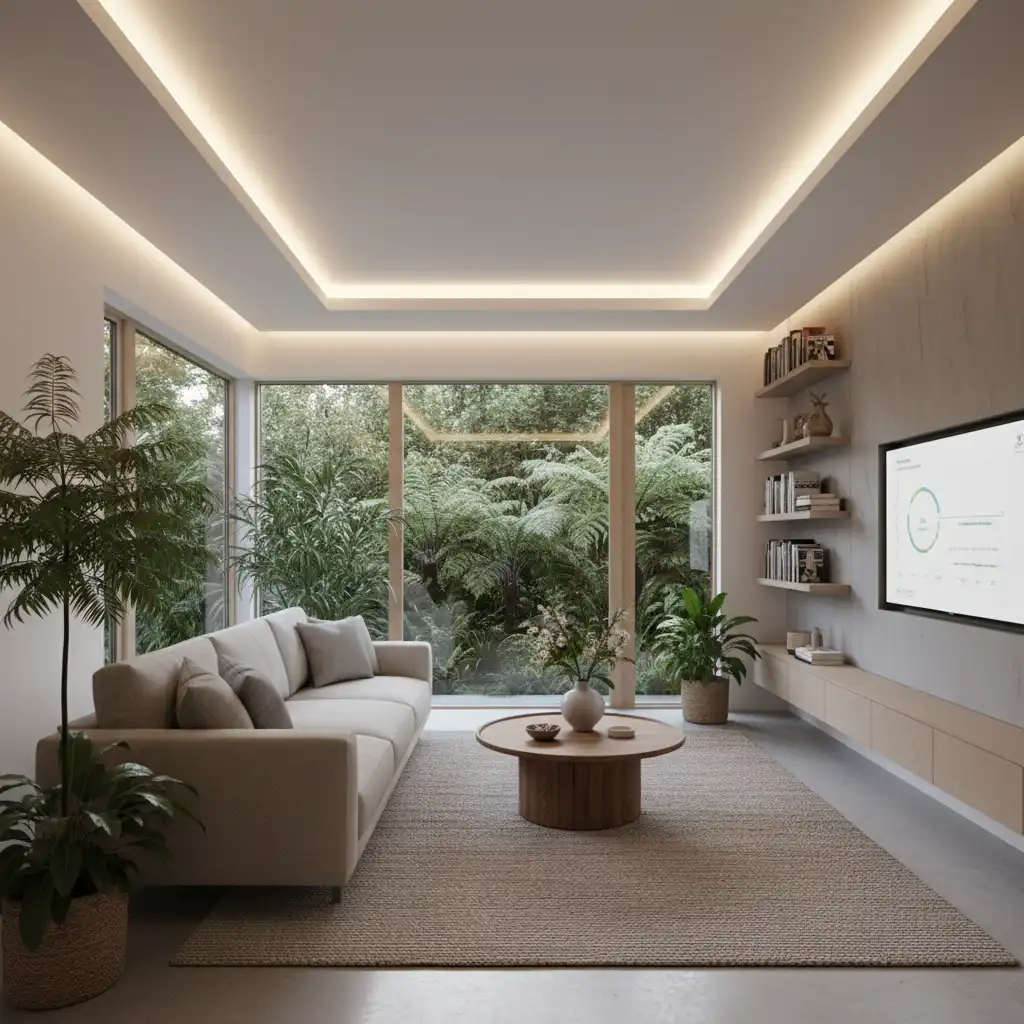
Outdated lighting can be an unseen drain on your energy bill. Transitioning to modern, energy-efficient options is a simple yet effective way to significantly save electricity in your NZ home.
The Power of LEDs
LED (Light Emitting Diode) bulbs are the undisputed champions of energy-efficient lighting. They consume dramatically less power than traditional incandescent or even CFL (Compact Fluorescent Lamp) bulbs, and last much longer.
Stat Callout: LEDs use up to 90% less energy and last up to 25 times longer than traditional incandescent bulbs, translating into substantial long-term savings.
Step-by-Step: Upgrading Your Home’s Lighting
- 1. Identify High-Use Areas: Start by replacing bulbs in rooms where lights are on most frequently (living areas, kitchen, bathroom).
- 2. Choose the Right Brightness & Colour: Look at lumens (brightness) rather than watts. Consider colour temperature (warm white for cozy spaces, cool white for task lighting).
- 3. Gradual Replacement: You don’t have to replace all bulbs at once. As old bulbs burn out, replace them with LEDs.
- 4. Utilise Natural Light: Open curtains and blinds during the day. Consider lighter paint colours to reflect more light.
- 5. Smart Lighting: Explore smart bulbs or smart switches that allow you to control lights with apps, timers, or motion sensors for added efficiency.
Making Your NZ Home Energy Efficient
Transforming your home into an energy-efficient haven is a journey, not a destination. By implementing these practical tips, you’re not just aiming to save electricity in your NZ home; you’re investing in greater comfort, reduced carbon footprint, and significant long-term savings on your power bills. Every small change contributes to a larger, more sustainable future for Aotearoa.
Start with one or two areas that seem most manageable, and build from there. Your home, your wallet, and the environment will thank you!
Frequently Asked Questions (FAQ)
Q: How much can I save electricity in my NZ home by implementing these tips?
A: Savings vary significantly based on your current energy usage, home size, and the extent of upgrades. However, the Energy Efficiency and Conservation Authority (EECA) suggests that improving insulation, using efficient heating, and adopting smart appliance habits can reduce your energy consumption by 20-40%, leading to hundreds of dollars in annual savings.
Q: Are heat pumps really more efficient than other heating methods in NZ?
A: Yes, generally, heat pumps are among the most efficient heating options available in New Zealand. They don’t generate heat directly but rather move existing heat, consuming significantly less electricity compared to electric panel heaters or gas heaters for the same amount of warmth, especially in well-insulated homes.
Q: What’s the most cost-effective energy efficiency upgrade for an older NZ home?
A: For many older New Zealand homes, upgrading ceiling and underfloor insulation often offers the best return on investment. These upgrades significantly reduce heat loss, improve comfort, and are typically more affordable to install than wall insulation or double glazing.
Q: How often should I check for drafts in my home?
A: It’s a good practice to perform a basic draft check annually, ideally before winter sets in. Over time, weather stripping can wear out, and new gaps might appear due to settling. A quick check helps maintain your home’s thermal envelope.
Q: Is it worth upgrading to smart home devices for energy saving?
A: Smart home devices like smart thermostats, smart lighting, and smart plugs can definitely enhance energy saving. They offer precise control, automation, and remote management, helping you optimize usage and reduce waste. While there’s an initial investment, they can lead to significant long-term savings and convenience.
References & Sources
- Energy Efficiency and Conservation Authority (EECA) – Official Website
- Consumer NZ – Independent product reviews and advice
- BRANZ (Building Research Association of New Zealand) – Research and information on building performance
- Ministry of Business, Innovation & Employment (MBIE) – Building and Housing Policy

