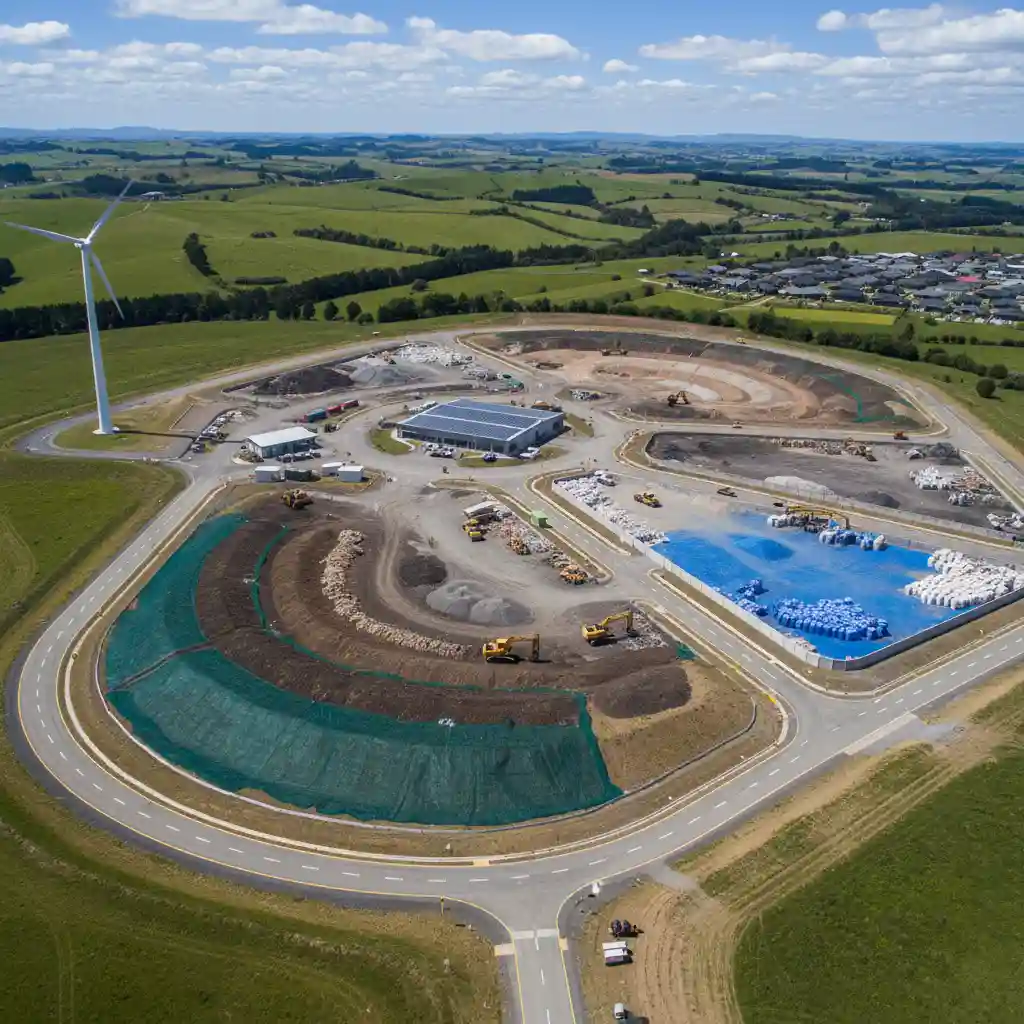
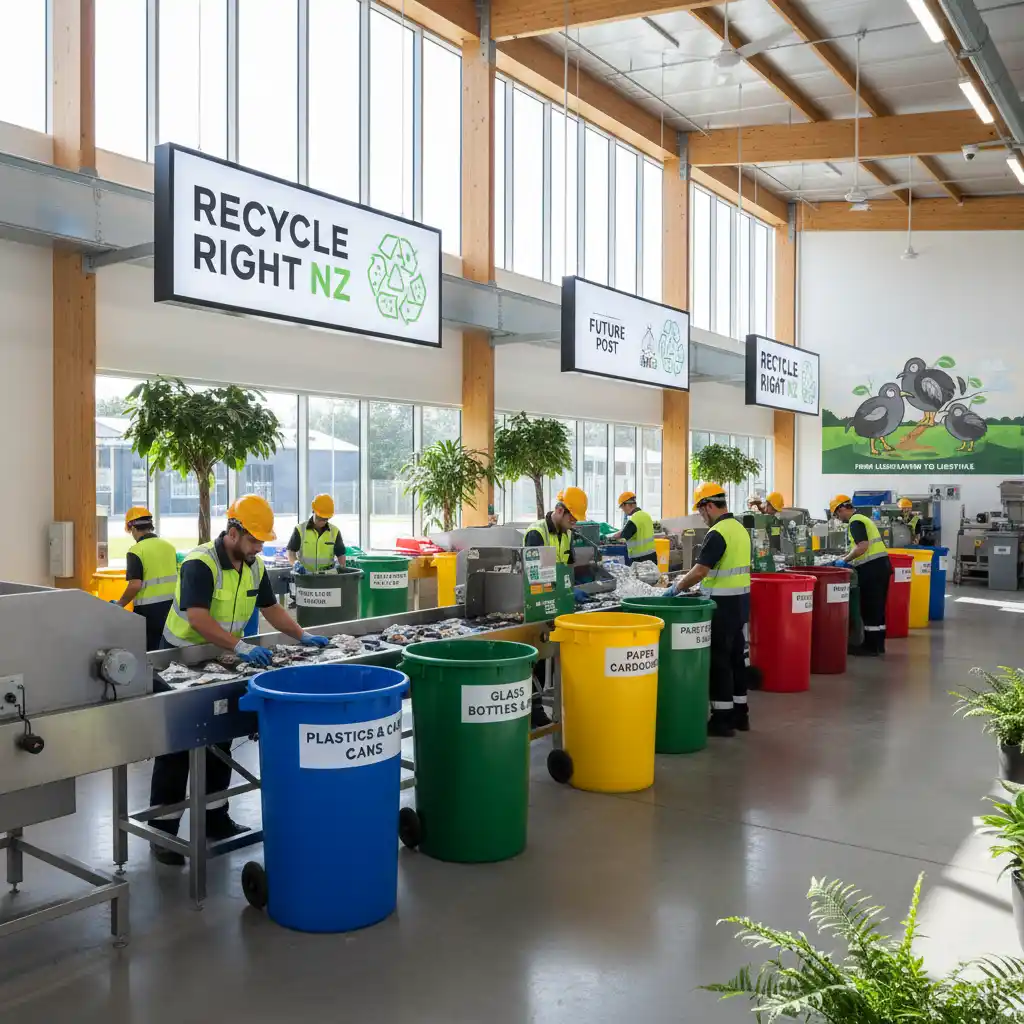
New Zealand, Aotearoa, a land renowned for its breathtaking natural beauty and profound commitment to kaitiakitanga (guardianship), is at a pivotal point in its environmental story. The global plastic crisis poses a significant threat to its pristine landscapes, marine life, and unique ecosystems. Recognising this urgent challenge, the nation has embarked on an ambitious and multifaceted **journey toward a plastic-free future**.
This article delves into the heart of **New Zealand’s journey toward a plastic-free future**, detailing the proactive policies, groundbreaking innovations, and collective community efforts driving this crucial transformation. From legislative bans to inspiring grassroots movements, we explore how Aotearoa is tackling plastic waste head-on to protect its natural heritage for generations to come.
1. The Plastic Problem in Aotearoa
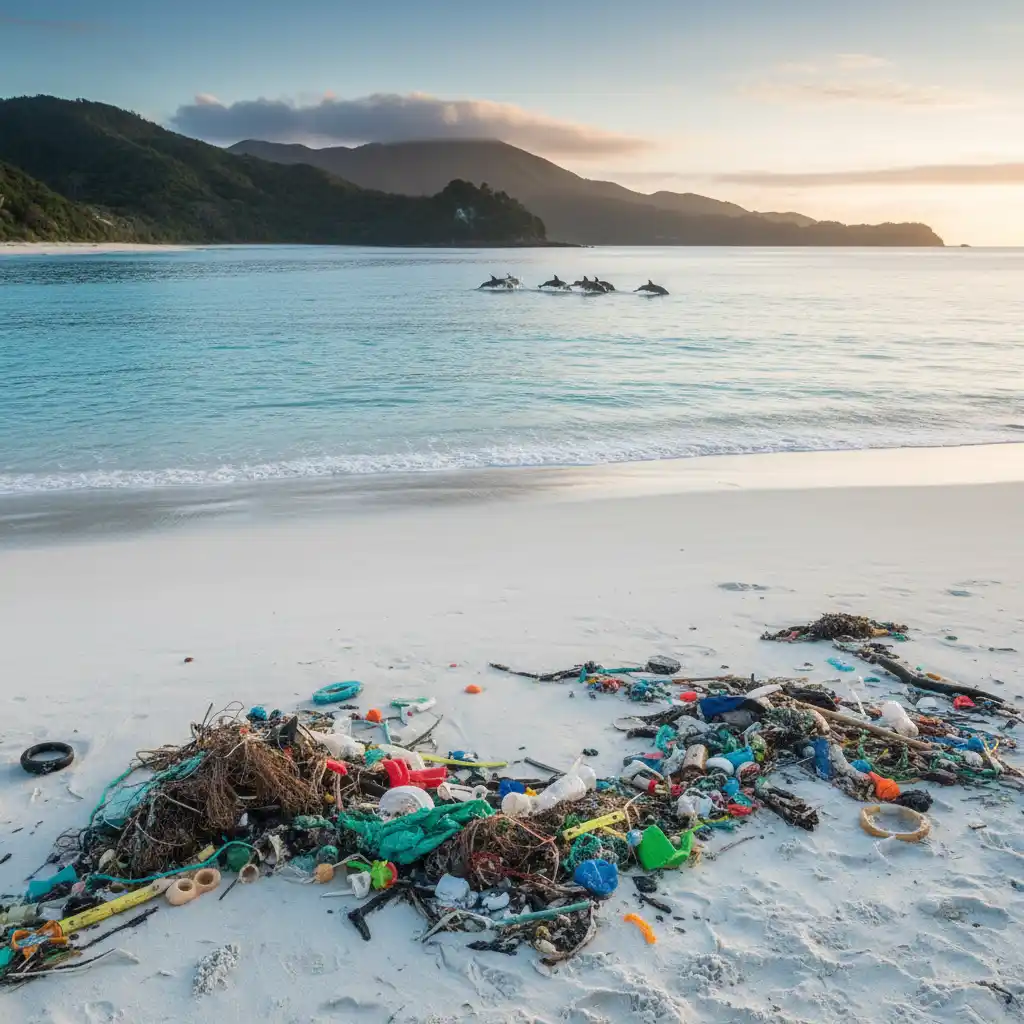
Globally, plastic pollution has reached alarming levels, with millions of tonnes entering our oceans annually. New Zealand, despite its relatively small population, contributes significantly to this global challenge. Our reliance on convenience plastics, coupled with historical waste management practices, has meant a steady accumulation of plastic waste in landfills and the environment.
The urgency to address plastic pollution stems from its devastating impact on marine ecosystems, wildlife, and even human health. Microplastics have been found in everything from remote Antarctic waters to the air we breathe and the food we eat, highlighting the pervasive nature of this synthetic material.
Stat Callout: New Zealanders generated approximately 2.8 million tonnes of waste in 2020, with plastics making up a significant portion. While exact figures vary, estimates suggest that plastic packaging alone contributes over 60,000 tonnes of waste annually, much of which ends up in landfills or pollutes our natural environment. (Ministry for the Environment, 2021)
2. Policy & Progress: New Zealand’s Legislative Framework
Aotearoa has demonstrated a strong political will to curb plastic pollution, enacting a series of progressive legislative changes. This proactive stance marks a significant step in **New Zealand’s journey toward a plastic-free future**.
Banning Single-Use Plastics
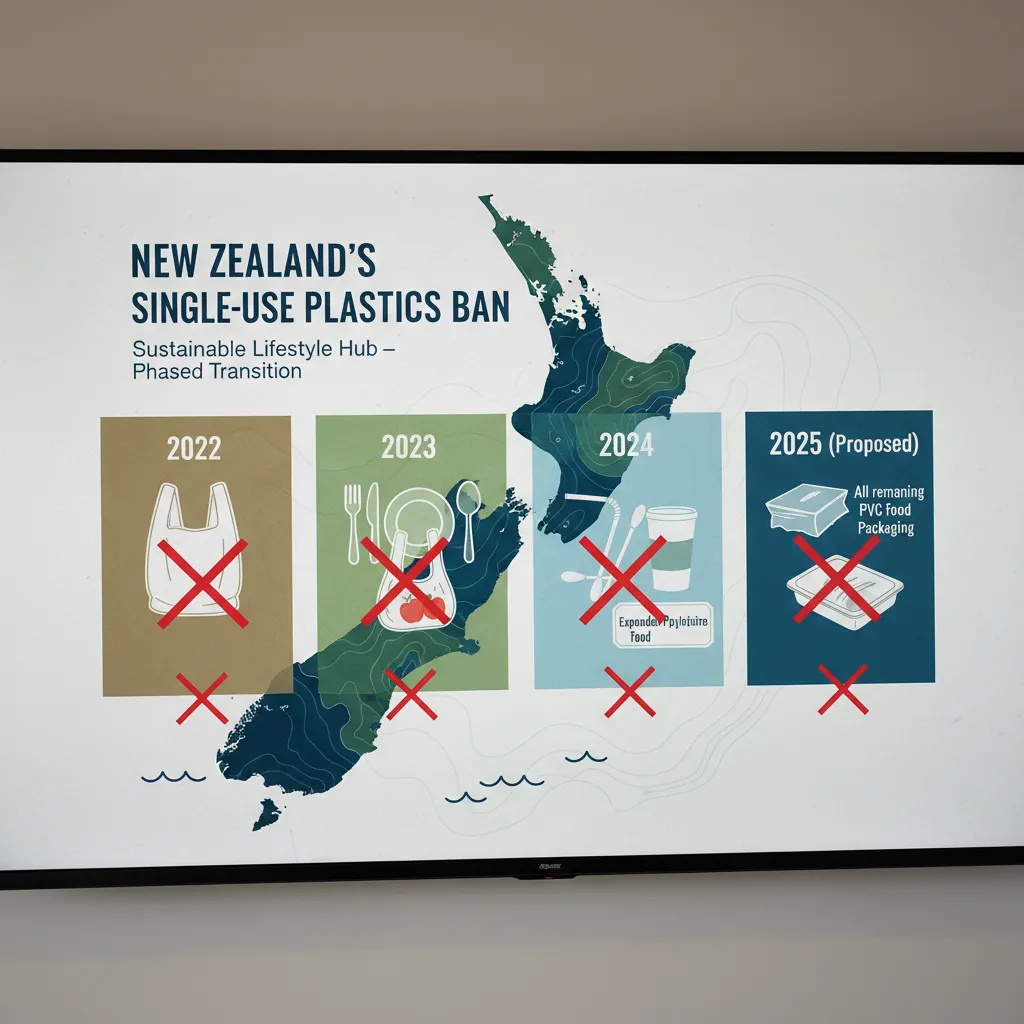
One of the most visible and impactful initiatives was the nationwide ban on single-use plastic bags, implemented in 2019. This move saw widespread public support and quickly changed consumer behaviour.
Stat Callout: The single-use plastic bag ban successfully removed an estimated 1.25 billion plastic bags from circulation annually, demonstrating the tangible impact of well-implemented policy. (Retail NZ, 2020)
Building on this success, the government has further committed to phasing out a range of problematic single-use plastic items. This multi-stage plan includes items like plastic ear buds, drink stirrers, and specific PVC and polystyrene packaging, with further bans on plastic produce bags and cutlery coming into effect by mid-2025. These targeted interventions aim to significantly reduce the volume of hard-to-recycle and frequently littered plastics.
Product Stewardship Schemes
Beyond bans, New Zealand is also focusing on producer responsibility through regulated product stewardship schemes. These schemes shift the burden of waste management from local councils and taxpayers to the producers and importers of products. The goal is to encourage better product design, increased recycling, and the development of circular economy principles.
Current priorities include schemes for tyres, plastic packaging, and agricultural plastics, aiming to ensure these materials are collected and recycled rather than ending up in landfills or contaminating the environment. This represents a crucial shift in how waste is managed, moving from a linear “take-make-dispose” model to one of greater responsibility and resource recovery.
3. Innovators & Industry Leaders Driving Change
While government policy sets the framework, true systemic change requires the active participation and innovation of the private sector. Across Aotearoa, businesses are stepping up, demonstrating remarkable creativity and commitment to support **New Zealand’s journey toward a plastic-free future**.
Sustainable Packaging Solutions
Many New Zealand companies are actively redesigning their packaging to reduce plastic use, opt for recycled content, or switch to genuinely compostable alternatives. From food manufacturers using plant-based trays to beauty brands offering refillable options, the market for sustainable packaging is rapidly expanding.
Innovations include everything from packaging made from food waste to advanced recycling technologies that turn previously unrecyclable plastics into new products. These efforts are not just about compliance but are often driven by a genuine desire to meet growing consumer demand for environmentally responsible products.
Circular Economy Initiatives
Beyond packaging, businesses are embracing broader circular economy principles, where materials are kept in use for as long as possible. This includes initiatives like reusable coffee cup schemes, return-and-refill programmes for household goods, and companies transforming waste materials into valuable new products. For instance, some companies are turning plastic waste into building materials or furniture, closing the loop on valuable resources and fostering a genuine **plastic-free New Zealand** ethos.

4. Community & Consumer Action: Power from the People
The grassroots movement and individual choices play an indispensable role in achieving a truly plastic-free New Zealand. Informed and engaged consumers are powerful drivers of change, creating demand for sustainable alternatives and holding businesses accountable.
Zero Waste & Refill Culture
Throughout New Zealand, a thriving network of zero-waste stores and refill stations has emerged, making it easier for consumers to reduce their plastic footprint. These shops offer bulk foods, cleaning products, and personal care items, encouraging customers to bring their own containers. This movement fosters a community-centric approach to reducing waste and promoting conscious consumption, vital for achieving a **plastic-free future**.
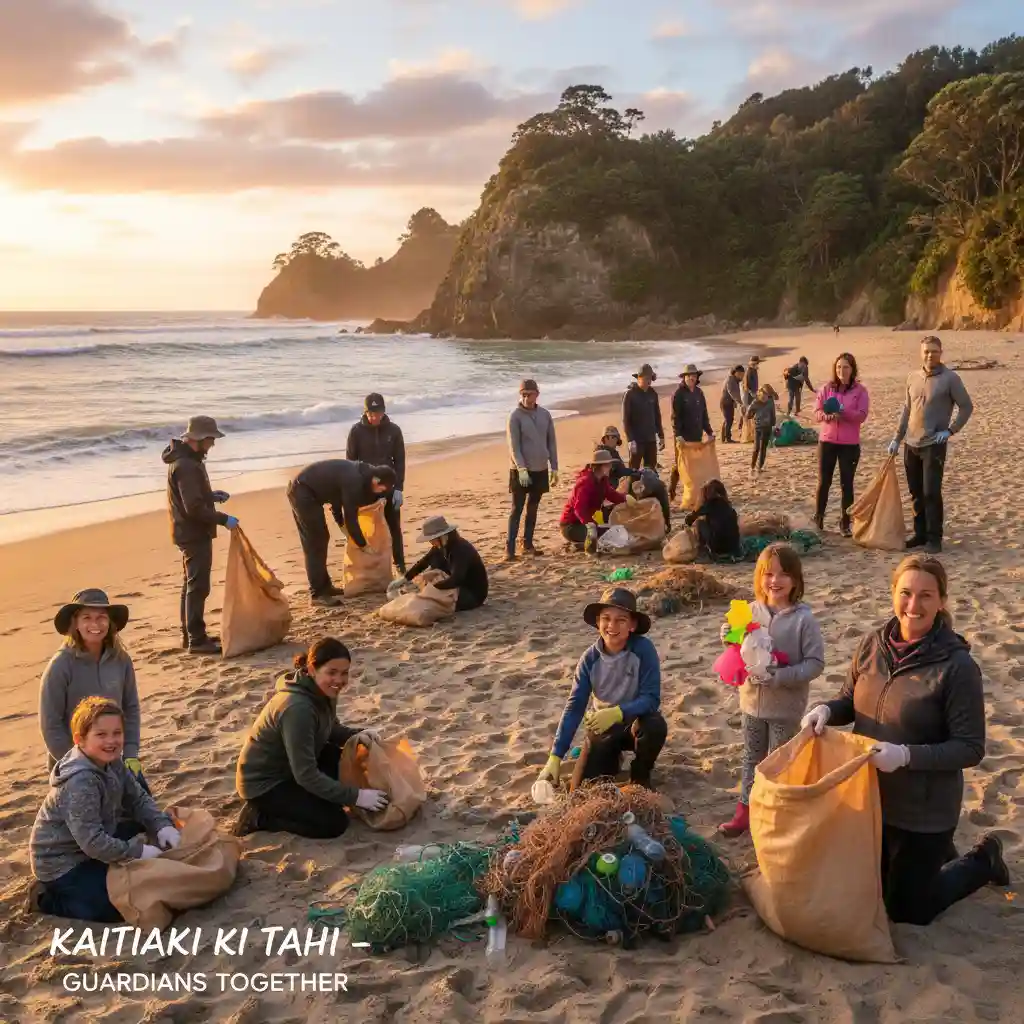
Community initiatives, beach clean-ups, and educational workshops are also vital, raising awareness and empowering individuals to make more sustainable choices in their daily lives. These efforts underline that **New Zealand’s journey toward a plastic-free future** is a collective endeavour, powered by engaged citizens.
Stat Callout: Surveys indicate a strong public desire for less plastic, with over 80% of New Zealanders believing businesses should do more to reduce plastic packaging, showcasing significant consumer support for a plastic-free future. (Colmar Brunton, 2022)
5. Challenges & The Road Ahead for a Plastic-Free Aotearoa
While significant progress has been made, the path to a completely plastic-free New Zealand is not without its challenges. Complex plastic types, such as multi-layered packaging, remain difficult to recycle economically. The global nature of supply chains also means that importing goods with plastic packaging continues to be a hurdle, impacting local efforts to become a **plastic-free New Zealand**.
Furthermore, ensuring equitable access to plastic-free alternatives for all communities, regardless of socio-economic status or geographical location, is an ongoing consideration. Continued investment in infrastructure for collection, sorting, and advanced recycling technologies is crucial to closing the loop on more challenging plastic wastes.
However, the momentum is undeniable. **New Zealand’s journey toward a plastic-free future** is driven by a shared vision of protecting its unique environment. By continuing to foster collaboration between government, industry, and the community, Aotearoa aims to be a global leader in sustainable waste management and a beacon for a circular economy.
The commitment to kaitiakitanga will continue to guide future policy development and innovation, ensuring that the legacy of a clean, green, and plastic-free New Zealand is passed down through generations. This long-term vision ensures a sustainable lifestyle hub for all.
Frequently Asked Questions
How has New Zealand addressed plastic bag pollution?
New Zealand implemented a nationwide ban on single-use plastic bags in 2019, successfully removing an estimated 1.25 billion bags from circulation annually and significantly changing consumer habits.
What other single-use plastics are banned in New Zealand?
Following the plastic bag ban, New Zealand is phasing out a range of problematic single-use plastic items in stages, including plastic ear buds, drink stirrers, specific PVC and polystyrene packaging, and will ban plastic produce bags and cutlery by mid-2025.
What are product stewardship schemes?
Product stewardship schemes in New Zealand make producers and importers responsible for the entire lifecycle of their products, from design to end-of-life. This encourages better product design, increased recycling, and circular economy principles. Current priorities include schemes for tyres, plastic packaging, and agricultural plastics.
How can individuals contribute to a plastic-free New Zealand?
Individuals can contribute by reducing their consumption of single-use plastics, choosing reusable alternatives, supporting businesses with sustainable packaging, participating in community clean-ups, and advocating for stronger environmental policies. Supporting local zero-waste and refill stores is also an impactful way.
What challenges remain in New Zealand’s journey toward a plastic-free future?
Challenges include addressing complex plastic types (like multi-layered packaging), managing plastic waste from imported goods, ensuring equitable access to plastic-free alternatives across all communities, and investing further in advanced recycling infrastructure.
References & Sources
- Ministry for the Environment. (2021). Our environment 2021. Retrieved from https://www.mfe.govt.nz/publications/environmental-reporting/our-environment-2021
- Retail NZ. (2020). Single-use Plastic Bag Ban Review: Impact Assessment.
- Colmar Brunton. (2022). Consumer Attitudes Towards Plastic Packaging Report (commissioned research).
- WasteMINZ. (Ongoing). Product Stewardship Programme Information & Updates. Retrieved from https://www.wasteminz.org.nz/
- New Zealand Government. (Ongoing). Phasing out hard-to-recycle plastics. Retrieved from https://environment.govt.nz/what-government-is-doing/areas-of-work/waste/phasing-out-hard-to-recycle-plastics/