New Zealand’s Innovative Leap in Waste-to-Resource Sustainability
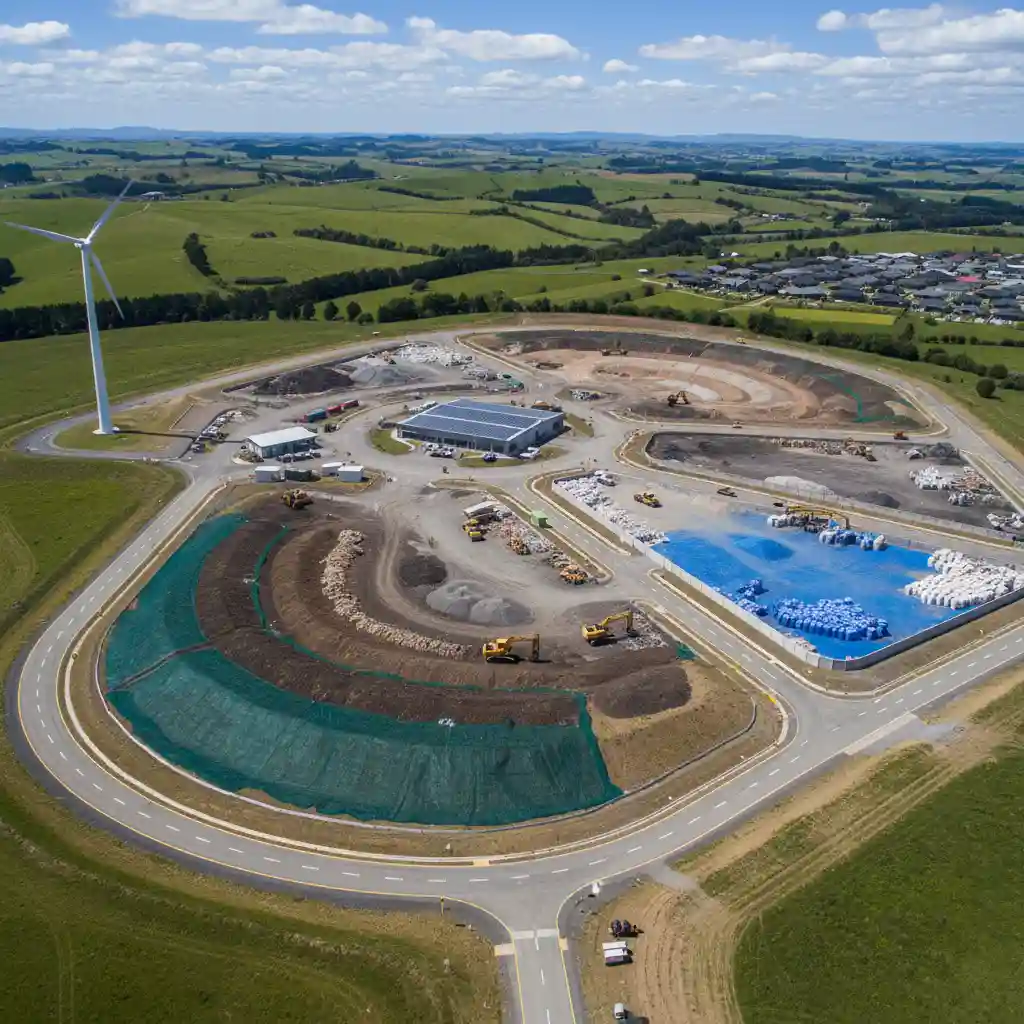
New Zealand, a nation celebrated for its pristine natural beauty, is embarking on a profound transformation. Moving beyond traditional waste management, the country is making an innovative leap in waste-to-resource sustainability. This shift is not merely about better recycling; it’s a fundamental reimagining of how resources flow through our economy, aiming to create a truly circular future.
From parliamentary legislation to grassroots community initiatives, the focus is squarely on valuing every material and minimizing environmental impact. This article explores the exciting developments propelling New Zealand towards a sustainable future, where waste is seen not as an end, but as a valuable beginning.
The Urgency of Waste: Why NZ is Shifting
For decades, New Zealand, like many developed nations, operated under a linear ‘take-make-dispose’ economic model. However, increasing landfill volumes, environmental concerns, and a global push for climate action have necessitated a radical rethink. The impacts of plastic pollution on our coastlines and the increasing strain on natural resources have made it clear: the status quo is unsustainable.
This awakening has fueled New Zealand’s commitment to transition from a technical waste management approach, focused on disposal, to a holistic waste-to-resource model. It’s a strategic move to safeguard the country’s biodiversity and uphold its clean, green image for future generations.

From Waste Management to Resource Innovation
The core of New Zealand’s innovative leap in waste-to-resource sustainability lies in its shift from managing waste as a problem to treating it as a valuable resource. This paradigm change involves robust policy, investment in new technologies, and fostering a culture of mindful consumption.
Rather than simply diverting waste from landfills, the new approach aims to prevent waste generation in the first place, design products for longevity and recyclability, and recover maximum value from materials that do enter the resource stream. This ambitious vision positions New Zealand as a leader in sustainable practices.
Key Pillars of New Zealand’s Waste-to-Resource Strategy
Embracing Circular Economy Principles
At the heart of the transition is the adoption of circular economy principles. This framework aims to keep products and materials in use, regenerate natural systems, and eliminate waste and pollution by design. New Zealand is implementing Extended Producer Responsibility (EPR) schemes, particularly for problematic waste streams like packaging and electronics, placing the onus on manufacturers to manage their products’ end-of-life.
“A circular economy is restorative and regenerative by design, and aims to keep products, components, and materials at their highest utility and value at all times.”
Technological Advancements in Resource Recovery
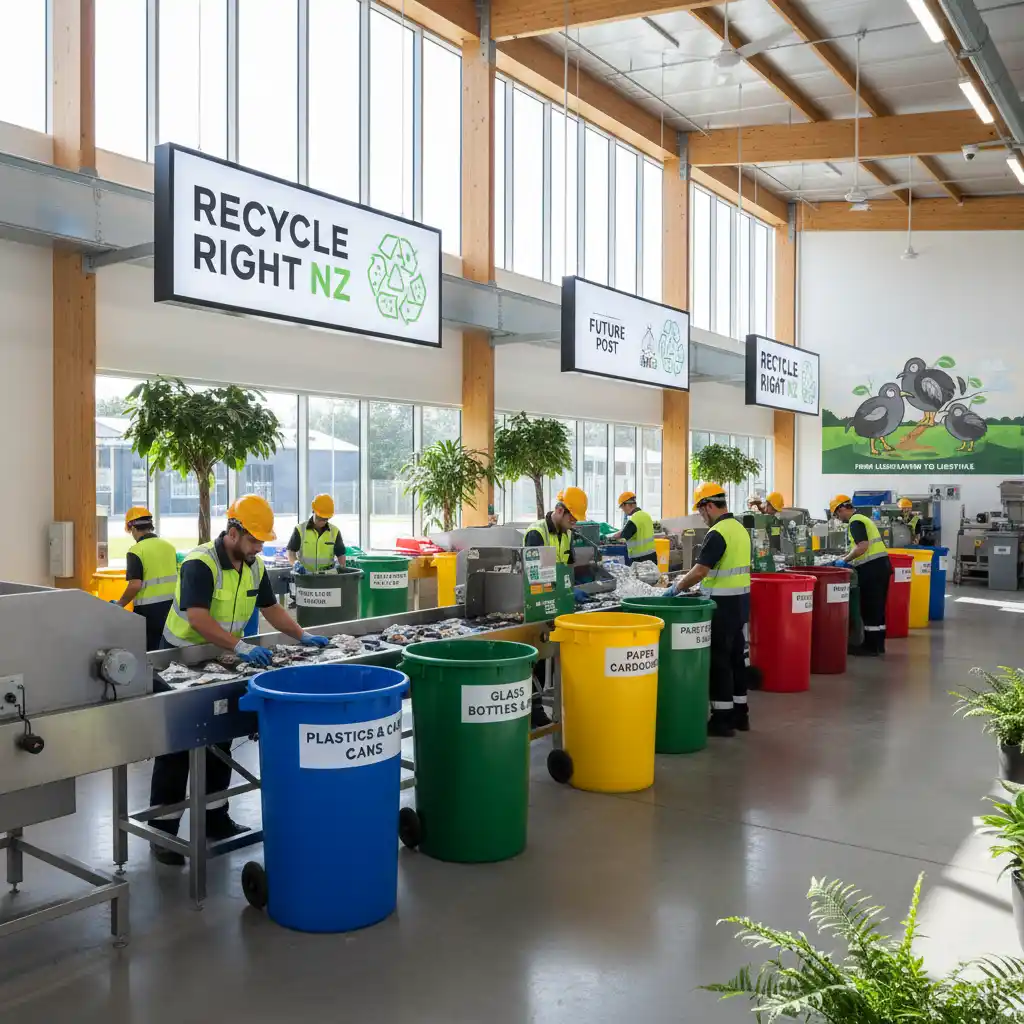
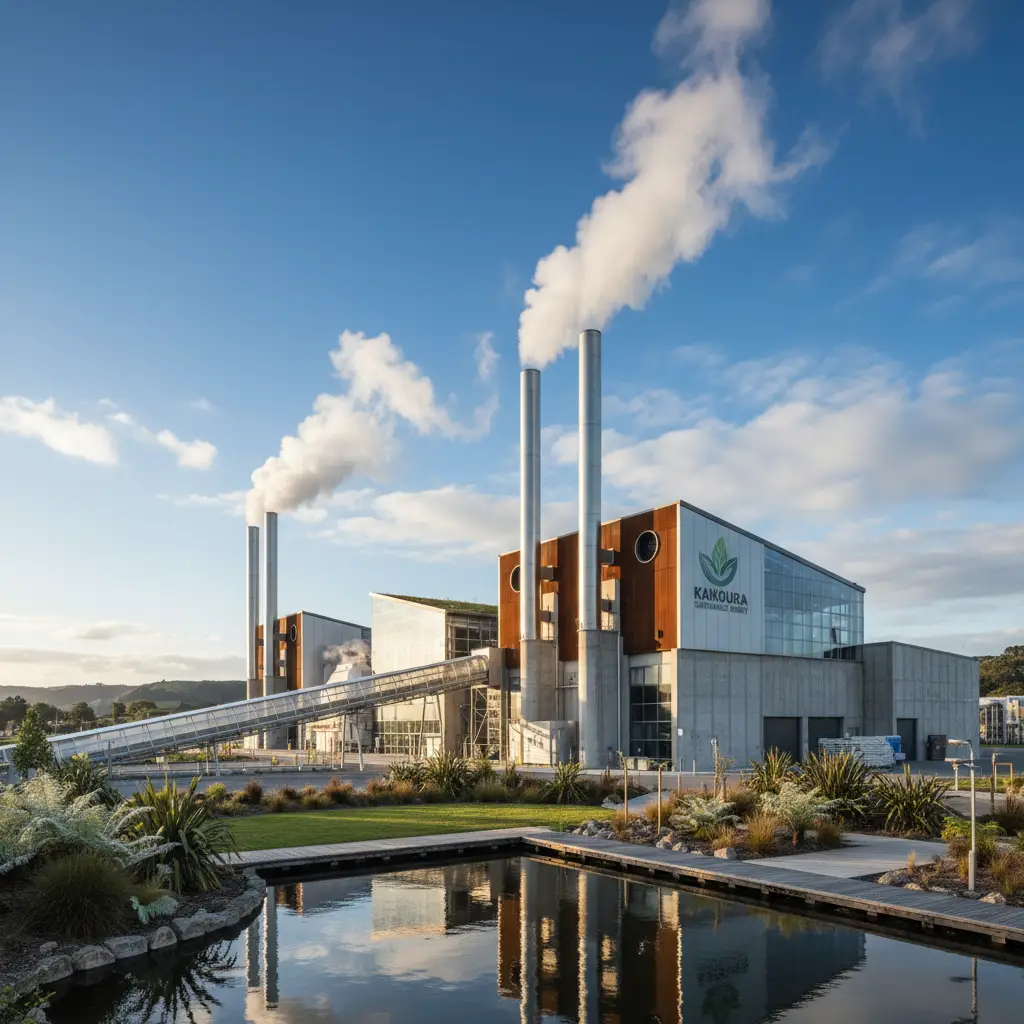
Innovation is key. New Zealand is investing in cutting-edge technologies to transform waste into new products. This includes advanced sorting facilities, waste-to-energy solutions for non-recyclable materials (while prioritizing reduction), and bio-conversion technologies that turn organic waste into valuable resources like compost and biogas.
Stat Callout:
Over 200,000 tonnes of organic waste are diverted from landfills annually in New Zealand, often converted into high-quality compost or renewable energy. This figure is projected to significantly increase with new initiatives.
Community & Consumer Engagement
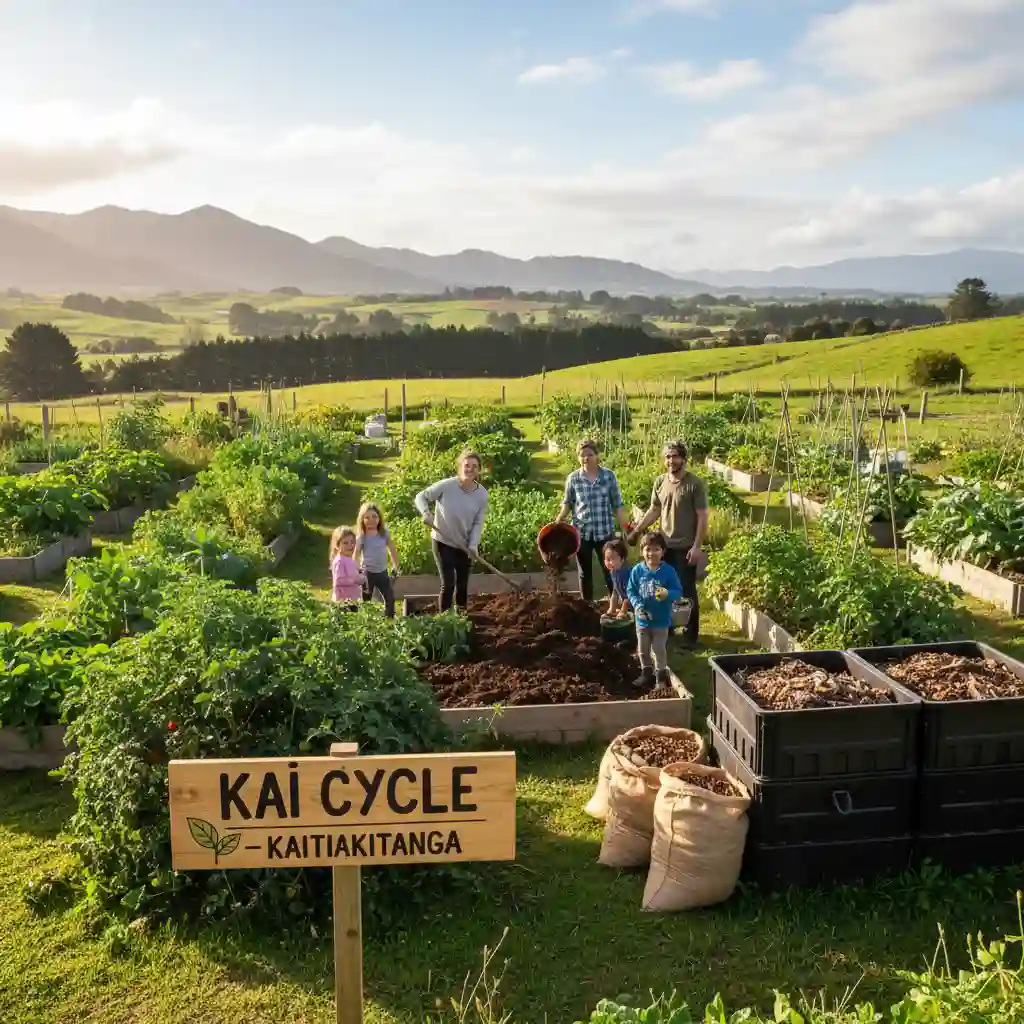
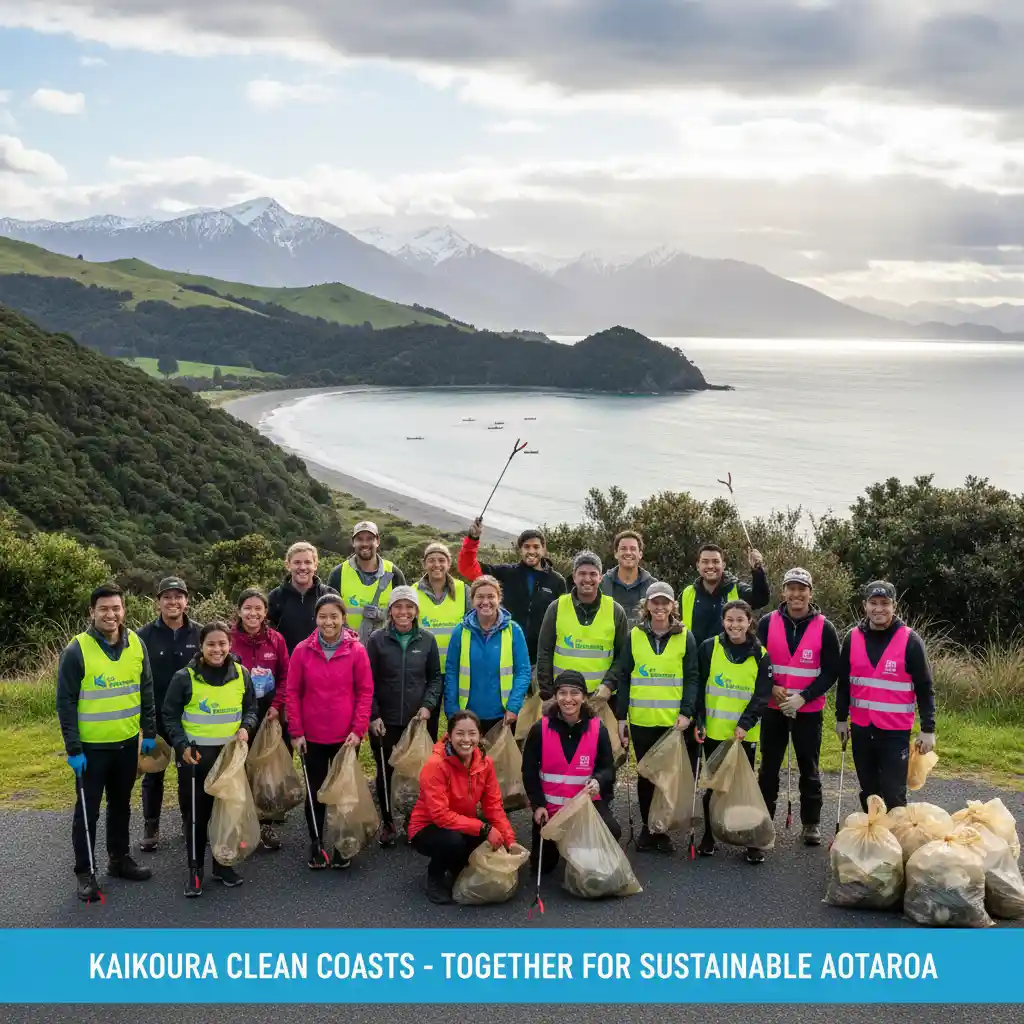
No sustainability leap is possible without public participation. Education campaigns, accessible recycling infrastructure, and initiatives like Repair Cafes and community composting hubs are empowering New Zealanders to adopt more sustainable habits. The focus is shifting from simply asking people to recycle to encouraging conscious consumption and waste reduction at the source.
Stat Callout:
Recent surveys indicate over 80% of New Zealanders believe individuals have a crucial role in waste reduction, showing a strong public appetite for sustainable living practices.
Spotlight on Local Successes
Across the motu, various projects exemplify New Zealand’s innovative leap in waste-to-resource sustainability. From Auckland’s push for food waste collection to small businesses developing innovative packaging solutions, the spirit of ingenuity is thriving.
- Food Waste Composting: Many councils are rolling out kerbside food waste collection, transforming organic waste into nutrient-rich compost for gardens and farms.
- Construction and Demolition Waste: Innovative companies are finding ways to recover and reuse materials from building sites, significantly reducing landfill burden.
- Product Stewardship Schemes: Mandatory schemes for tyres and refrigerants are leading to better collection and processing, preventing environmental contamination.
Challenges and the Road Ahead
Despite impressive progress, the journey is not without its hurdles. Geographical dispersion, the cost of new infrastructure, and the need for consistent policy across all regions remain significant challenges. Furthermore, shifting ingrained consumer habits requires sustained effort and education.
However, New Zealand’s collective resolve, backed by governmental commitment and increasing public awareness, points towards a positive trajectory. The focus remains on continuous improvement, learning, and adapting to new technologies and societal needs.
Your Role in New Zealand’s Sustainable Future
As consumers, we are integral to the success of New Zealand’s innovative leap in waste-to-resource sustainability. Every choice, big or small, contributes to the larger picture:
- Reduce First: Prioritize buying less, choosing durable products, and repairing items.
- Reuse & Repurpose: Extend the life of products through creative reuse.
- Recycle Right: Understand local recycling rules to avoid contamination.
- Support Sustainable Businesses: Choose companies committed to circular practices and ethical sourcing.
- Advocate: Encourage local councils and government to continue investing in waste reduction and resource recovery.
Conclusion: A Brighter, Greener Horizon
New Zealand’s journey towards waste-to-resource sustainability is a testament to its commitment to environmental stewardship. By embracing innovation, fostering collaboration, and empowering its citizens, Aotearoa is not just managing its waste but actively cultivating a resilient, circular economy.
This proactive stance ensures that the ‘Land of the Long White Cloud’ will remain a beacon of natural beauty and sustainable living for generations to come, setting a compelling example for the rest of the world.
Frequently Asked Questions
What does ‘waste-to-resource sustainability’ mean for New Zealand?
It means shifting from a linear system where resources are taken, used, and then disposed of as waste, to a circular system where waste is minimized, and materials are reused, recycled, or recovered to be transformed into new products or energy. New Zealand aims to treat ‘waste’ as a valuable input for new processes.
How is New Zealand implementing circular economy principles?
New Zealand is implementing Extended Producer Responsibility (EPR) schemes for specific products (like tyres, packaging), encouraging product design for durability and recyclability, promoting repair and reuse initiatives, and investing in technologies for material recovery and waste transformation.
What role do consumers play in this transition?
Consumers play a vital role by adopting habits of reduction (buying less, choosing durable goods), reuse, and correct recycling. Supporting businesses with sustainable practices and engaging in community initiatives also contributes significantly to New Zealand’s waste-to-resource goals.
Are there any specific waste streams New Zealand is focusing on?
Yes, significant focus areas include organic waste (food and garden waste), plastic packaging, construction and demolition waste, and e-waste. These are often targeted due to their volume, environmental impact, or potential for high-value recovery.
References & Sources
- Ministry for the Environment. (2023). Waste Strategy and Legislation for Aotearoa New Zealand. Retrieved from mfe.govt.nz
- Ellen MacArthur Foundation. (n.d.). Circular Economy Principles. Retrieved from ellenmacarthurfoundation.org
- Stats NZ. (2022). Environmental-Economic Accounts: Waste. Retrieved from stats.govt.nz
- WasteMINZ. (2023). Resource Recovery Initiatives. Retrieved from wasteminz.org.nz