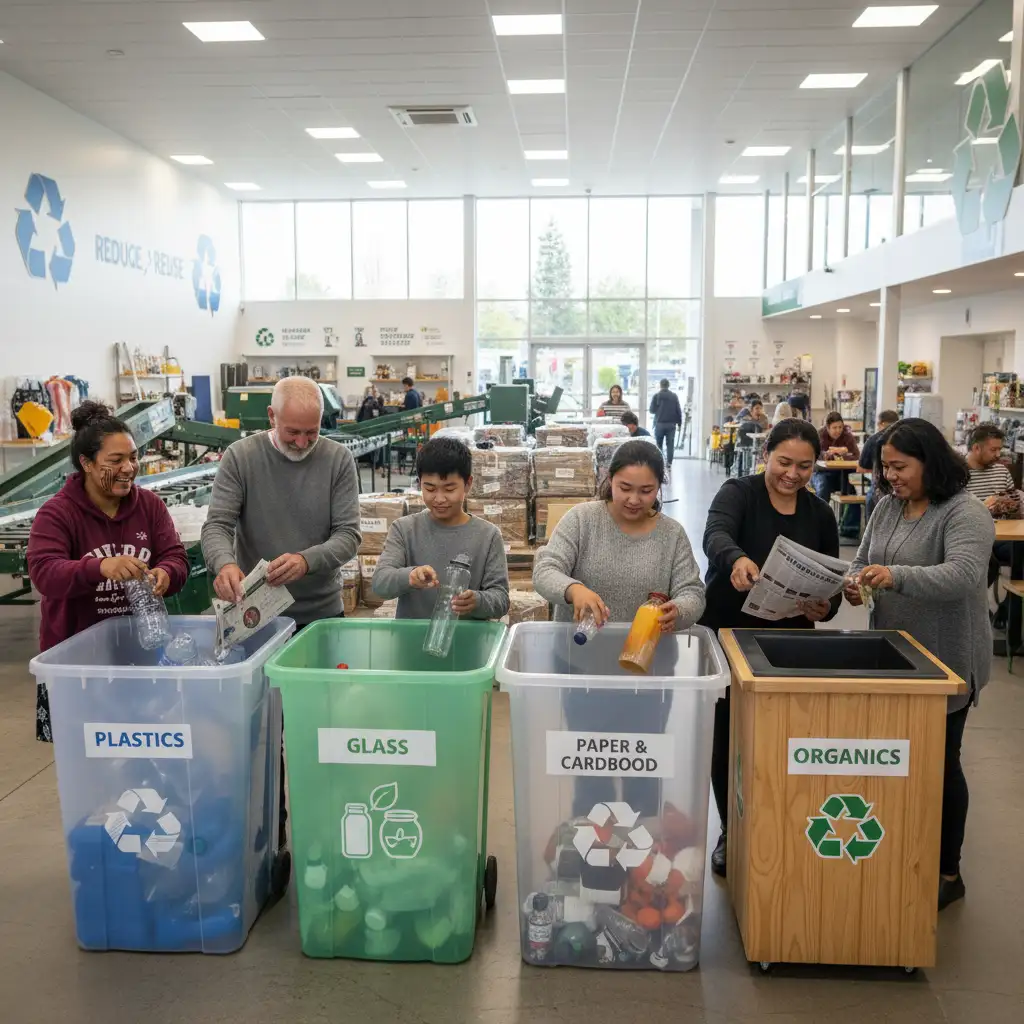
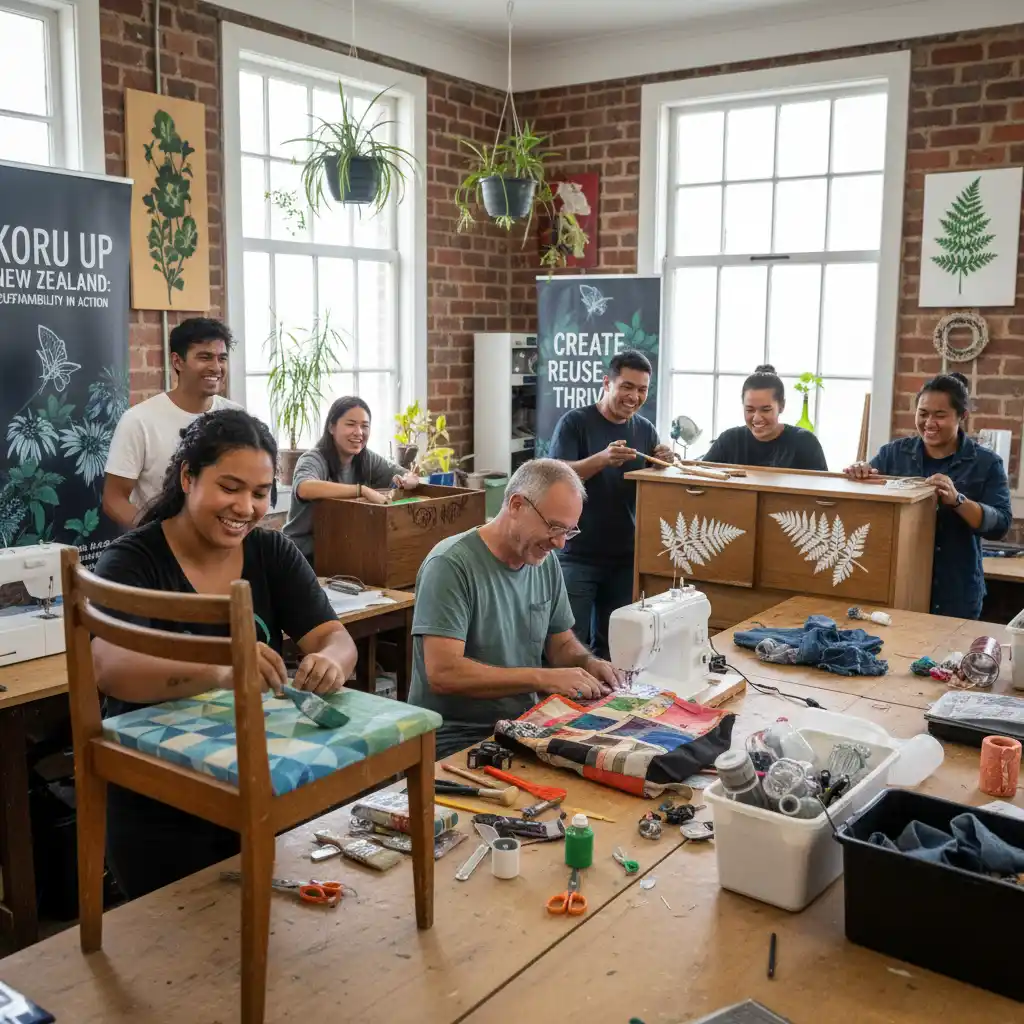
Smart Tech Transforms Waste Sorting for Sustainable Recycling
Unlocking a Greener Future for New Zealand with Intelligent Waste Management
The hum of a robotic arm, the precision of AI algorithms, the seamless connectivity of IoT — these aren’t just elements of a sci-fi movie. They are the cutting edge of modern waste management, actively transforming how we sort and recycle waste. For New Zealand, a nation deeply committed to preserving its pristine environment, embracing such innovation is not merely an option, but a vital step towards a truly sustainable future.
As we transition towards a more circular economy, the efficiency of our recycling processes becomes paramount. Traditional methods, often reliant on manual labour and human fallibility, struggle to keep pace with the diversity and volume of waste we generate. Enter smart technology: a game-changer poised to revolutionise our approach, making recycling smarter, faster, and significantly more effective. This shift not only reduces landfill burden but also enhances resource recovery, fostering a truly sustainable lifestyle right here in Aotearoa.
The Growing Challenge of Waste in New Zealand
New Zealand faces a significant challenge with waste management. Despite strong environmental values, our per capita waste generation remains high, and recycling rates, while improving, still have substantial room for growth. Contamination in recycling streams is a persistent issue, leading to valuable materials being diverted to landfill.
Stat Callout: New Zealand generates approximately 3.5 million tonnes of waste annually, with a significant portion still ending up in landfills. Improving sorting efficiency is crucial to diverting more resources.
This issue isn’t just about overflowing bins; it’s about lost resources, greenhouse gas emissions from landfills, and the environmental impact of extracting new raw materials. Manual sorting processes, while essential, can be slow, costly, and less accurate than desired, especially with the increasing complexity of packaging materials.
What is Smart Waste Technology?
Smart waste technology encompasses a range of innovative solutions that leverage artificial intelligence (AI), robotics, the Internet of Things (IoT), and data analytics to improve every stage of waste management, from collection to sorting and processing. It’s about bringing intelligence and automation to a historically manual sector.
“Smart tech is revolutionising waste management by turning complex, labour-intensive tasks into efficient, data-driven processes, ultimately increasing the purity and value of recycled materials.”
At its core, this technology aims to achieve higher purity in recycled materials, reduce operational costs, minimise human error, and provide valuable insights into waste generation patterns. This precision is key to truly sustainable recycling.
How Smart Tech Transforms Waste Sorting
The transformation is multifaceted, touching various points in the recycling stream. Here’s a closer look at the key technologies:
AI-Powered Recognition and Sorting
Artificial Intelligence (AI) algorithms are trained to recognise different types of materials based on their visual characteristics, even distinguishing between subtle variations in plastic types (e.g., PET from HDPE). High-speed cameras capture images of waste on conveyor belts, and AI processes this data in milliseconds.
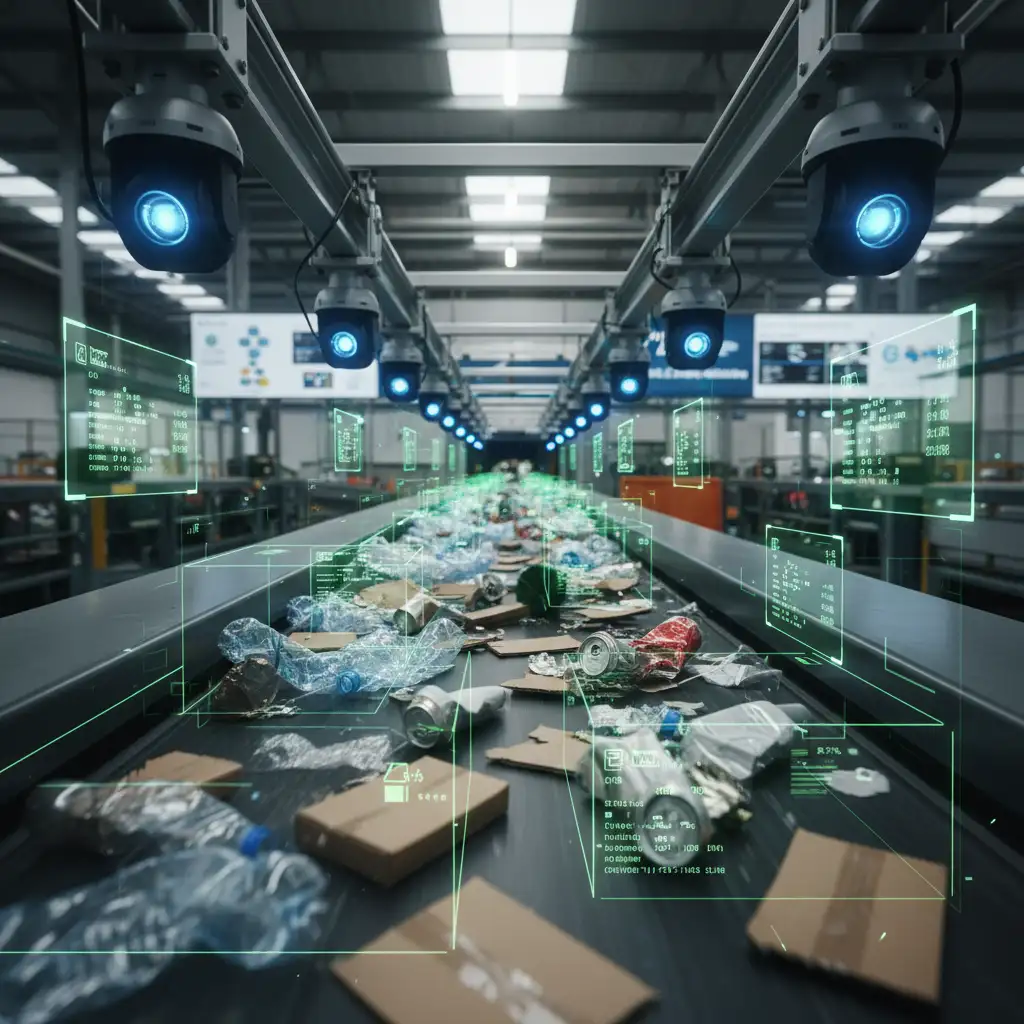
- Precision Identification: AI can identify contaminants and specific material types with an accuracy far exceeding human capabilities.
- Adaptability: Systems can be retrained to recognise new materials or adapt to changes in waste streams.
- Increased Throughput: Allows for faster processing of larger volumes of waste.
Robotic Automation: The Hands-On Approach
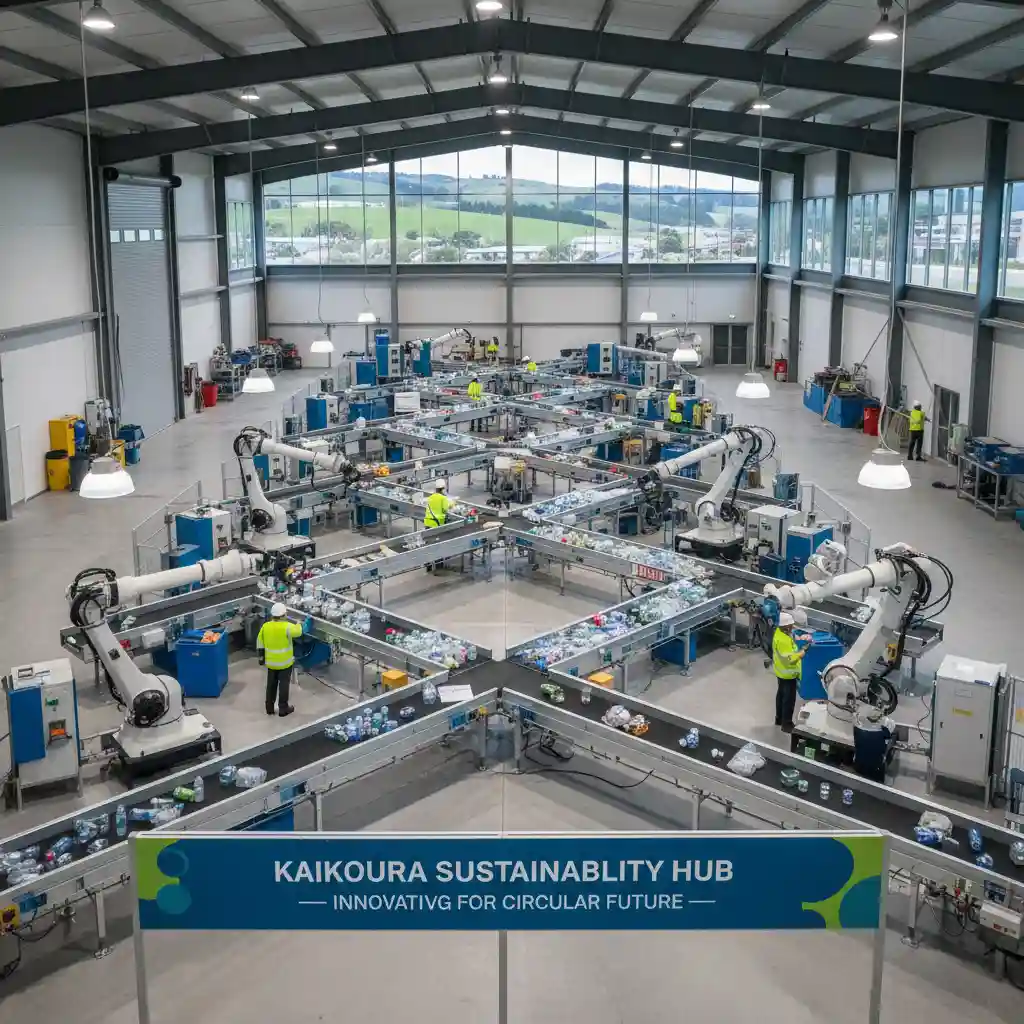
Once AI identifies a material, robotic arms, equipped with various grippers and suction cups, swiftly pick and sort items into designated bins. These robots can operate 24/7 in challenging environments, significantly reducing the need for manual labour in hazardous or repetitive tasks.
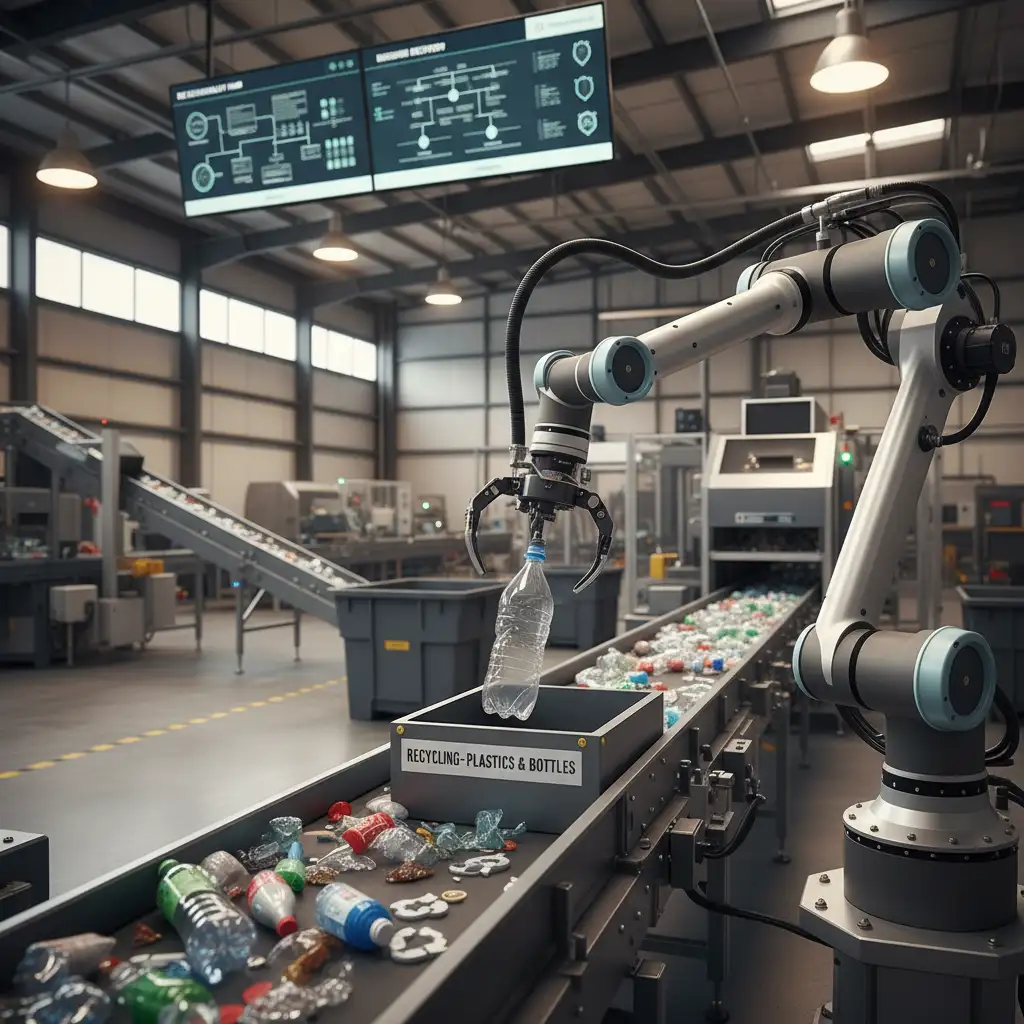
Stat Callout: Robotic sorters can process up to 80 picks per minute per arm, drastically outperforming manual sorting and leading to higher purity rates for recycled materials.
IoT-Enabled Bins and Data Analytics
Beyond the sorting facility, the Internet of Things (IoT) plays a crucial role. Smart bins equipped with sensors can monitor fill levels, sending data to waste collection services. This allows for optimised collection routes, reducing fuel consumption and operational costs. Data analytics then provides insights into waste generation, helping municipalities and businesses make informed decisions.
- Optimised Collection: Reduces unnecessary trips, saving fuel and cutting emissions.
- Predictive Maintenance: Sensors can monitor equipment health, preventing costly breakdowns.
- Waste Auditing: Provides real-time data on waste composition, supporting better policy and educational initiatives.
Key Benefits for New Zealand’s Sustainable Future
The integration of smart tech offers profound benefits for New Zealand, aligning perfectly with our environmental aspirations:
- Enhanced Resource Recovery: Higher purity levels mean more materials can be recycled into new products, reducing reliance on virgin resources.
- Reduced Landfill Waste: Efficient sorting diverts more waste from landfills, conserving valuable land and mitigating environmental pollution.
- Economic Advantages: Creates new jobs in tech and green industries, reduces operational costs for waste management, and potentially generates revenue from higher-quality recycled commodities.
- Environmental Protection: Less waste to landfill means reduced methane emissions, and increased recycling saves energy and cuts greenhouse gas emissions associated with manufacturing from raw materials.
- Data-Driven Policy: Real-time data informs better waste policies and consumer education campaigns, fostering a more informed and engaged public.
Your Role in Smart Recycling: Empowering Consumers
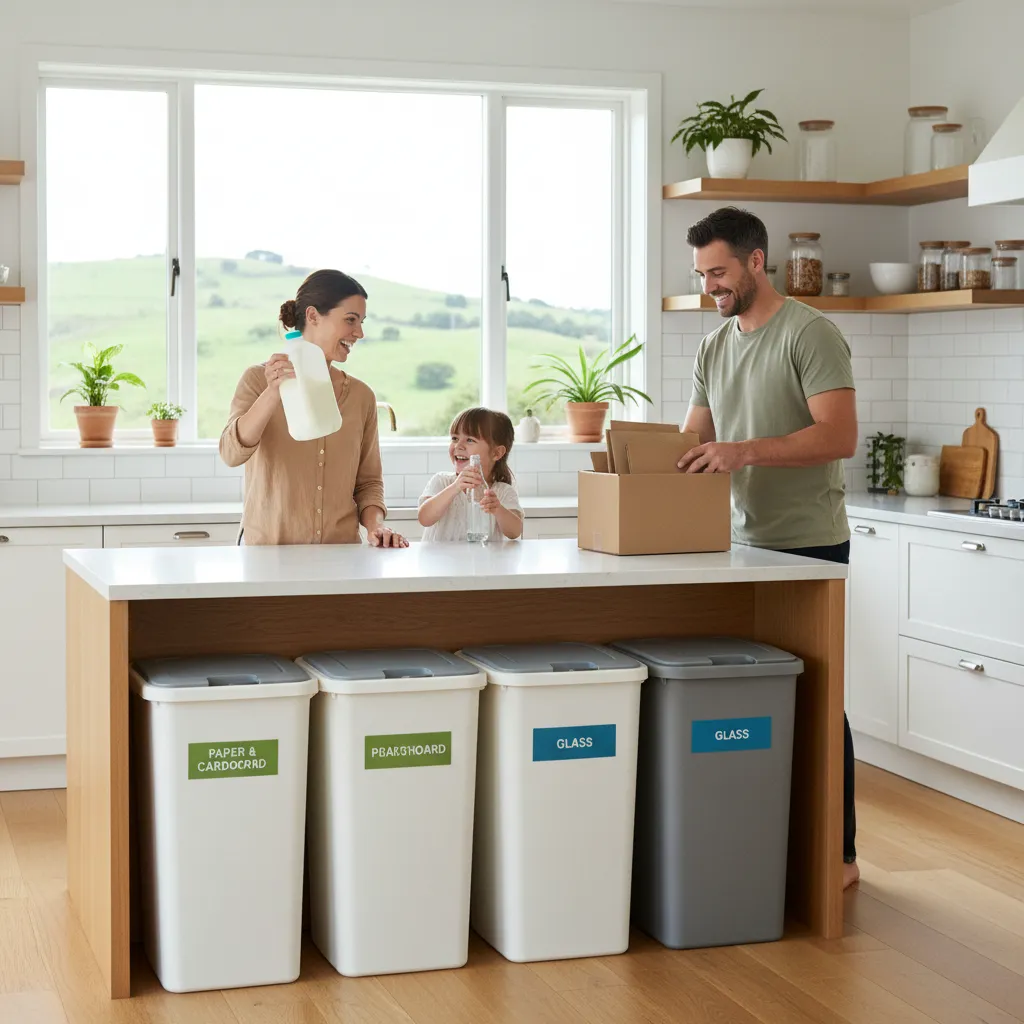
While smart tech works behind the scenes, consumers play a vital role in its success. Your efforts at home directly impact the efficiency of these advanced systems.
Here’s how you can contribute to a smarter, more sustainable recycling future in New Zealand:
- Know Your Local Rules: Always check your local council’s recycling guidelines. What’s accepted can vary significantly.
- Rinse and Dry: Food residue contaminates entire batches. A quick rinse makes a huge difference, especially for plastics and cans.
- Reduce Contamination: Keep non-recyclables out of your recycling bin. Items like soft plastics, plastic bags, and dirty nappies can jam machinery and spoil otherwise good batches.
- Flatten Cardboard: This saves space in bins and collection trucks, making transportation more efficient.
- Support Brands Committed to Sustainability: Choose products with recyclable packaging and support companies that prioritise circular economy principles.
- Advocate for Change: Encourage your local council and government to invest in smart waste infrastructure and support policies that promote sustainable practices.
Challenges and the Road Ahead for New Zealand
Implementing smart waste technology isn’t without its challenges. The initial investment in advanced machinery can be substantial, and ensuring equitable access across all regions of New Zealand requires careful planning. Public education and engagement are also crucial to ensure that even with advanced sorting, upstream source separation remains a priority.
However, the long-term benefits far outweigh these initial hurdles. As technology evolves and economies of scale reduce costs, smart tech will become an indispensable tool in our journey towards zero waste. New Zealand has an opportunity to lead by example, integrating these innovations into our unique cultural and environmental landscape.
Conclusion: A Smarter, Greener Aotearoa
The future of waste management in New Zealand is undoubtedly intelligent. By harnessing the power of AI, robotics, and IoT, we can elevate our recycling processes to unprecedented levels of efficiency and purity. This isn’t just about better sorting; it’s about embedding sustainability deeper into our national ethos, protecting our natural beauty, and creating a more resource-efficient economy.
Smart Tech Transforms Waste Sorting for Sustainable Recycling, making it a cornerstone of our efforts to build a truly green and circular future for Aotearoa. Let’s embrace these innovations and collectively contribute to a cleaner, healthier New Zealand for generations to come.
Frequently Asked Questions (FAQ)
Q: How does smart tech improve recycling purity?
A: Smart tech, particularly AI-powered optical sorters and robotic arms, can identify and separate materials with much higher accuracy and speed than manual sorting. This reduces contamination in recycled streams, ensuring that materials are of higher quality and more readily used by manufacturers for new products.
Q: Is smart waste technology available in New Zealand?
A: While full-scale implementation is still evolving, some municipalities and private waste management companies in New Zealand are beginning to trial and adopt smart waste technologies. Investment is growing as the nation pushes for higher recycling rates and a circular economy.
Q: What can individuals do to support smart recycling?
A: Even with advanced tech, your actions matter! Proper source separation at home (knowing what to recycle and rinsing items), reducing contamination, and staying informed about local recycling guidelines are crucial. The cleaner your input, the more efficient the smart tech can be.
Q: Will smart tech replace all human jobs in waste sorting?
A: While smart tech automates repetitive and hazardous tasks, it’s more likely to transform roles rather than eliminate them entirely. New jobs will emerge in operating, maintaining, and developing these advanced systems, as well as in data analysis and system integration.
References/Sources
- Ministry for the Environment. (2022). Waste and Recycling in New Zealand: Key Facts and Figures. Retrieved from mfe.govt.nz
- Smart Waste Management Research Institute. (2023). The Role of AI and Robotics in Circular Economy Initiatives. Journal of Environmental Technology, Vol. 15(3), pp. 123-138.
- WasteMINZ. (2023). Towards a Circular Economy: New Zealand’s Waste Strategy. Retrieved from wasteminz.org.nz
- Environmental Protection Agency (EPA) International. (2021). Innovations in Waste Sorting Technology: A Global Review.