Improper Hazardous Waste: Lessons for Sustainable Kiwis
New Zealand, with its pristine landscapes and strong sense of kaitiakitanga (guardianship), is home to a growing community of sustainable Kiwis dedicated to preserving our natural heritage. Yet, an invisible threat often lurks within our homes and workplaces: improper hazardous waste. From discarded batteries to old cleaning products, these everyday items, when mismanaged, can have far-reaching consequences for our environment and health.
This article dives deep into the perils of improper hazardous waste disposal, offering vital lessons and practical guidance for every sustainable Kiwi. We’ll explore what constitutes hazardous waste, its hidden dangers, and most importantly, how we can all contribute to a safer, cleaner Aotearoa.
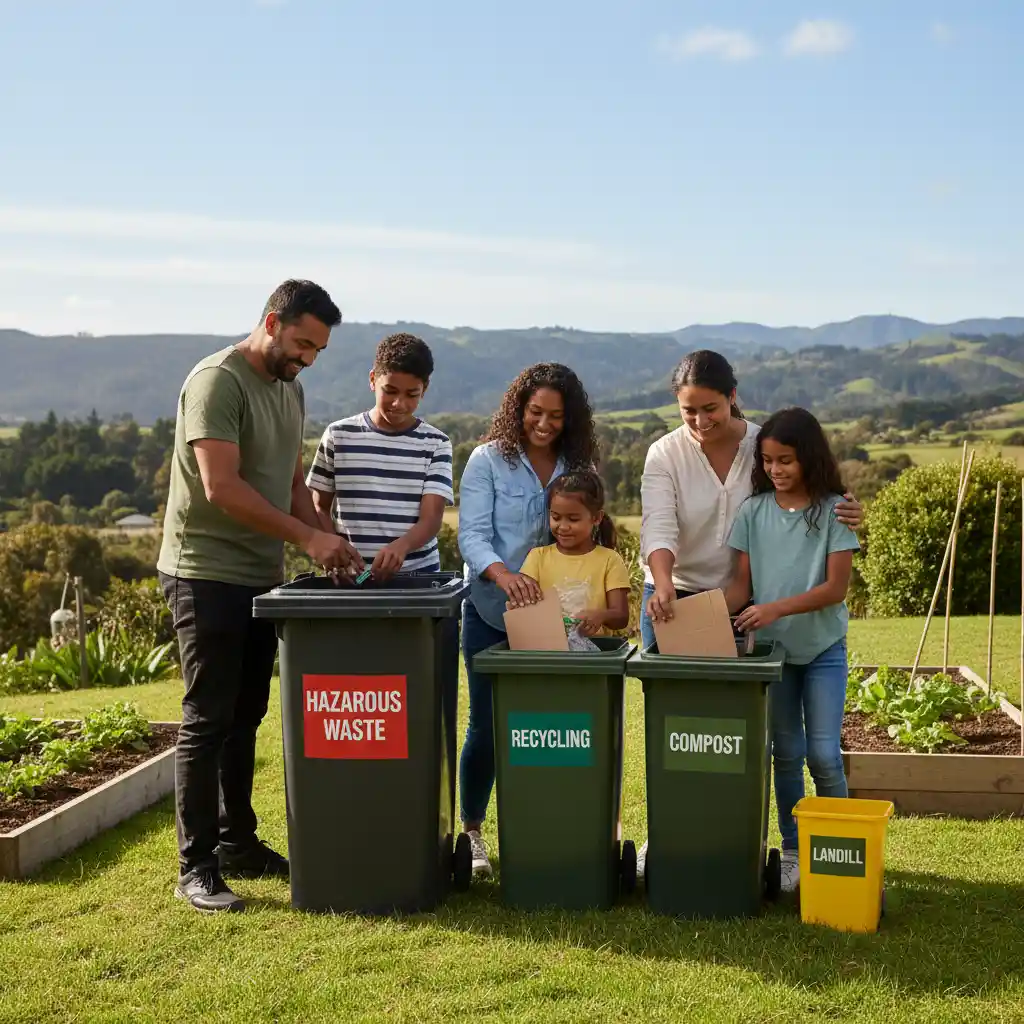
Table of Contents
What Exactly is Hazardous Waste?
Hazardous waste refers to any waste that poses substantial or potential threats to public health or the environment. In New Zealand, the definition often aligns with characteristics like flammability, corrosivity, reactivity, and toxicity. It’s not just industrial byproducts; many common household items fall into this category, making the issue of improper hazardous waste a widespread concern.
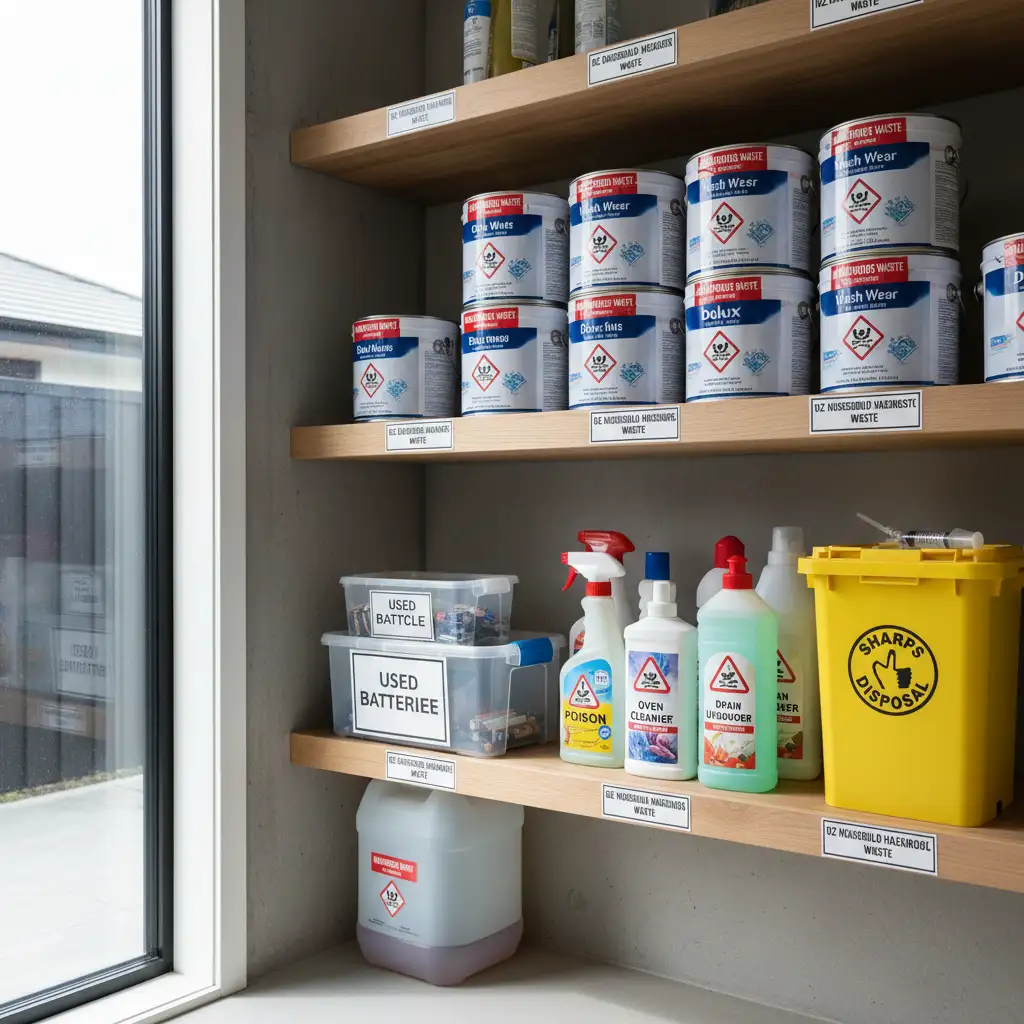
Think about it: that old car battery in the garage, the half-empty paint can, or even expired medications – these all contain chemicals that can leach into soil and water if not handled correctly. Understanding what we’re dealing with is the first step towards responsible management.
The Hidden Dangers: Why Proper Disposal Matters
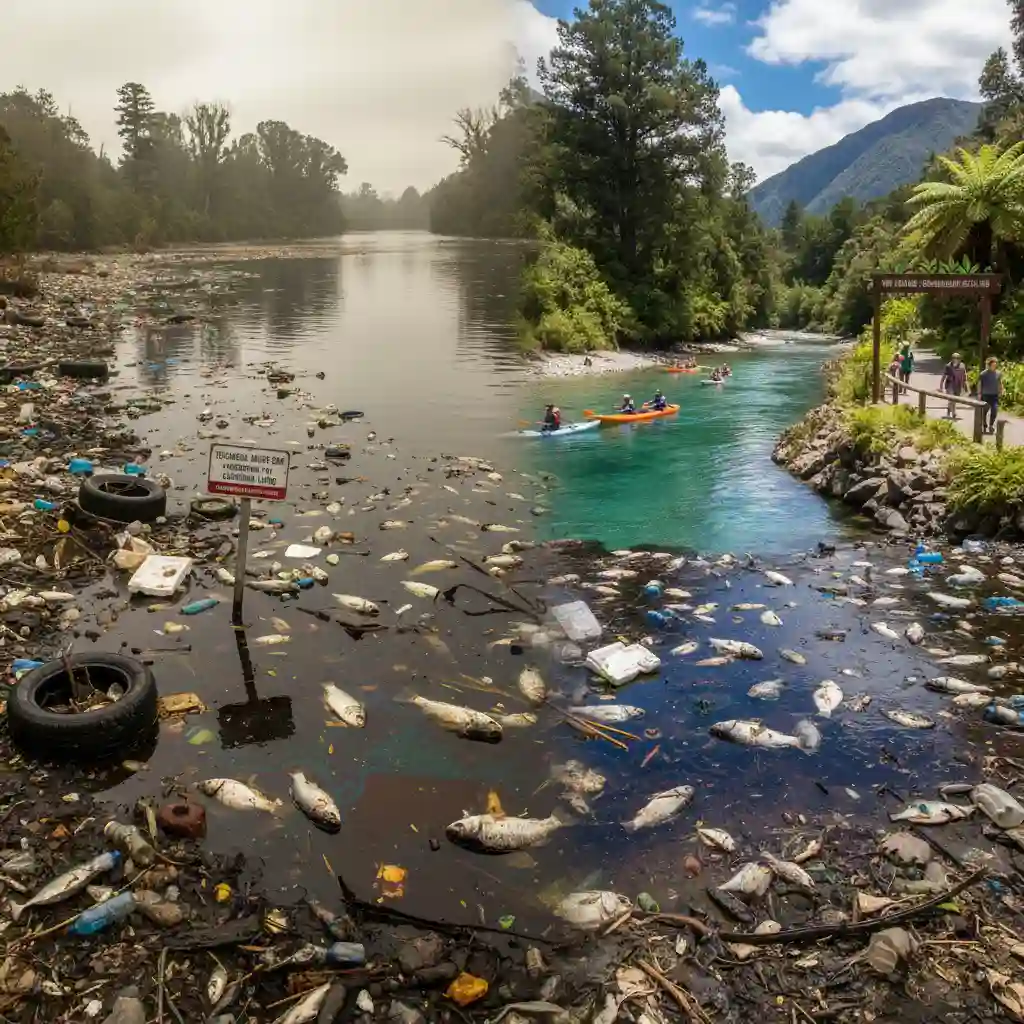
When hazardous waste is improperly disposed of – whether poured down the drain, tossed in the general rubbish bin, or left to degrade in a backyard – its toxic components can wreak havoc. The consequences are far-reaching:
- Environmental Contamination: Polluting our precious waterways, soil, and air, harming native flora and fauna.
- Public Health Risks: Exposure to hazardous chemicals can lead to serious health issues, from skin irritation to respiratory problems and even long-term illnesses.
- Infrastructure Damage: Corrosive materials can damage drainage systems and waste processing equipment.
- Economic Burden: Costly clean-up operations, healthcare expenses, and loss of natural resources all incur significant economic penalties for communities and the nation.
Did you know?
It’s estimated that the average New Zealand household generates around 11 kilograms of hazardous waste per year. Collectively, that’s thousands of tonnes needing safe disposal across the country. (Source: Ministry for the Environment data trends).
Common Culprits in Kiwi Homes and Businesses
Many items we routinely use or store contain hazardous properties:
- Electronics (E-waste): Old phones, laptops, TVs contain heavy metals like lead, mercury, and cadmium.
- Batteries: All types – car batteries, AA/AAA, button cells – contain corrosive acids or toxic metals.
- Paints, Solvents, & Thinners: Flammable and toxic chemicals common in DIY projects.
- Cleaning Products: Bleach, oven cleaners, drain cleaners are often corrosive or toxic.
- Pesticides & Herbicides: Designed to kill, these are highly toxic to humans and wildlife.
- Expired Medications: Can contaminate water supplies if flushed or thrown out.
- Fluorescent Light Bulbs: Contain small amounts of mercury.
Steps for Identifying Hazardous Waste at Home
- Read Labels: Look for warning symbols like skull and crossbones, corrosive, flammable, or irritant. Phrases like “Danger,” “Warning,” or “Caution” are key indicators.
- Check Ingredients: Be wary of products containing strong acids (e.g., hydrochloric acid), bases (e.g., sodium hydroxide), heavy metals (e.g., lead), or petroleum distillates.
- Consider Function: If a product is designed to kill pests, clean heavily soiled areas with strong chemicals, or is highly flammable, it’s likely hazardous.
- Research Locally: Your local council website often provides lists of common household hazardous waste accepted at transfer stations or specific collection events.
The High Cost of Improper Disposal
Beyond the immediate environmental harm, the long-term costs of improper hazardous waste are staggering. Contaminated sites require extensive remediation, which can take decades and millions of dollars. For instance, former industrial sites across New Zealand often require significant investment to clean up legacy contamination before they can be redeveloped. This diverts funds from other essential community services and sustainable initiatives.
“Every piece of hazardous waste we mishandle today becomes a burden for future generations. Sustainable Kiwis understand that responsible disposal is an investment in our collective future, protecting both our land and our people.”
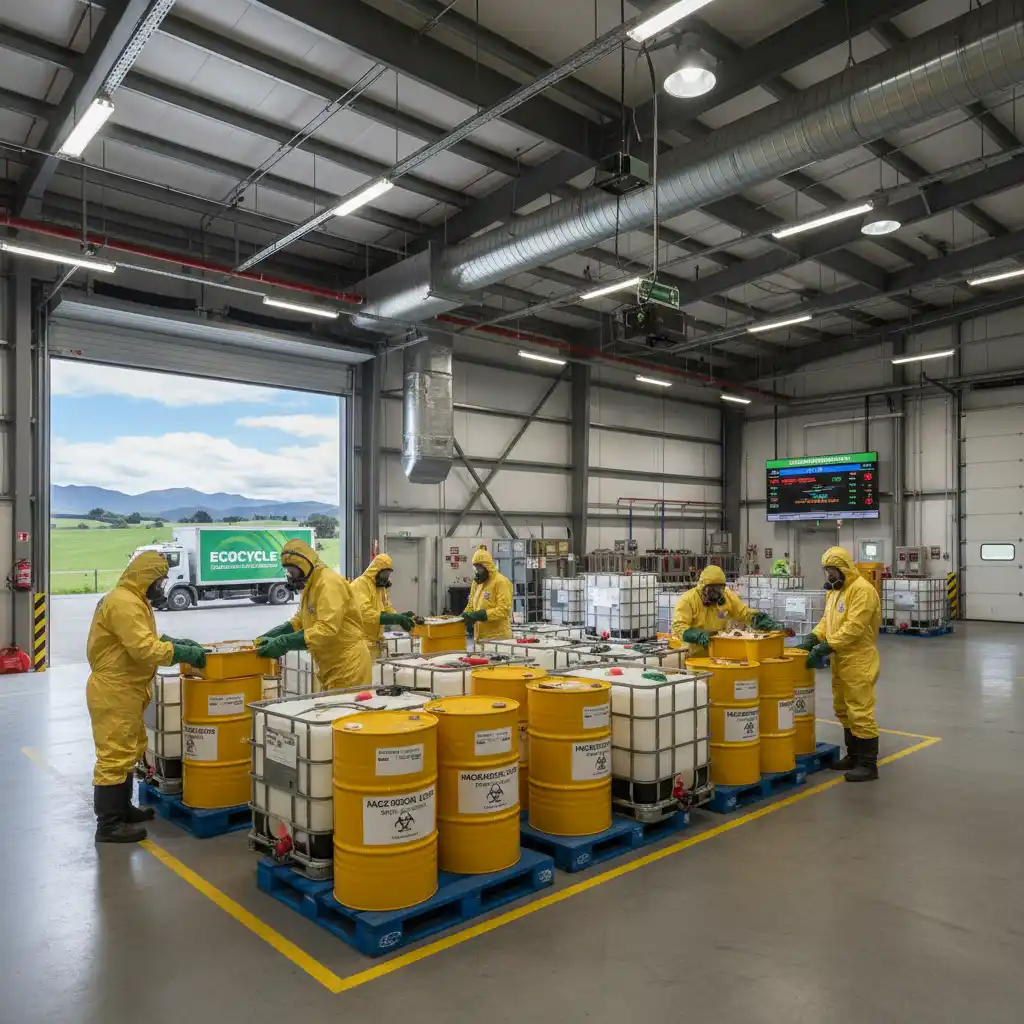
Your Role: A Guide to Responsible Disposal for Sustainable Kiwis
As sustainable Kiwis, we have a crucial role to play in mitigating the impact of hazardous waste. It starts with education and extends to action.
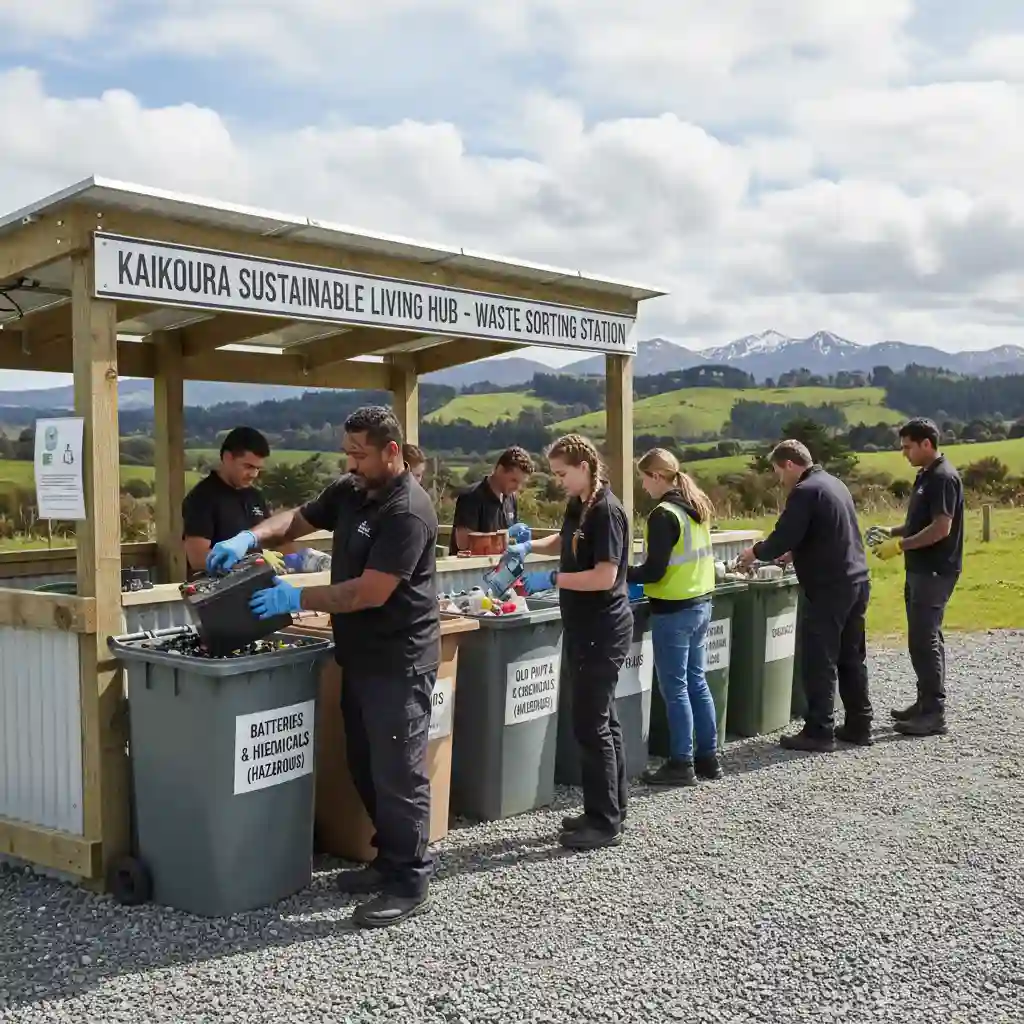
- Know Your Local Facilities: Familiarize yourself with your local council’s waste transfer stations, recycling centres, and special hazardous waste collection events. Websites like ‘WasteMINZ’ or your local council often provide detailed guidance.
- Never Mix Wastes: Do not mix hazardous waste with general rubbish or other recyclable materials. This can create dangerous reactions or contaminate entire loads.
- Store Safely: Keep hazardous products in their original, sealed containers in a cool, dry, well-ventilated area, out of reach of children and pets, until they can be properly disposed of.
- Seek Alternatives: Where possible, choose non-toxic or less hazardous alternatives for cleaning, gardening, and DIY projects.
Disposing of Common Household Hazardous Waste
- Batteries: Collect all types of batteries (alkaline, button cell, rechargeable) and take them to dedicated battery recycling points, often found at electronics stores, transfer stations, or some supermarkets.
- E-waste: Take old electronics to e-waste specific recycling centres. Many councils offer free or low-cost drop-off points.
- Paints & Solvents: Only dispose of dried-up latex paint in general waste. Liquid paints and solvents must go to hazardous waste collection points. Some councils may accept small quantities for recycling or safe disposal.
- Cleaning Products & Pesticides: Never pour down drains. Take full or partially full containers to hazardous waste collection facilities. If empty and rinsed thoroughly, some plastic containers may be recyclable (check local rules).
- Medications: Return expired or unwanted medicines to your local pharmacy for safe disposal. Do NOT flush them or put them in the rubbish bin.
- Fluorescent Light Bulbs: These contain mercury. Collect them and take them to specialized recycling facilities or hazardous waste collection events.
Beyond Disposal: Preventing Waste at the Source
The most effective way to manage hazardous waste is to prevent its creation in the first place. This aligns perfectly with the ethos of sustainable Kiwis:
- Buy Less, Use Up: Only purchase what you need and aim to use products completely.
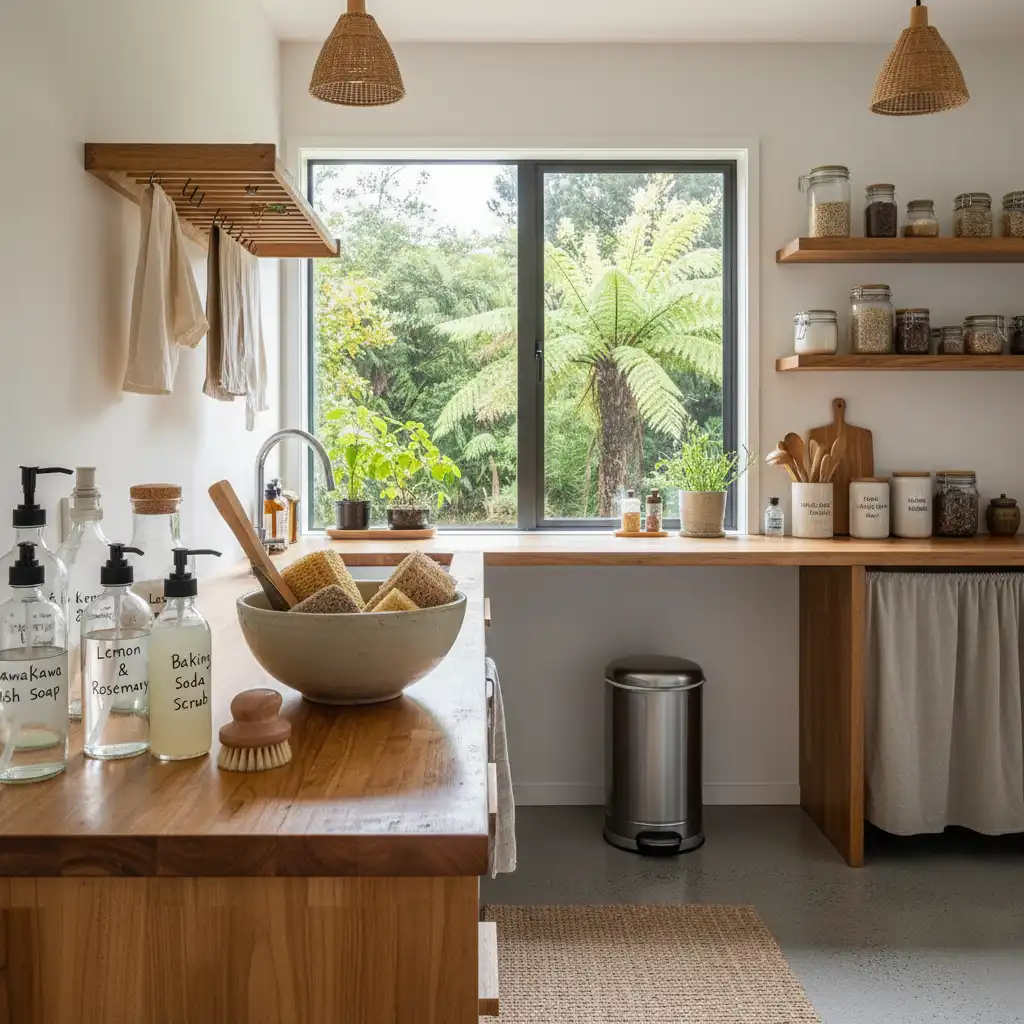
- Choose Eco-Friendly: Opt for certified eco-friendly cleaning products, water-based paints, and natural pest control methods.
- DIY Solutions: Explore making your own cleaning products using simple, non-toxic ingredients like vinegar, baking soda, and lemon juice.
- Borrow or Share: For items like strong glues or pesticides used infrequently, consider borrowing from neighbours or community groups.
Conclusion: Our Collective Commitment to a Cleaner Aotearoa
The challenge of improper hazardous waste is significant, but it’s one we can overcome through collective action and informed choices. By understanding the risks, knowing how to identify and safely dispose of hazardous materials, and actively seeking to reduce their presence in our lives, sustainable Kiwis can lead the way.
Let’s continue to uphold our commitment to kaitiakitanga, ensuring that our beautiful Aotearoa remains pristine for generations to come. Every responsible disposal choice is a step towards a healthier environment and a more sustainable future.

Frequently Asked Questions
Q: What happens if I accidentally put hazardous waste in my general rubbish bin?
A: Accidentally placing hazardous waste in general rubbish can lead to several problems. It can contaminate other recyclable materials, pose a risk to waste collection workers, and eventually leach toxins into landfills, polluting soil and groundwater. Always try to separate and dispose of hazardous items correctly.
Q: Are all batteries considered hazardous waste?
A: Yes, generally all batteries should be treated as hazardous waste due to the chemicals and heavy metals they contain (e.g., lead, mercury, cadmium, lithium). They can be highly reactive and toxic if damaged or improperly disposed of. Always take them to a specialized battery recycling facility.
Q: Can I pour old paint down the drain if it’s water-based?
A: No, even water-based paints should not be poured down the drain. While less toxic than oil-based paints, they can still contain plastics and other chemicals that are harmful to aquatic ecosystems and can clog pipes. The best method for water-based paint is to let it dry out completely in the can (add sand or kitty litter to speed it up) and then dispose of the solidified paint in your general waste, checking local council guidelines for specific rules.
Q: Where can I find information on hazardous waste disposal in my specific New Zealand region?
A: The best place to start is your local city or district council’s website. They will have detailed information about waste transfer stations, recycling centres, and any specific hazardous waste collection events or services available in your area. Organisations like WasteMINZ also provide national guidance and resources.
References & Sources
- Ministry for the Environment. (n.d.). Waste Data and Statistics. Retrieved from environment.govt.nz (Illustrative; Actual link would point to specific reports/data)
- WasteMINZ. (n.d.). Resources & Publications. Retrieved from wasteminz.org.nz
- Various Local Government Council Websites (e.g., Auckland Council, Wellington City Council). (Accessed for general guidance on waste disposal).
- Environmental Protection Authority (EPA) New Zealand. (n.d.). Hazardous Substances. Retrieved from epa.govt.nz