Transforming Hazardous Waste: Innovative Solutions in NZ
New Zealand, known for its pristine natural beauty and commitment to a cleaner future, faces a significant challenge: managing hazardous waste. While the term “hazardous waste” might conjure images of industrial sites, its impact extends to our everyday lives and the broader environment. This article delves into the cutting-edge approaches and innovative solutions being developed and implemented across Aotearoa to transform hazardous waste, moving beyond traditional disposal towards a truly sustainable, circular economy. We’re transitioning from complex legislation and technical jargon to actionable insights that empower consumers and industries alike.
The Urgent Need for Transformation
Hazardous waste poses significant risks to human health and the environment, from contaminating soil and water to releasing toxic fumes. In a nation committed to kaitiakitanga (guardianship), addressing this challenge is paramount. Traditional methods of disposal, such as landfilling, are no longer viable long-term solutions, driving the urgent need for innovative, sustainable alternatives.
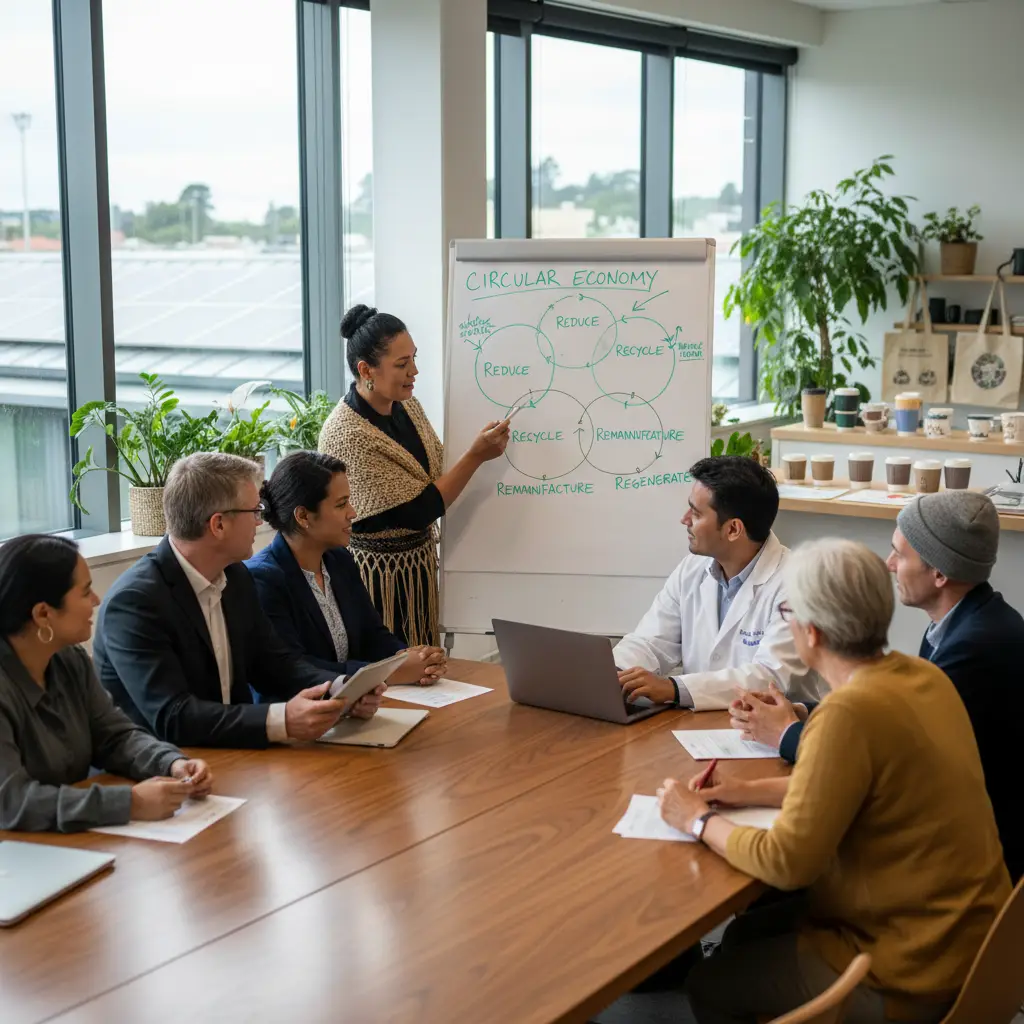
The shift towards a circular economy model in New Zealand means viewing waste not as an end-product, but as a valuable resource. This paradigm shift is at the heart of Transforming Hazardous Waste: Innovative Solutions in NZ, focusing on recovery, reuse, and regeneration rather than simple elimination.
Understanding Hazardous Waste in Aotearoa
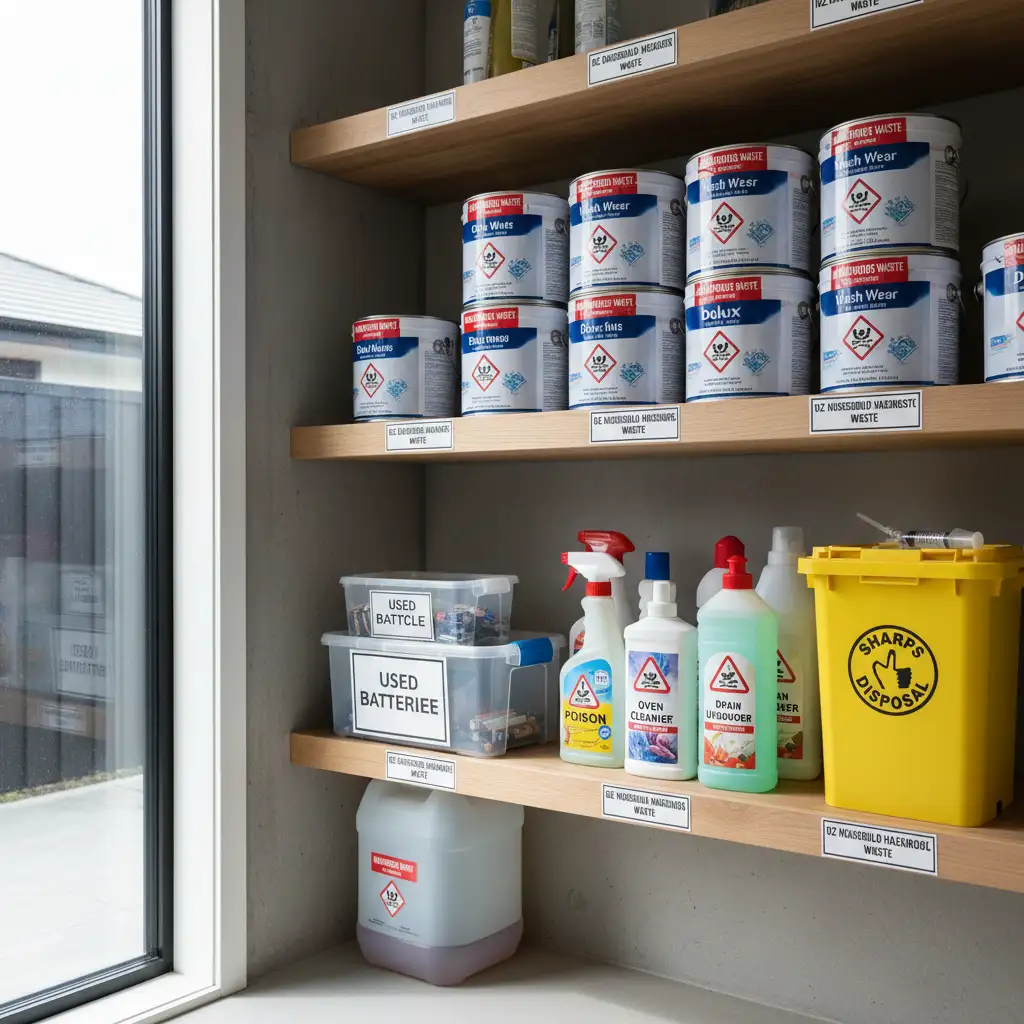
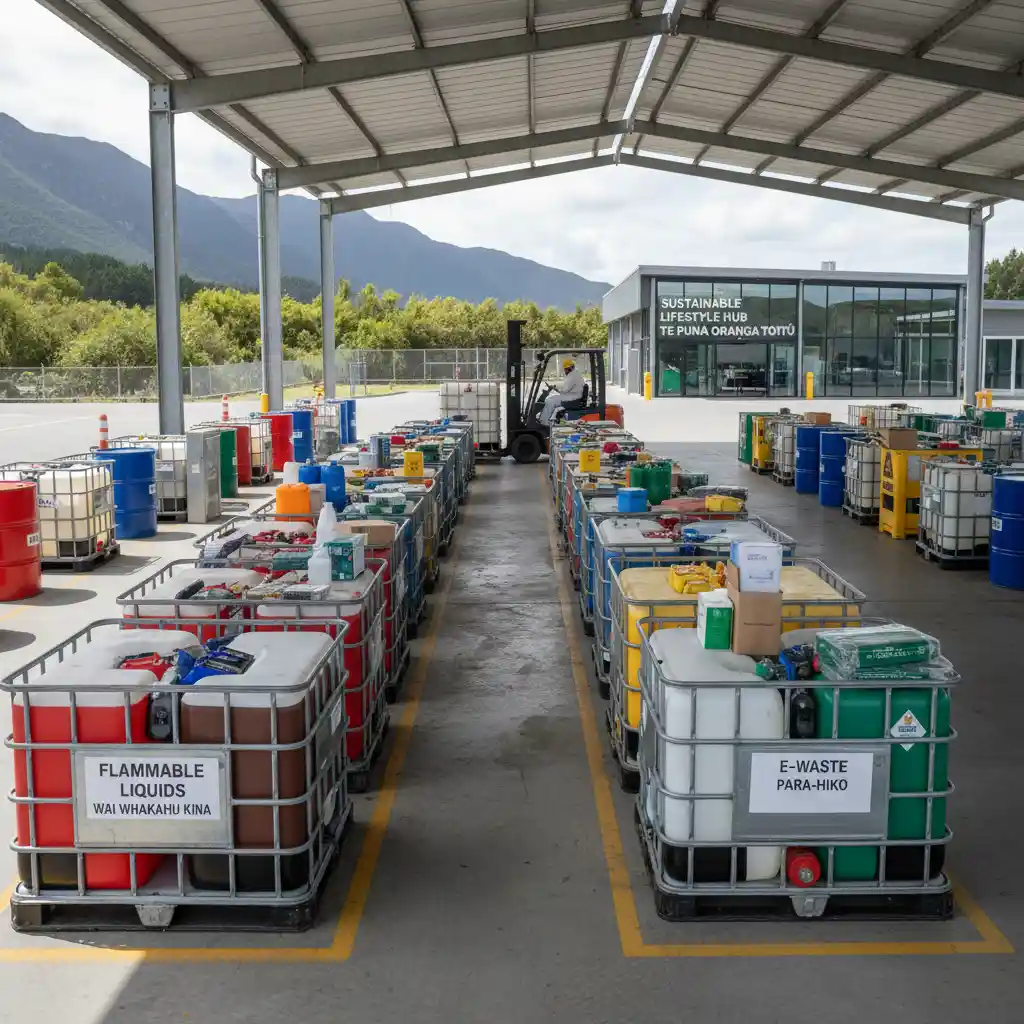
Hazardous waste is defined by its potential to cause harm due to its flammable, corrosive, reactive, or toxic properties. In New Zealand, this includes a broad spectrum of materials from industrial processes, healthcare, agriculture, and even household products. Examples range from asbestos and used oils to electronic waste (e-waste) containing heavy metals, and certain chemical compounds.
Effectively managing these diverse waste streams requires specialized knowledge, infrastructure, and, crucially, innovative thinking. Without proper treatment and disposal, these wastes can leach into ecosystems, threatening biodiversity and public health.
Did You Know?
New Zealand generates an estimated 13.5 million tonnes of waste annually, with a significant portion being hazardous or problematic waste streams requiring specialized management.
Pioneering Innovation: NZ’s Transformative Solutions
The landscape of hazardous waste management in New Zealand is rapidly evolving, driven by pioneering research, technological advancements, and a strong commitment to environmental stewardship. Here are some of the key innovative solutions leading the way in Transforming Hazardous Waste: Innovative Solutions in NZ.
Advanced Recycling & Resource Recovery
Traditional recycling often struggles with complex or contaminated hazardous materials. Advanced recycling techniques are changing this, breaking down wastes into their constituent components for reuse in new products. This includes chemical recycling, where polymers are depolymerized into monomers, and advanced material separation technologies.
- Solvent Recovery: Specialized facilities extract and purify industrial solvents, allowing them to be reused, dramatically reducing the need for virgin solvents and minimizing hazardous waste volumes.
- Battery Recycling: Dedicated processes recover valuable metals like lithium, cobalt, and nickel from spent batteries, preventing toxic leakage and creating a closed-loop system for these critical materials.
- E-waste Processing: Innovative methods are being developed to safely dismantle and recover precious metals and rare earth elements from electronic devices, mitigating the hazardous components.
Fact Check
A single smartphone can contain over 60 elements, many of which are hazardous if not properly managed, but also valuable if recovered through advanced recycling.
Energy from Waste Technologies
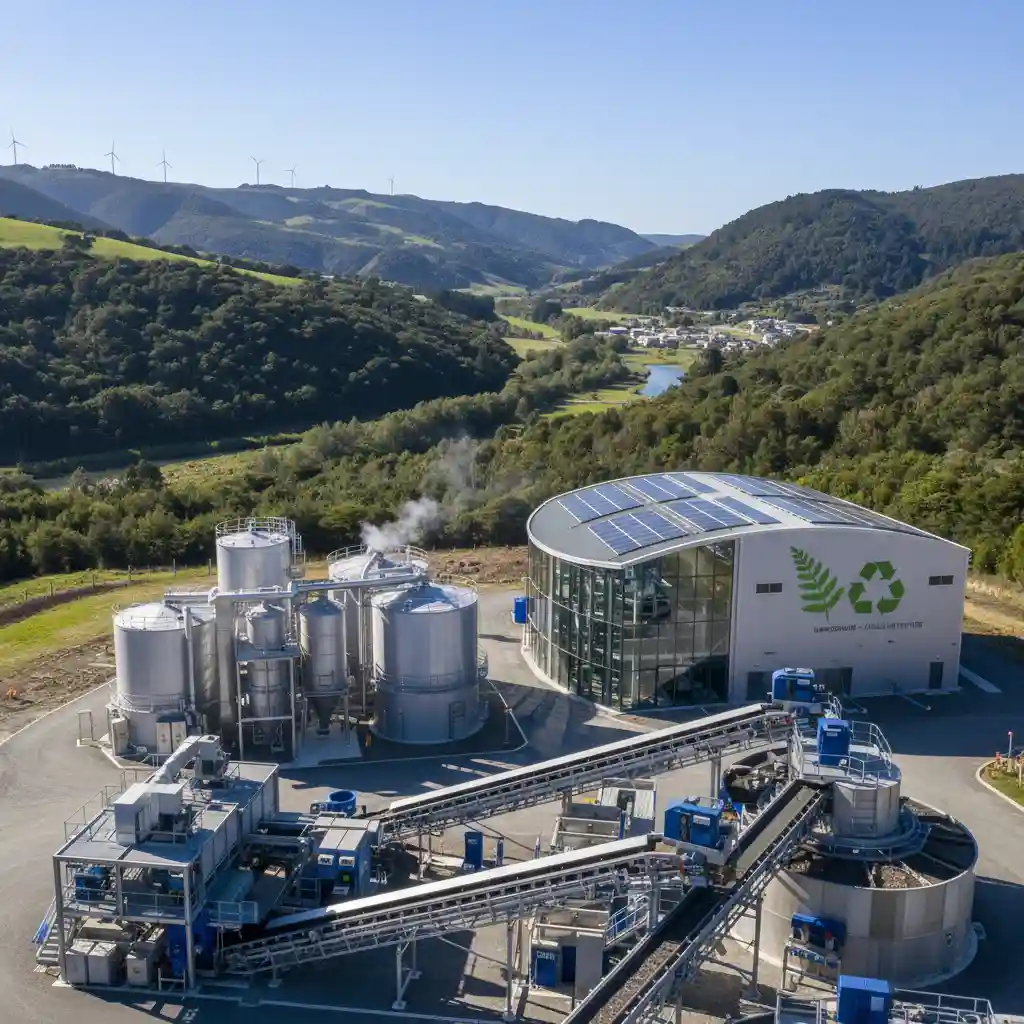
For hazardous wastes that cannot be recycled or recovered, converting them into energy offers a viable alternative to landfilling. Technologies like gasification and pyrolysis convert waste into synthetic gas or oils, which can then be used to generate electricity or heat. While subject to strict environmental controls, these methods reduce waste volume and generate renewable energy.
“Embracing energy from waste, when done responsibly, can turn a pressing environmental problem into a sustainable energy solution, contributing to New Zealand’s energy independence and reducing reliance on fossil fuels.”
Bioremediation & Chemical Neutralisation
Harnessing nature’s own processes, bioremediation uses microorganisms to break down or detoxify hazardous substances in contaminated soil or water. This eco-friendly approach is particularly effective for organic pollutants. Chemical neutralisation, on the other hand, involves controlled reactions to render hazardous substances harmless or less toxic before safe disposal.
Digital & Data-Driven Approaches
Technology isn’t just about processing waste; it’s also about smarter management. Digital platforms, IoT sensors, and AI-driven analytics are being used to track hazardous waste from generation to disposal. This enhances transparency, optimizes logistics, reduces misplacement, and ensures compliance with regulations, making the entire process more efficient and secure.
The Collective Effort: Policy, Industry, and Community
Transforming Hazardous Waste: Innovative Solutions in NZ is not solely a technological challenge; it requires a concerted effort from all sectors. New Zealand’s robust environmental policies provide the framework, but industry leadership and public engagement are equally vital.
- Government Policies: Legislation like the Waste Minimisation Act 2008 and various product stewardship schemes push for greater producer responsibility and innovation in waste management.
- Industry Leadership: Companies adopting circular economy principles are investing in R&D for new waste transformation technologies and collaborating to share best practices.
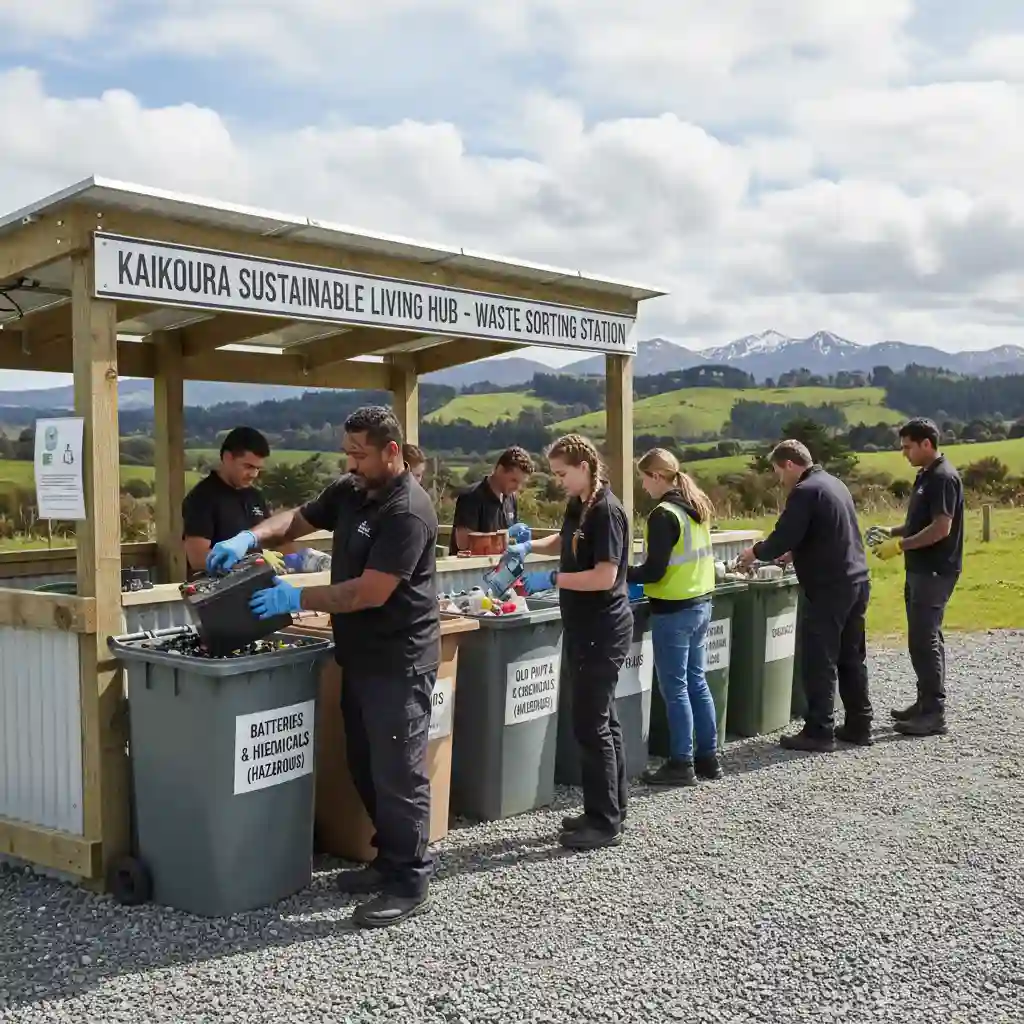
- Community Awareness: Educating consumers on proper hazardous waste disposal (e.g., household chemicals, e-waste drop-off points) and promoting responsible consumption is crucial for minimizing hazardous waste at its source.
Community Impact
Every year, local councils across NZ collect thousands of tonnes of household hazardous waste, preventing it from contaminating landfills or waterways. Your responsible disposal makes a difference!
Shaping a Greener Tomorrow: The Path Ahead
The journey to fully eradicate hazardous waste impacts is ongoing, but New Zealand’s commitment to innovation offers a promising path. Continued investment in research, fostering partnerships, and empowering communities will be key to scaling these transformative solutions. The goal is clear: a future where hazardous waste is not a burden, but a resource seamlessly integrated into a thriving circular economy, safeguarding Aotearoa’s unique environment for generations to come.
By embracing these innovative solutions, New Zealand is not just managing waste; it’s redefining its relationship with materials, ensuring that economic progress aligns with ecological preservation. This truly embodies Transforming Hazardous Waste: Innovative Solutions in NZ into a beacon of global sustainability.
Frequently Asked Questions (FAQs)
What types of waste are considered hazardous in New Zealand?
Hazardous waste in NZ includes a wide range of materials that pose a risk to health or the environment. Common examples are industrial chemicals, used oils, asbestos, paints, solvents, certain medical wastes, and electronic waste (e-waste) containing heavy metals like lead or mercury.
How do innovative solutions transform hazardous waste?
Innovative solutions move beyond simple disposal. They involve processes like advanced recycling (breaking down waste into raw materials), energy from waste technologies (converting waste into power), bioremediation (using natural organisms to neutralize toxins), and digital tracking for better management. These methods aim to recover value and minimize environmental harm.
Can consumers contribute to reducing hazardous waste?
Absolutely! Consumers play a vital role. You can contribute by properly disposing of household hazardous waste at designated collection points, reducing consumption of products with hazardous components, opting for reusable or less toxic alternatives, and participating in product stewardship schemes for items like batteries and electronics.
What is the circular economy’s role in hazardous waste management?
The circular economy aims to keep resources in use for as long as possible, extracting maximum value, then recovering and regenerating products and materials at the end of each service life. For hazardous waste, this means designing products to be less hazardous, reusing components, and finding ways to safely recover and reintroduce materials into the economy, rather than discarding them.
References and Further Reading
- Ministry for the Environment. (2022). Waste and Resource Recovery Strategy. New Zealand Government.
- Stats NZ. (2021). Environmental indicators Te taiao Aotearoa – Waste. Retrieved from www.stats.govt.nz
- Environmental Protection Authority (EPA). (2023). Hazardous Waste Management Guidelines. New Zealand Government.
- Sustainable Business Network. (2022). Circular Economy Accelerator Reports. Retrieved from sustainable.org.nz
- Various local council waste management plans and hazardous waste disposal guides.