Local Startups Leading the Charge in Sustainable E-Waste
Discover how innovative New Zealand companies are transforming the challenge of electronic waste into opportunities for a greener future.
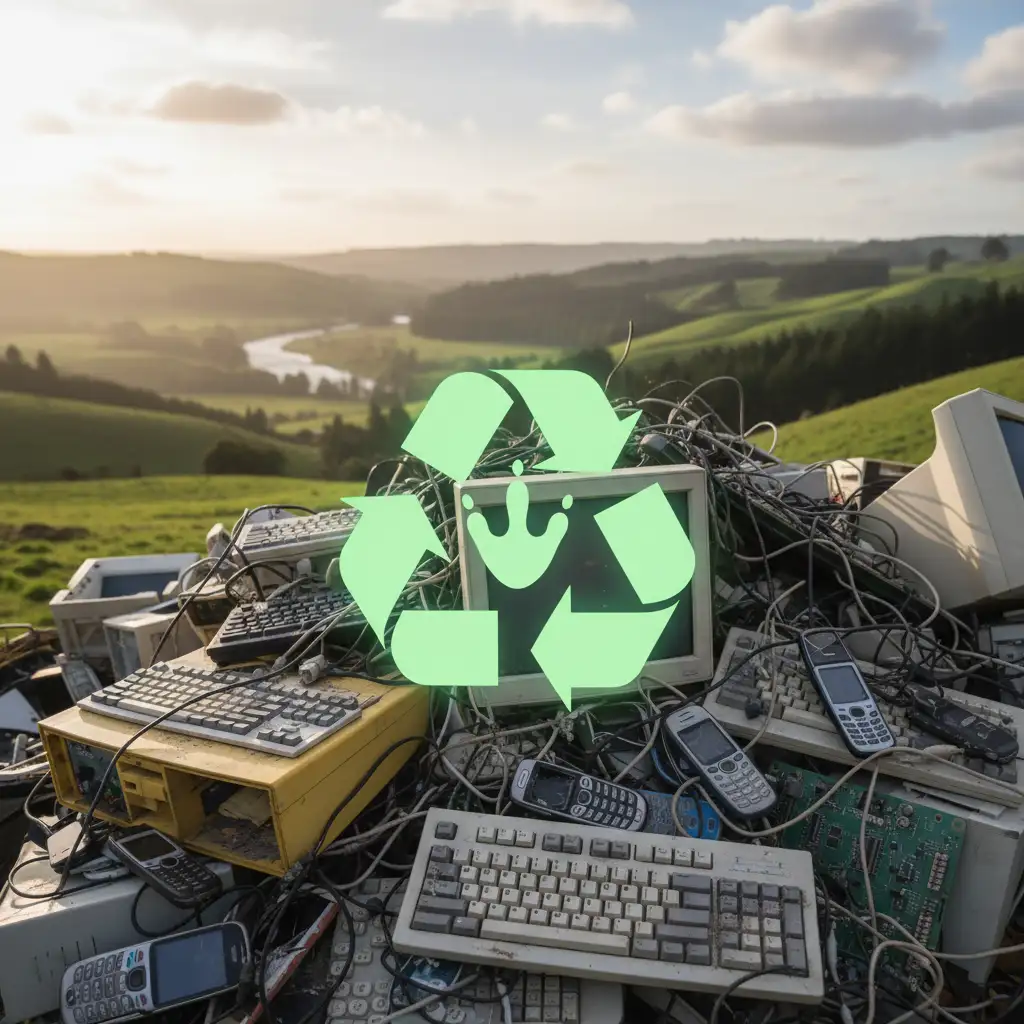
In an increasingly digital world, our reliance on electronics grows exponentially. From smartphones to smart appliances, these devices enhance our lives, yet they leave behind a hidden cost: electronic waste, or e-waste. Globally, e-waste is the fastest-growing waste stream, and Aotearoa New Zealand is no exception. However, amidst this challenge, a wave of local startups is emerging, redefining how we think about and manage our discarded electronics. These pioneers are not just disposing of waste; they are innovating, creating circular solutions, and fostering a more sustainable future right here on our shores.
This article delves into the incredible work of local startups leading the charge in sustainable e-waste, highlighting their ingenuity, impact, and the crucial role they play in transitioning New Zealand towards a truly circular economy.
1. The E-Waste Challenge in Aotearoa
New Zealand, like many developed nations, faces a significant challenge with electronic waste. Our consumption habits, driven by rapid technological advancements and planned obsolescence, mean that electronics quickly become outdated or broken, destined for landfill if not managed responsibly. The environmental impact is profound, from toxic chemicals leaching into soil and water to the loss of valuable rare earth minerals.
STAT CALLOUT:
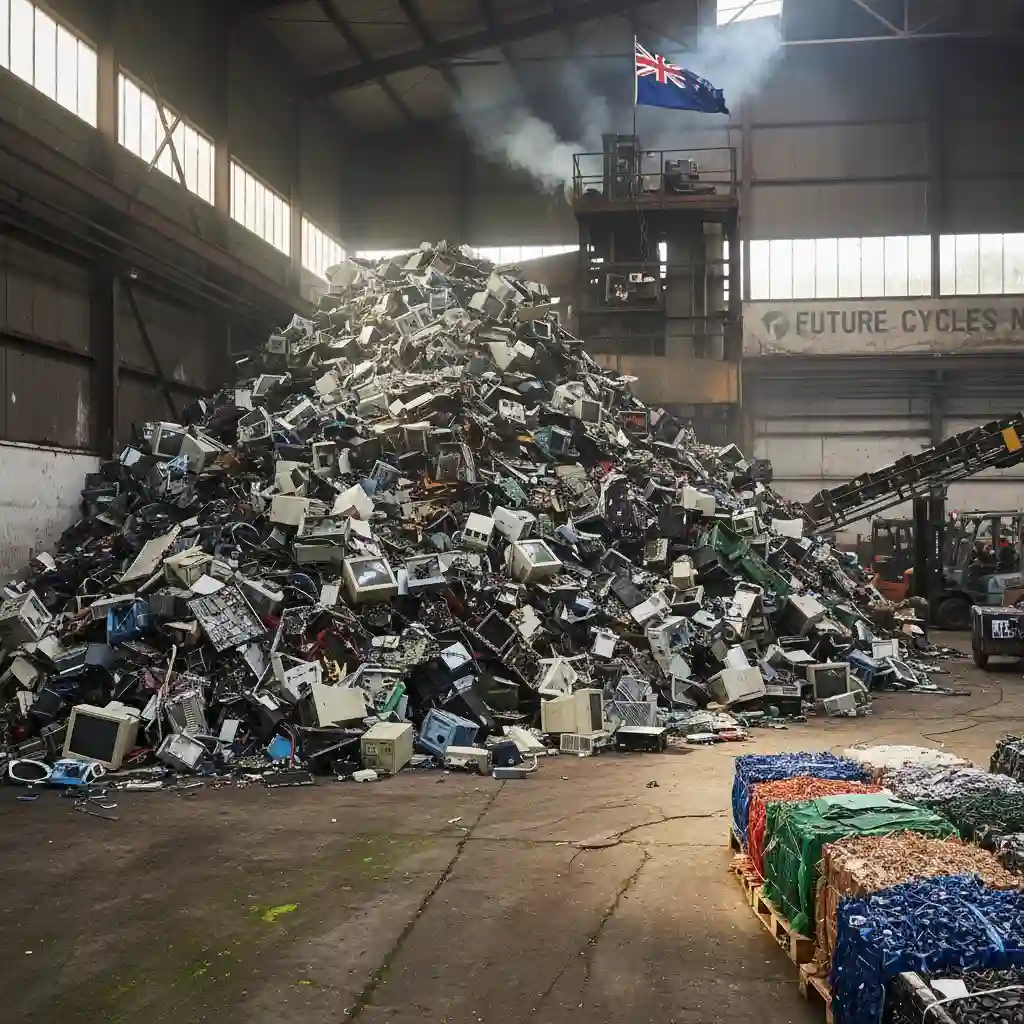
It’s estimated that New Zealand generates approximately 80,000 tonnes of e-waste annually, with only a fraction currently being properly recycled or repurposed. This volume is projected to grow significantly in the coming years, underscoring the urgent need for innovative solutions.
Traditional waste management systems are often ill-equipped to handle the complex composition of e-waste, which can contain hundreds of different materials. This is where the agility and foresight of local startups leading the charge in sustainable e-waste become critical. They are stepping into this gap with fresh perspectives and viable solutions.
2. Pioneers in Sustainable E-Waste Management
The landscape of e-waste management in New Zealand is being reshaped by entrepreneurial spirit. These local ventures are not just complying with regulations; they are actively developing advanced methods to tackle e-waste, from extending product lifespans to extracting valuable resources.
2.1. Upcycling and Repurposing Innovators
Many startups are focusing on giving electronics a second life. This often involves repairing, refurbishing, and reselling devices, or creatively transforming them into new products. This approach drastically reduces the amount of waste entering landfills and conserves the energy and resources that would have gone into manufacturing new items.
“Our goal isn’t just to recycle, but to reimagine the lifecycle of every electronic device, finding new purpose and value where others see only waste.”
2.2. Advanced Recycling Technologies
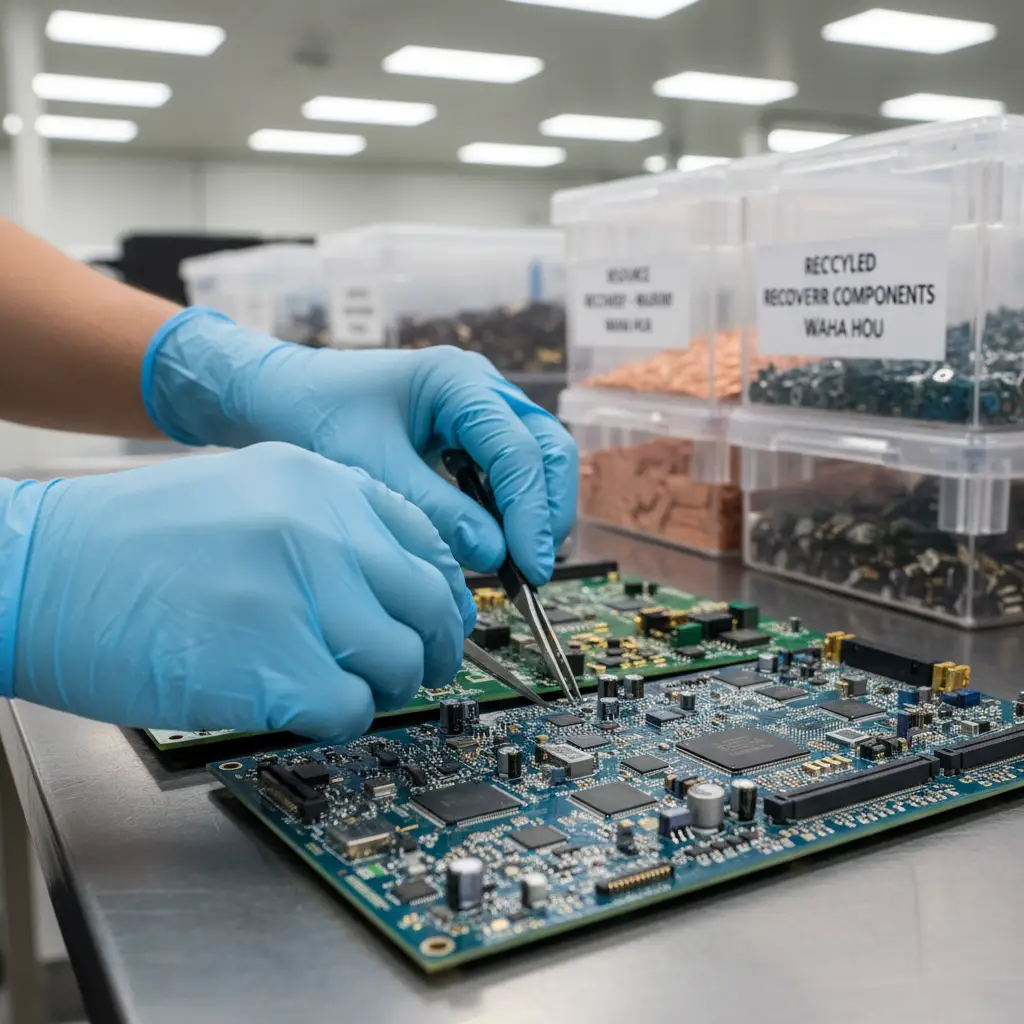
Beyond simple recycling, some local startups leading the charge in sustainable e-waste are investing in sophisticated technologies to recover precious metals and rare earth elements from circuit boards and components. These processes are more efficient and environmentally friendly than traditional mining, closing the loop on valuable materials and reducing our reliance on finite natural resources.
2.3. Community-Driven Collection & Education
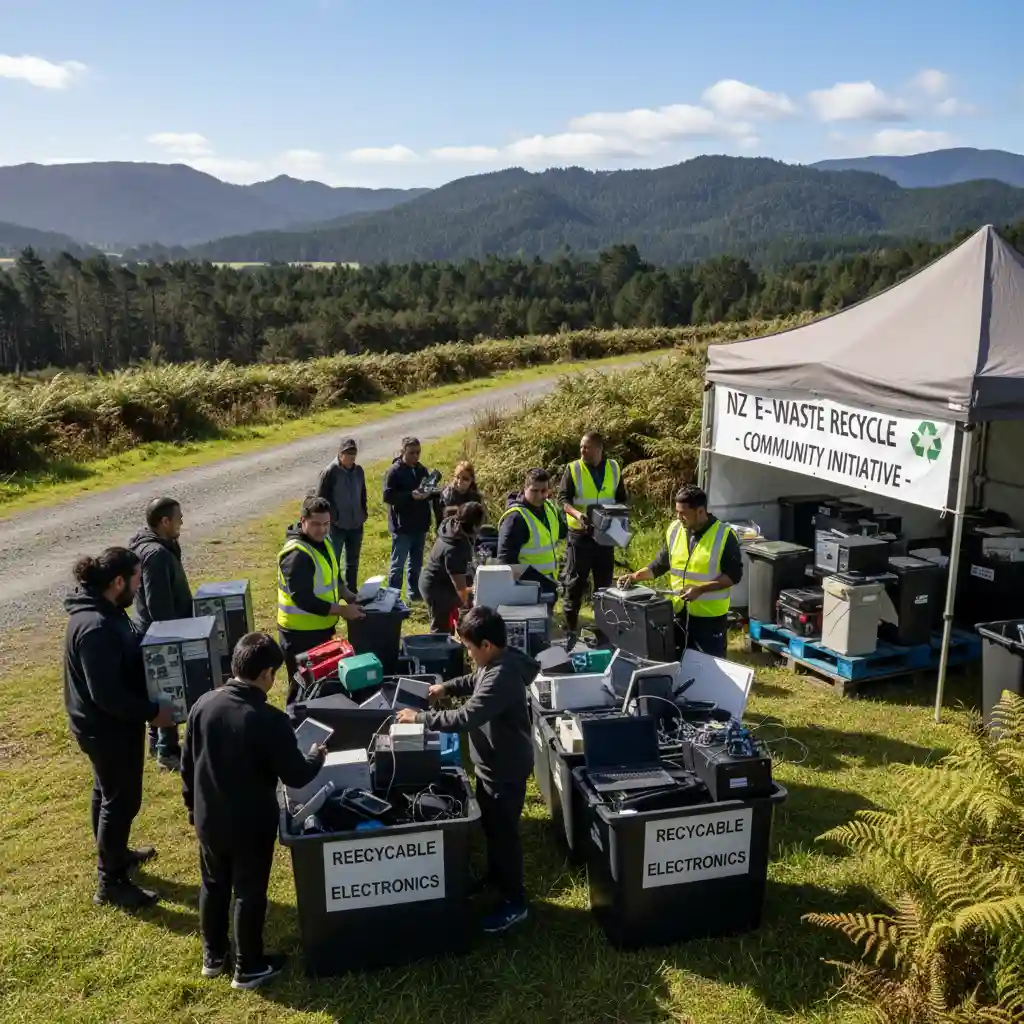
Effective e-waste management starts with collection. A number of startups are establishing accessible collection points, running educational campaigns, and partnering with local councils and businesses to make it easier for consumers to responsibly dispose of their old devices. This grassroots approach is vital in raising awareness and fostering collective responsibility.
3. Why Support Local E-Waste Startups?
Choosing to engage with and support these local innovators has a ripple effect across multiple facets of New Zealand society and environment.
3.1. Economic Growth & Job Creation
These startups are not just environmental heroes; they are economic drivers. By creating new businesses and services in the circular economy, they generate jobs in repair, logistics, engineering, and sales, contributing to local prosperity and resilience.
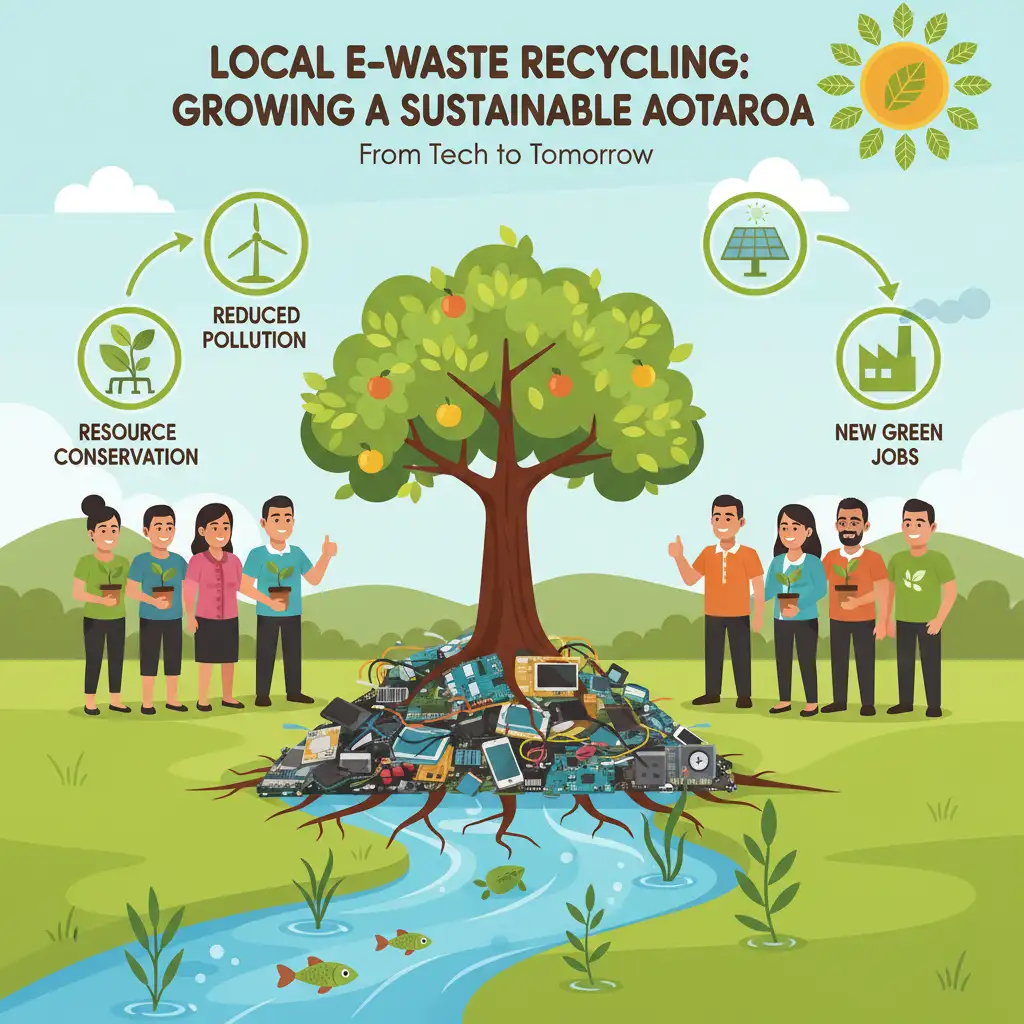
3.2. Environmental Preservation
The most direct benefit is the reduction of environmental harm. Proper e-waste management prevents hazardous materials from polluting our land and water, mitigates greenhouse gas emissions associated with new manufacturing, and conserves finite natural resources.
3.3. Fostering Innovation and Self-Sufficiency
Supporting these ventures nurtures a culture of innovation within New Zealand. It encourages the development of bespoke solutions tailored to our unique context, reducing our reliance on overseas recycling infrastructure and strengthening our national self-sufficiency in sustainable waste management.
4. How Consumers Can Make a Difference
As consumers, we hold significant power to influence the e-waste problem. By making informed choices, we can directly support the local startups leading the charge in sustainable e-waste:
- Buy Smarter: Prioritise durable, repairable products from companies committed to sustainability.
- Repair Before Replacing: Seek out local repair services to extend the life of your devices. Many e-waste startups also offer repair options.
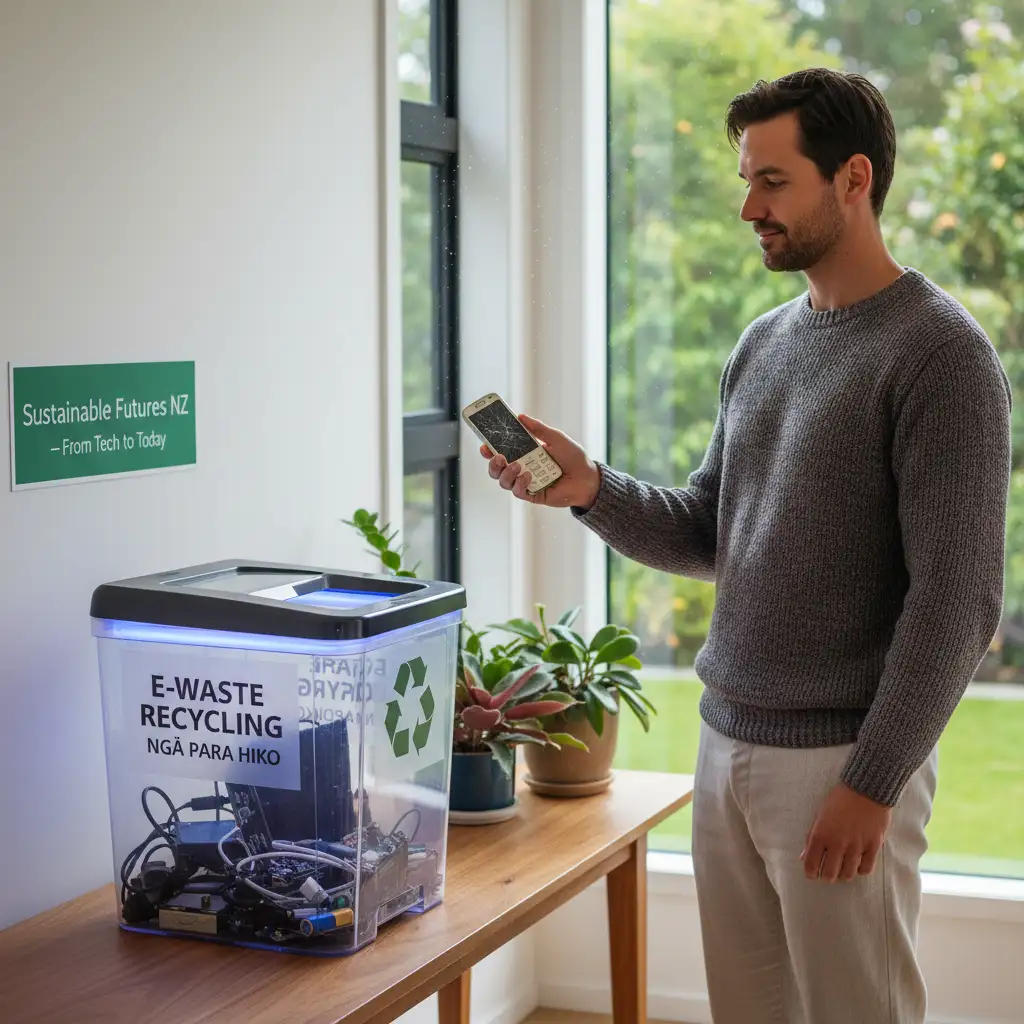
- Recycle Responsibly: Utilise approved e-waste collection points and services. A quick search for “e-waste recycling near me NZ” can guide you.
- Support Local: Actively choose local businesses and initiatives that focus on sustainable e-waste solutions.
- Educate Others: Share your knowledge about responsible e-waste disposal with friends and family.
5. Conclusion
The challenge of e-waste is immense, but the spirit of innovation in Aotearoa New Zealand offers a beacon of hope. The rise of local startups leading the charge in sustainable e-waste demonstrates a powerful shift from a linear ‘take-make-dispose’ model to a circular one that values every resource. By supporting these visionary businesses, consumers can actively participate in building a more sustainable, resilient, and environmentally conscious New Zealand. It’s a collective journey, and our local heroes are paving the way.
6. Frequently Asked Questions
What exactly is e-waste?
E-waste, or electronic waste, refers to discarded electrical or electronic devices. This includes everything from old computers, mobile phones, televisions, and refrigerators to smaller items like cables and batteries. It’s characterised by its complex composition, often containing both valuable and hazardous materials.
Why is e-waste a problem in New Zealand?
E-waste is problematic due to its rapid growth, the toxic substances it can leach into the environment if improperly disposed of (e.g., lead, mercury, cadmium), and the valuable, finite resources that are lost when not recycled. In NZ, a significant portion still ends up in landfills, wasting potential and creating pollution risks.
How do local startups contribute to sustainable e-waste management?
Local startups contribute by offering innovative solutions like repairing and refurbishing devices for resale, developing advanced methods to extract valuable materials, and setting up accessible community collection points. They are key players in establishing a circular economy for electronics in New Zealand.
Where can I find an e-waste recycling point in New Zealand?
Many councils offer e-waste collection services, and several private companies and local startups specialise in e-waste recycling. A quick online search for “e-waste recycling [your city/region] NZ” or checking the websites of organisations like Recycle A Device (RAD) or TechCollect NZ can provide up-to-date information on local drop-off points and services.
7. References & Sources
- Ministry for the Environment. (2022). Waste and Resource Recovery in New Zealand. Retrieved from environment.govt.nz
- Global E-waste Monitor. (2020). Quantities, Flows and the Circular Economy Potential. United Nations University (UNU), UNITAR, ITU, ISWA.
- Sustainable Business Network NZ. (2023). Circular Economy Initiatives in Aotearoa. Retrieved from sustainable.org.nz
- Recycle A Device (RAD). (n.d.). About Us and Our Mission. Retrieved from recycleadevice.co.nz