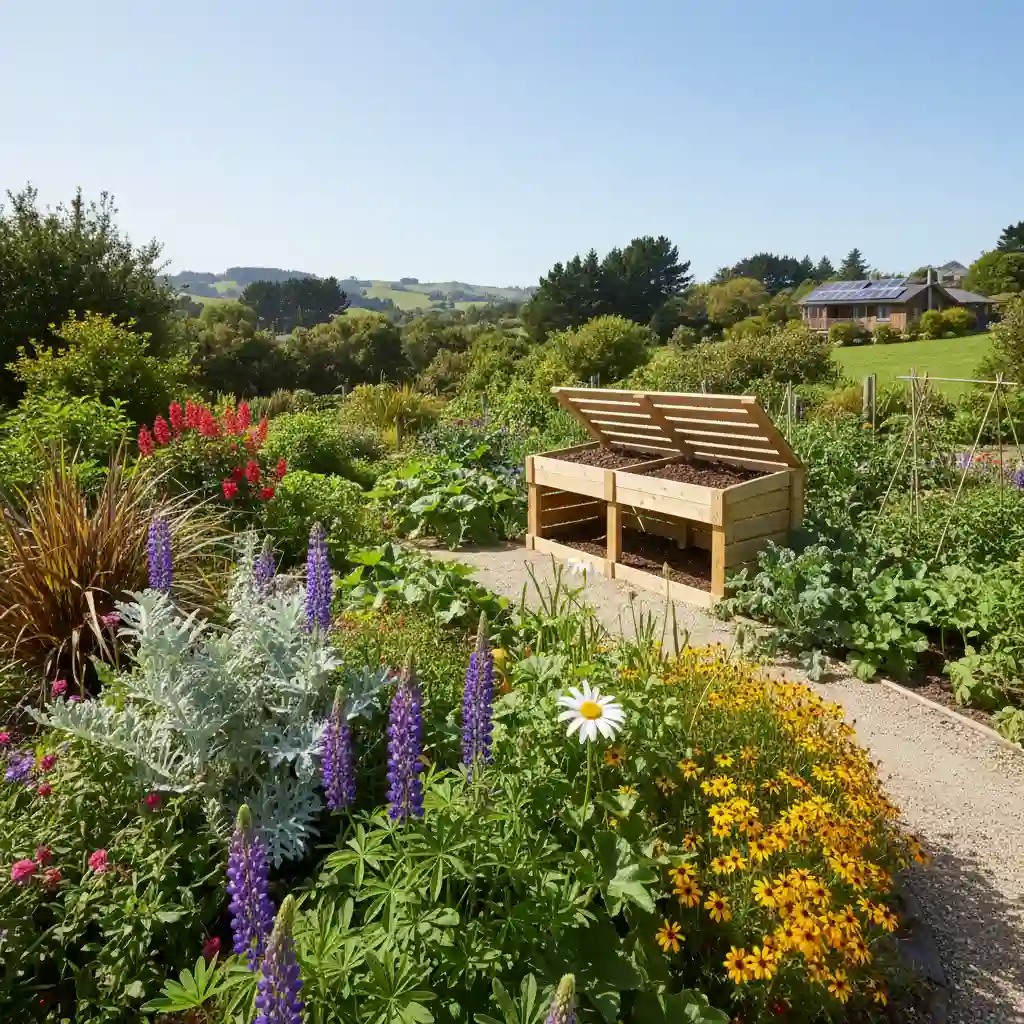
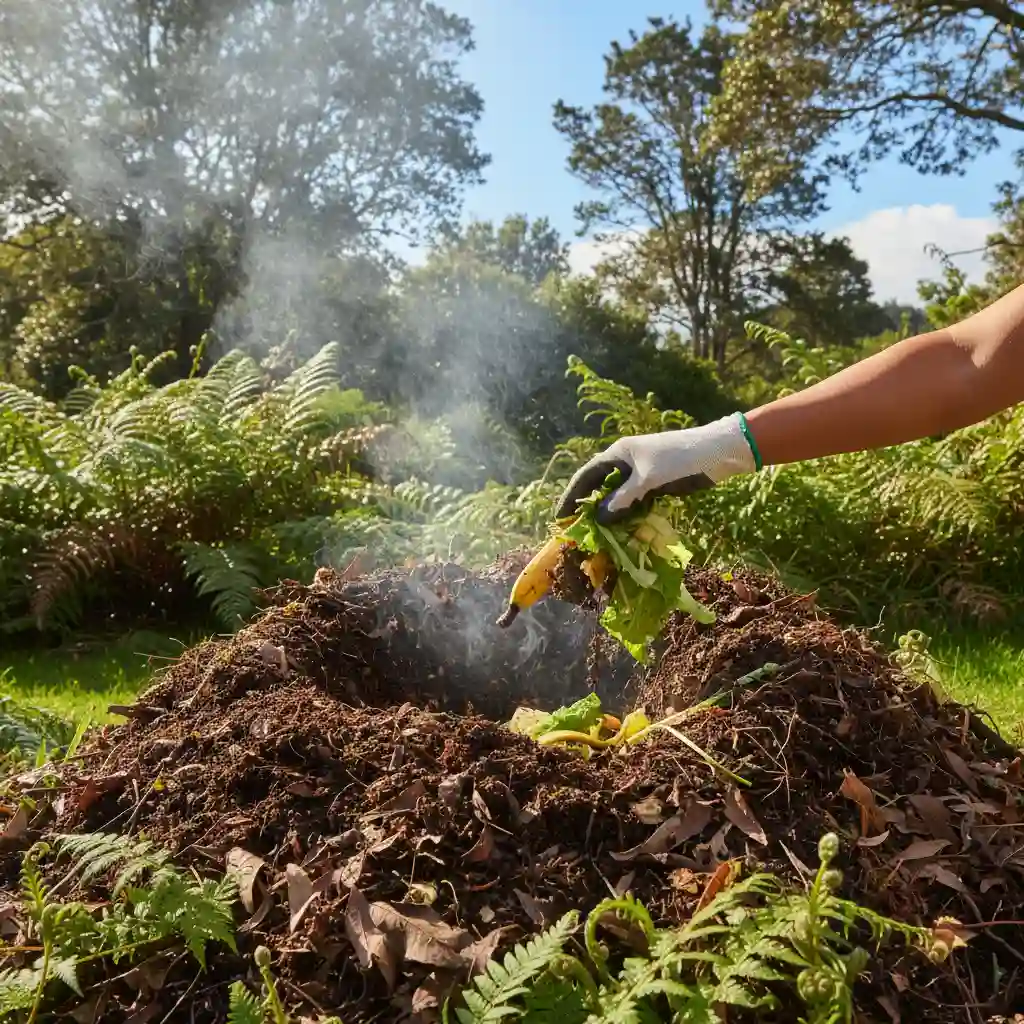
Enhance Your Sustainable Garden with Native Plants & Compost in New Zealand
Are you passionate about nurturing a garden that not only thrives but also actively contributes to New Zealand’s unique ecosystem? Moving beyond technical waste management, we’re diving into actionable steps for every Kiwi gardener. Cultivating a sustainable garden is a powerful way to connect with our environment, reduce waste, and create a vibrant, resilient space right in your backyard. The secret? Embracing the power of native plants and the magic of homemade compost.
This guide will walk you through transforming your garden into a biodiverse haven, rich with life and nourished by nature’s own recycling system. Discover how these two pillars of sustainable gardening work in harmony to foster a healthier planet, starting from your patch of Aotearoa.
1. The Foundation: Why Native Plants in Your NZ Garden?
Choosing native New Zealand plants is more than just a aesthetic decision; it’s an ecological imperative. Our unique flora has evolved over millions of years alongside native birds, insects, and soil microbes, forming intricate, interdependent relationships. By planting natives, you’re not just adding greenery; you’re actively supporting local biodiversity and restoring critical habitat.
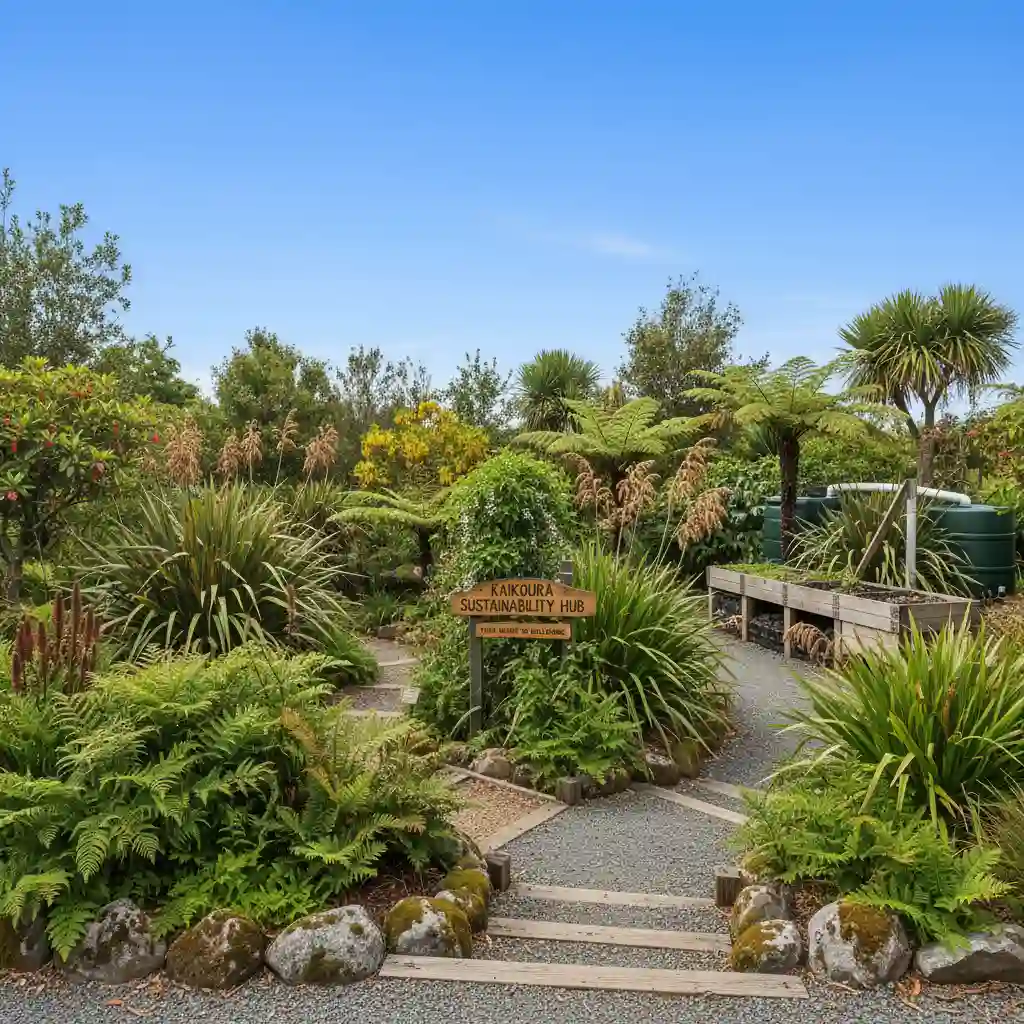
Ecological Benefits: Supporting Aotearoa’s Unique Biodiversity
- Habitat Creation: Provide food and shelter for native birds, lizards, and insects.
- Water Conservation: Many natives are adapted to local rainfall patterns, requiring less supplementary watering once established.
- Soil Health: Their root systems can improve soil structure and prevent erosion.
- Pest Resistance: Generally more resistant to local pests and diseases, reducing the need for chemical interventions.
Stat Callout: New Zealand is a global biodiversity hotspot, with over 80% of its native plants found nowhere else in the world. Integrating these into your garden directly contributes to their survival and the health of our unique ecosystems.
2. Selecting Your New Zealand Native Plants
With such a rich variety, choosing natives can be exciting! Consider your garden’s specific conditions – sun exposure, soil type, and climate zone – to ensure your plants thrive. Many nurseries specialise in natives and can offer expert advice.
Popular & Resilient Choices for Kiwi Gardens:
- Flax (Harakeke): Hardy, provides shelter and food for birds, and looks stunning.
- Hebe: A diverse genus with many sizes and flower colours, attracting bees and butterflies.
- Kawakawa: A beautiful, shade-loving plant with medicinal properties and distinctive heart-shaped leaves.
- Pohutukawa: The iconic ‘New Zealand Christmas tree’ (suitable for larger gardens or coastal areas).
- Cabbage Tree (Ti Kouka): An instantly recognisable feature plant, great for structure.
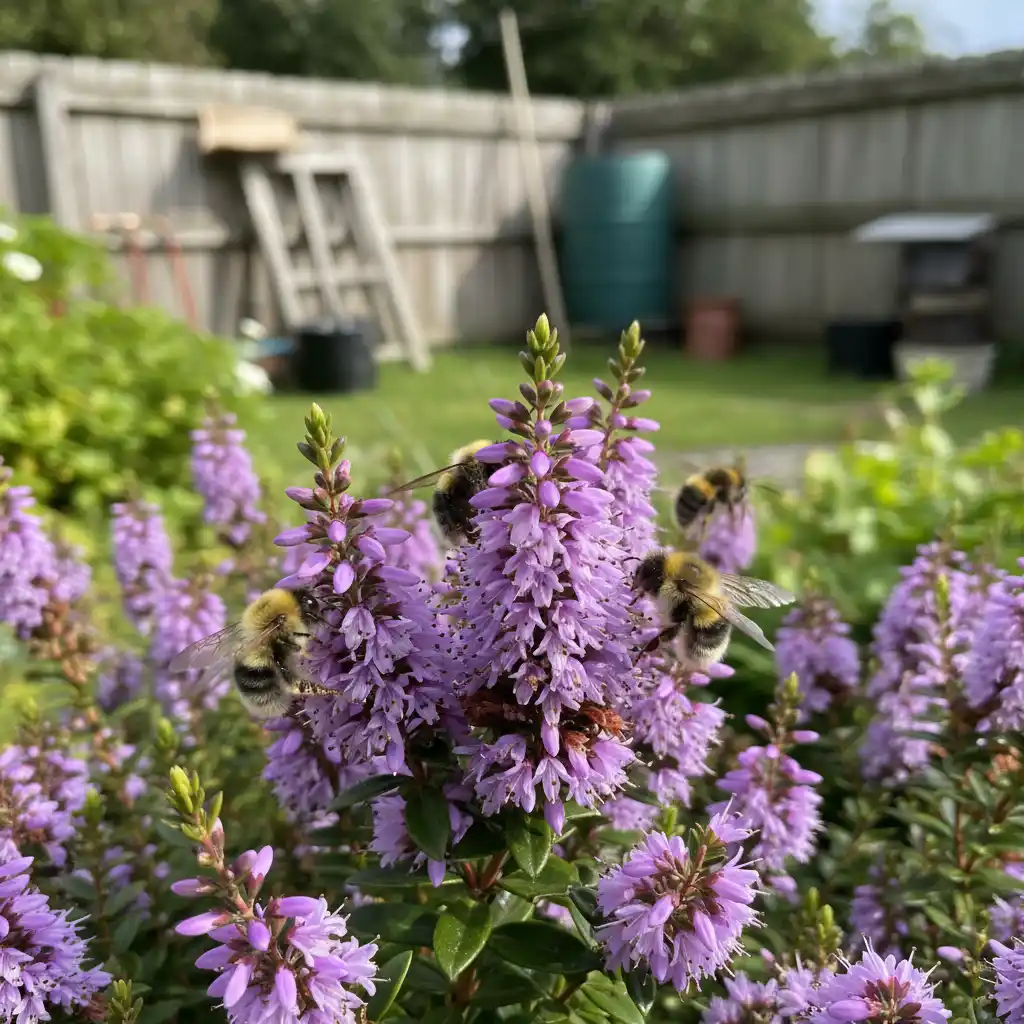
When sourcing, look for reputable local nurseries that propagate their plants sustainably. This helps ensure genetic diversity and supports local businesses committed to conservation.
3. The Heart of Sustainability: Composting for Nutrient-Rich Soil
Compost is often called ‘black gold’ for good reason. It’s the ultimate soil conditioner, transforming your kitchen scraps and garden waste into a rich, dark, crumbly substance that will supercharge your soil. Embracing composting means significantly reducing your household waste while creating a free, organic fertiliser.
Why Composting is Essential for a Sustainable Garden:
- Soil Enrichment: Adds vital nutrients, beneficial microbes, and organic matter to your soil.
- Improved Soil Structure: Helps sandy soils retain water and nutrients, and breaks up heavy clay soils.
- Waste Reduction: Diverts organic waste from landfills, where it would otherwise produce harmful methane gas.
- Water Retention: Compost acts like a sponge, helping your soil hold moisture, reducing the need for irrigation.
Stat Callout: Up to 50% of an average household’s waste can be composted. Diverting this from landfills not only saves space but significantly reduces greenhouse gas emissions.
4. Mastering the Art of Composting: A Step-by-Step Guide
Getting started with composting is simpler than you might think. Follow these steps to create your own nutrient-rich soil amendment.
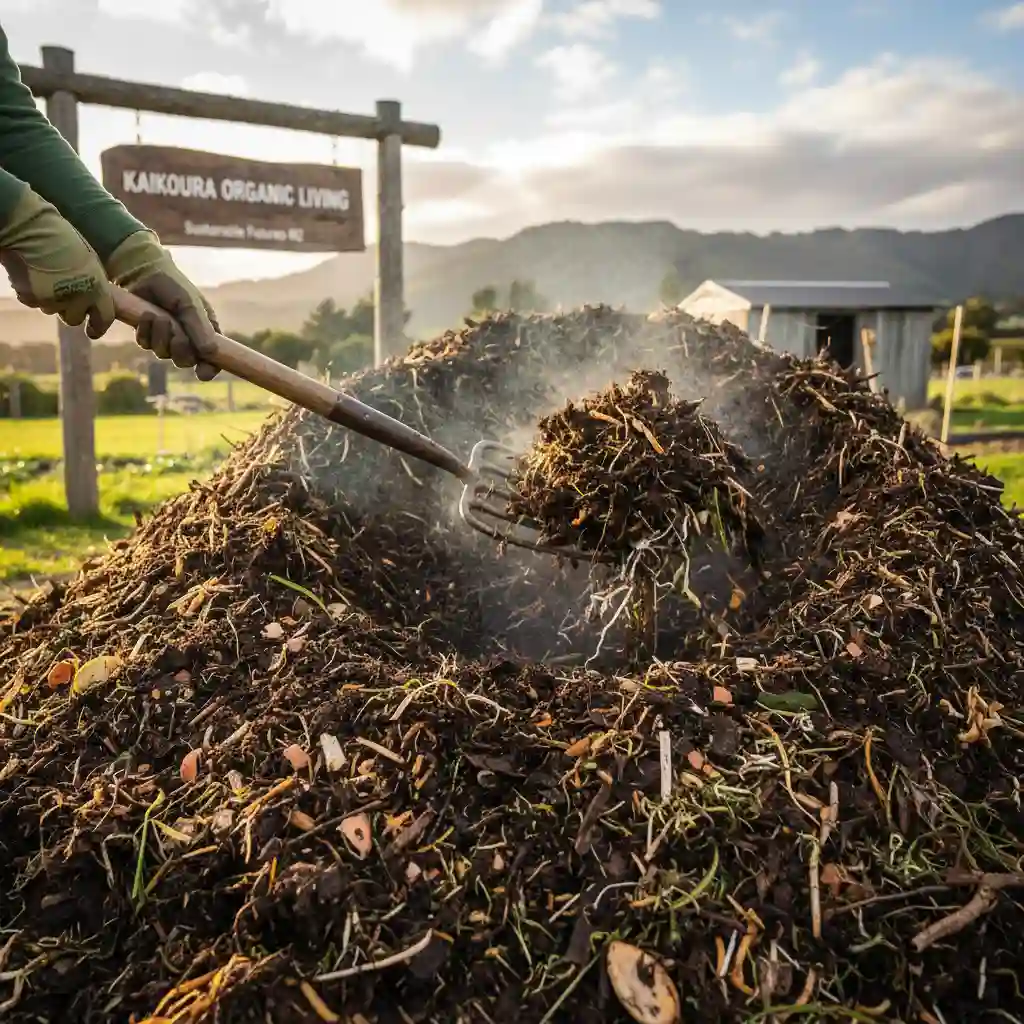
1. Choose Your Composting Method
- Compost Bin: An enclosed bin (plastic or wooden) is great for smaller spaces and tidiness.
- Compost Heap: For larger gardens, a simple pile can work well.
- Worm Farm (Vermicomposting): Excellent for kitchen scraps, produces nutrient-rich ‘worm castings’ and ‘worm tea’.
2. Gather Your Materials (Greens & Browns)
A successful compost pile needs a good balance of ‘greens’ (nitrogen-rich) and ‘browns’ (carbon-rich).
- Greens: Fruit and vegetable scraps, grass clippings, coffee grounds, tea bags, fresh plant trimmings.
- Browns: Dried leaves, shredded paper and cardboard, wood chips, sawdust, straw.
3. Layering for Success
Start with a layer of coarse browns at the bottom for drainage and aeration. Then, alternate layers of greens and browns, aiming for roughly two parts browns to one part greens. Keep materials chopped into smaller pieces to speed up decomposition.
4. Maintaining Your Compost
- Moisture: Your compost should be consistently moist, like a wrung-out sponge. Add water if it’s dry, or dry browns if it’s too wet.
- Aeration: Turn your compost pile regularly (weekly to monthly) with a fork or aerator. This introduces oxygen, which is crucial for the microbes doing the work and prevents anaerobic smells.
- Patience: Depending on the method and effort, compost can be ready in a few weeks to several months. You’ll know it’s ready when it’s dark brown, crumbly, and smells earthy.
5. Integrating Natives and Compost for a Thriving Ecosystem
The true magic happens when you combine the benefits of native plants with your homemade compost. When planting new native seedlings, incorporate a good amount of compost into the planting hole. This provides a slow-release nutrient boost and helps the young plant establish strong roots in healthy, living soil.
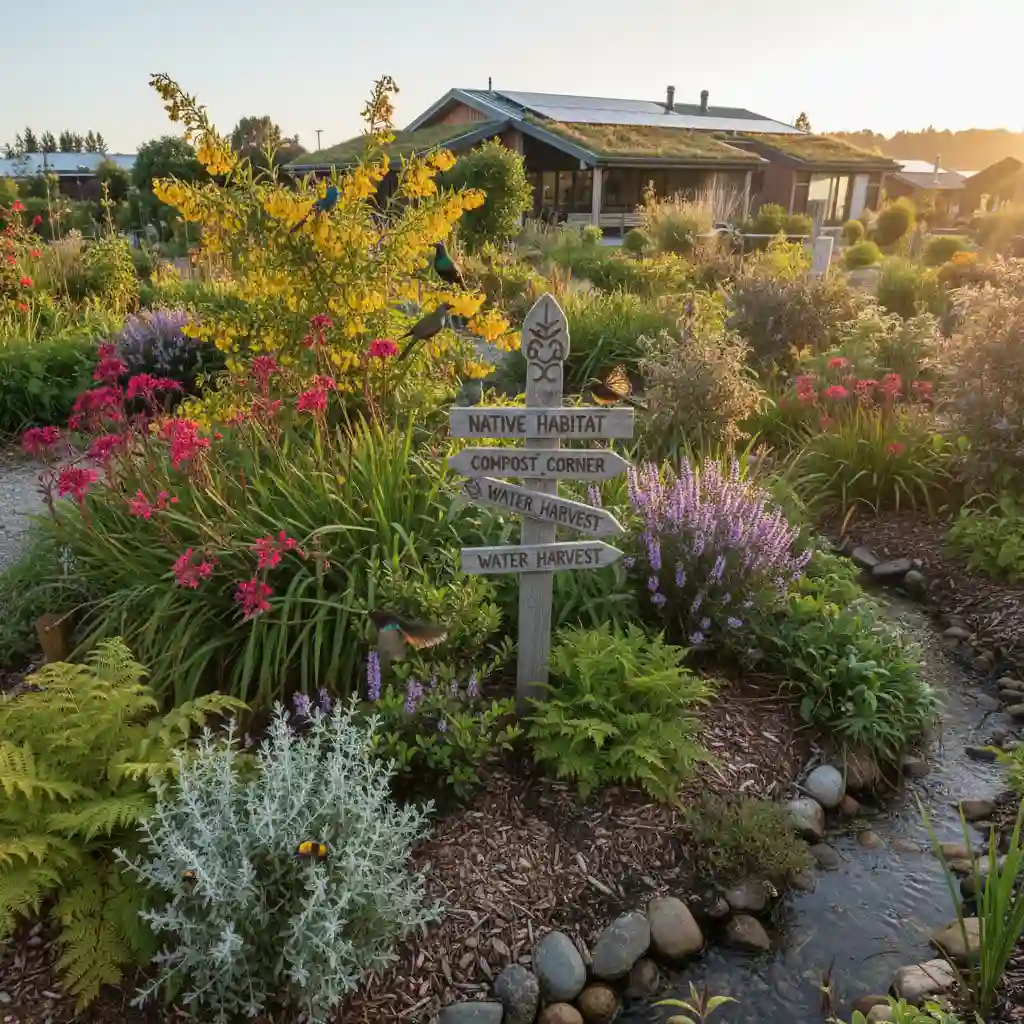
For established plants, a regular top-dressing of compost around their base will continually enrich the soil, encouraging robust growth and resilience. A healthy soil ecosystem, fostered by compost, will in turn support the mycorrhizal fungi and other microorganisms that thrive around native plant roots, creating a truly self-sustaining cycle.
By blending the ecological wisdom of native plants with the regenerative power of compost, you’re not just gardening; you’re actively participating in the restoration and enhancement of New Zealand’s natural heritage.
6. Beyond the Basics: Further Steps to a Greener Garden
Once you’ve mastered natives and compost, consider these additional steps to deepen your garden’s sustainability:
- Water Conservation: Install a rain barrel, use drip irrigation, or select drought-tolerant native species.
- Natural Pest Control: Encourage beneficial insects (like ladybirds) by planting a diverse range of flowers. Use organic pest solutions if needed.
- Mulching: Apply a layer of organic mulch (like wood chips or straw) to conserve moisture, suppress weeds, and regulate soil temperature.
- Community Gardening: Join or start a local community garden initiative to share knowledge and resources.
7. Frequently Asked Questions (FAQ)
What are the best native plants for a beginner gardener in New Zealand?
For beginners, resilient options like Harakeke (Flax), Hebe varieties, Ti Kouka (Cabbage Tree), and Griselinia littoralis are excellent choices. They are generally hardy, adaptable, and require less intensive care once established. Always select plants appropriate for your specific region and soil conditions.
How often should I turn my compost pile?
For rapid composting, turning your pile every week or two is ideal as it aerates the materials and speeds up decomposition. If you’re less concerned with speed, turning it monthly or even just a few times a year will still work, though it will take longer for the compost to mature.
Can I use compost immediately after making it?
It’s best to use ‘finished’ compost, which is dark brown, crumbly, and has an earthy smell without any recognisable food scraps. Using unfinished compost can sometimes ‘burn’ plants due to high nitrogen levels or introduce pests. Fully mature compost is stable and provides the most benefits.
What should I *not* put in my compost bin?
Avoid meat, dairy products, oily foods, diseased plants, pet waste (especially from carnivorous animals), and any plants treated with persistent herbicides. These can attract pests, create foul odours, introduce pathogens, or harm your garden.
Where can I buy New Zealand native plants?
You can purchase native plants from specialist native plant nurseries, garden centres, and often through local community groups or conservation organisations. Look for nurseries that promote sustainable practices and source their seeds ethically. Online native plant retailers also offer delivery across New Zealand.
8. References/Sources
- Department of Conservation (DOC) NZ. (n.d.). Native Plants. Retrieved from www.doc.govt.nz/nature/native-plants/
- Ministry for the Environment. (n.d.). Waste and recycling. Retrieved from environment.govt.nz/facts-and-science/waste-and-recycling/
- Landcare Research Manaaki Whenua. (n.d.). Compost resources. Retrieved from www.landcareresearch.co.nz/resources/ (Plausible, as they do research on soil and ecosystems)
- NZ Plant Conservation Network. (n.d.). Gardening with New Zealand native plants. Retrieved from www.nzpcn.org.nz/resources/gardening-with-native-plants/