Enhancing Patient Well-Being: Eco-Friendly Indoor Quality
Discover how sustainable practices within healthcare environments can profoundly impact patient recovery and overall health.

In an era where holistic health is gaining paramount importance, the environment we inhabit plays a crucial role in our well-being. This is especially true for patients, whose fragile states make them highly susceptible to external factors. When we talk about enhancing patient well-being, we often focus on medical treatments and compassionate care, yet the very air they breathe and the surfaces they touch can be just as impactful.
Our journey towards a sustainable future in New Zealand extends beyond managing technical waste and legislation; it embraces creating healthier living and healing spaces. This article delves into the profound connection between eco-friendly indoor quality and improved patient outcomes, offering actionable insights for a healthier tomorrow.
The Critical Link: Indoor Environment and Health
For patients, especially those with compromised immune systems or respiratory conditions, the indoor environment can be a source of healing or harm. Poor indoor air quality (IAQ) due to volatile organic compounds (VOCs) from paints, furnishings, and cleaning products, along with inadequate ventilation, can exacerbate symptoms and prolong recovery.
“The air inside buildings can be 2 to 5 times more polluted than outdoor air, and sometimes 100 times more polluted.”
— U.S. Environmental Protection Agency (EPA)
By proactively managing indoor environmental factors, we can significantly reduce exposure to harmful pollutants, allergens, and pathogens, thereby enhancing patient well-being and accelerating their journey to recovery. This proactive approach aligns perfectly with sustainable living principles, reducing our ecological footprint while improving health outcomes.
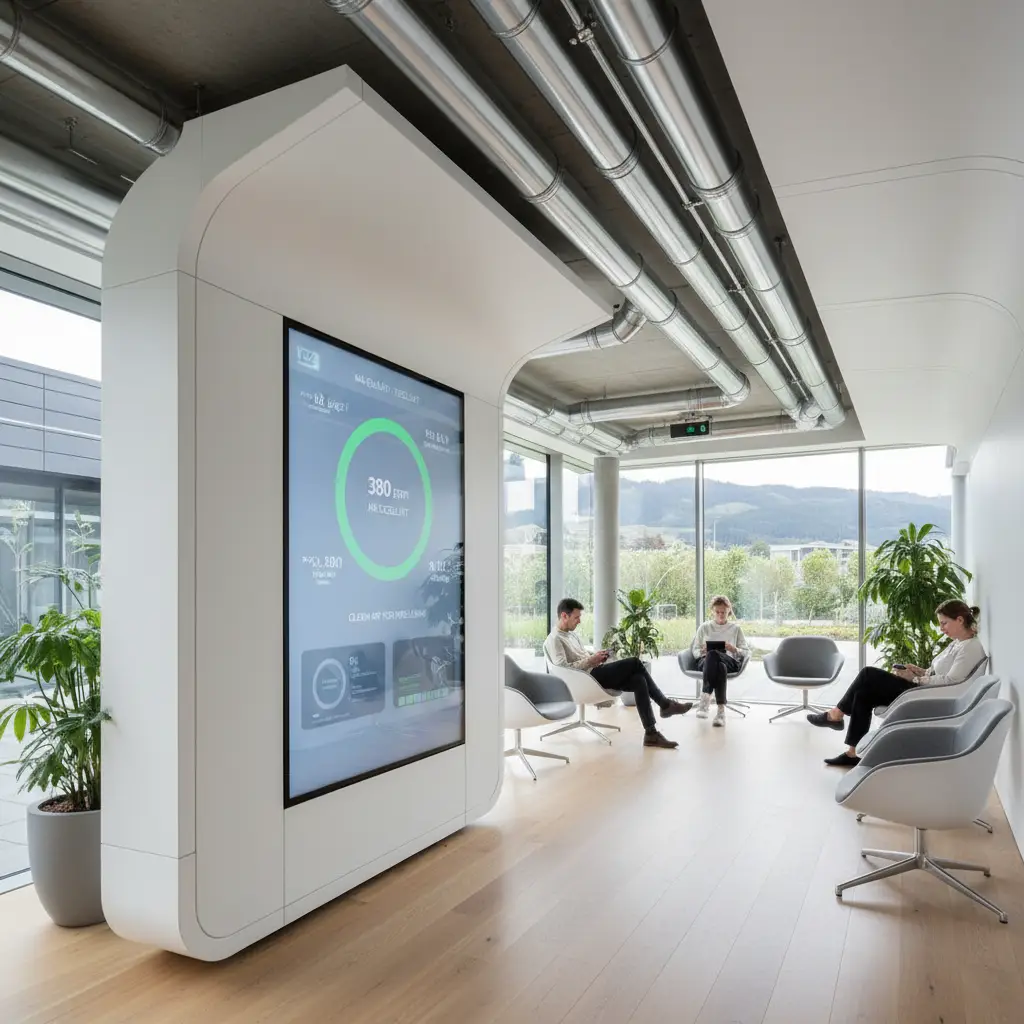
What Defines “Eco-Friendly” Indoor Quality?
Eco-friendly indoor quality is more than just good air; it’s a holistic approach that considers every element of the built environment. It encompasses:
- Low VOC Materials: Using paints, flooring, and furnishings that emit minimal volatile organic compounds.
- Superior Ventilation: Ensuring constant fresh air exchange to dilute pollutants and control humidity.
- Natural Lighting: Maximizing daylight and using energy-efficient, full-spectrum artificial lighting.
- Biophilic Design: Incorporating natural elements like plants, natural views, and materials.
- Non-Toxic Cleaning: Employing cleaning products and methods that are safe for both people and the planet.
- Waste Reduction: Minimising construction and operational waste through sustainable procurement.
Each of these components contributes to an environment that supports health, reduces stress, and fosters faster healing for patients, while also being mindful of our planet’s resources.
Key Strategies for Enhancing Eco-Friendly Indoor Quality
Implementing sustainable practices requires thoughtful planning and execution. Here are some key strategies:
Advanced Air Quality Management
Beyond basic ventilation, advanced systems can make a significant difference. This includes HEPA filtration, UV-C light sterilisation in HVAC systems, and regular monitoring of airborne particulates and CO2 levels. Fresh air intake is vital, especially in densely populated areas like healthcare facilities.
Improved ventilation can reduce respiratory illness transmission rates by up to 50% in healthcare settings. (Source: World Health Organization)
Sustainable Building Materials & Furnishings
The choices made during construction and renovation have lasting impacts. Opt for materials certified for low VOCs, recycled content, and sustainable sourcing. Examples include bamboo flooring, recycled glass countertops, and furniture made with non-toxic adhesives and finishes. These choices reduce off-gassing, providing a cleaner indoor atmosphere.

Optimising Natural Light & Biophilia
Exposure to natural light regulates circadian rhythms, improving sleep and mood – critical for recovery. Biophilic design, which integrates nature into the built environment (e.g., green walls, indoor plants, views of nature), has been shown to reduce stress, pain perception, and even shorten hospital stays. These elements are key to enhancing patient well-being in a truly holistic manner.
Non-Toxic Cleaning & Maintenance
Traditional cleaning agents often contain harsh chemicals that contribute to poor indoor air quality. Switching to eco-certified, non-toxic cleaning products significantly reduces chemical exposure for patients, staff, and visitors, while also being better for wastewater systems. Implementing green cleaning protocols is a straightforward step towards a healthier environment.
Benefits Beyond the Patient: A Holistic View
While the primary goal is enhancing patient well-being, the ripple effects of eco-friendly indoor quality extend far wider:
- Staff Health & Productivity: Healthier indoor environments reduce sick days and improve concentration among healthcare professionals.
- Reduced Operational Costs: Energy-efficient ventilation, lighting, and reduced need for harsh chemical purchases can lead to significant long-term savings.
- Environmental Stewardship: Less pollution, waste, and energy consumption contribute to a healthier planet, aligning with New Zealand’s sustainability goals.
- Enhanced Brand Reputation: Demonstrating a commitment to patient health and environmental responsibility builds trust and positive public perception.
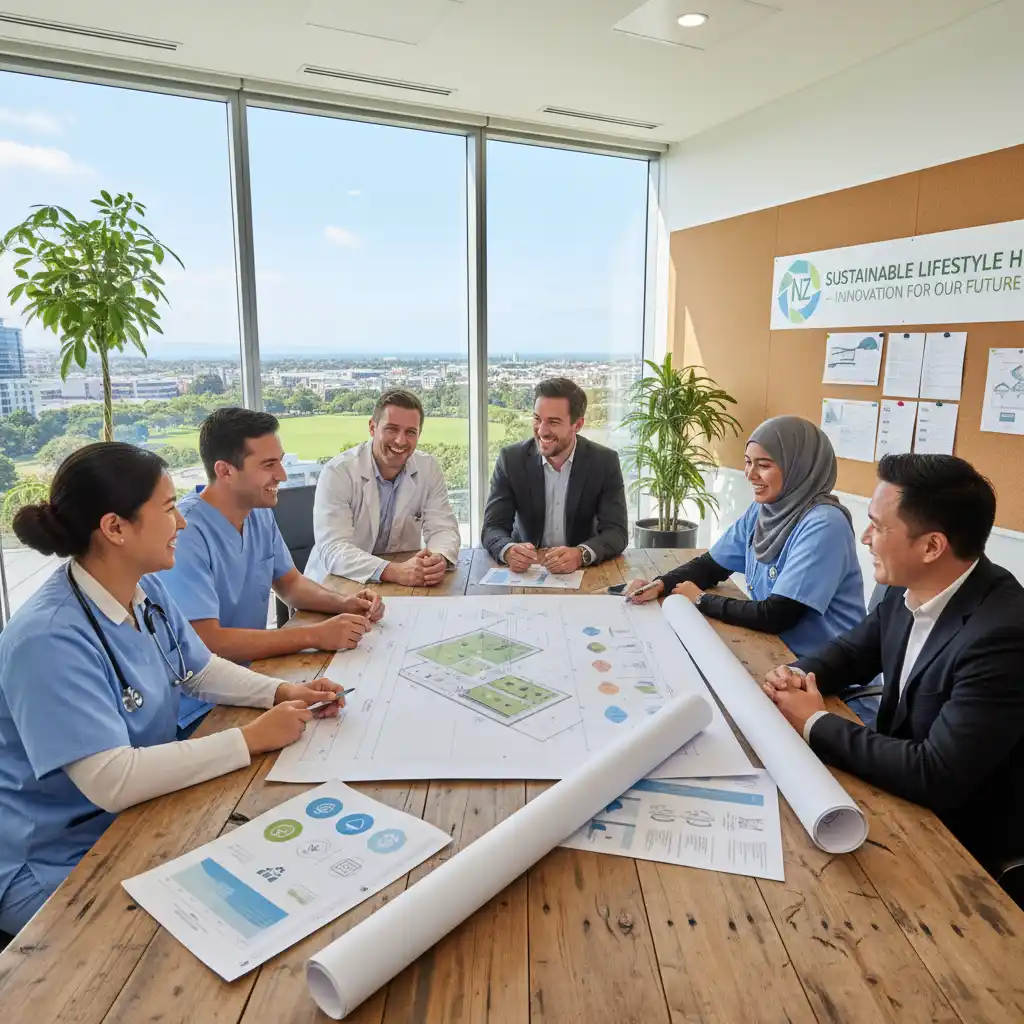
Implementing Change: A Practical Approach
Transitioning to more sustainable indoor practices doesn’t have to be overwhelming. Here’s an action checklist to guide your efforts:
Eco-Friendly Indoor Quality Action Checklist
-
Conduct an IAQ Audit: Assess current indoor air quality, identify pollutant sources, and evaluate ventilation systems.
-
Upgrade Filtration Systems: Install high-efficiency particulate air (HEPA) filters in HVAC systems and ensure regular maintenance.
-
Source Low-VOC Products: Prioritise paints, adhesives, sealants, and furnishings with low or zero VOCs for all new installations or renovations.
-
Implement Green Cleaning Protocols: Switch to eco-certified cleaning products and provide training on their proper use.
-
Maximise Natural Light: Optimise window treatments, consider daylight harvesting systems, and maintain clean windows.
-
Integrate Biophilic Elements: Add indoor plants, provide access to outdoor green spaces, or incorporate natural imagery.
-
Educate & Engage: Inform staff, patients, and visitors about the importance of indoor quality and sustainable practices.
NZ Context: Local Relevance and Resources
New Zealand is uniquely positioned to lead in sustainable healthcare design. With our strong commitment to environmental protection and a growing focus on well-being, adopting eco-friendly indoor quality standards aligns perfectly with national values. Resources like the Green Building Council Aotearoa (NZGBC) offer guidance and certifications for sustainable building practices, making it easier for healthcare facilities to implement these changes locally.
By embracing these principles, we not only create superior healing environments but also contribute to a healthier, more resilient New Zealand, moving beyond simple waste management to truly integrated sustainable living solutions.
Conclusion
The pursuit of enhancing patient well-being is a multi-faceted endeavor, and the quality of the indoor environment stands as a cornerstone. By consciously choosing eco-friendly materials, optimising air quality, embracing natural light, and adopting sustainable maintenance practices, healthcare providers can cultivate spaces that not only aid recovery but also foster overall health and comfort.
As New Zealand continues its journey towards a sustainable future, integrating these green principles into our healthcare infrastructure is not just an environmental imperative, but a profound commitment to the health of our people and our planet. The future of healthcare is green, and the benefits are immeasurable.
Frequently Asked Questions
What is eco-friendly indoor quality in a healthcare setting?
It’s a holistic approach to designing, constructing, and maintaining healthcare environments that prioritise patient and staff health, while also minimising environmental impact. This includes using low-VOC materials, advanced ventilation, natural light, biophilic design, and non-toxic cleaning products to create healthier, sustainable spaces.
How does eco-friendly indoor quality enhance patient well-being?
By reducing exposure to harmful chemicals and allergens, improving air circulation, optimising natural light, and integrating natural elements, patients experience reduced stress, improved sleep, faster healing rates, and a lower risk of hospital-acquired infections or respiratory issues. It creates a more serene and healing atmosphere.
Are sustainable building materials more expensive?
While initial costs for some sustainable materials might be slightly higher, they often offer long-term savings through increased durability, reduced maintenance, lower energy consumption (e.g., better insulation), and fewer health-related issues. The investment typically pays off through operational efficiencies and improved occupant health.
Can existing healthcare facilities implement these changes?
Absolutely. While new constructions offer the most flexibility, existing facilities can implement many changes. This can include upgrading HVAC systems with better filters, switching to green cleaning products, repainting with low-VOC paints, adding indoor plants, and optimising natural light where possible. Small changes can lead to significant improvements.
References/Sources
- U.S. Environmental Protection Agency (EPA). (2022). Indoor Air Quality (IAQ). Retrieved from www.epa.gov/indoor-air-quality-iaq
- World Health Organization (WHO). (2021). WHO guidelines for indoor air quality: dampness and mould. Retrieved from www.who.int/publications/i/item/9789241549721
- New Zealand Green Building Council (NZGBC). (Current). Green Star Certification. Retrieved from www.nzgbc.org.nz
- Heschong, L. (2003). Daylighting and Human Performance. Heschong Mahone Group.
- Ulrich, R. S., et al. (2008). A Review of the Research Literature on Health and Well-Being Outcomes of Biophilic Design. Terrapin Bright Green.