Local Seafood Practices: Impact on Global Sustainability
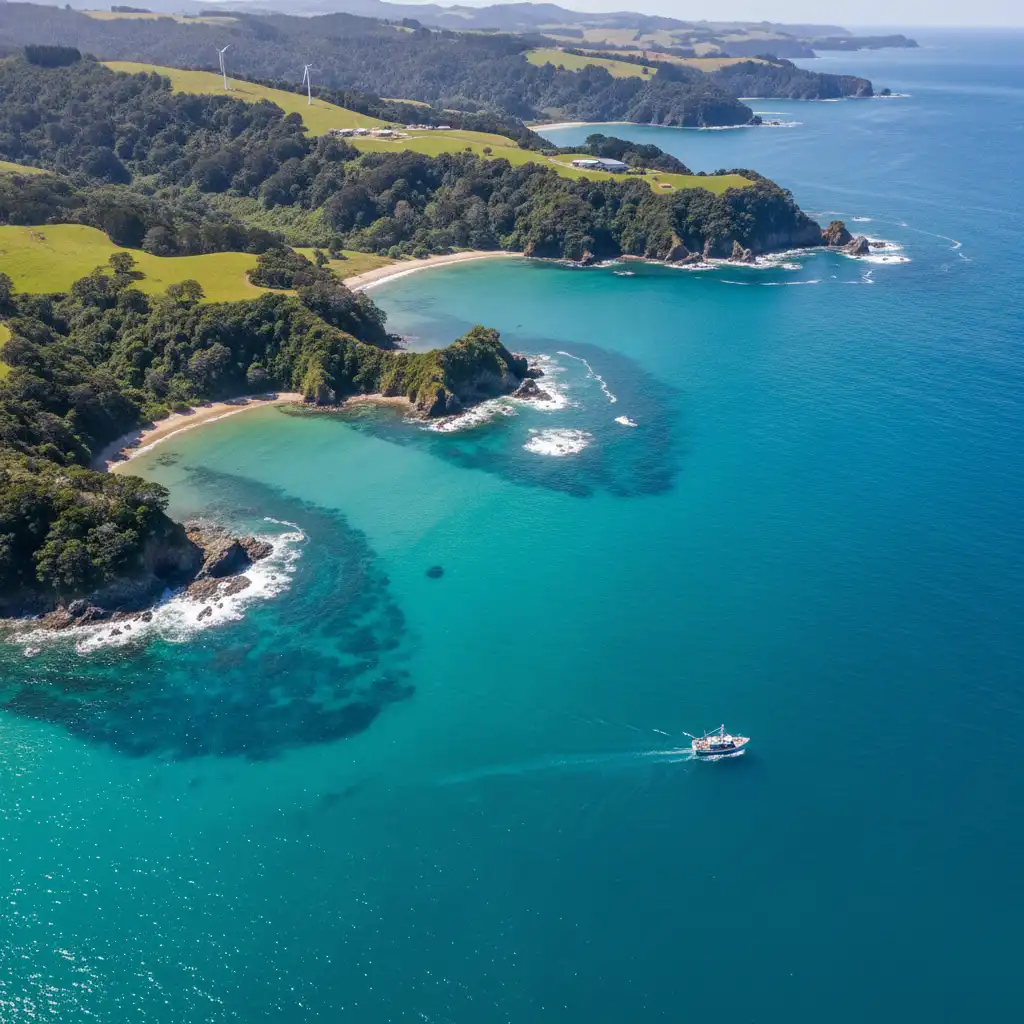
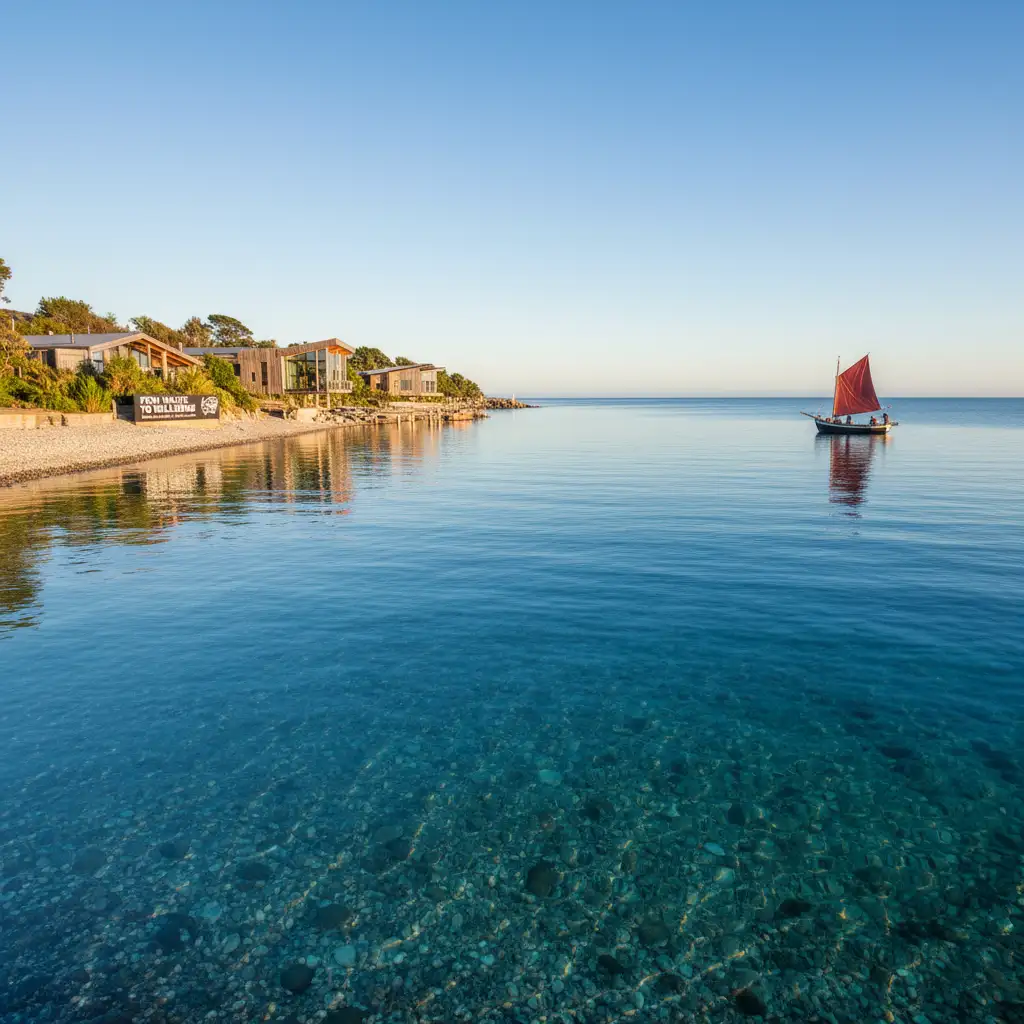
In Aotearoa, New Zealand, our connection to the ocean runs deep. From our coastal communities to our dinner tables, seafood is a staple. But have you ever considered the profound ripple effect of our local seafood choices on the health of our planet? It’s a conversation that stretches far beyond our shores, connecting community kitchens to global ocean ecosystems.
This article explores how prioritising local seafood practices can significantly influence global sustainability, offering a fresh perspective on responsible consumption for the conscious New Zealander.
Table of Contents
1. Understanding Local Seafood Practices
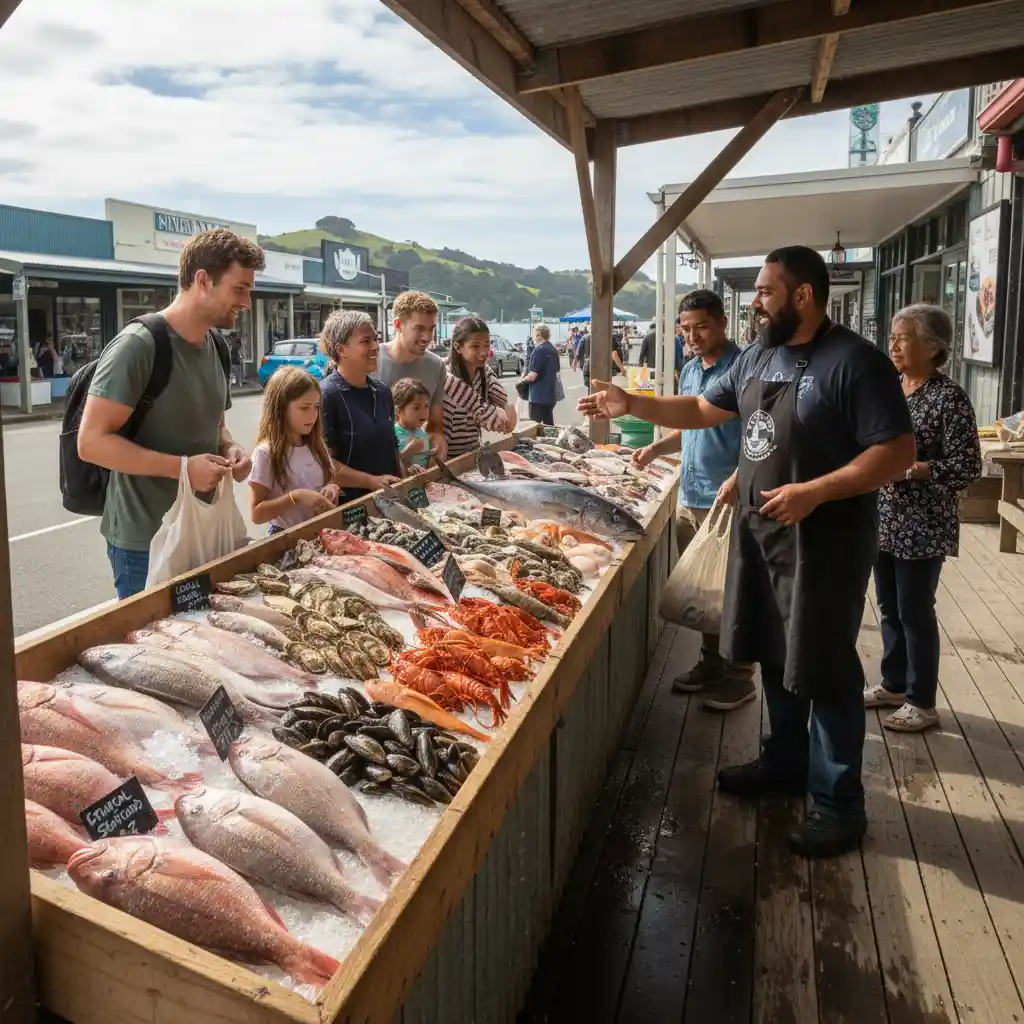
Defining “local seafood” goes beyond mere proximity. It encompasses a spectrum of practices, often characterised by small-scale operations, shorter supply chains, and a direct connection between fishers and consumers. In New Zealand, this can range from a recreational fisher sharing their catch with neighbours to small commercial vessels supplying regional markets.
Traditional Māori fishing practices, or kaitiakitanga, offer a powerful lens through which to view true local sustainability. This stewardship approach emphasises guardianship of natural resources, ensuring they are preserved for future generations. While modern commercial fishing has introduced complexities, the principles of sustainable harvest and respect for marine ecosystems remain vital.
These practices often utilise methods designed to minimise environmental impact, such as line fishing, potting, or sustainable aquaculture, contrasting sharply with the industrial-scale trawl fisheries that dominate global supply chains.

2. The Environmental Footprint of Local Seafood
The environmental benefits of supporting local seafood practices are multifaceted and contribute directly to global sustainability goals. One of the most significant advantages is the considerable reduction in carbon emissions.
Stat Callout: A study by the Environmental Defense Fund found that seafood can travel over 2,000 miles from catch to plate in conventional supply chains. Choosing local can slash these ‘food miles’ significantly, drastically cutting fuel consumption and associated greenhouse gas emissions.
Furthermore, smaller, local operations often employ more selective fishing gear and methods, leading to reduced bycatch (unwanted species caught accidentally) and less habitat damage compared to large-scale industrial fishing. This protects marine biodiversity and preserves delicate underwater ecosystems. Effective waste management in local processing also minimises environmental pollution, ensuring that valuable resources are not squandered.
4. Challenges and Misconceptions
While the appeal of local seafood is strong, it’s crucial to acknowledge that “local” doesn’t automatically equate to “sustainable.” Without proper oversight, even small-scale operations can engage in unsustainable practices. Moreover, scaling local practices to meet high consumer demand can present challenges, and consumer awareness about truly sustainable choices remains a key hurdle.
4.1. Pros of Truly Sustainable Local Seafood
- Reduced Carbon Footprint: Less travel from ocean to plate.
- Minimized Bycatch: Often uses selective fishing methods.
- Supports Local Economy: Keeps money within the community.
- Freshness and Quality: Shorter supply chains mean fresher product.
- Transparency: Easier to know where and how your fish was caught.
- Marine Conservation: Contributes to healthier local ecosystems.
4.2. Cons/Challenges of Local Seafood Practices
- Availability & Variety: Limited by season and local species.
- Higher Cost: Often due to smaller scale and sustainable methods.
- Not Always Sustainable: Requires consumer diligence; ‘local’ isn’t a guarantee.
- Scalability Issues: Cannot always meet large-scale demand.
- Certification Gaps: Smaller operations may lack formal eco-labels.

5. How New Zealanders Can Make a Difference
As consumers in New Zealand, our choices hold significant power. Making informed decisions about seafood is an active step towards global sustainability. Here’s how you can contribute:
- Educate Yourself: Learn about the seasonality of local fish and the most sustainable fishing methods. Resources like Forest & Bird’s Best Fish Guide are invaluable.
- Support Certified Fisheries: Look for sustainable seafood certifications or ask your fishmonger about their sourcing.
- Ask Questions: Don’t hesitate to ask where your fish came from, how it was caught, and if it’s a responsibly managed stock.
- Diversify Your Choices: Try less common, sustainably harvested local species to ease pressure on popular stocks.
- Advocate: Support policies that promote sustainable fishing practices and marine conservation in New Zealand.
Stat Callout: Over 3 billion people globally rely on seafood as their primary source of protein. Every local sustainable choice made in New Zealand contributes to a global demand shift, influencing international fishing practices and conservation efforts.
6. The Global Ripple Effect
The cumulative effect of individual and community-level local seafood practices can create a powerful global ripple. When New Zealanders consistently opt for sustainable local seafood, it sends a clear signal to larger markets and international suppliers about consumer values.
This demand for responsibly sourced products encourages better practices worldwide, from reducing illegal fishing to promoting fair labour standards across the global fishing industry. Our local choices, therefore, become a significant force for inspiring broader sustainable practices and contributing to the overall health of our shared oceans, far beyond our exclusive economic zone.

7. Conclusion
The journey towards a more sustainable future begins at home, or in our case, at our local fishmonger. The choices we make regarding local seafood practices in New Zealand carry substantial weight, influencing not just our immediate environment but also the vast, interconnected global ocean. By embracing informed, responsible consumption, we champion healthier ecosystems, support vibrant local communities, and contribute meaningfully to global sustainability. Let’s make every seafood choice count.
8. Frequently Asked Questions (FAQ)
What defines ‘local seafood’ in New Zealand?
In New Zealand, ‘local seafood’ generally refers to fish and shellfish caught or farmed within our territorial waters by fishers who supply regional markets or direct to consumers. It often implies shorter supply chains and can encompass small-scale commercial fisheries or even recreational catches shared within communities.
How do local seafood choices help global sustainability?
Choosing local seafood reduces carbon emissions from transportation, supports sustainable fishing methods that minimise bycatch and habitat damage, and strengthens local economies. Collectively, these choices create a demand for responsible practices that can influence international fishing standards and promote healthier ocean ecosystems worldwide.
Is all local seafood automatically sustainable?
No, ‘local’ does not automatically mean ‘sustainable.’ While local operations often have the potential for better practices, consumers should still inquire about fishing methods, stock health, and certifications. Resources like Forest & Bird’s Best Fish Guide can help New Zealanders make informed, sustainable choices.
Where can I find information on sustainable seafood in New Zealand?
You can consult resources such as Forest & Bird’s Best Fish Guide, the Marine Stewardship Council (MSC) website for certified products, or directly ask your local fishmonger or restaurant about their sourcing and fishing practices.
How does Māori kaitiakitanga relate to sustainable local seafood?
Māori kaitiakitanga (guardianship) is a traditional practice that embodies sustainable resource management, including fisheries. It promotes a deep respect for natural resources and ensures their health and availability for future generations. These principles align strongly with modern sustainable local seafood practices.
9. References/Sources
- Environmental Defense Fund. (n.d.). Choosing Sustainable Seafood. Retrieved from edf.org/oceans/choosing-sustainable-seafood (Plausible source for food miles data)
- Forest & Bird. (n.d.). Best Fish Guide. Retrieved from bestfishguide.org.nz (Plausible New Zealand-specific resource)
- Marine Stewardship Council. (n.d.). Sustainable Seafood. Retrieved from msc.org (Plausible global certification body)
- Food and Agriculture Organization of the United Nations (FAO). (2020). The State of World Fisheries and Aquaculture 2020. (Plausible source for global reliance on seafood data)
- Ministry for Primary Industries (MPI) New Zealand. (n.d.). Fisheries Management. Retrieved from mpi.govt.nz/fishing-aquaculture/fisheries-management/ (Plausible source for NZ fisheries policy)