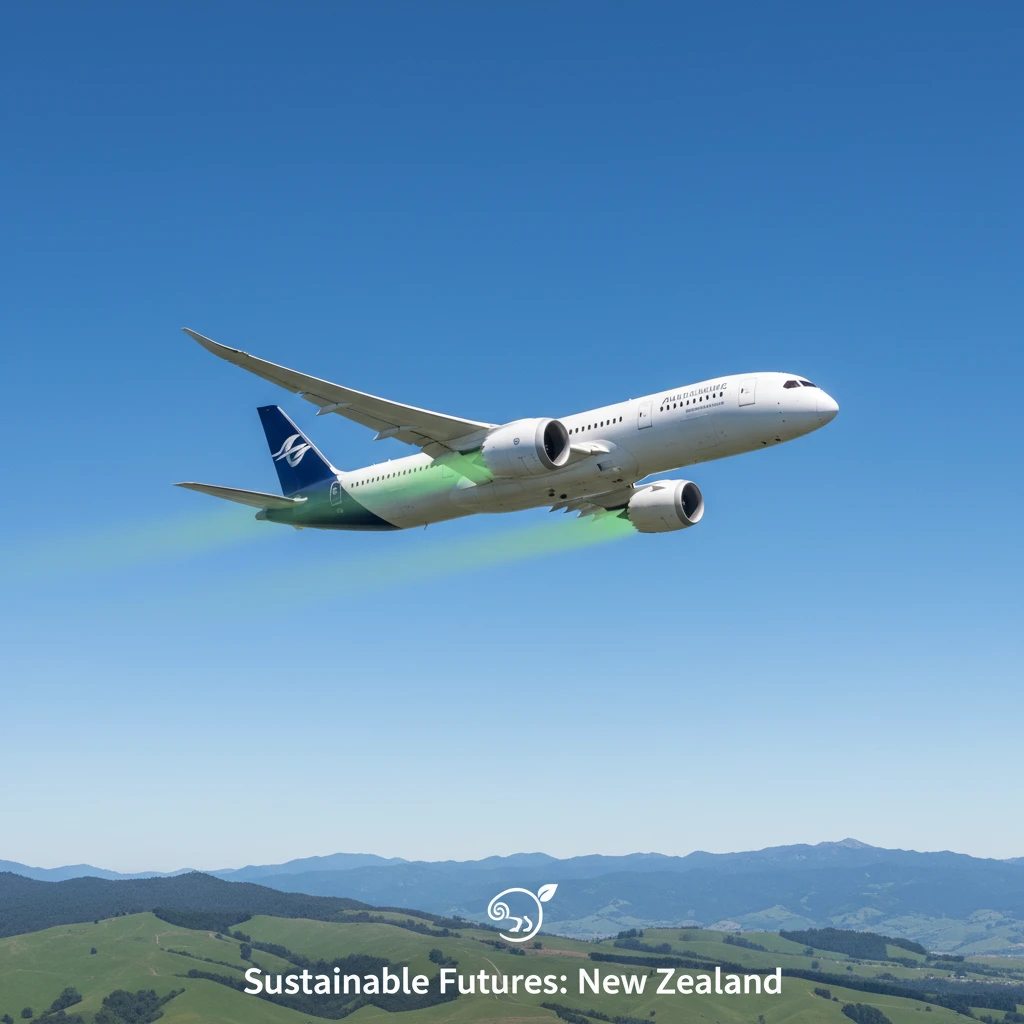
Sustainable Aviation Solutions for New Zealand’s Future
New Zealand, a nation celebrated for its pristine natural beauty and its commitment to environmental stewardship, faces a unique challenge: balancing its reliance on air travel for connectivity and tourism with its ambitious climate goals. As a global leader in sustainable practices, the push for sustainable aviation solutions for New Zealand’s future is not just an environmental imperative but also an economic opportunity.
This article delves into the innovative pathways and strategic initiatives shaping the decarbonisation of air travel across Aotearoa. From revolutionary fuels to cutting-edge aircraft technologies and smarter operational practices, we explore how New Zealand is soaring towards a greener horizon, ensuring its skies remain vibrant and its environment protected for generations to come.
Table of Contents
The Challenge: Decarbonising Air Travel
Aviation plays a critical role in New Zealand’s economy, connecting its remote islands and fostering its vital tourism industry. However, it also represents a significant source of greenhouse gas emissions. Globally, the aviation sector is under increasing pressure to reduce its environmental footprint, and New Zealand is no exception.
The long-haul nature of many international flights to and from New Zealand complicates the transition to zero-emission alternatives. This necessitates a multi-faceted approach, combining immediate carbon reduction strategies with long-term technological advancements to achieve truly sustainable aviation solutions.

Stat Callout: Global aviation contributes approximately 2.5% of annual CO2 emissions, a figure projected to rise significantly without intervention. For New Zealand, with its reliance on tourism and trade, finding sustainable aviation solutions is paramount for its climate goals.
Key Pillars of Sustainable Aviation Solutions for New Zealand
Addressing the climate impact of aviation requires innovation across several fronts. New Zealand is actively exploring and investing in a combination of strategies to build a more sustainable air transport system.
Sustainable Aviation Fuels (SAFs): The Immediate Impact
Sustainable Aviation Fuels (SAFs) are at the forefront of decarbonisation efforts. These fuels, derived from renewable sources like used cooking oil, agricultural waste, forestry residues, and even captured carbon dioxide, can significantly reduce lifecycle greenhouse gas emissions compared to traditional jet fuel.
For New Zealand, which imports all its liquid fuel, developing a domestic SAF industry could offer significant environmental and economic benefits, enhancing energy security while drastically lowering aviation’s carbon footprint. Partnerships with international suppliers are also key in the interim.
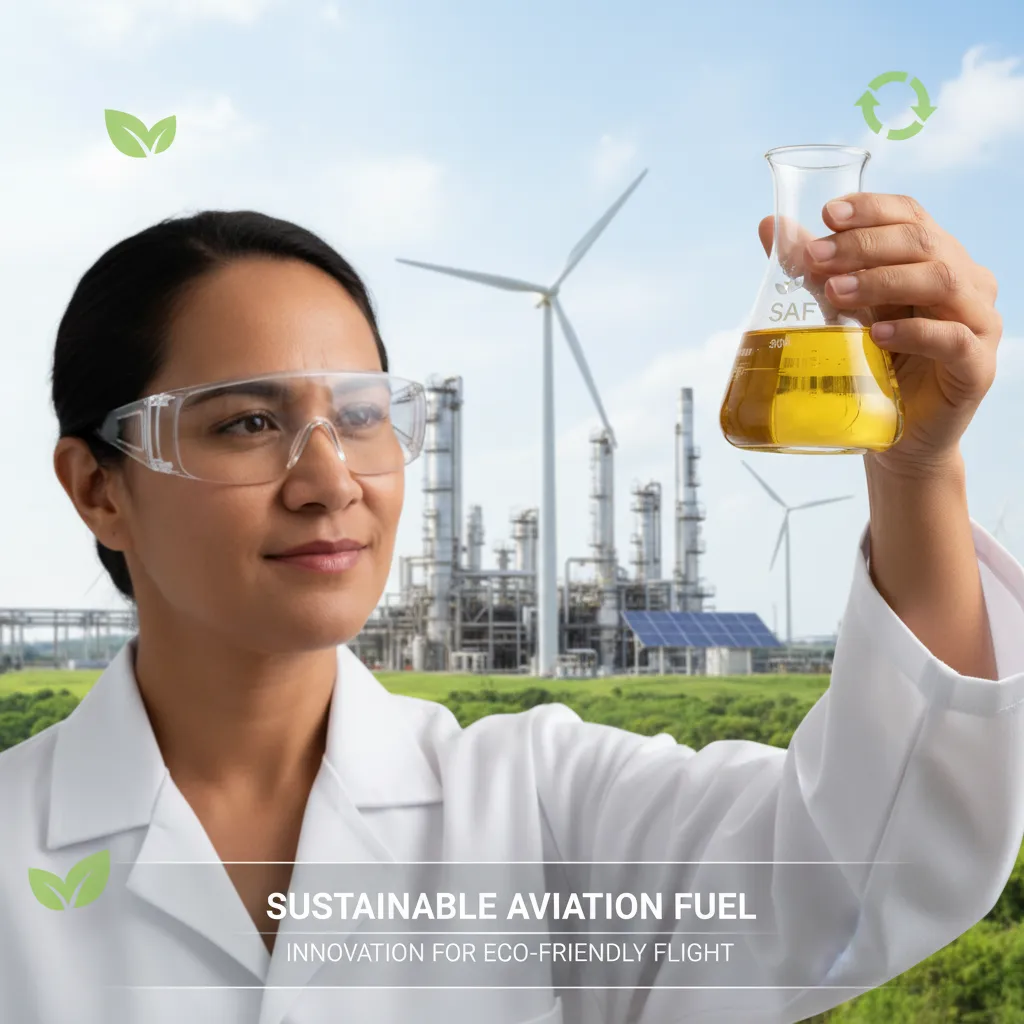
Stat Callout: SAFs can reduce lifecycle carbon emissions by up to 80% compared to conventional jet fuel, making them a crucial tool for immediate decarbonisation efforts and a core component of sustainable aviation solutions for New Zealand’s future.
Electrification and Hybrid Technologies: Powering Shorter Routes
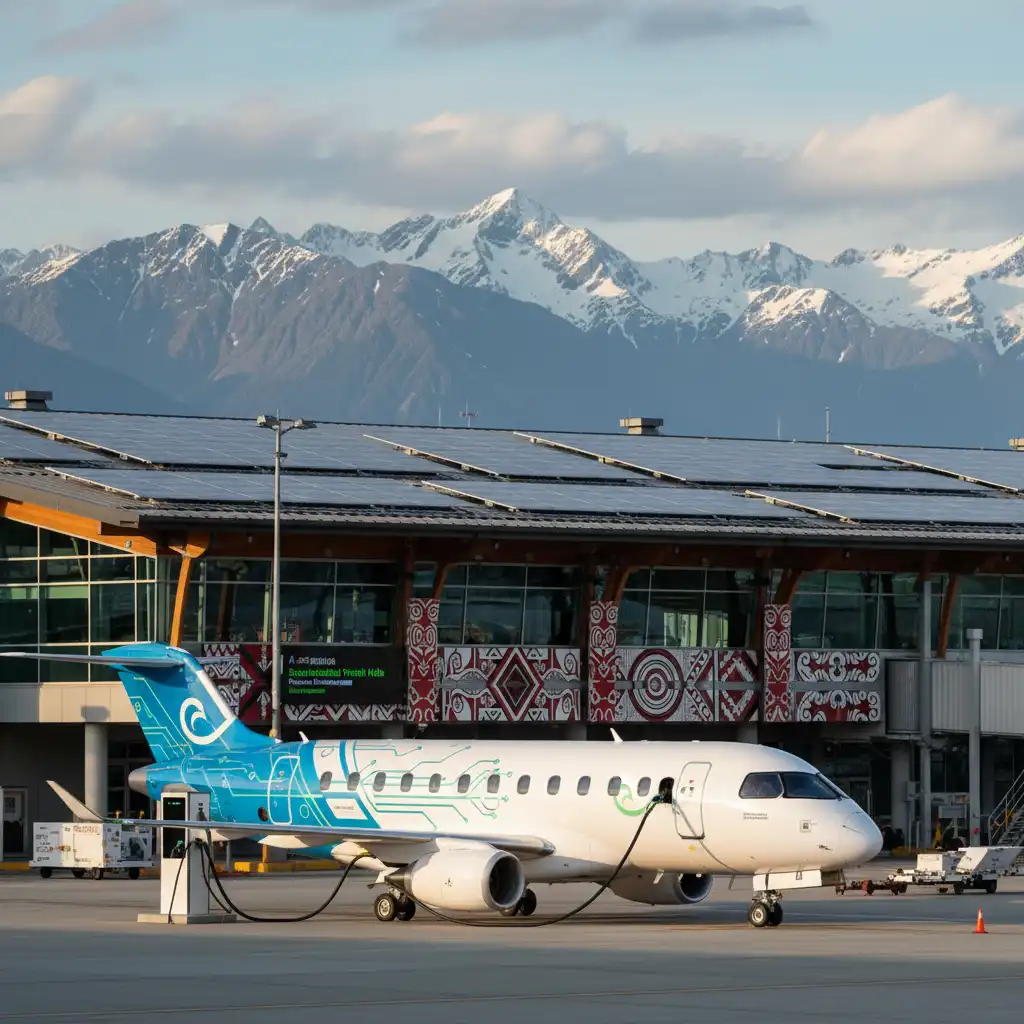
While SAFs address the existing fleet, future aircraft designs hold the promise of zero-emission flight, particularly for shorter domestic and regional routes. Electric and hybrid-electric propulsion systems are rapidly evolving, offering quieter, cleaner, and potentially more cost-effective travel options.
New Zealand’s short inter-city routes and numerous regional airports make it an ideal testbed for these emerging technologies. Several initiatives are already exploring the feasibility of electric aircraft for regional connectivity, aiming to establish New Zealand as a pioneer in green domestic air travel.
Operational Efficiency & Air Traffic Management: Smarter Skies
Beyond fuel and engine technology, optimising how aircraft fly can lead to significant emission reductions. Modern air traffic management systems allow for more direct routes, continuous climb and descent operations, and reduced taxi times, all of which save fuel and decrease emissions.
New Zealand’s air navigation service provider, Airways International, is continually investing in advanced systems and procedures to enhance efficiency. This includes better flight planning, optimising holding patterns, and leveraging data analytics to minimise fuel burn, contributing to overall sustainable aviation solutions.
Policy, Innovation & Infrastructure: Building the Ecosystem
A successful transition to sustainable aviation requires a robust policy framework, continuous innovation, and adaptable infrastructure. This involves government incentives for SAF production, investment in research and development for new propulsion systems, and upgrades to airport infrastructure to support charging and SAF distribution.
New Zealand’s government is actively engaging with industry stakeholders to develop a comprehensive roadmap for decarbonising aviation. This includes exploring regulatory support, funding mechanisms, and fostering international collaboration to accelerate the adoption of green technologies and practices.

New Zealand’s Unique Position and Commitment
New Zealand’s geographic isolation means air travel is not just a luxury but a necessity for connecting with the world and within its own borders. This makes the pursuit of sustainable aviation solutions for New Zealand’s future even more critical.
The nation’s strong environmental ethos and its commitment to indigenous values, particularly ‘kaitiakitanga’ (guardianship), provide a powerful cultural mandate for sustainability. This commitment is reflected in the proactive engagement of its airlines, government, and research institutions in finding practical and innovative ways to decarbonise air travel.
Stat Callout: New Zealand’s unique geographic isolation necessitates robust air links, while its commitment to environmental stewardship drives innovation towards sustainable aviation solutions that align with its 2050 net-zero targets.
The Path Forward: Collective Action for Sustainable Aviation
The journey towards truly sustainable aviation is complex and requires concerted effort from all sectors: government, airlines, fuel producers, technology innovators, and even passengers. New Zealand is well-positioned to be a leader in this transition, leveraging its spirit of innovation and its deep commitment to a cleaner, greener future.
By embracing Sustainable Aviation Fuels, investing in new electric and hybrid aircraft, optimising operational efficiencies, and fostering a supportive policy and innovation ecosystem, New Zealand can achieve its vision of an air transport system that is both economically vital and environmentally responsible. The skies above Aotearoa are set to become a beacon of global sustainable aviation.
Frequently Asked Questions (FAQ)
What are Sustainable Aviation Fuels (SAFs)?
Sustainable Aviation Fuels (SAFs) are alternative jet fuels made from sustainable feedstocks such as used cooking oil, agricultural waste, non-food crops, and even captured CO2. They are chemically similar to conventional jet fuel but can reduce lifecycle greenhouse gas emissions by up to 80%.
How will electric aircraft impact New Zealand’s domestic travel?
Electric and hybrid-electric aircraft are poised to revolutionise New Zealand’s domestic and regional travel. They offer zero-emission flights for shorter distances, reducing operational costs and noise pollution, making smaller towns more accessible and air travel more environmentally friendly for inter-island journeys.
What role does government policy play in New Zealand’s sustainable aviation future?
Government policy is crucial. It sets targets for emission reductions, provides incentives for SAF production and adoption, invests in research and infrastructure for new technologies, and fosters international collaboration. Strong policy frameworks create the necessary conditions for the industry to innovate and transition towards sustainable practices.
Can consumers contribute to sustainable aviation in New Zealand?
Yes, consumers have a role to play. Choosing airlines committed to sustainability, opting for direct flights when possible, considering carbon offset programs (with due diligence), and supporting businesses that advocate for greener aviation practices can collectively drive demand and encourage industry change.
Is hydrogen power a viable option for New Zealand’s aviation?
Hydrogen, both as a direct fuel and for producing synthetic SAFs, holds immense potential for zero-emission aviation. While still in early development for commercial aviation, New Zealand’s abundant renewable electricity sources make it an attractive prospect for green hydrogen production, potentially fueling future long-haul and regional aircraft as a key element of its sustainable aviation solutions.
References & Sources
- International Air Transport Association (IATA). (n.d.). Sustainable Aviation Fuels. Retrieved from IATA.org
- New Zealand Ministry of Transport. (n.d.). Decarbonising Transport. Retrieved from transport.govt.nz
- Air New Zealand. (n.d.). Sustainability. Retrieved from airnewzealand.co.nz
- Sustainable Skies Strategy (Plausible government initiative). (n.d.). Vision for Green Aviation. Retrieved from sustainableskies.govt.nz
- European Union Aviation Safety Agency (EASA). (2022). The European Plan for Aviation Safety. Retrieved from easa.europa.eu
- International Civil Aviation Organization (ICAO). (n.d.). Environmental Protection. Retrieved from icao.int