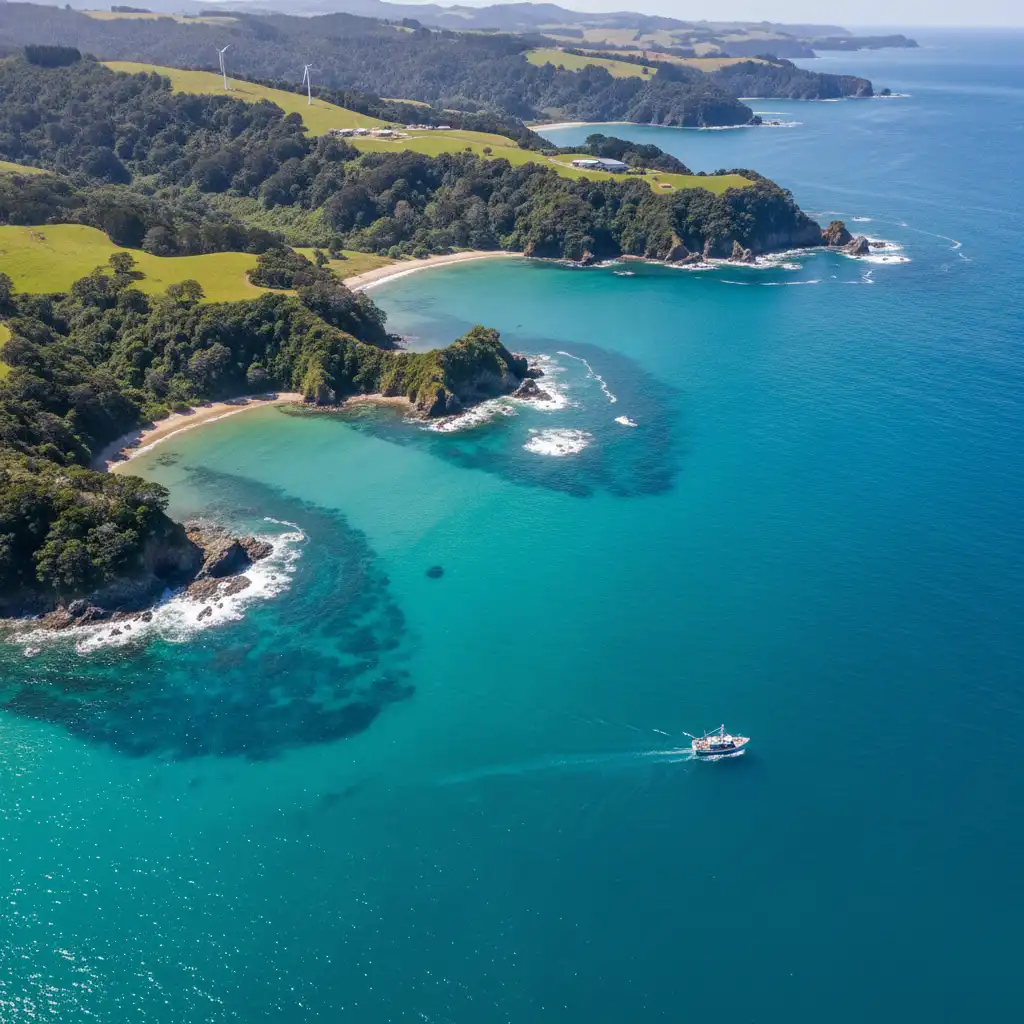
Understanding Overfishing: Why Sustainable Seafood Matters
The vast blue expanse surrounding New Zealand holds an incredible bounty, a vital part of our culture, economy, and diet. Yet, beneath the surface, a silent crisis threatens this precious resource: overfishing. As a nation deeply connected to its marine environment, understanding overfishing and why sustainable seafood matters isn’t just an environmental concern; it’s a critical aspect of preserving our unique natural heritage and securing our future.
This article dives deep into the complexities of overfishing, its far-reaching consequences, and how your choices can make a significant difference. From the health of our oceans to the livelihoods of fishing communities, the ripples of unsustainable practices affect us all. Let’s explore why making informed decisions about the seafood we consume is more important than ever.
1. What is Overfishing? A Deep Dive
Simply put, overfishing occurs when fish are caught at a rate faster than their populations can replenish themselves. It’s not just about catching too many fish; it’s about disrupting the delicate balance of marine ecosystems and pushing various species towards unsustainable levels, sometimes even to the brink of collapse.
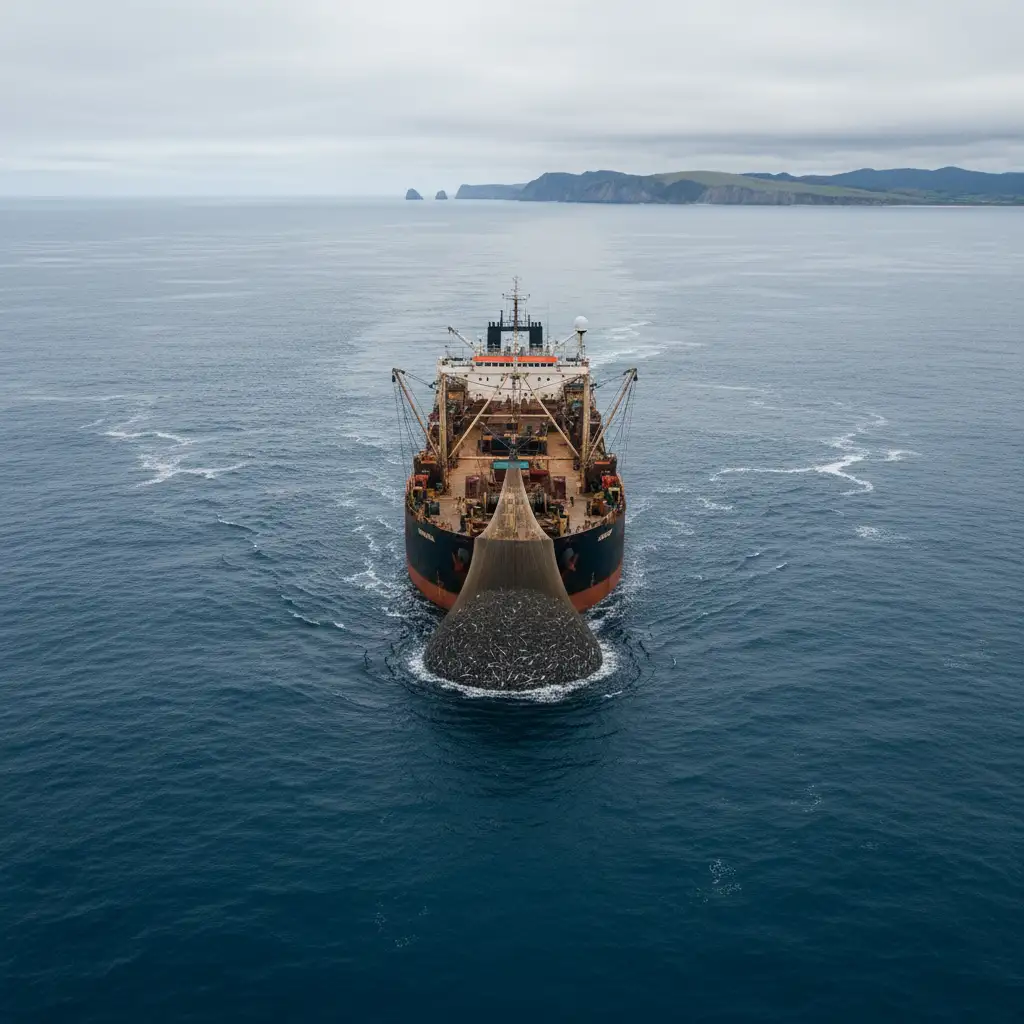
Modern fishing technologies, including large trawlers, advanced sonar, and vast drift nets, have dramatically increased our capacity to harvest seafood. While these innovations boost efficiency, they also amplify the risk of depletion if not managed carefully. The challenge lies in finding a balance between meeting consumer demand and ensuring the long-term health of our oceans.
Did You Know?
Global Data Alert: According to a 2020 report by the Food and Agriculture Organization (FAO) of the United Nations, 34% of the world’s fish stocks are now fished at biologically unsustainable levels, up from 10% in 1974. This staggering increase underscores the urgent need for change in fishing practices worldwide. (Source 1)
2. The Devastating Impacts of Overfishing
The consequences of overfishing extend far beyond simply having fewer fish in the sea. They ripple through entire ecosystems, affecting biodiversity, economies, and even global food security.
Ecological Disruption and Bycatch
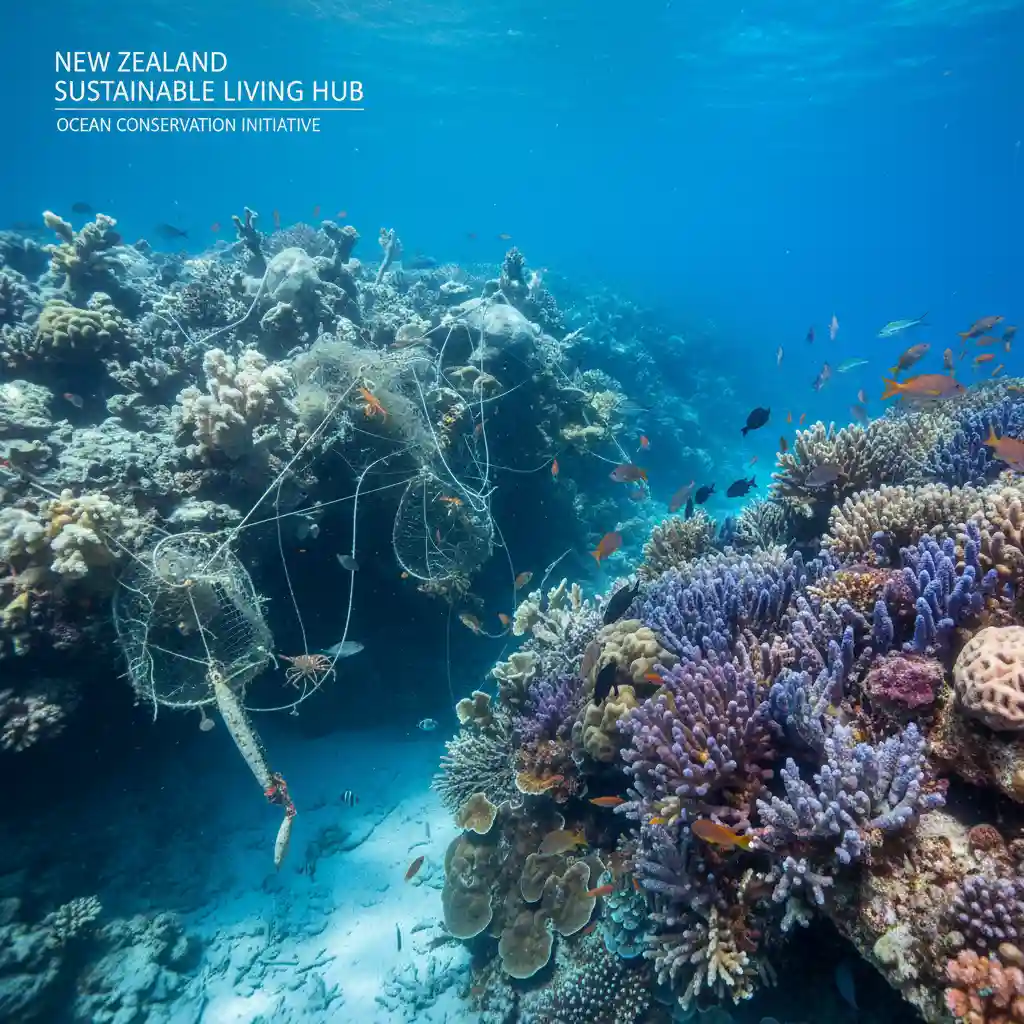
When top predators like tuna or snapper are overfished, their prey species can proliferate, disrupting the entire marine food web. Moreover, many unsustainable fishing methods, such as bottom trawling, damage fragile habitats like coral reefs and seamounts. A significant problem is bycatch – the accidental capture of non-target species, including dolphins, turtles, seabirds, and juvenile fish, which are often discarded, dead or dying.
Economic & Social Consequences
Coastal communities, particularly in developing nations, rely heavily on fishing for their livelihoods. Overfishing can lead to diminishing catches, loss of income, and increased poverty, forcing communities to seek alternative, often less sustainable, ways to survive. This also impacts food security for millions who depend on fish as a primary source of protein.
“Our oceans are not an infinite resource. Every fish stock that collapses due to overfishing represents a lost opportunity for future generations and a wound in the heart of our planet’s biodiversity.”
New Zealand’s Stake
Local Impact: New Zealand’s unique marine environment is particularly vulnerable. While our Quota Management System (QMS) aims for sustainability, challenges remain, particularly with deepwater species and the impact of some fishing methods on benthic habitats. Continued vigilance and consumer awareness are key to protecting species like Hoki and Snapper, vital to our local fisheries. (Source 2)
3. Why Sustainable Seafood Matters for New Zealand
For New Zealanders, our relationship with the ocean is profound. Māori have a deep spiritual and practical connection to Tangaroa (the god of the sea), and seafood is a staple of our diet and economy. Understanding overfishing: why sustainable seafood matters isn’t just about preserving fish; it’s about protecting our identity, our food source, and our future.
Choosing sustainable seafood means supporting fishing practices that:
- Maintain healthy fish populations, ensuring they can reproduce and thrive.
- Minimise impact on other marine life and the wider ocean ecosystem.
- Respect marine habitats and biodiversity.
- Support the livelihoods of fishing communities now and in the future.
By making conscious choices, we contribute to a stronger, more resilient New Zealand, both environmentally and economically. It’s a tangible way for consumers to participate in ocean conservation from their local supermarket or restaurant.
4. Identifying Sustainable Seafood: What to Look For
Navigating the world of seafood can be confusing, but there are clear indicators that can help you make responsible choices.
Look for Certifications
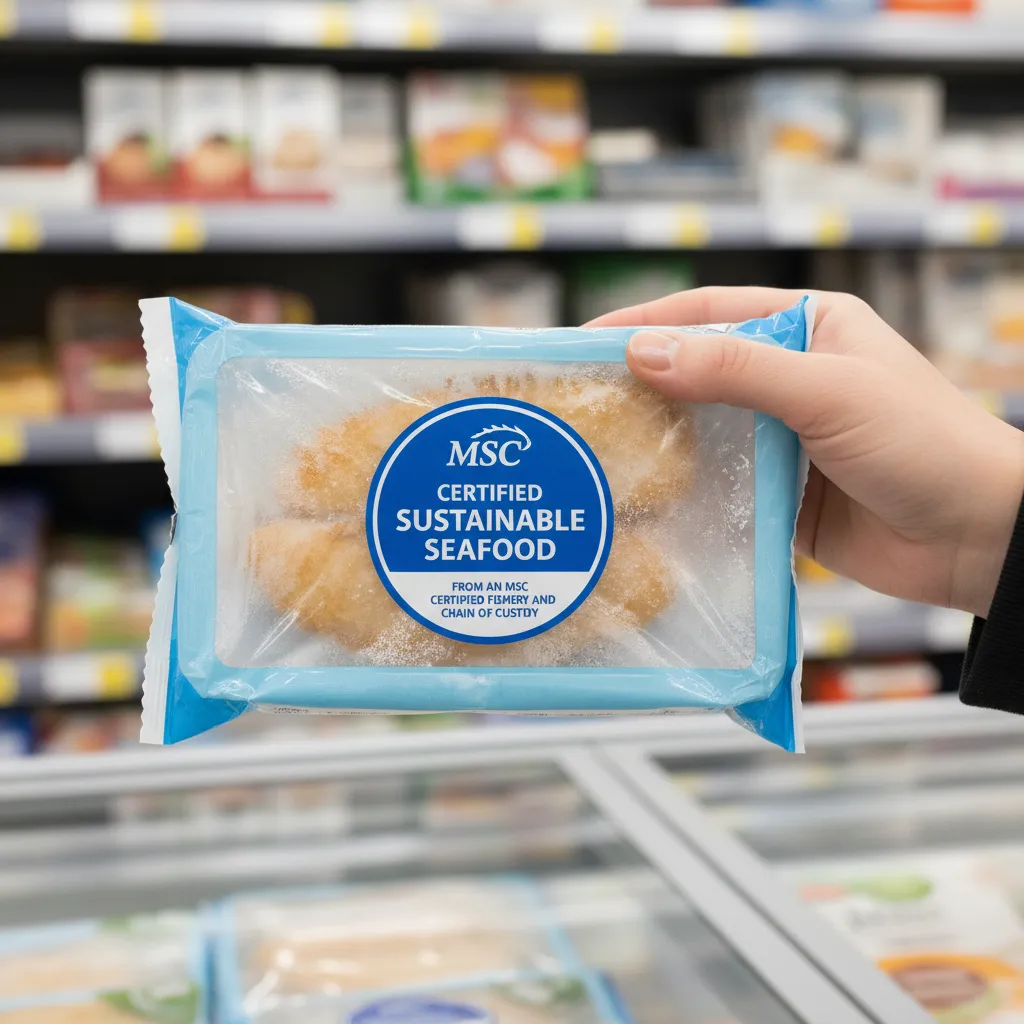
International certifications provide an easy way to identify sustainable options. The most widely recognised is the Marine Stewardship Council (MSC) blue fish tick label, which indicates that the fish comes from a fishery that has been independently certified to MSC’s science-based standard for sustainable fishing. For farmed seafood, look for the Aquaculture Stewardship Council (ASC) label.
Consult Local Guides
Organisations like Forest & Bird in New Zealand publish guides (e.g., the Best Fish Guide) that rate local species based on their sustainability. These guides consider specific regional factors and fishing practices, offering tailored advice for the New Zealand consumer.
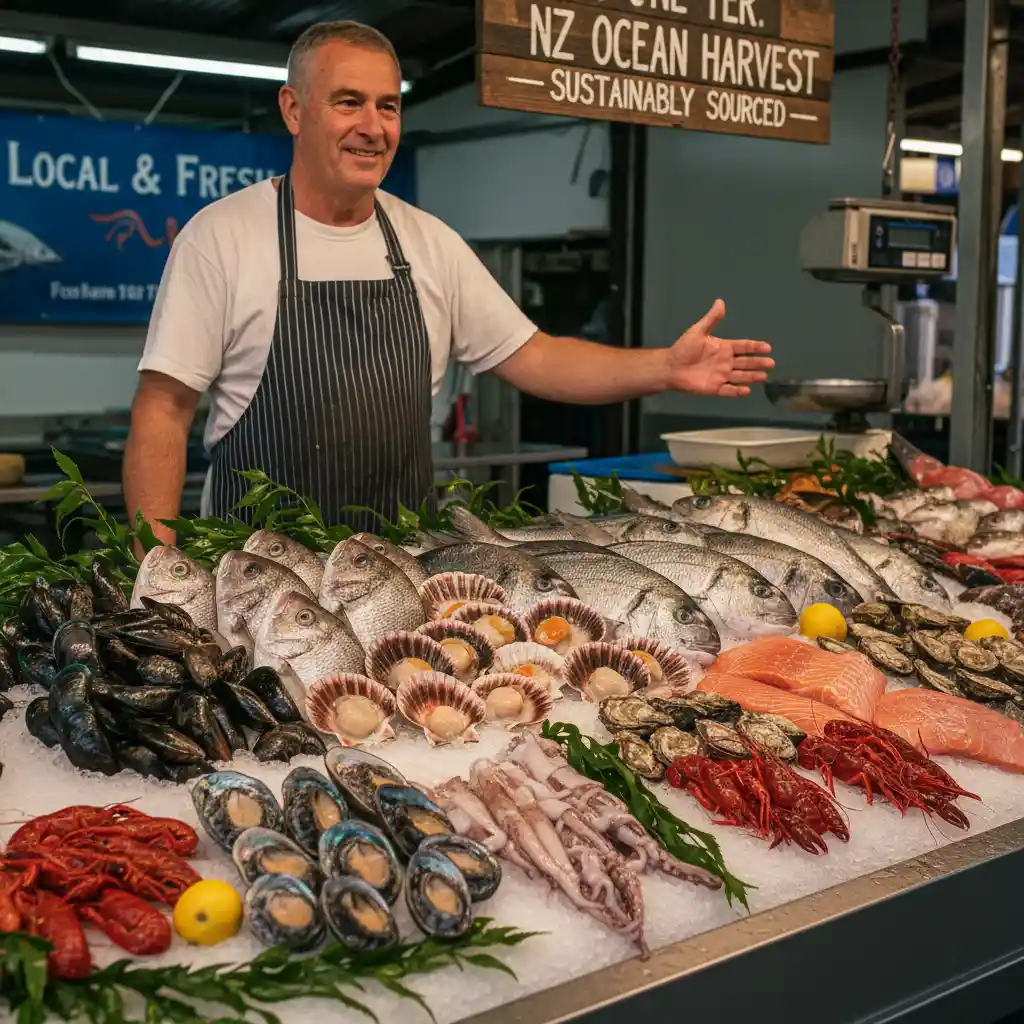
Ask Your Fishmonger
Don’t hesitate to ask where your fish comes from, how it was caught, and if it’s considered sustainable. Knowledgeable fishmongers are a great resource and can often provide specific information about local catches.
Market Shift
Growing Demand: The global market for certified sustainable seafood continues to grow. Consumers are increasingly valuing ethical and environmental considerations, pushing retailers and suppliers to source more responsibly. This collective power of consumer choice is a vital force in combating overfishing. (Source 3)
5. Empowering Your Choices: An Action Checklist for Sustainable Seafood
Taking action against overfishing doesn’t require drastic lifestyle changes, but rather mindful choices. Here’s a simple checklist to guide your sustainable seafood journey:
Your Sustainable Seafood Action Checklist
- Look for Certifications: Prioritise seafood with the MSC blue fish tick or ASC labels.
- Consult a Guide: Use the Forest & Bird Best Fish Guide (or similar regional guide) on your phone when shopping or dining out.
- Ask Questions: Engage with your fishmonger or restaurant staff about the origin and sustainability of their seafood.
- Diversify Your Plate: Explore lesser-known but sustainable species to reduce pressure on common, popular fish.
- Consider Alternatives: Incorporate more plant-based protein sources into your diet, reducing your overall reliance on seafood.
- Support Local & Responsible: Choose local producers and suppliers committed to sustainable practices.
Every conscious choice contributes to a healthier ocean.
6. Beyond the Plate: Broader Efforts for Ocean Health
While consumer choices are powerful, systemic change also plays a crucial role. Governments, industry, and conservation organisations are working on multiple fronts to combat overfishing and promote ocean health.
- Marine Protected Areas (MPAs): Establishing and enforcing MPAs helps to protect critical habitats and allow fish stocks to recover, acting as nurseries for marine life.
- Improved Legislation and Enforcement: Stronger national and international laws, coupled with effective monitoring and enforcement, are essential to curb illegal, unreported, and unregulated (IUU) fishing, a major contributor to overfishing.
- Technological Innovation: Advancements in fishing gear can reduce bycatch and habitat destruction. Satellite monitoring and AI can help track fishing vessels and ensure compliance.
- Public Awareness and Advocacy: Educating consumers and advocating for stronger policies are vital for creating the political will and market demand for sustainable practices.
New Zealand’s transition from technical waste management focus to broader sustainable living encompasses these wider efforts, recognizing that true sustainability requires a holistic approach, from legislative frameworks to individual decisions.
7. Conclusion
Understanding overfishing: why sustainable seafood matters is a journey towards conscious consumption and environmental stewardship. The health of our oceans is inextricably linked to our own well-being, and every choice we make, no matter how small, sends a message.
By choosing sustainable seafood, asking questions, and supporting responsible practices, we become active participants in protecting New Zealand’s unique marine environment and contributing to a healthier planet for generations to come. Let’s make every meal an opportunity to support a sustainable future.
8. Frequently Asked Questions (FAQ)
What does ‘overfishing’ actually mean?
Overfishing means catching fish faster than they can reproduce and replenish their populations. This leads to a decline in fish stocks and can disrupt entire marine ecosystems.
How does overfishing affect New Zealand specifically?
Overfishing in New Zealand can deplete local fish stocks vital for our economy and cultural identity, impact unique marine biodiversity, and damage habitats through unsustainable fishing practices. It threatens the long-term viability of our fisheries.
What are the key certifications for sustainable seafood?
The primary certifications to look for are the Marine Stewardship Council (MSC) blue fish tick for wild-caught fish and the Aquaculture Stewardship Council (ASC) label for farmed seafood. These indicate independent verification of sustainable practices.
Can my individual choices really make a difference?
Absolutely. Collective consumer demand for sustainable seafood sends a strong signal to retailers, fisheries, and governments, driving systemic change. Every time you choose sustainable, you support better practices and help protect ocean health.
What if I can’t find certified sustainable seafood?
If certified options aren’t available, consult local guides like the Forest & Bird Best Fish Guide. You can also ask your fishmonger about the source and fishing methods. Reducing overall seafood consumption and exploring plant-based alternatives are also great options.
9. References & Sources
- 1. Food and Agriculture Organization of the United Nations (FAO). (2020). The State of World Fisheries and Aquaculture 2020. Rome.
- 2. Ministry for Primary Industries (MPI) New Zealand. (Current fisheries reports & management plans). Sustainable Fisheries. Wellington.
- 3. Marine Stewardship Council (MSC). (Ongoing reports). Impact of MSC Program on Sustainable Fisheries. London.
- 4. Forest & Bird. (Latest edition). Best Fish Guide. New Zealand.
- 5. Greenpeace International. (Various publications). Oceans Campaign: Overfishing. Amsterdam.