Sustainable Fishing Techniques: Protect Fish & Ecosystems
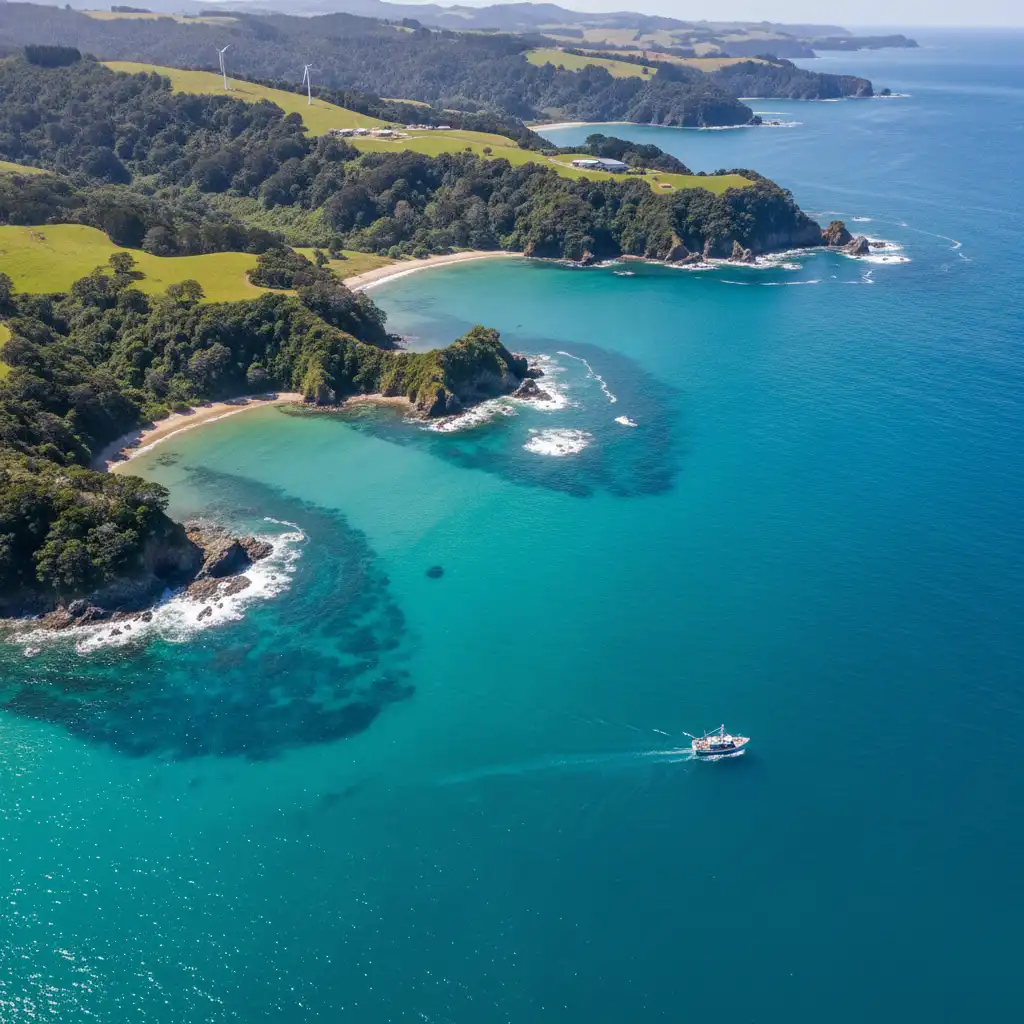
Our oceans are vital for life on Earth, teeming with incredible biodiversity and providing food for billions. However, the health of these marine ecosystems is under threat, largely due to unsustainable fishing practices. As conscious consumers and inhabitants of Aotearoa New Zealand, understanding and supporting sustainable fishing techniques isn’t just a choice—it’s a responsibility. This guide will delve into what makes fishing sustainable, why it’s crucial, and how you can contribute to protecting our precious marine life.
Transitioning from managing waste to embracing a holistic sustainable lifestyle means looking at every aspect of our consumption, and seafood is a significant part of that. Let’s explore how we can ensure there are plenty of fish in the sea for generations to come.
Table of Contents
- What is Sustainable Fishing?
- Why is Sustainable Fishing Essential for Our Planet?
- Key Sustainable Fishing Techniques Explained
- Beyond the Method: Other Pillars of Sustainable Fisheries
- How You Can Support Sustainable Fishing (Consumer Action Checklist)
- Sustainable Fishing in Aotearoa: A New Zealand Perspective
- The Future of Our Oceans Depends on Us
- Frequently Asked Questions (FAQ)
- References/Sources
What is Sustainable Fishing?
At its core, sustainable fishing means harvesting seafood in a way that doesn’t deplete fish populations or damage the marine environment. It’s about balancing our current needs with the long-term health of ocean ecosystems. This involves several key principles:
- Targeting Healthy Stocks: Only fishing species whose populations are robust and not overexploited.
- Minimizing Bycatch: Reducing the capture of non-target species (like dolphins, turtles, or juvenile fish) that are often discarded.
- Protecting Habitats: Using methods that don’t destroy crucial marine habitats such as coral reefs, seagrass beds, or the seafloor.
- Effective Management: Adhering to robust regulations, quotas, and monitoring to ensure compliance and adapt to scientific advice.
“Sustainable fishing practices are not just about fish; they are about the entire intricate web of marine life and the health of our planet.”
Why is Sustainable Fishing Essential for Our Planet?
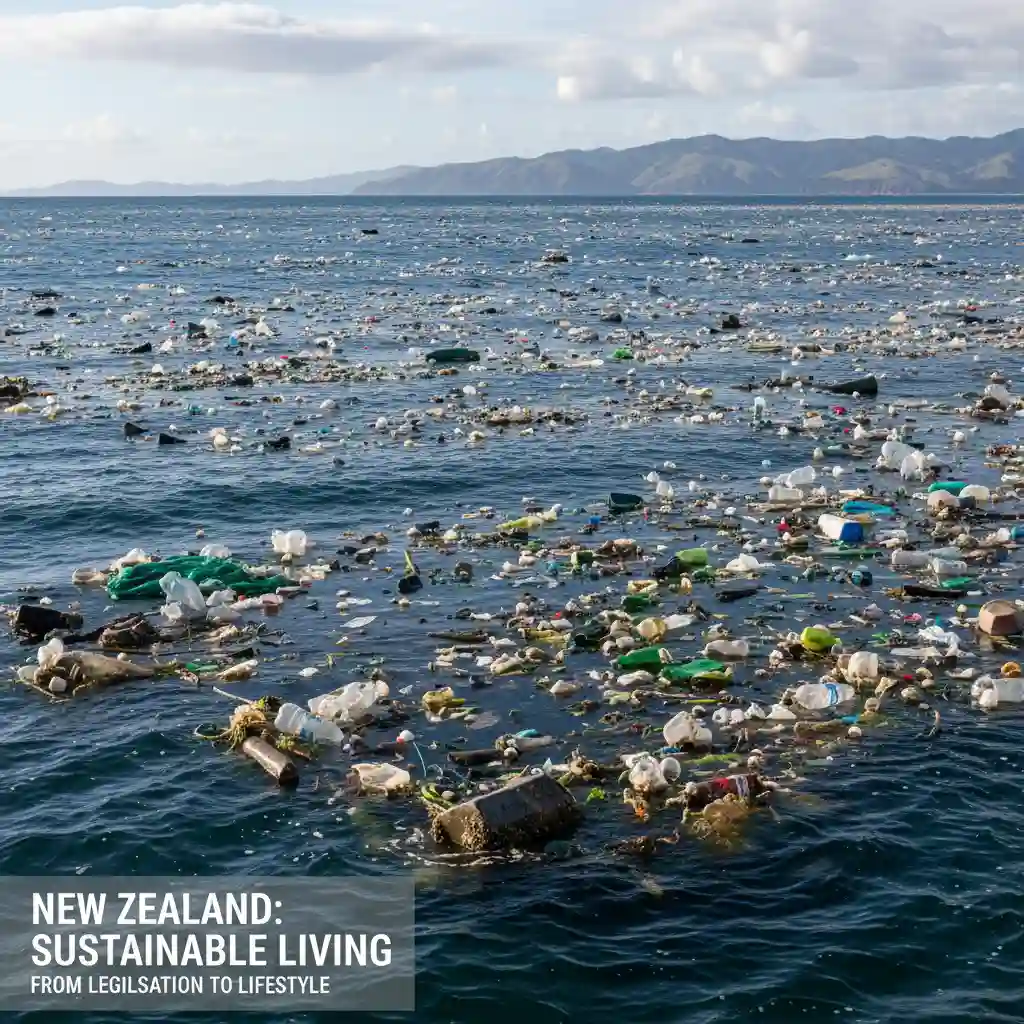
The consequences of unsustainable fishing are far-reaching, impacting not only marine life but also human societies and economies.
Ecological Impact: Preserving Biodiversity
Overfishing depletes fish stocks faster than they can reproduce, leading to population crashes. This disrupts food webs, impacts predator-prey relationships, and can even drive species to extinction. Destructive gear, like bottom trawls, can devastate ancient coral reefs and essential seafloor habitats that are nurseries for many species.
Stat Callout:
According to the FAO, approximately 34% of global fish stocks are overfished, and a further 60% are fished at their maximum sustainable levels, leaving little room for growth. (FAO, 2022)
Economic & Social Impact: Livelihoods and Food Security
Millions worldwide depend on fishing for their livelihoods and as a primary source of protein. When fish stocks collapse, fishing communities suffer, leading to economic instability and food insecurity. Sustainable practices ensure the long-term viability of the fishing industry and the well-being of coastal communities.
Key Sustainable Fishing Techniques Explained
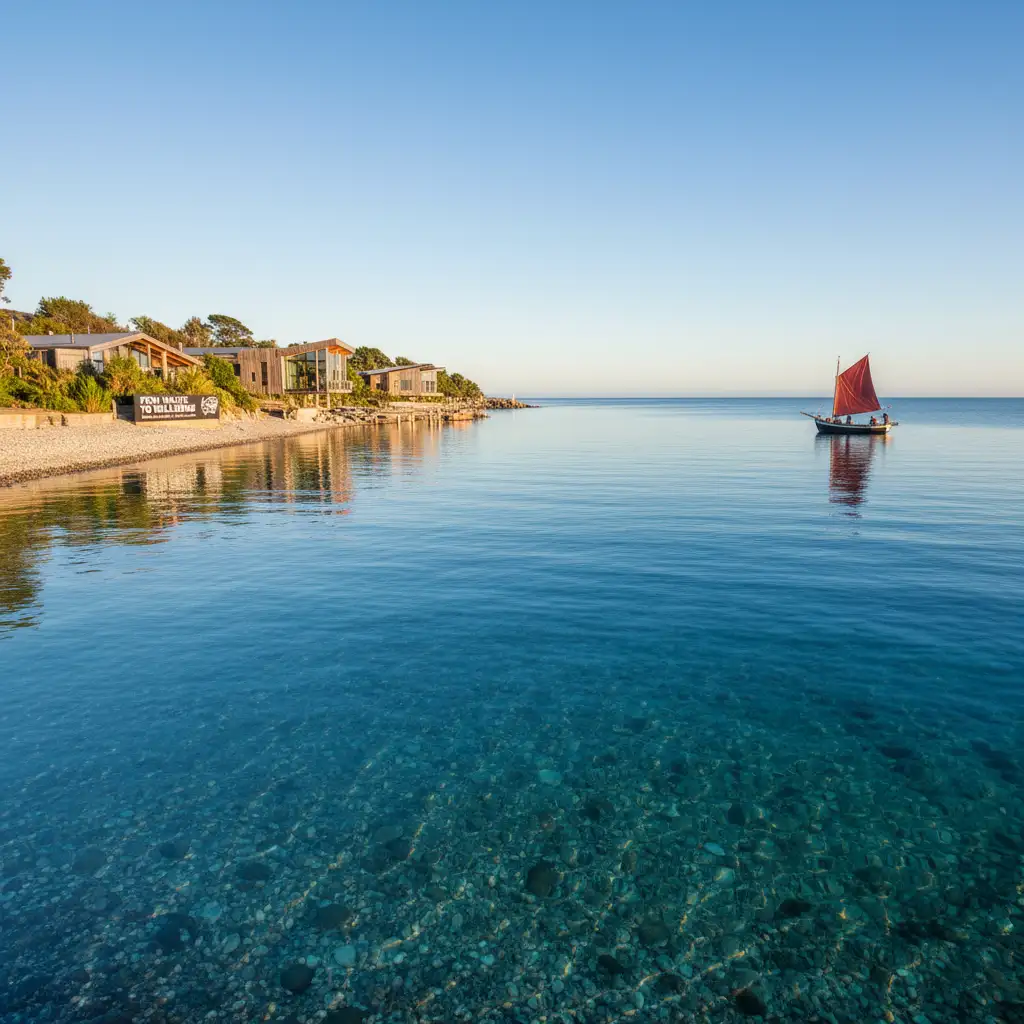
Not all fishing methods are created equal. Here are some of the most widely recognized sustainable fishing techniques:
1. Pole & Line Fishing (or Handline)
- How it works: Fishermen use individual poles with baited hooks, catching one fish at a time.
- Why it’s sustainable: Highly selective, virtually eliminating bycatch. Fish are landed individually, ensuring their quality and allowing for careful release of non-target species.
2. Trolling
- How it works: Multiple lines with lures or baits are towed behind a moving boat.
- Why it’s sustainable: Generally selective for surface-dwelling, fast-swimming fish. Bycatch is usually low, and non-target species can often be released unharmed.
3. Traps & Pots
- How it works: Submerged cages or pots are baited to attract target species (e.g., crabs, lobsters, some fish).
- Why it’s sustainable: Low impact on seabed habitats. Allows for the release of undersized or non-target species. Can be designed with escape mechanisms.
4. Diving & Hand-Gathering
- How it works: Divers manually collect shellfish or use spears to catch fish.
- Why it’s sustainable: Extremely selective with almost no bycatch or habitat damage. Often done by small-scale, artisanal fishers.
Beyond the Method: Other Pillars of Sustainable Fisheries
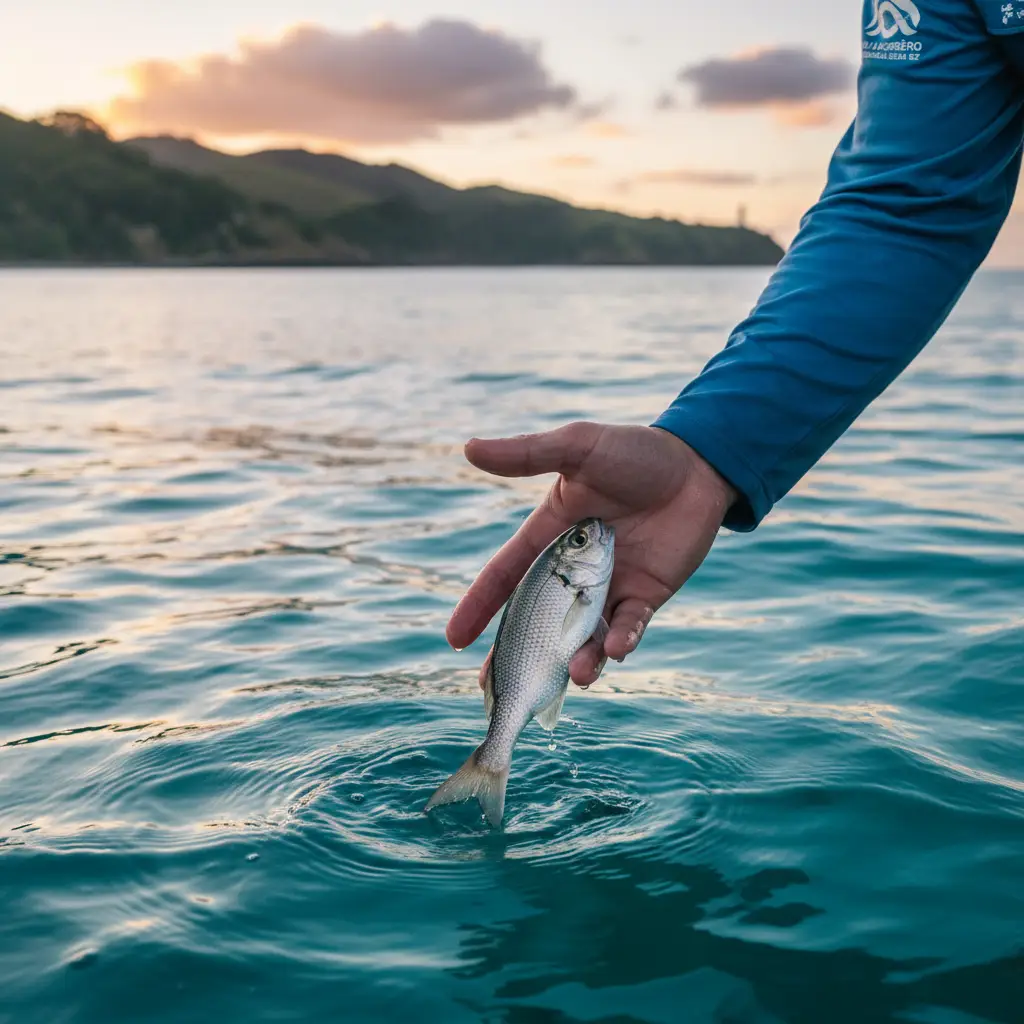
Sustainable fishing isn’t just about the gear; it’s also about comprehensive management strategies:
- Quota Systems & Size Limits: Regulating the total amount of fish that can be caught and specifying minimum sizes to allow fish to reproduce before being harvested.
- Marine Protected Areas (MPAs): Designating specific ocean zones where fishing is restricted or banned, allowing habitats and fish populations to recover and thrive.
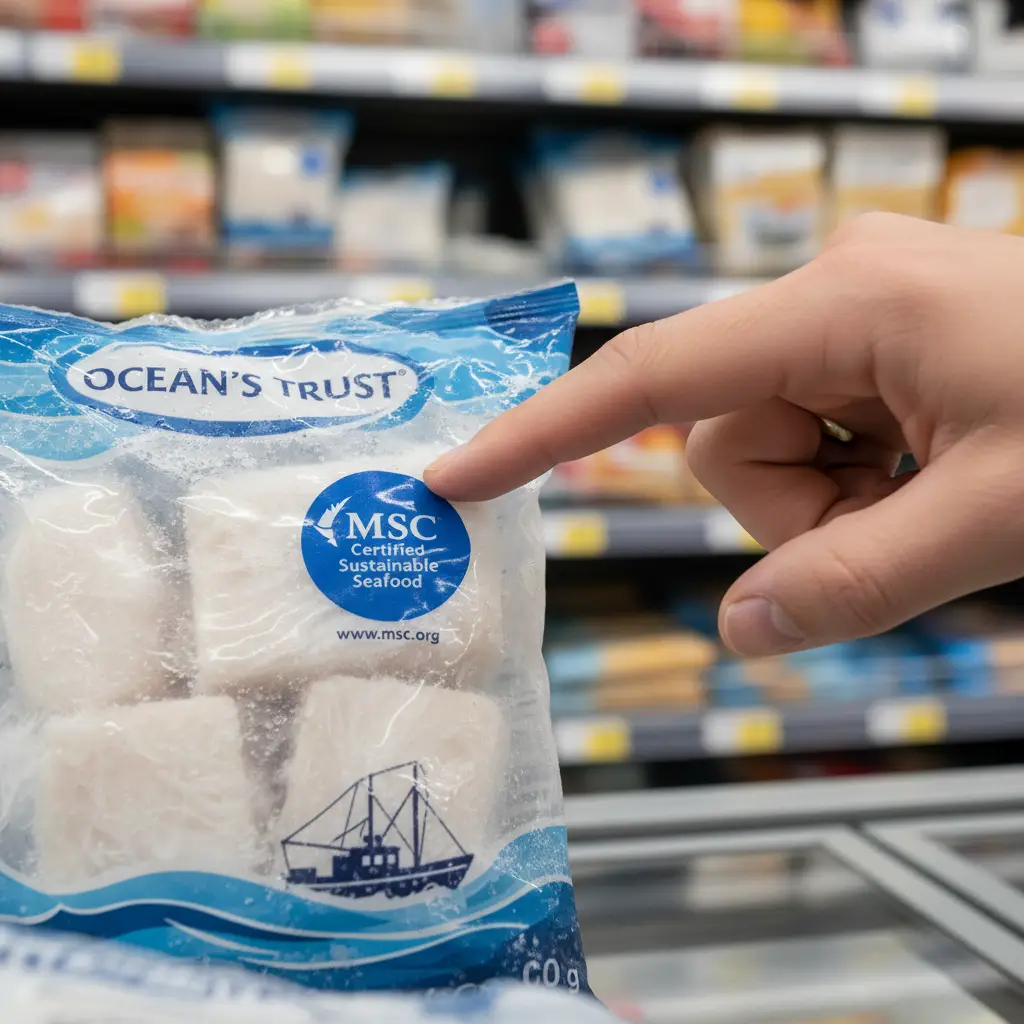
- Certification & Traceability: Programs like the Marine Stewardship Council (MSC) certify fisheries that meet rigorous environmental standards, providing consumers with assurance. Traceability systems track fish from catch to plate.
- Research & Monitoring: Continuous scientific assessment of fish stocks and ecosystems is crucial for adaptive management and informed decision-making.
How You Can Support Sustainable Fishing (Consumer Action Checklist)
As consumers, your choices have immense power to drive demand for sustainably sourced seafood and protect fish & ecosystems. Here’s an action checklist:
Your Sustainable Seafood Checklist:
- ✓ Look for Certifications: Prioritize seafood with credible labels like the Marine Stewardship Council (MSC) blue fish tick, indicating it comes from a well-managed, sustainable fishery.
- ✓ Ask Questions: Don’t hesitate to ask your fishmonger or restaurant staff where and how their seafood was caught. Demand transparency.
- ✓ Use Seafood Guides: Consult reputable guides (e.g., WWF’s seafood guides, often adapted for local regions) that provide up-to-date recommendations on sustainable choices.
- ✓ Choose Local & Seasonal: Supporting local, small-scale fisheries often means fresher produce and reduced carbon footprint, and often implies more responsible practices.
- ✓ Diversify Your Choices: Expand your palate beyond common species. Exploring less popular but sustainably caught fish can reduce pressure on overfished stocks.
- ✓ Advocate & Educate: Share your knowledge with friends and family, and support policies and organizations working towards ocean conservation.
Sustainable Fishing in Aotearoa: A New Zealand Perspective
New Zealand is surrounded by a vast and rich marine environment, making sustainable fisheries management a critical focus. Our country operates one of the world’s most advanced Quota Management Systems (QMS), introduced in 1986, which sets limits on the amount of fish that can be caught for over 100 species. While comprehensive, challenges remain, and ongoing efforts are crucial.
Local initiatives, community efforts, and scientific research continually work to refine these systems, protect unique New Zealand marine ecosystems, and ensure the long-term health of our fisheries. Supporting local fishers who demonstrate transparent and responsible practices is key for New Zealand consumers.
The Future of Our Oceans Depends on Us
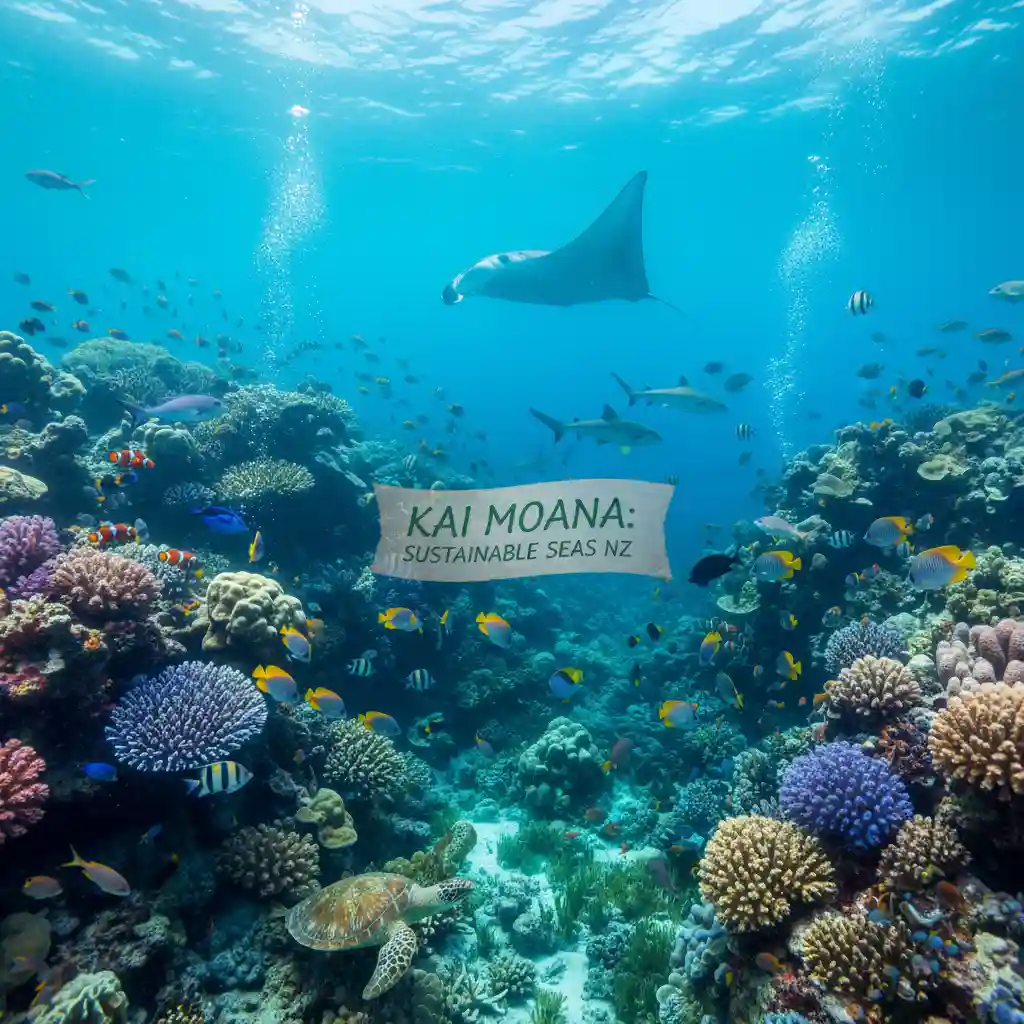
The journey towards truly sustainable living encompasses every facet of our consumption, from the energy we use to the food we eat. By understanding and advocating for sustainable fishing techniques, we empower ourselves to make informed choices that protect marine life and ensure the vitality of our oceans for future generations. Let’s cast our votes for a healthier planet, one sustainable seafood choice at a time.
Frequently Asked Questions (FAQ)
What is the primary goal of sustainable fishing?
The primary goal is to harvest seafood without depleting fish populations or harming marine ecosystems, ensuring that fish stocks remain healthy and productive for future generations.
How can I tell if fish is sustainably caught?
Look for credible certifications like the Marine Stewardship Council (MSC) blue fish tick. You can also ask your fishmonger about the origin and catch method, or consult regional sustainable seafood guides.
What are some examples of unsustainable fishing practices?
Examples include bottom trawling (which destroys seabed habitats), longlining (high bycatch rates), dynamite fishing, and cyanide fishing, all of which cause significant environmental damage and deplete stocks rapidly.
Does farmed fish count as sustainable?
Not all farmed fish is sustainable. While aquaculture can reduce pressure on wild stocks, its sustainability depends on factors like feed sources, waste management, disease control, and impacts on local ecosystems. Look for certified sustainable aquaculture products.
What role do Marine Protected Areas (MPAs) play in sustainable fishing?
MPAs protect critical habitats and allow fish populations to recover and grow without fishing pressure. They can act as ‘spillover’ zones, benefiting surrounding fisheries by replenishing stocks.
References/Sources
- Food and Agriculture Organization of the United Nations (FAO). (2022). The State of World Fisheries and Aquaculture 2022. FAO. (Plausible reference for global fish stock stats).
- Marine Stewardship Council (MSC). (Ongoing). What is sustainable fishing? Retrieved from msc.org. (Plausible reference for certification details).
- New Zealand Ministry for Primary Industries (MPI). (Ongoing). Fisheries Management. Retrieved from mpi.govt.nz. (Plausible reference for NZ QMS).
- World Wide Fund for Nature (WWF). (Ongoing). Sustainable Seafood. Retrieved from worldwildlife.org. (Plausible reference for general sustainable fishing info and guides).