Environmental Scientists: Key to Biodiversity Conservation
Our planet is a tapestry woven with countless life forms, from the smallest microbes to the largest whales. This intricate web, known as biodiversity, is not just beautiful; it’s essential for our survival. Yet, this precious resource is under unprecedented threat. Who stands at the forefront of understanding, protecting, and restoring this delicate balance? Environmental scientists.
In New Zealand, a nation renowned for its unique and ancient ecosystems, the role of environmental scientists in safeguarding our natural heritage is particularly vital. They are the unsung heroes whose dedication and expertise drive the critical efforts in biodiversity conservation, transitioning from academic research to practical, impactful solutions that underpin a sustainable lifestyle for all.
Table of Contents
- Introduction: The Unsung Heroes of Our Planet’s Health
- What is Biodiversity and Why Does it Matter?
- The Indispensable Roles of Environmental Scientists in Conservation
- Tackling Conservation Challenges with Science
- New Zealand’s Biodiversity: Local Impact and Global Significance
- How You Can Support Biodiversity Conservation
- Frequently Asked Questions
- References/Sources
Introduction: The Unsung Heroes of Our Planet’s Health
From mapping endangered species habitats to developing sustainable land use practices, environmental scientists are the backbone of modern conservation efforts. They employ a multidisciplinary approach, blending biology, chemistry, geology, and even social sciences to understand complex ecological systems and the threats they face.
Their work provides the crucial data and insights needed to inform policy, guide restoration projects, and engage communities in protecting our planet’s invaluable natural assets. Without their rigorous scientific contributions, the fight for biodiversity conservation would be largely guesswork.
What is Biodiversity and Why Does it Matter?
Biodiversity refers to the variety of life on Earth at all its levels, from genes to ecosystems. It encompasses the diversity of species, genetic variation within species, and the variety of ecosystems like forests, oceans, and wetlands. Each component plays a unique and irreplaceable role in maintaining ecological balance.
Why is it so important? Healthy biodiversity provides us with essential ecosystem services: clean air and water, fertile soil for agriculture, pollination of crops, natural pest control, climate regulation, and even medicines. When biodiversity declines, these services are compromised, impacting human well-being, economic stability, and the overall health of the planet.
“Biodiversity is the foundation of all life on Earth and a key indicator of our planet’s health. Protecting it is not just an ecological imperative, but a human one.”
The Indispensable Roles of Environmental Scientists in Conservation
Environmental scientists wear many hats in the realm of conservation. Their work is dynamic, spanning from remote fieldwork to sophisticated lab analysis and community engagement.
Research, Monitoring, and Data Collection
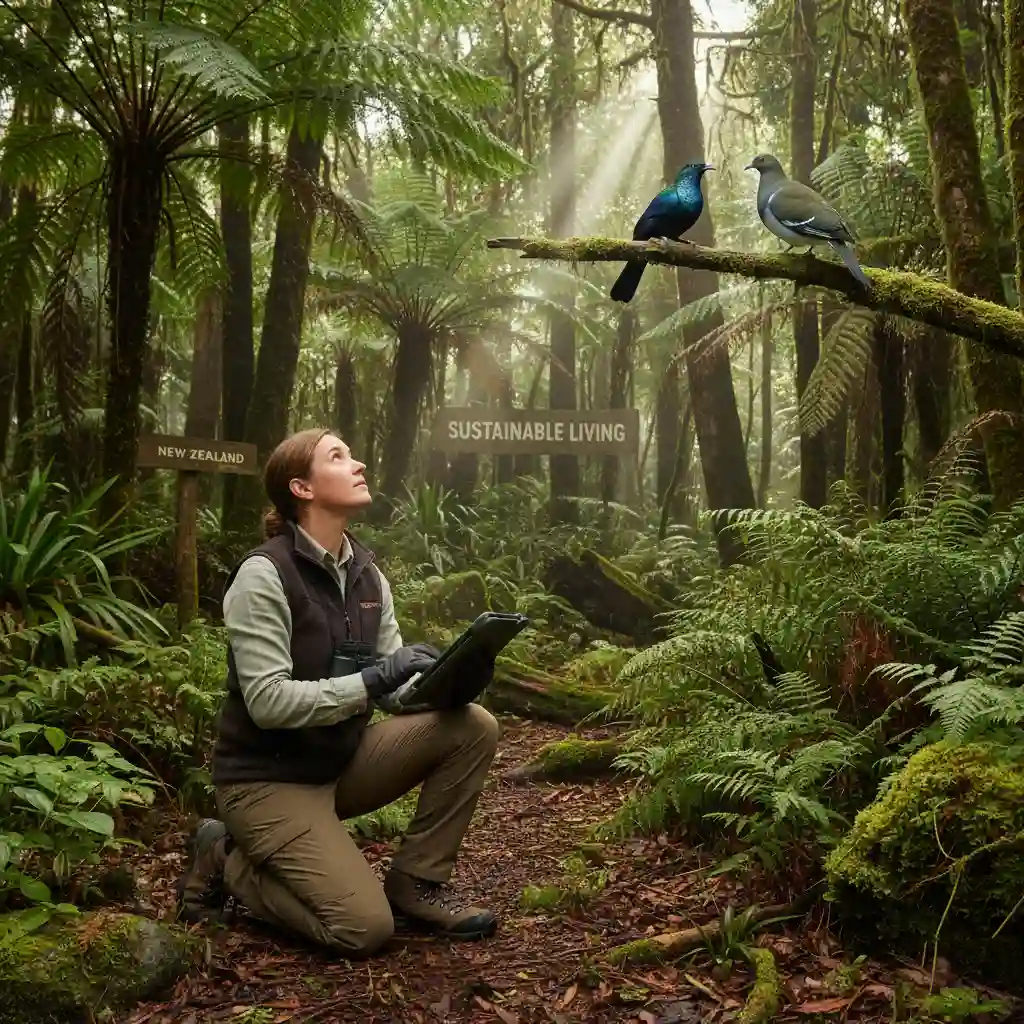
At its core, environmental science is about understanding. Scientists meticulously study species populations, habitat health, genetic diversity, and ecosystem functions. They employ advanced technologies, from GIS mapping and satellite imagery to DNA sequencing and remote sensing, to gather critical data.
This research helps identify endangered species, pinpoint areas of ecological significance, track the impacts of climate change and pollution, and understand invasive species dynamics. The data they collect forms the bedrock for effective conservation strategies.
STAT CALLOUT: New Zealand’s Unique Biodiversity
Over 90% of New Zealand’s native reptiles, 80% of native insects, and 25% of native birds are found nowhere else in the world. This staggering endemism makes the work of environmental scientists even more critical for protecting these unique species from extinction.
Policy Development and Advocacy
Scientific findings are often translated into actionable policies and legislation. Environmental scientists work closely with governments, NGOs, and international bodies to develop regulations that protect critical habitats, manage natural resources sustainably, and mitigate environmental impacts.
They advocate for evidence-based decision-making, ensuring that conservation laws are robust, effective, and responsive to the latest scientific understanding. This includes contributing to international agreements like the Convention on Biological Diversity (CBD).

Ecosystem Restoration and Management
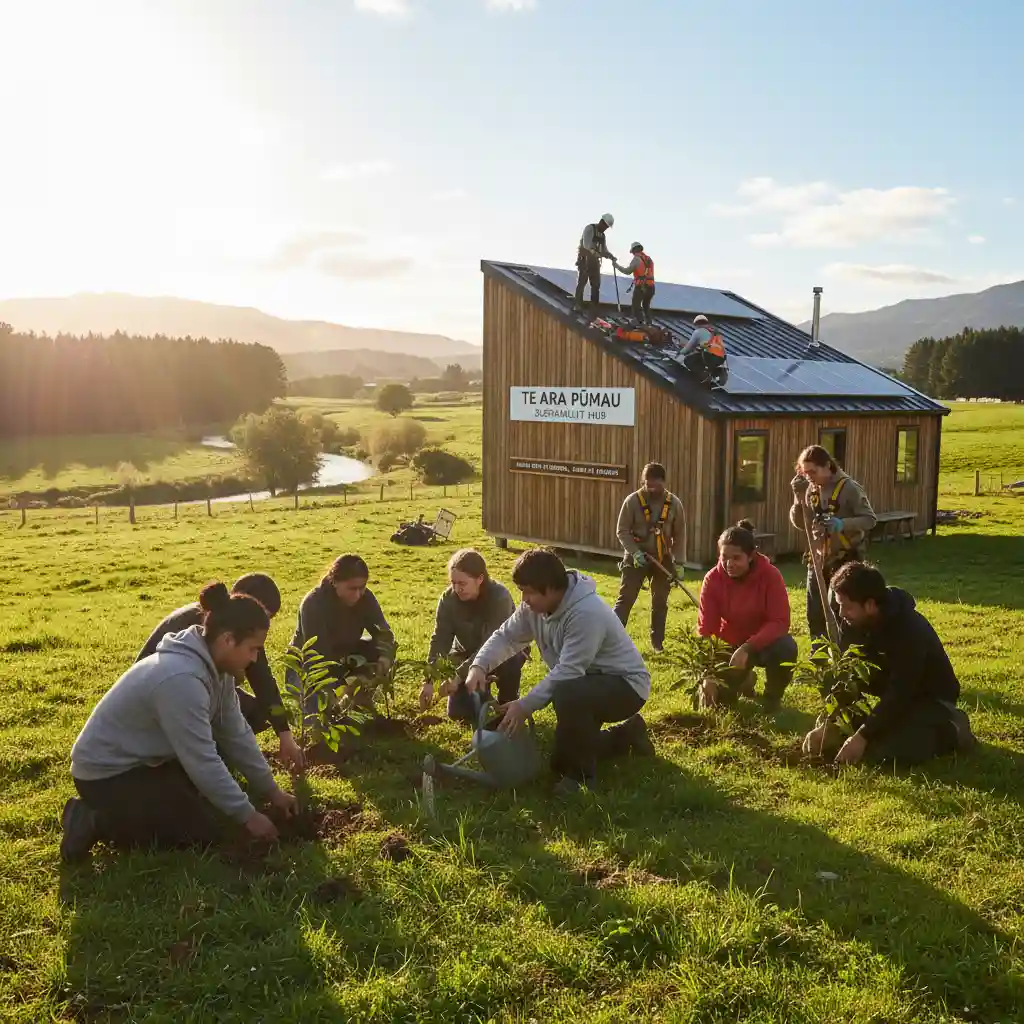
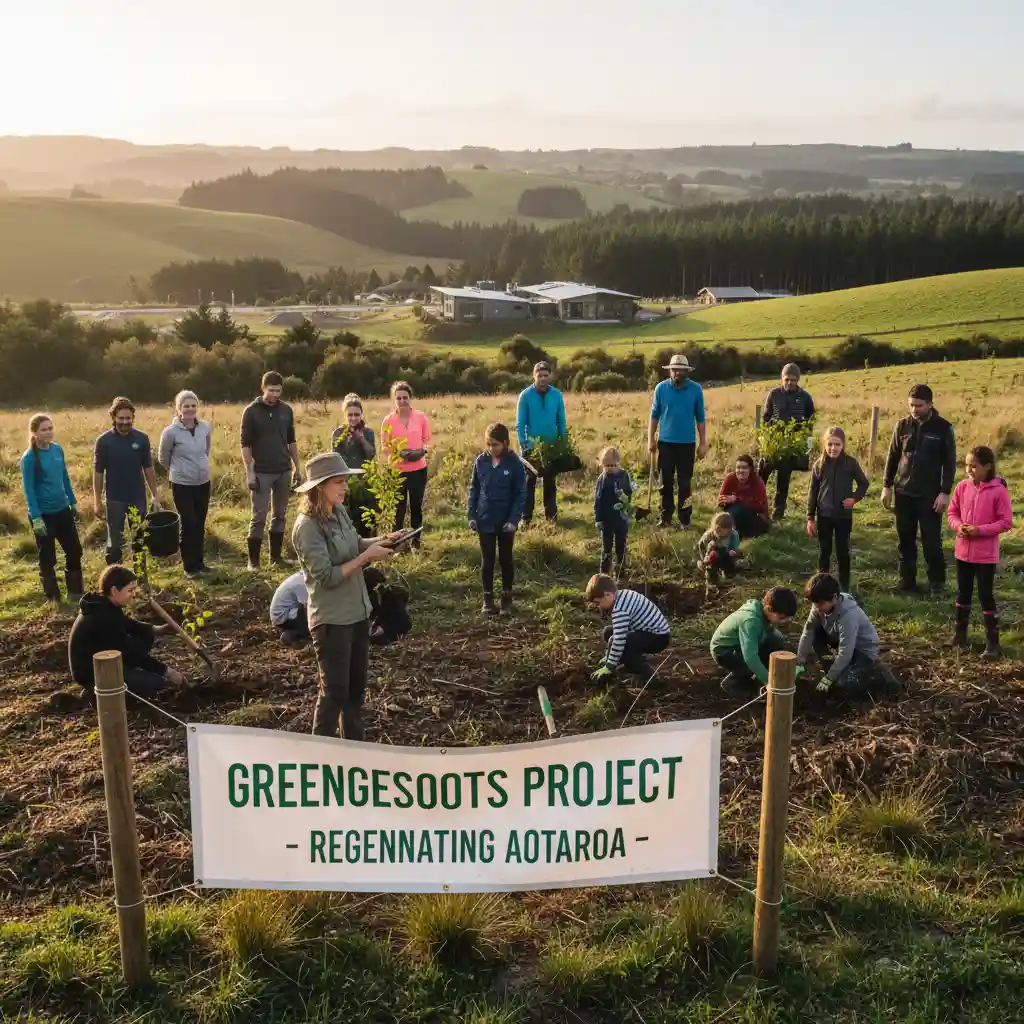
Beyond protection, many ecosystems require active restoration. Environmental scientists design and oversee projects to restore degraded habitats, reintroduce native species, control invasive predators and plants, and improve ecological connectivity. This can range from large-scale reforestation efforts to intricate wetland rehabilitation.
Their expertise ensures that restoration efforts are scientifically sound, maximize ecological benefits, and contribute to long-term resilience. For instance, in New Zealand, they are instrumental in predator-free initiatives and native bush regeneration projects.
Education and Public Awareness
A critical aspect of biodiversity conservation is fostering public understanding and engagement. Environmental scientists often act as educators and communicators, translating complex scientific concepts into accessible information for communities, schools, and the general public.
Through workshops, public talks, and outreach programs, they inspire a sense of guardianship and encourage sustainable behaviours, which is key for a sustainable lifestyle hub like New Zealand. They bridge the gap between scientific discovery and societal action.
Tackling Conservation Challenges with Science
The challenges to biodiversity are immense: habitat destruction, climate change, pollution, invasive species, and overexploitation. Environmental scientists develop innovative solutions to these multifaceted problems. This includes everything from developing biodegradable alternatives to plastics to pioneering new methods for carbon sequestration and species translocation.
Their adaptive approach means constantly refining techniques and strategies in response to new data and evolving environmental conditions. They are problem-solvers, always seeking smarter, more effective ways to protect life on Earth.

New Zealand’s Biodiversity: Local Impact and Global Significance
New Zealand’s biodiversity, shaped by millions of years of isolation, is globally significant. Its unique flora and fauna face threats from introduced predators and habitat loss. Environmental scientists in Aotearoa are at the forefront of protecting iconic species like the kiwi, kakapo, and tuatara, and restoring precious ecosystems.
Their work in pest control, ecological restoration, and species recovery programmes serves as a model for conservation worldwide. By focusing on indigenous ecosystems, they not only preserve New Zealand’s natural heritage but also contribute to global efforts in biodiversity conservation.
STAT CALLOUT: New Zealand’s Predator-Free 2050 Goal
New Zealand has set an ambitious goal to be predator-free by 2050, aiming to eradicate introduced pests like stoats, rats, and possums that devastate native wildlife. Environmental scientists are essential in developing the innovative tools and strategies to achieve this world-leading conservation target.
How You Can Support Biodiversity Conservation
While environmental scientists lead the charge, every individual has a role to play. Supporting biodiversity conservation starts with conscious choices in your daily life:
- Support local conservation groups: Volunteer time or donate to organizations working on native habitat restoration and species protection.
- Reduce your ecological footprint: Opt for sustainable products, reduce waste, conserve energy and water.
- Choose sustainable consumption: Be mindful of where your food, clothing, and other goods come from. Look for certifications that indicate environmentally responsible practices.
- Learn and advocate: Educate yourself and others about local biodiversity. Speak up for environmental protections in your community.
- Plant native species: If you have a garden, choose native plants to support local insects and birds.
By integrating these practices into your sustainable lifestyle, you become an active participant in protecting the planet’s incredible variety of life, echoing the invaluable work of environmental scientists.
Frequently Asked Questions
What exactly does an environmental scientist do in biodiversity conservation?
Environmental scientists perform a wide range of tasks, including conducting field research to monitor species populations and habitat health, analyzing data, developing conservation strategies, advising policymakers on environmental legislation, managing restoration projects, and educating the public on biodiversity issues. They are crucial for understanding threats and finding solutions.
Why is New Zealand’s biodiversity particularly vulnerable?
New Zealand’s unique biodiversity evolved in isolation without mammalian predators. This made many native species particularly vulnerable to introduced pests (like stoats, rats, and possums) and human-induced habitat loss. Environmental scientists are vital in developing and implementing strategies to protect these endemic species.
How can everyday individuals contribute to biodiversity conservation?
Individuals can contribute by reducing their carbon footprint, making sustainable consumption choices (e.g., eco-friendly products, local produce), volunteering for local conservation projects, supporting environmental organizations, planting native species, and educating themselves and others about the importance of biodiversity.
What are some key threats to biodiversity that environmental scientists address?
Environmental scientists tackle major threats such as habitat destruction and fragmentation, climate change, pollution (air, water, soil), the spread of invasive species, and overexploitation of natural resources (e.g., overfishing, unsustainable logging). Their work aims to mitigate these impacts and restore ecological health.
References/Sources
- Department of Conservation (DOC) New Zealand. (n.d.). Our native animals and plants. Retrieved from doc.govt.nz
- United Nations Environment Programme (UNEP). (2020). Global Biodiversity Outlook 5. Montreal.
- Conservation International. (n.d.). What is Biodiversity? Retrieved from conservation.org
- Predator Free 2050 Limited. (n.d.). About Predator Free 2050. Retrieved from predatorfree2050.org