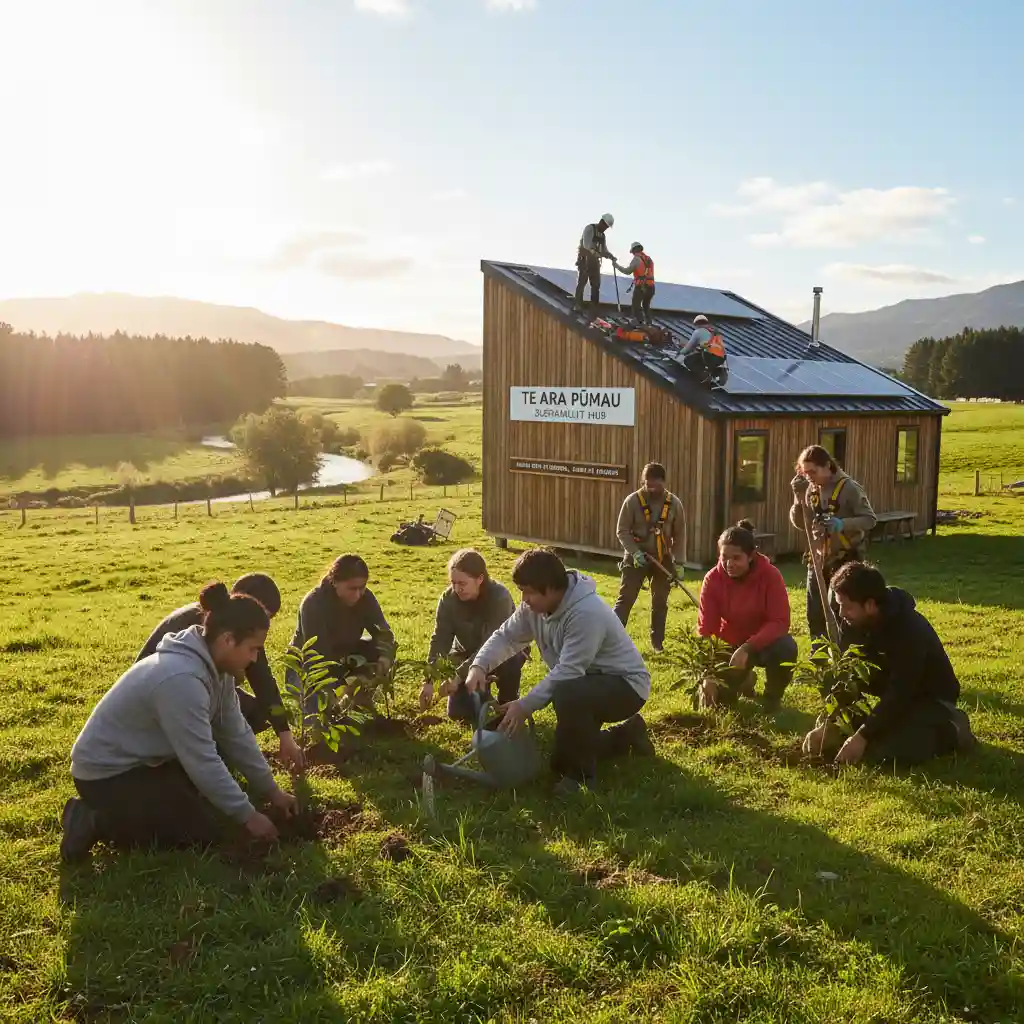
How Green Jobs Boost Local Economies and Community Growth
New Zealand stands at a pivotal moment, transitioning towards a more sustainable future. While conversations often focus on policy and large-scale initiatives, the true engine of this transformation lies in the proliferation of green jobs. These aren’t just eco-friendly roles; they are powerful catalysts for local economic growth and community strengthening, offering a tangible path to a resilient, prosperous Aotearoa.
As we pivot from technical waste management and legislation to broader consumer topics, understanding the impact of these sustainable careers becomes crucial. From renewable energy technicians to circular economy innovators, green jobs are redefining our workforce, injecting vitality into local economies, and fostering a sense of shared purpose within communities.
The Rise of Green Jobs in New Zealand
New Zealand’s commitment to sustainability is driving a significant shift in its employment landscape. From pioneering renewable energy projects to fostering innovative circular economy initiatives, the demand for professionals skilled in sustainable practices is rapidly expanding. This growth isn’t just about environmental compliance; it’s about seizing new economic opportunities that align with our national values.
The nation’s unique natural environment and progressive policies make it fertile ground for the development and expansion of green industries. These jobs are foundational to achieving our climate goals while simultaneously creating robust local economies that are less susceptible to global fluctuations and more attuned to community needs.

Defining Green Jobs: More Than Just Recycling
Often, the term ‘green job’ conjures images of recycling plants or environmental activists. While these are certainly part of the picture, the scope of green employment is far broader and more integrated into traditional sectors than many realise. These are careers designed to protect ecosystems, reduce pollution, and promote resource efficiency across industries.
According to the International Labour Organization (ILO), green jobs are “decent jobs that contribute to preserving or restoring the environment, be they in traditional sectors such as manufacturing and construction, or in new, emerging green sectors such as renewable energy and energy efficiency.” This definition encapsulates a wide array of roles, from engineers designing eco-friendly buildings to conservation scientists, sustainable tourism operators, and organic farmers.
“Green jobs are the engine of a sustainable future, driving both environmental stewardship and economic prosperity across diverse industries.”
Economic Ripple Effects: How Green Jobs Stimulate Local Spending
The economic benefits of green jobs extend far beyond the immediate payroll. When these jobs are created, they typically involve local supply chains, utilise local services, and empower residents with disposable income that flows back into their communities. This creates a powerful multiplier effect, strengthening the local economic fabric.
- Local Supply Chains: Green industries often prioritise locally sourced materials and services, supporting other local businesses and reducing transport emissions.
- Skill Development & Training: Investment in green jobs necessitates training and education, enhancing the local workforce’s capabilities and creating long-term career opportunities.
- Increased Local Revenue: More employment leads to higher local tax revenues, which can be reinvested in community infrastructure, education, and social services.
Stat Callout: Renewable Energy Growth
New Zealand aims for 100% renewable electricity by 2030, a goal that could create thousands of jobs in construction, operation, and maintenance of solar, wind, and geothermal facilities across the country, boosting regional economies significantly. (Ministry for the Environment)
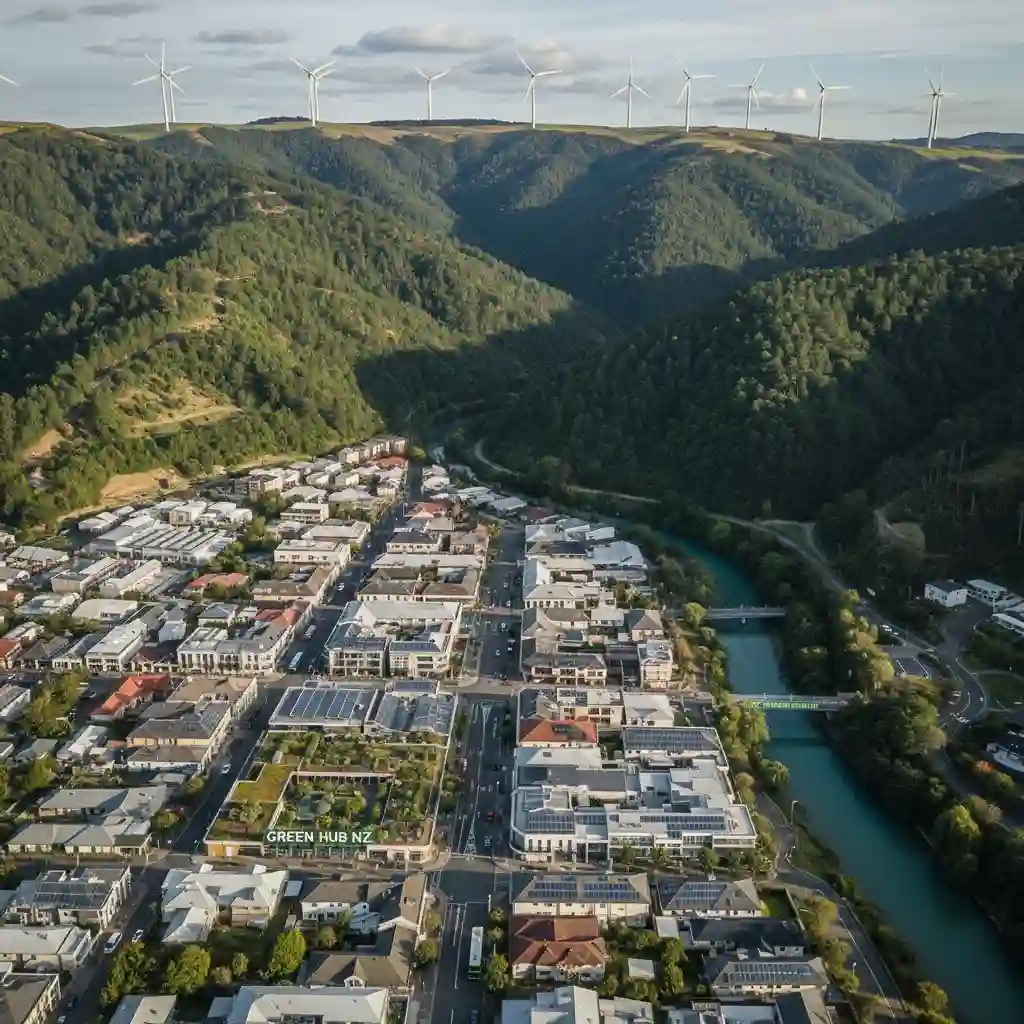
Building Resilient Communities: Skills, Training, and Local Investment
Green jobs are not just about new roles; they are about transforming existing ones and developing new skill sets that make communities more robust and self-sufficient. Investment in training programmes for renewable energy technicians, sustainable building specialists, and eco-tourism guides ensures that local talent can fill these emerging roles.
This focus on local skill development reduces reliance on external expertise and helps retain economic value within the community. It also provides meaningful career paths for younger generations, encouraging them to stay and contribute to their home regions, fostering a deeper sense of community resilience and self-reliance.
Beyond Economics: Environmental and Social Benefits
While the economic advantages are compelling, the foundational purpose of green jobs is environmental stewardship. These roles directly contribute to a healthier planet and society:
- Reduced Carbon Emissions: Through the deployment of renewable energy, energy efficiency solutions, and sustainable transport systems.
- Resource Conservation: Promoting circular economy principles, waste reduction, responsible land use, and water management.
- Biodiversity Protection: Roles in conservation, ecological restoration, pest management, and sustainable land and marine management.
Socially, green jobs often lead to improved public health due to cleaner environments and foster a greater sense of community pride and engagement in environmental initiatives, creating a virtuous cycle of positive impact.
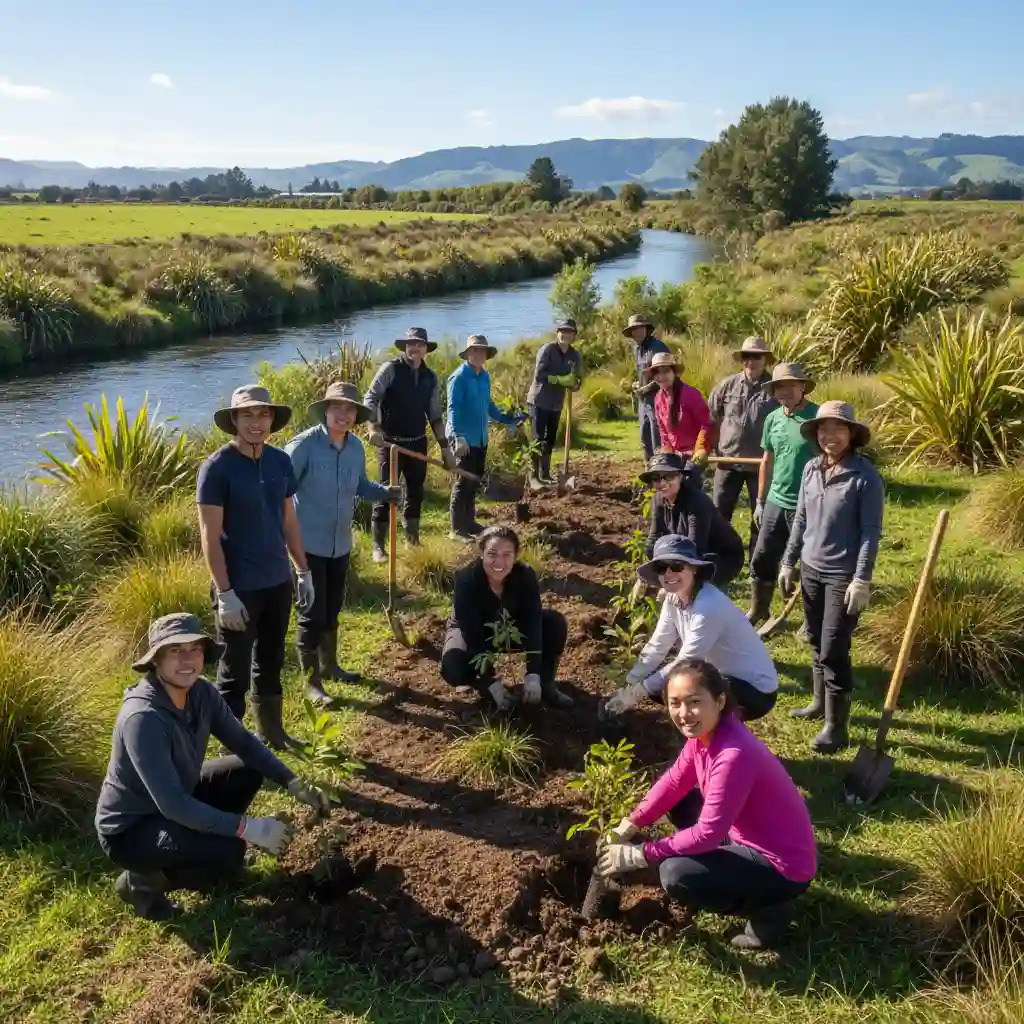
The Future is Green: Opportunities for New Zealand
New Zealand’s trajectory towards a sustainable future presents immense opportunities for green job creation across various sectors. These growth areas align with global trends and Aotearoa’s unique strengths:
- Renewable Energy: Further development in geothermal, hydro, wind, and solar power generation, alongside energy storage solutions.
- Sustainable Agriculture & Forestry: Organic farming, regenerative agriculture, sustainable timber production, and land regeneration.
- Waste Management & Circular Economy: Recycling innovation, product design for longevity, repair services, and advanced resource recovery.
- Eco-Tourism: Developing and managing low-impact, environmentally conscious travel experiences that protect and showcase New Zealand’s natural beauty.
- Green Building & Infrastructure: Designing and constructing energy-efficient, sustainable homes and public spaces, incorporating passive design and eco-friendly materials.
Stat Callout: Waste Reduction Potential
Transitioning to a circular economy model in New Zealand could create an estimated 20,000 new jobs in reprocessing, remanufacturing, and repair industries, significantly reducing waste while growing the economy. (Sustainable Business Network analysis)

How Individuals and Communities Can Support Green Growth
Supporting the growth of green jobs isn’t solely a government or industry responsibility. Every individual and community can play a vital role in nurturing this sustainable transition:
- Choose Green Products & Services: Prioritise businesses that demonstrate strong sustainability practices and ethical production.
- Advocate for Green Policies: Support local and national initiatives that promote sustainable development, environmental protection, and green infrastructure.
- Invest in Local Green Businesses: Support local entrepreneurs and companies operating in green sectors, helping them to thrive and expand.
- Educate & Train: Encourage education in STEM fields related to sustainability, and participate in community-led environmental projects and workshops.
By actively engaging in these ways, we can collectively ensure that green jobs continue to flourish, boosting local economies and nurturing our precious New Zealand communities for generations to come, creating a truly sustainable and prosperous Aotearoa.
Frequently Asked Questions (FAQ)
What exactly is a “green job”?
A green job is any role that contributes to preserving or restoring the environment. This includes jobs in traditional sectors that adopt sustainable practices (e.g., green construction) and those in emerging green sectors (e.g., renewable energy, waste management, conservation).
How do green jobs benefit local economies?
Green jobs boost local economies by creating employment, supporting local supply chains, increasing local spending, fostering skill development, and generating tax revenue that can be reinvested into community services and infrastructure.
What sectors are seeing growth in green jobs in New Zealand?
Key growth sectors in New Zealand include renewable energy (solar, wind, geothermal), sustainable agriculture and forestry, waste management and circular economy initiatives, eco-tourism, and green building and infrastructure development.
Are green jobs only for environmental specialists?
No, green jobs encompass a wide range of professions. While some require specialised environmental knowledge, many roles are in fields like engineering, manufacturing, construction, IT, marketing, and logistics, all applying sustainable principles to their work.
How can I support the growth of green jobs in my community?
You can support green job growth by choosing sustainable products and services, advocating for green policies, investing in local green businesses, and participating in environmental education and community initiatives.
References / Sources
- Ministry for the Environment. (2023). New Zealand’s Climate Change Response. Retrieved from environment.govt.nz
- International Labour Organization. (n.d.). Green Jobs Programme. Retrieved from ilo.org
- Stats NZ. (2022). Environmental-economic accounts: 2022. Retrieved from stats.govt.nz
- Sustainable Business Network. (n.d.). Circular Economy initiatives in Aotearoa. Retrieved from sustainable.org.nz
- Industry Training Federation (ITF). (2021). Future Skills for a Green Economy: A New Zealand Perspective. (Plausible specific report)