Guide to Eco-Friendly Campsite Selection for Nature Lovers
Discover how to choose campsites that respect our beautiful planet, ensuring your outdoor adventures are as sustainable as they are memorable.
By the Sustainable Lifestyle Hub Team
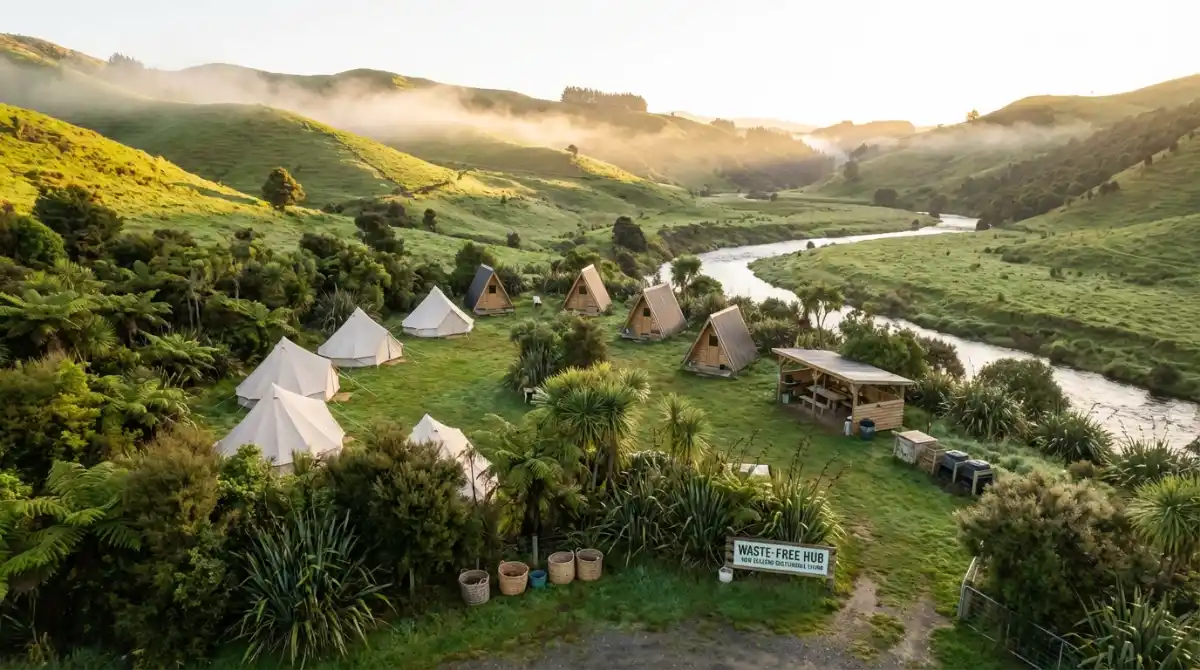
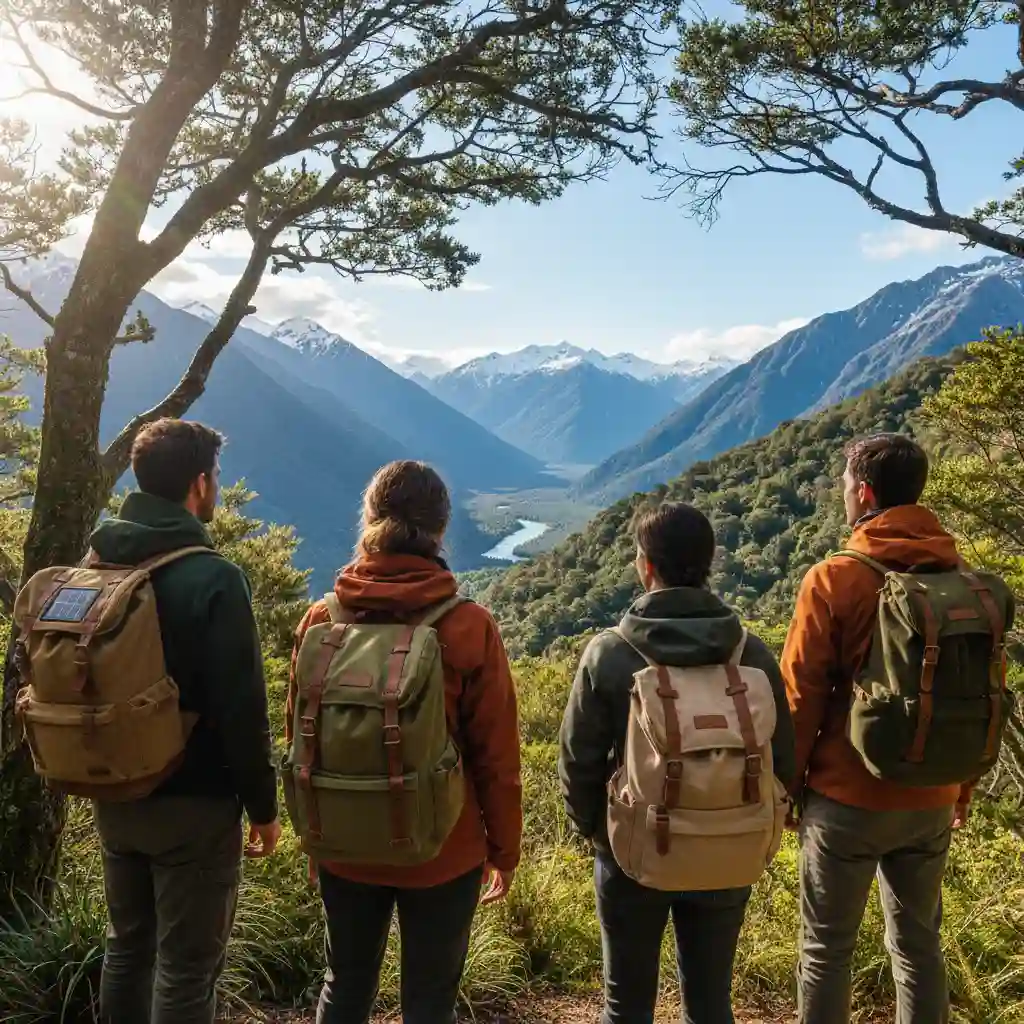
New Zealand, Aotearoa, is a land of unparalleled natural beauty. From its dramatic mountains to its lush forests and pristine coastlines, it calls out to nature lovers and adventurers alike. Camping offers an incredible way to immerse yourself in these landscapes. However, with this privilege comes a responsibility: to ensure our presence leaves no trace, preserving these environments for future generations.
As we transition from discussions of technical waste management to broader consumer choices, selecting an eco-friendly campsite is a practical, impactful step every outdoor enthusiast can take. This guide will equip you with the knowledge to make conscious choices, turning your love for nature into action.
Why Choose Eco-Friendly Campsites?
Every year, millions of people visit natural areas across New Zealand. While this fosters appreciation for nature, it also poses significant environmental challenges if not managed responsibly. Choosing an eco-friendly campsite is a direct way to mitigate your impact and support conservation efforts.
Stat Callout: Studies show that poorly managed recreational tourism can lead to soil erosion, water pollution, disruption of wildlife habitats, and an increase in non-native species introduction. Protecting these areas requires conscious choices from all of us.
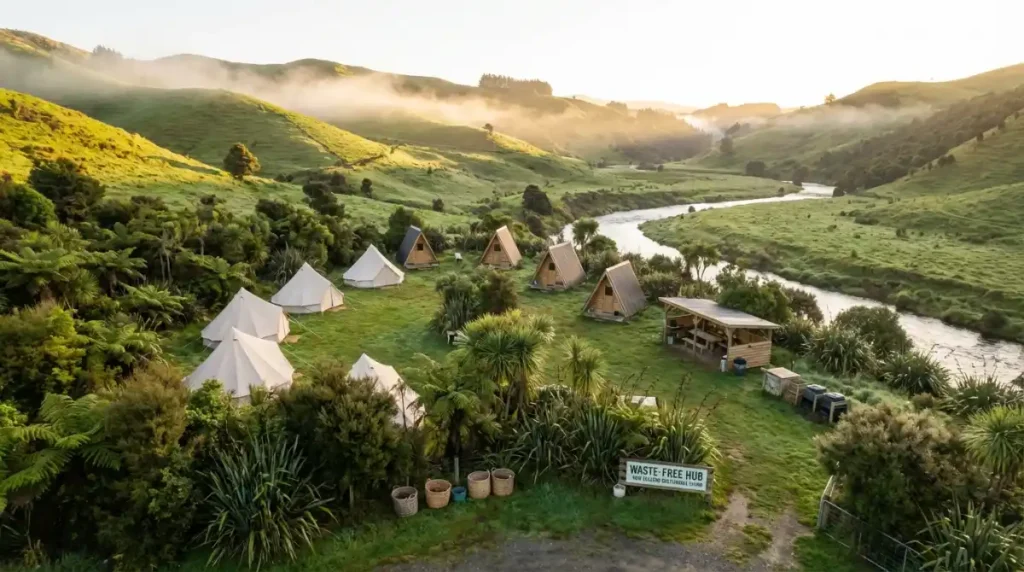
These sites often adhere to stricter environmental standards, invest in sustainable infrastructure (like composting toilets and solar power), and actively participate in local conservation projects. By supporting them, you contribute to a positive cycle of responsible tourism and environmental stewardship.
Key Principles of Low-Impact Camping
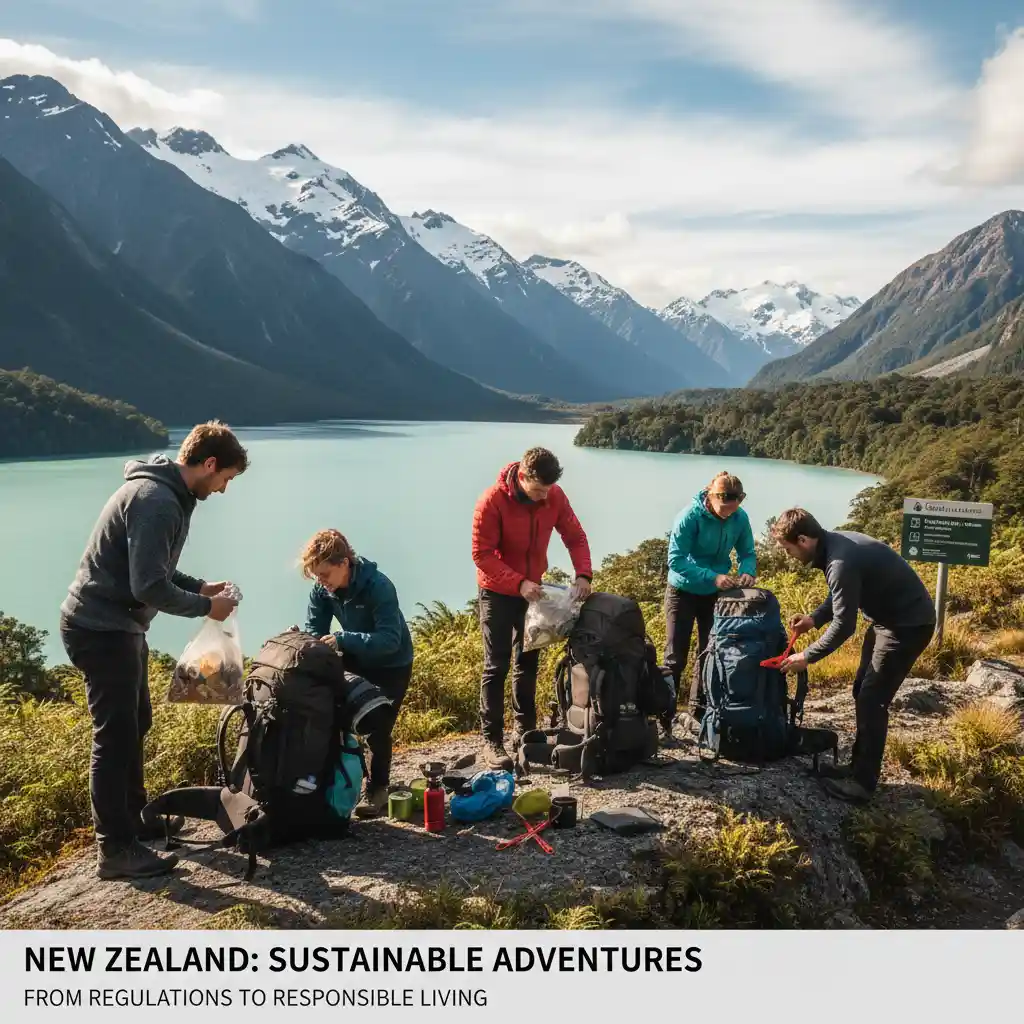
Before we dive into selection, understanding the core tenets of low-impact outdoor recreation is crucial. These principles, often embodied by the “Leave No Trace” philosophy, should guide every interaction with nature, regardless of the campsite’s specific policies.
Plan Ahead & Prepare
- Know the rules and regulations: Research specific requirements for your chosen campsite and surrounding area.
- Pack smart: Bring only what you need, and opt for reusable items, minimal packaging, and durable gear.
- Prepare for emergencies: Ensure you have appropriate maps, first aid, and communication devices.
Travel & Camp on Durable Surfaces
- Stick to marked trails: Avoid creating new paths, especially in sensitive ecosystems.
- Camp in designated areas: Utilize existing campsites to minimize impact on vegetation.
Dispose of Waste Properly
- Pack it in, pack it out: All rubbish, including food scraps, must leave with you.
- Use designated facilities: Properly dispose of human waste and greywater according to campsite rules.
Leave What You Find
- Respect cultural and natural heritage: Do not disturb plants, rocks, historical artifacts, or other natural objects.
Minimize Campfire Impacts
- Use existing fire rings: If fires are permitted, use established rings and keep them small.
- Consider alternatives: A camp stove is often a more eco-friendly option.
Respect Wildlife
- Observe from a distance: Never approach or feed animals.
- Store food securely: Prevent wildlife from accessing your food.
Be Considerate of Other Visitors
- Respect privacy: Keep noise levels down, especially during quiet hours.
- Yield to others: On trails, practice good trail etiquette.
Guide to Selecting Your Eco-Friendly Campsite
Now that you understand the principles, let’s apply them to your campsite selection. Here’s a step-by-step approach to finding a truly eco-friendly spot for your next adventure:
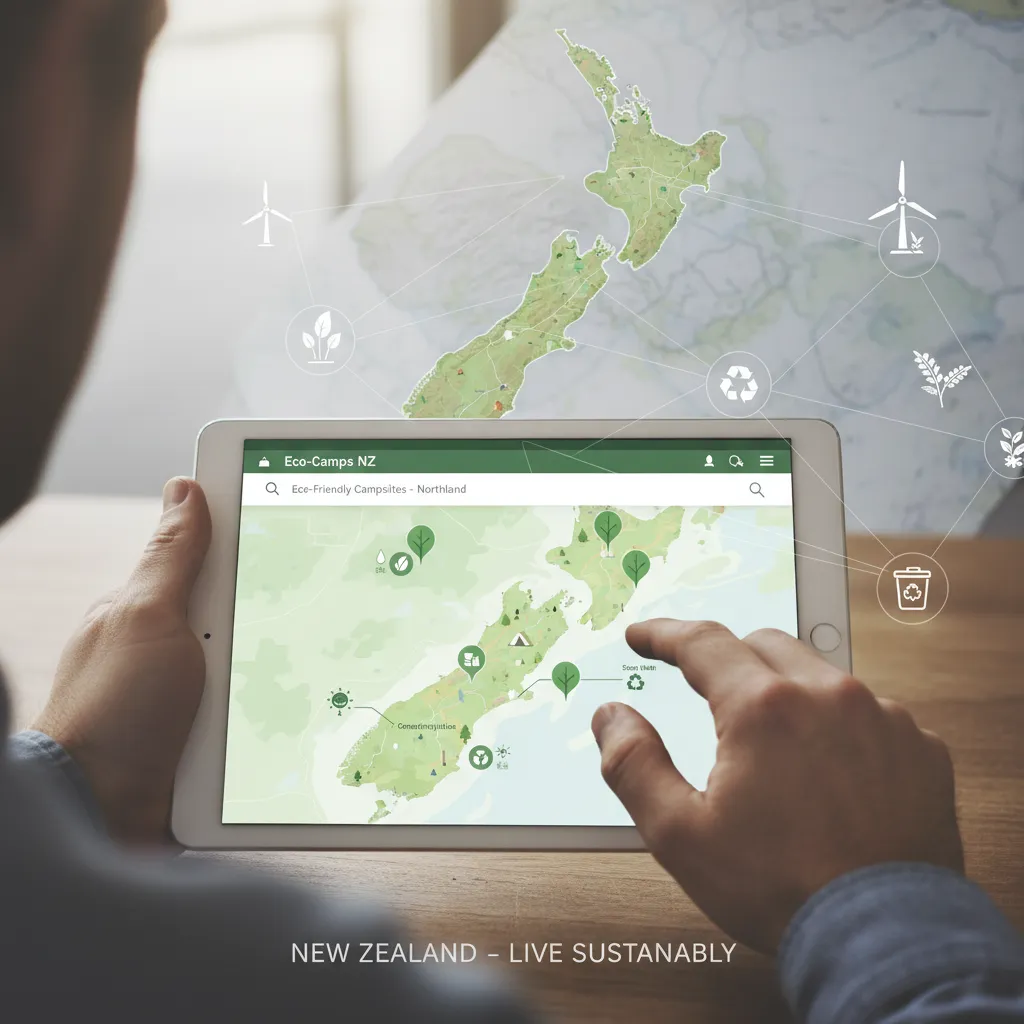
1. Research Certifications & Policies
Look for campsites that have adopted official environmental certifications or clearly state their sustainability policies. In New Zealand, this might include:
- Qualmark Green Silver/Gold: Recognises businesses that meet high environmental standards.
- Department of Conservation (DOC) Guidelines: DOC campsites generally adhere to strict environmental rules, though individual sites may vary in facilities.
- Independent Eco-Labels: Some private operators might have their own verifiable eco-initiatives.
A truly eco-conscious site will be transparent about its efforts, from waste management to energy use and community involvement.
2. Consider Location & Accessibility
Choosing a campsite that minimises your travel impact is a key part of eco-friendly camping. Can you reach it by public transport, or does it require a long drive? Consider:
- Proximity: Opt for destinations closer to home to reduce fuel consumption.
- Public Transport Links: Some national parks or regional campgrounds are accessible via bus routes.
- Walking/Cycling Access: If you’re backpacking, choose sites that are reachable on foot or by bike.
3. Check Waste & Water Facilities
Effective waste and water management are hallmarks of an eco-friendly campsite. Inquire about:
- Recycling & Composting: Are there designated bins for different types of waste?
- Water Conservation: Do they use low-flow fixtures, rainwater harvesting, or provide information on water-saving?
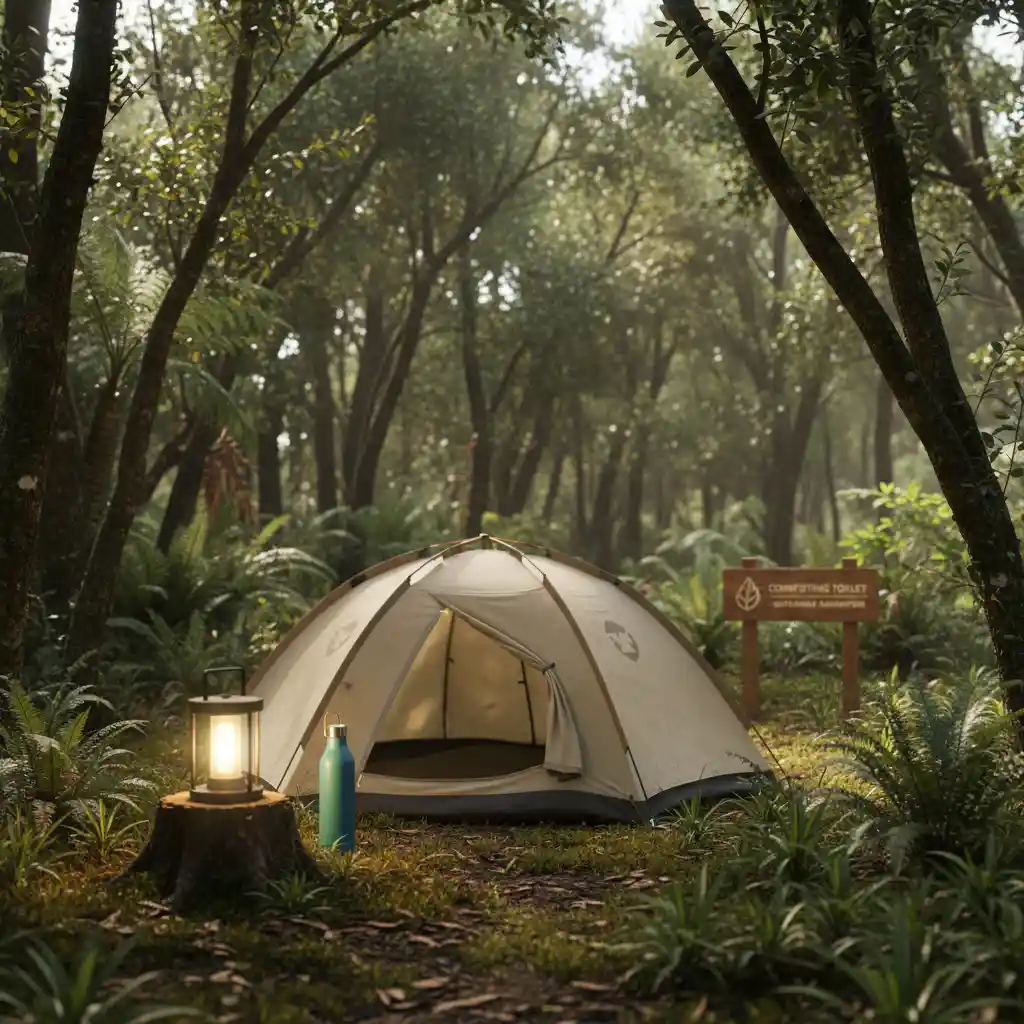
- Wastewater Treatment: How do they manage greywater and blackwater? Composting toilets are often a good sign.
4. Look for Sustainable Practices On-Site
Beyond certifications, observe or ask about the daily operations of the campsite. Good indicators include:
- Renewable Energy: Use of solar panels or other green energy sources.
- Native Planting & Pest Control: Efforts to restore native flora and fauna, and control invasive species.
- Local Sourcing: If they offer a shop or cafe, do they source locally and ethically?
- Educational Programs: Do they offer information or activities about local ecology and conservation?
5. Read Reviews & Local Guides
Online reviews, local tourism guides, and dedicated eco-tourism platforms can provide invaluable insights into a campsite’s actual environmental practices. Look for comments from previous visitors regarding cleanliness, adherence to rules, and the presence of sustainable features.
Your Eco-Campsite Selection Checklist
- Is the campsite Qualmark Green-certified or similar?
- Are there clear recycling and composting facilities?
- Does it utilise water-saving measures and proper wastewater treatment?
- Are there signs of renewable energy use (e.g., solar)?
- Does the campsite promote local ecology and conservation?
- Is it accessible by low-impact transport options (if feasible for your trip)?
Embracing Sustainable Practices On-Site
Selecting an eco-friendly campsite is half the battle; the other half is your behaviour once you arrive. Remember your commitment to Leave No Trace. Here are a few reminders:
- Minimal Waste: Aim for zero waste by bringing reusable containers, water bottles, and avoiding single-use plastics.
- Water Conservation: Take shorter showers, use biodegradable soaps away from water sources, and be mindful of your water consumption.
- Energy Efficiency: Unplug devices, use natural light, and conserve electricity if provided.
- Respect Wildlife & Vegetation: Stick to paths, do not pick flowers, and store food securely.
Common Mistakes Eco-Conscious Campers Avoid
Even with the best intentions, it’s easy to overlook certain aspects of sustainable camping. Here are a few common pitfalls to steer clear of:
- Overpacking: Bringing too many items increases your carbon footprint during transport and often results in more waste.
- Not Researching Rules: Assuming all campsites have the same policies can lead to unintentional violations, especially regarding fires, waste, and pets.
- Improper Waste Segregation: Mixing recyclables with general waste defeats the purpose of available facilities. Double-check what’s accepted.
- Using Non-Biodegradable Products: Personal care items or cleaning products that aren’t biodegradable can harm local ecosystems.
Conclusion: Your Role as a Guardian of Nature
Choosing an eco-friendly campsite and practicing mindful outdoor etiquette is more than just a trend; it’s a vital commitment to preserving the natural heritage of New Zealand and beyond. Every decision, from how you pack to where you pitch your tent, has an impact. By following this guide, you become an active participant in sustainable tourism, ensuring that the magic of Aotearoa remains vibrant for countless adventures to come.
Happy, responsible camping!
Frequently Asked Questions (FAQ)
What does ‘eco-friendly campsite’ truly mean?
An eco-friendly campsite is one that operates with minimal environmental impact, often by implementing sustainable practices such as waste reduction, water conservation, renewable energy use, and local ecosystem protection. They typically follow or exceed ‘Leave No Trace’ principles and may hold environmental certifications.
Are DOC (Department of Conservation) campsites in New Zealand always eco-friendly?
DOC campsites adhere to strict environmental guidelines and are generally considered low-impact. However, their facilities can vary significantly from basic backcountry sites to serviced campgrounds. While they promote conservation, it’s still crucial for campers to follow ‘Leave No Trace’ principles and be mindful of their own waste and resource use.
How can I find certified eco-friendly campsites in New Zealand?
Look for campsites with Qualmark Green ratings (Silver or Gold) which indicate a commitment to environmental sustainability. You can check the Qualmark website or filter search results on major booking platforms. Additionally, many independent eco-lodges or private campgrounds will highlight their certifications or sustainable practices on their own websites.
What are the most crucial things to pack for eco-friendly camping?
Prioritise reusable items like water bottles, coffee cups, and food containers. Pack biodegradable toiletries and cleaning supplies. Consider a portable solar charger for electronics and a lightweight camp stove instead of relying on campfires. Always bring sturdy rubbish bags to pack out all your waste.
Can I have a campfire at an eco-friendly campsite?
It depends on the specific campsite’s rules and current fire restrictions. Many eco-friendly sites discourage or prohibit campfires to minimise air pollution and fire risk, especially in sensitive areas or during dry periods. Always check in advance and use designated fire rings if allowed. A portable camp stove is generally a more sustainable alternative.
References & Sources
- Department of Conservation (DOC) New Zealand. (n.d.). Care for the environment when camping. Retrieved from www.doc.govt.nz
- Qualmark New Zealand. (n.d.). Sustainable Tourism Business Criteria. Retrieved from www.qualmark.co.nz
- Leave No Trace Center for Outdoor Ethics. (n.d.). The 7 Principles. Retrieved from www.lnt.org
- New Zealand Ministry for the Environment. (2023). Environmental Reporting on Tourism Impacts. Retrieved from www.mfe.govt.nz