Top Eco-Friendly Innovations in Hiking & Camping Gear
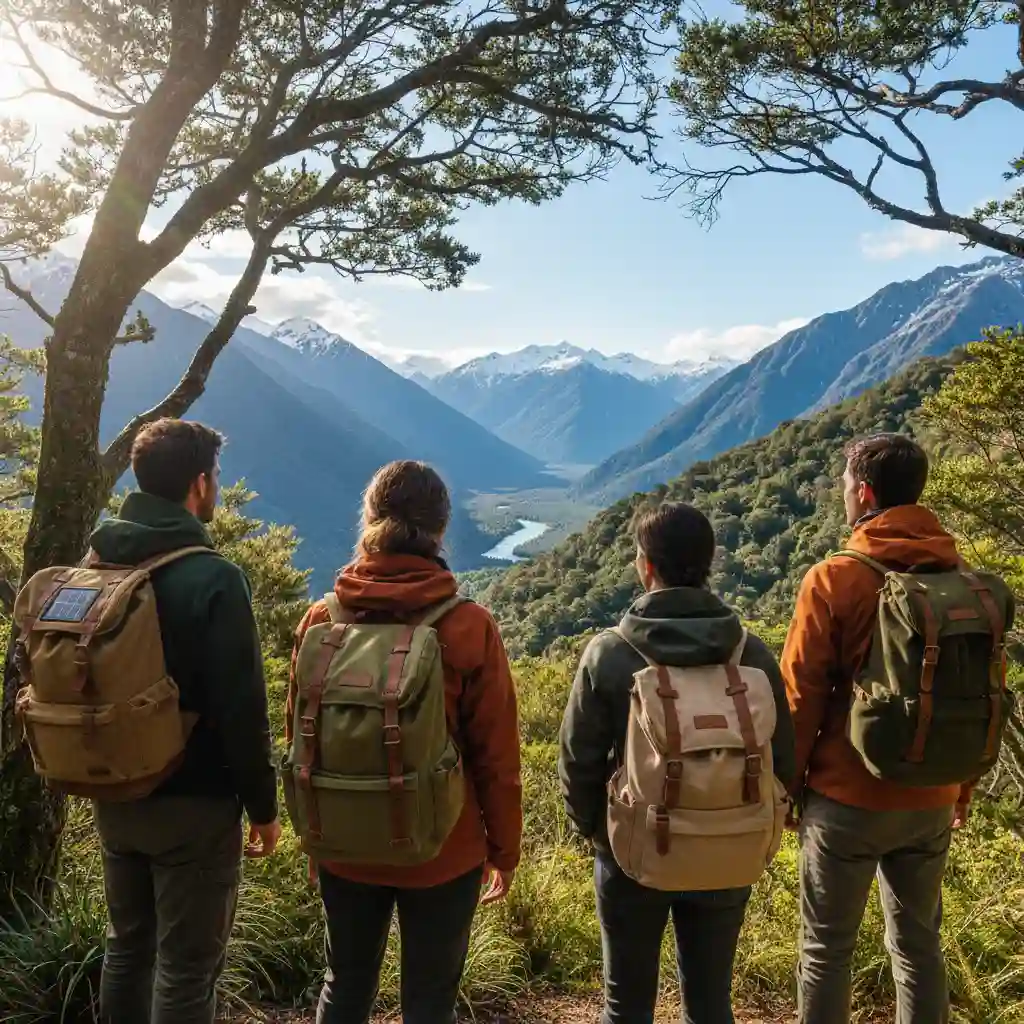
The allure of New Zealand’s pristine landscapes calls to adventurers, but with every step into nature, there’s a growing awareness of our environmental footprint. As guardians of our stunning natural heritage, we’re seeing a powerful shift towards sustainability in outdoor pursuits. The good news? The gear we rely on for our adventures is undergoing an incredible transformation. From groundbreaking materials to energy-efficient solutions, top eco-friendly innovations in hiking and camping gear are making it easier than ever to explore responsibly.
This article delves into the cutting-edge advancements that are shaping the future of outdoor equipment, ensuring our adventures leave nothing but footprints and memories. We’ll explore how brands are rethinking design, production, and end-of-life cycles to create gear that performs exceptionally while treading lightly on our planet.
Table of Contents
- The Rise of Recycled & Bio-Based Materials
- Innovations in Water Conservation & Purification
- Boosting Durability and Repairability for Longevity
- Harnessing Renewable Energy On-the-Go
- Minimizing Waste: From Production to Packaging
- Conclusion: Pioneering a Greener Outdoor Future
- Frequently Asked Questions (FAQ)
- References/Sources
The Rise of Recycled & Bio-Based Materials
One of the most significant shifts in eco-friendly hiking and camping gear is the move away from virgin petroleum-based plastics. Manufacturers are increasingly turning to innovative materials that reduce environmental impact from the ground up.
Recycled Content: A Second Life for Waste
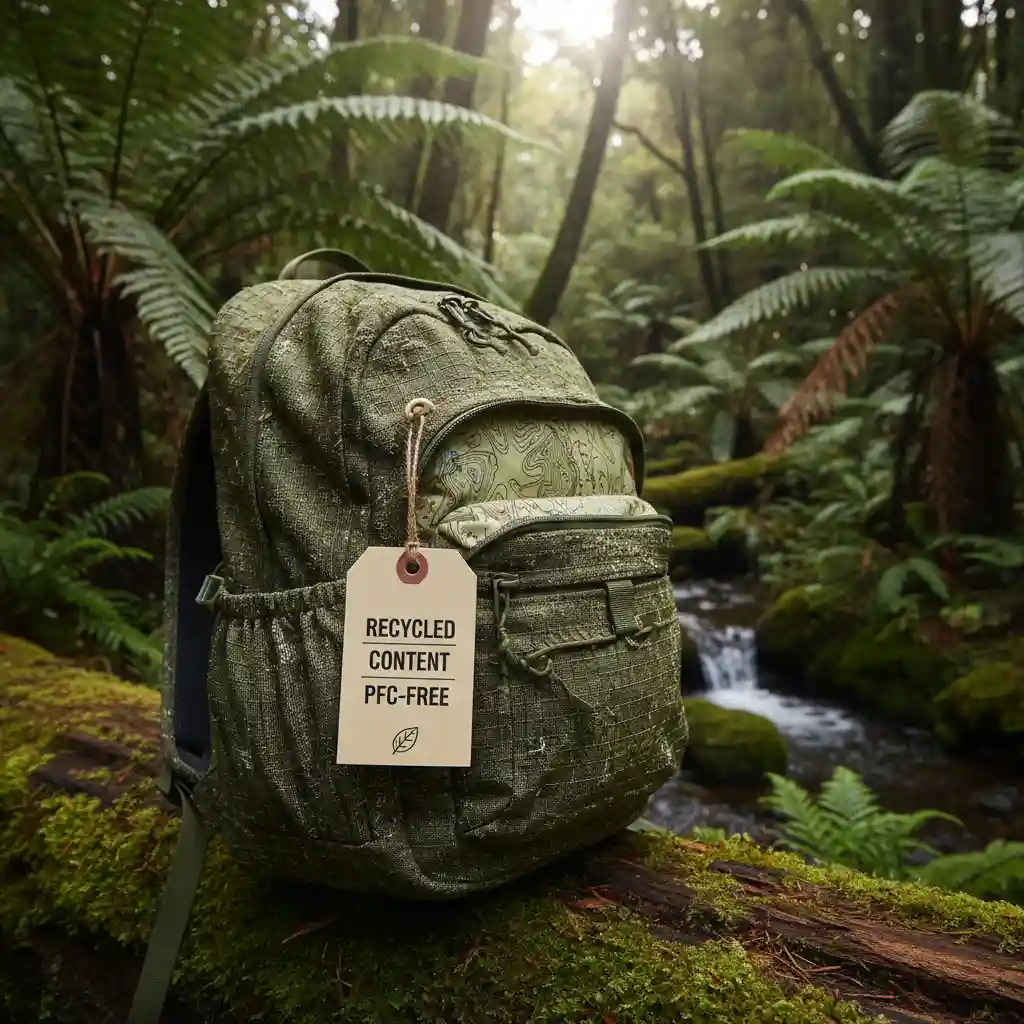
Recycled polyester (rPET), often made from discarded plastic bottles, is now commonplace in everything from tent fabrics and sleeping bag insulation to backpack bodies and apparel. Similarly, recycled nylon, derived from fishing nets and industrial waste, offers exceptional durability with a lower carbon footprint.
- PFC-Free DWR: Beyond the fabric itself, many brands are eliminating harmful per- and polyfluoroalkyl substances (PFCs) from durable water repellent (DWR) coatings, opting for safer, equally effective alternatives.
- Recycled Aluminium: Lightweight yet strong, recycled aluminium is finding its way into trekking poles, tent poles, and cookware, significantly reducing the energy required for production.
Stat Callout: The production of recycled polyester can reduce energy consumption by up to 59% and CO2 emissions by up to 32% compared to virgin polyester, highlighting its crucial role in sustainable gear innovation. (Source: Textile Exchange)
Bio-Based and Natural Fibers
The outdoor industry is also exploring renewable resources. Bio-based plastics, derived from plants like castor beans or sugarcane, are emerging for components like buckles and zippers. Natural fibers such as responsibly sourced merino wool (a staple for Kiwi outdoor enthusiasts), hemp, and organic cotton offer breathability, comfort, and biodegradability.
Innovations in Water Conservation & Purification
Access to clean water is paramount in the backcountry, and innovations here are making a significant impact, both for the user and the environment.
Efficient Water Filters & Purifiers
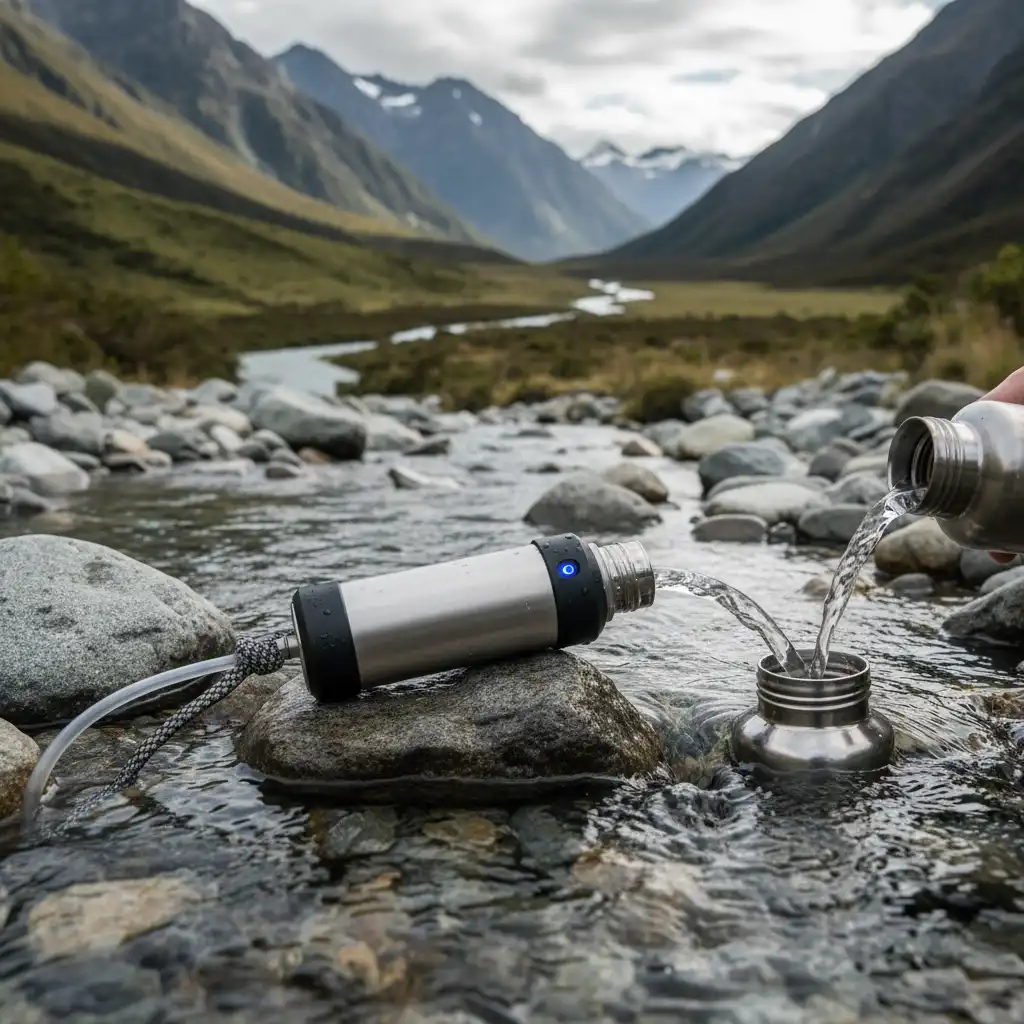
Portable water filters and purifiers have become lighter, more efficient, and incredibly reliable. Advances in membrane technology and UV purification mean you can safely drink from natural sources, significantly reducing the need to carry single-use plastic bottles.
- Gravity Filters: Allow for hands-free purification of larger volumes, ideal for base camp.
- Squeeze Filters: Compact and versatile for on-the-go hydration.
- UV Pens: Utilize ultraviolet light to neutralize microbes with no chemical taste.
Reduced Water Use in Manufacturing
Beyond the product, manufacturers are innovating processes to dramatically cut water usage. Techniques like solution dyeing (where color is added to the fiber solution before spinning) drastically reduce the water and chemicals needed compared to traditional dyeing methods.
Boosting Durability and Repairability for Longevity
The most sustainable gear is the gear that lasts. Brands are increasingly focusing on creating robust products that withstand the rigors of the outdoors and can be easily repaired, extending their lifespan and keeping them out of landfills.
Modular Designs & Robust Construction
Gear with modular components allows for easy replacement of worn-out parts rather than discarding the whole item. Reinforced stitching, tougher fabrics, and high-quality hardware are becoming standard. Many companies also offer repair services or provide spare parts and guides for DIY fixes.
Stat Callout: Extending the lifespan of clothing by just nine months could reduce carbon, water, and waste footprints by around 20-30% each. This principle applies equally to all outdoor gear. (Source: WRAP)
Harnessing Renewable Energy On-the-Go
For longer trips or remote adventures, power is essential. Sustainable innovations are providing increasingly efficient ways to generate and store energy without relying on disposable batteries or grid power.
Portable Solar Panels & Chargers
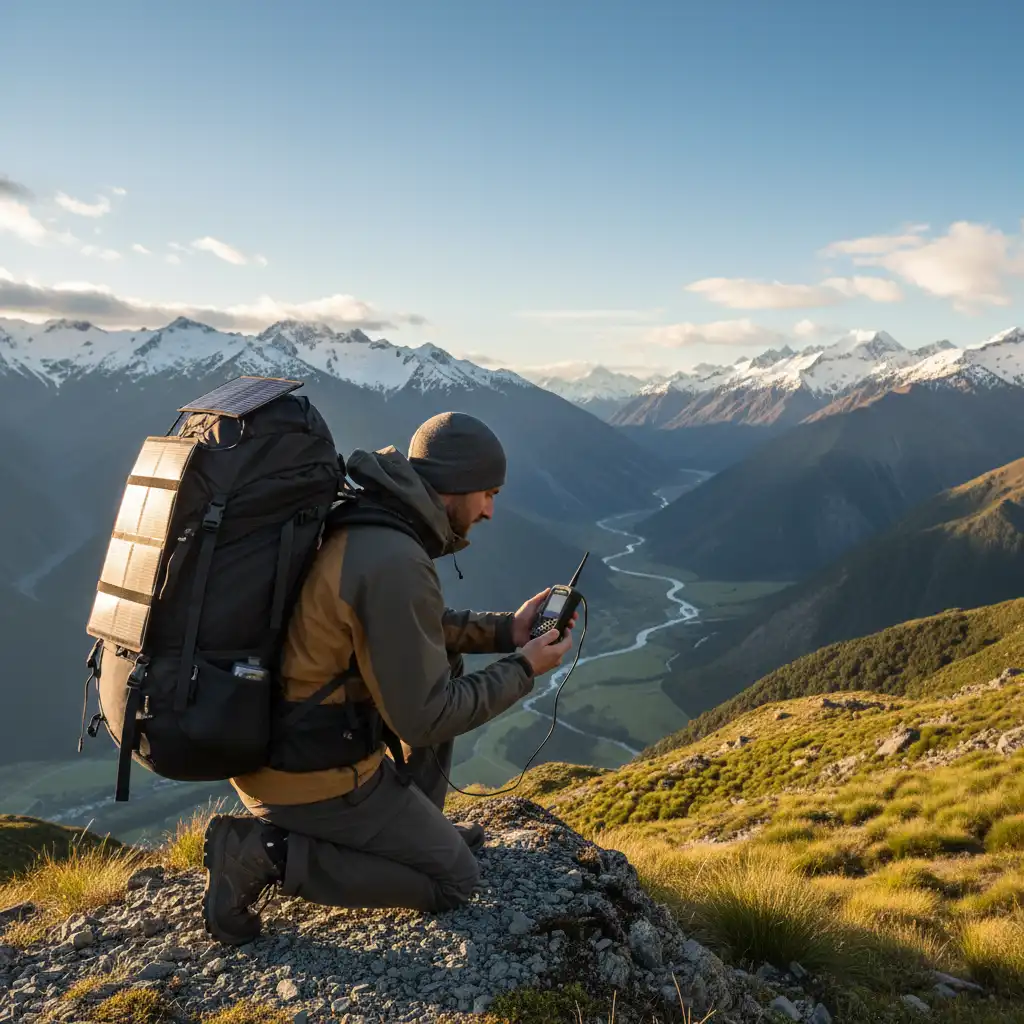
Compact, lightweight, and highly efficient solar panels can now charge phones, GPS devices, and headlamps directly from the sun. These are often integrated into backpacks or fold out for maximum sun exposure. Power banks charged via solar are also a game-changer for extended trips.
- Flexible Solar: Ultra-thin, flexible solar panels can conform to uneven surfaces or roll up for easy packing.
- Hand-Crank/Kinetic Chargers: While less common, these offer a reliable backup in situations where solar isn’t feasible.
Minimizing Waste: From Production to Packaging
The focus on sustainability extends beyond the product itself to its entire lifecycle, including how it’s packaged and what happens at its end of life.
Eco-Conscious Packaging
Brands are moving away from excessive plastic packaging, opting for biodegradable, recycled, or recyclable alternatives. This includes simple cardboard, compostable films, and even ‘naked’ products where packaging is eliminated entirely.
Circular Economy Initiatives
The concept of a circular economy – where products are designed for durability, reuse, repair, and eventual recycling – is gaining traction. Some companies offer take-back programs for old gear, ensuring materials are salvaged and repurposed instead of ending up in landfills. This closed-loop system is a crucial step for truly sustainable hiking and camping gear.
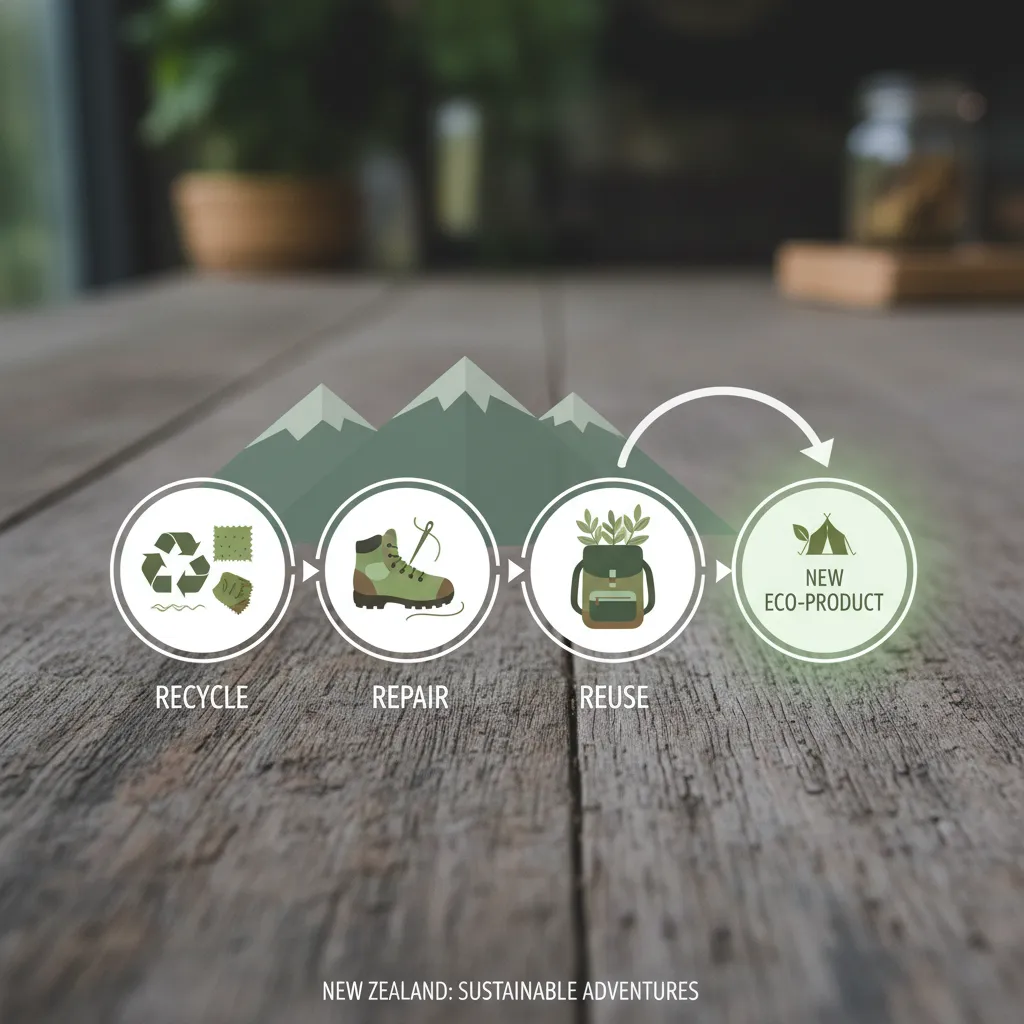
Conclusion: Pioneering a Greener Outdoor Future
The landscape of outdoor adventure is evolving, and with it, the gear we choose. The top eco-friendly innovations in hiking and camping gear are not just incremental improvements; they represent a fundamental shift in how we approach our relationship with nature. From the fabrics that shield us from the elements to the systems that purify our water and power our devices, sustainability is becoming ingrained in every aspect of outdoor equipment.
As consumers, our choices fuel this innovation. By investing in durable, repairable, and sustainably made gear, we not only enhance our own outdoor experiences but also contribute to a healthier planet, preserving the wild beauty of New Zealand and beyond for generations to come. The future of adventure is green, and it’s here now.
Frequently Asked Questions (FAQ)
What makes hiking and camping gear eco-friendly?
Eco-friendly gear is designed and produced with minimal environmental impact throughout its lifecycle. This includes using recycled or bio-based materials, water-saving manufacturing processes, eliminating harmful chemicals (like PFCs), ensuring durability and repairability, and responsible end-of-life solutions (like recycling programs).
Are eco-friendly innovations in hiking and camping gear more expensive?
Often, initial costs for sustainably produced gear can be slightly higher due to research, development, and more ethical supply chains. However, the focus on durability and repairability means these products tend to last longer, offering better value over time. As technology advances and demand grows, prices are becoming more competitive.
How can I identify genuinely sustainable outdoor gear?
Look for certifications from reputable third parties (e.g., Bluesign®, GRS – Global Recycled Standard, Fair Trade Certified™), transparent reporting from brands about their supply chains and environmental commitments, clear labeling of recycled or bio-based content, and information on repair services or take-back programs.
What are PFCs, and why are PFC-free DWR coatings important?
PFCs (per- and polyfluoroalkyl substances) are a group of synthetic chemicals traditionally used in DWR (durable water repellent) coatings on outdoor gear. They are highly persistent in the environment and have been linked to various health concerns. PFC-free DWR coatings use alternative chemistries that provide water repellency without these harmful, long-lasting chemicals, making the gear safer for both users and the planet.
References/Sources
- Textile Exchange. (Ongoing). “Prefered Fiber & Materials Reports.”
- WRAP (Waste & Resources Action Programme). (2012). “Valuing Our Clothes: The true cost of fashion in the UK.”
- European Chemicals Agency (ECHA). (Ongoing). “Per- and polyfluoroalkyl substances (PFAS).”
- Outdoor Industry Association. (Ongoing). “Sustainability & Innovation Initiatives.”