Eco-Friendly Outdoor Gear: Reducing Your Carbon Footprint
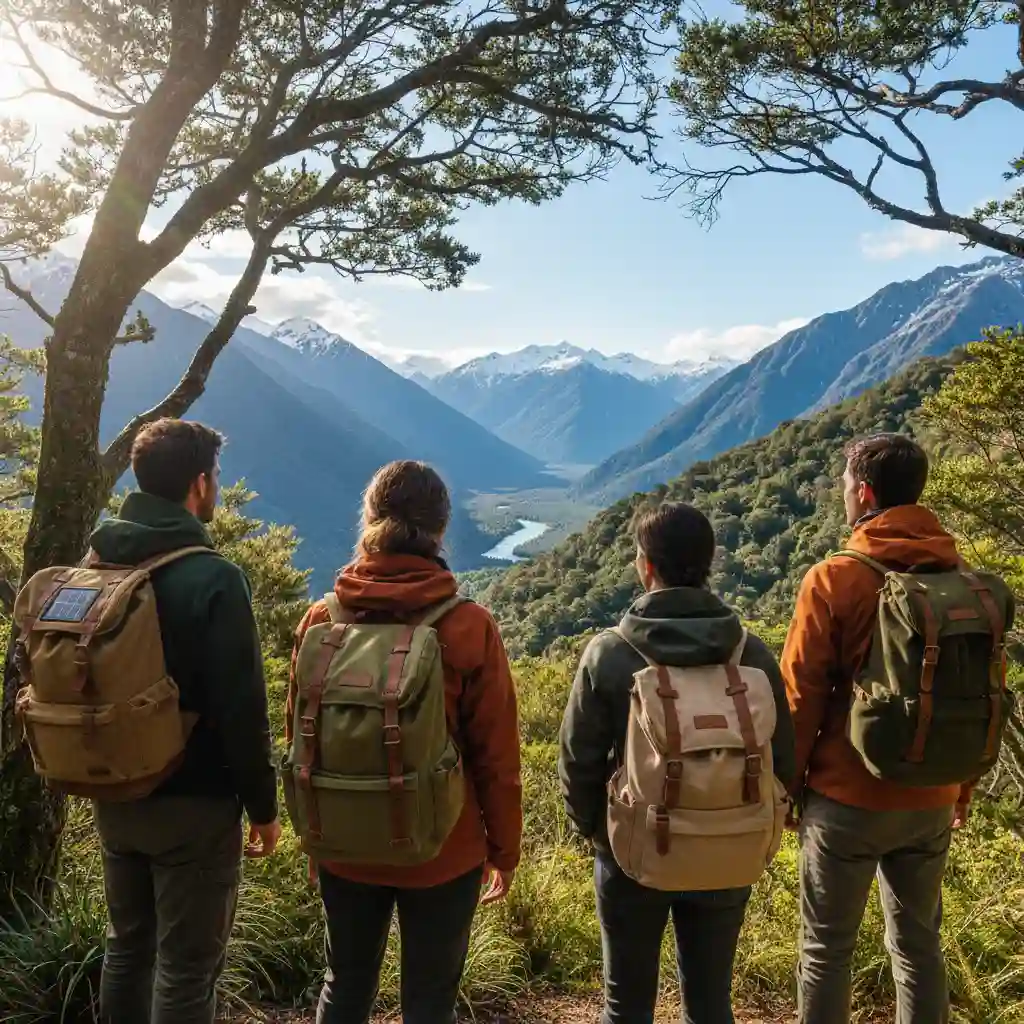
New Zealand’s breathtaking landscapes call to adventurers worldwide. From the pristine beaches of Abel Tasman to the rugged peaks of Fiordland, our natural environment is our greatest treasure. As we answer the call of the wild, a crucial question arises: are our outdoor pursuits truly in harmony with the nature we cherish?
The gear that enables our adventures – jackets, tents, backpacks, and more – often comes with a hidden environmental cost. But what if there was a way to explore more responsibly, to significantly reduce our impact, and to choose products that align with our values? This guide explores the world of eco-friendly outdoor gear, empowering you to make sustainable choices and play your part in reducing your carbon footprint.
2. The Hidden Cost: Environmental Impact of Traditional Gear
For decades, the production of outdoor gear focused primarily on performance and durability, often overlooking the environmental consequences. The lifecycle of a typical piece of outdoor equipment – from raw material extraction to manufacturing, transport, and eventual disposal – can contribute significantly to our planet’s ecological burden.
Consider the petroleum-based fabrics like nylon and polyester, the energy-intensive dyeing processes, or the use of harmful chemicals like per- and polyfluoroalkyl substances (PFAS/PFCs) for waterproofing. These factors contribute to greenhouse gas emissions, water pollution, microplastic release, and landfill waste, directly increasing our collective carbon footprint.

Did You Know?
The global textile industry, a major component of outdoor gear manufacturing, is responsible for up to 10% of global carbon emissions and 20% of industrial water pollution annually. Choosing eco-friendly outdoor gear can significantly mitigate these impacts. (Ellen MacArthur Foundation, 2017)
3. Defining “Eco-Friendly”: More Than Just a Buzzword
The term “eco-friendly” can feel broad, but when applied to outdoor gear, it encompasses specific, measurable criteria. It’s about a holistic approach to sustainability, considering the product’s entire lifecycle.
Sustainable Materials
At the core of green gear are the materials used. Sustainable options dramatically reduce the environmental toll:
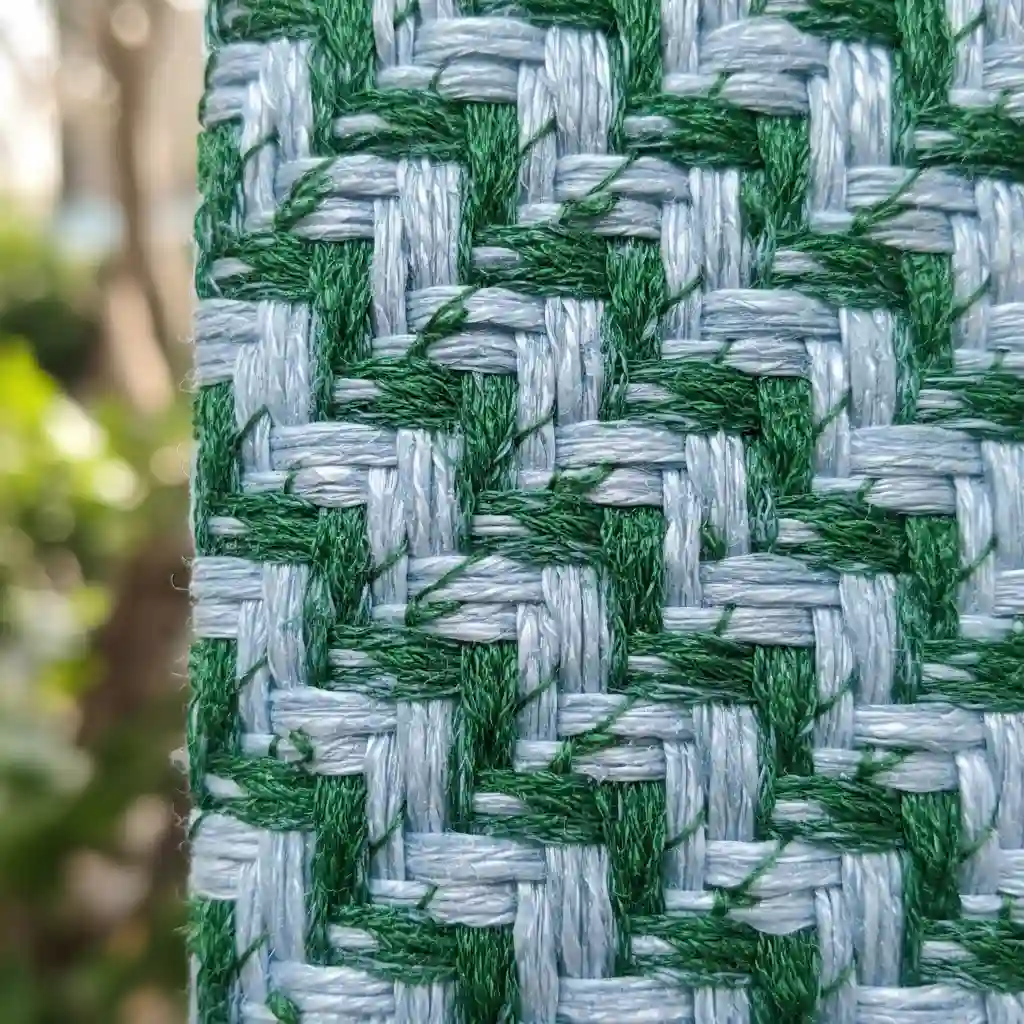
- Recycled Content: Fabrics like rPET (recycled polyethylene terephthalate, often from plastic bottles) and recycled nylon divert waste from landfills and reduce reliance on virgin fossil fuels.
- Organic & Natural Fibres: Materials such as organic cotton, hemp, and responsibly sourced merino wool offer biodegradable alternatives, often requiring less water and fewer pesticides than conventional crops.
- Bio-based Materials: Innovative new materials derived from plant sources are emerging, offering performance with a lower environmental footprint.
- PFC-Free DWR Coatings: Durable Water Repellent (DWR) treatments without harmful per- and polyfluoroalkyl substances (PFCs), which are persistent environmental pollutants. Look for brands committed to phasing out PFCs.
Ethical Manufacturing & Supply Chains
Sustainability extends beyond raw materials to how products are made. This includes fair labour practices, safe working conditions, reduced water and energy consumption in factories, and minimising waste throughout the production process. Certifications like bluesign® ensure responsible chemical management and resource efficiency in textile manufacturing. (Bluesign Technologies)
Durability & Repairability
The most sustainable gear is the gear you already own. Longevity is key to reducing your carbon footprint. Eco-friendly outdoor gear is designed for durability, built to withstand years of adventures. Brands committed to sustainability often offer robust warranties, repair services, or provide resources to help you fix your gear yourself, extending its lifespan and keeping it out of landfills.
4. Exploring Key Eco-Friendly Outdoor Gear Categories
Virtually every type of outdoor gear now has a more sustainable counterpart. Here’s a look at common categories and what to seek out:
Apparel & Footwear
- Jackets & Pants: Look for shells made from recycled polyester or nylon, PFC-free DWR, and insulation from recycled synthetics or ethically sourced down.
- Base Layers: Organic cotton, merino wool (ensuring non-mulesed sourcing), or Tencel (lyocell) are excellent, breathable, and natural choices.
- Footwear: Brands are incorporating recycled rubber soles, recycled mesh uppers, and non-toxic adhesives. Consider repairable boots to extend their life.
Backpacks & Shelters
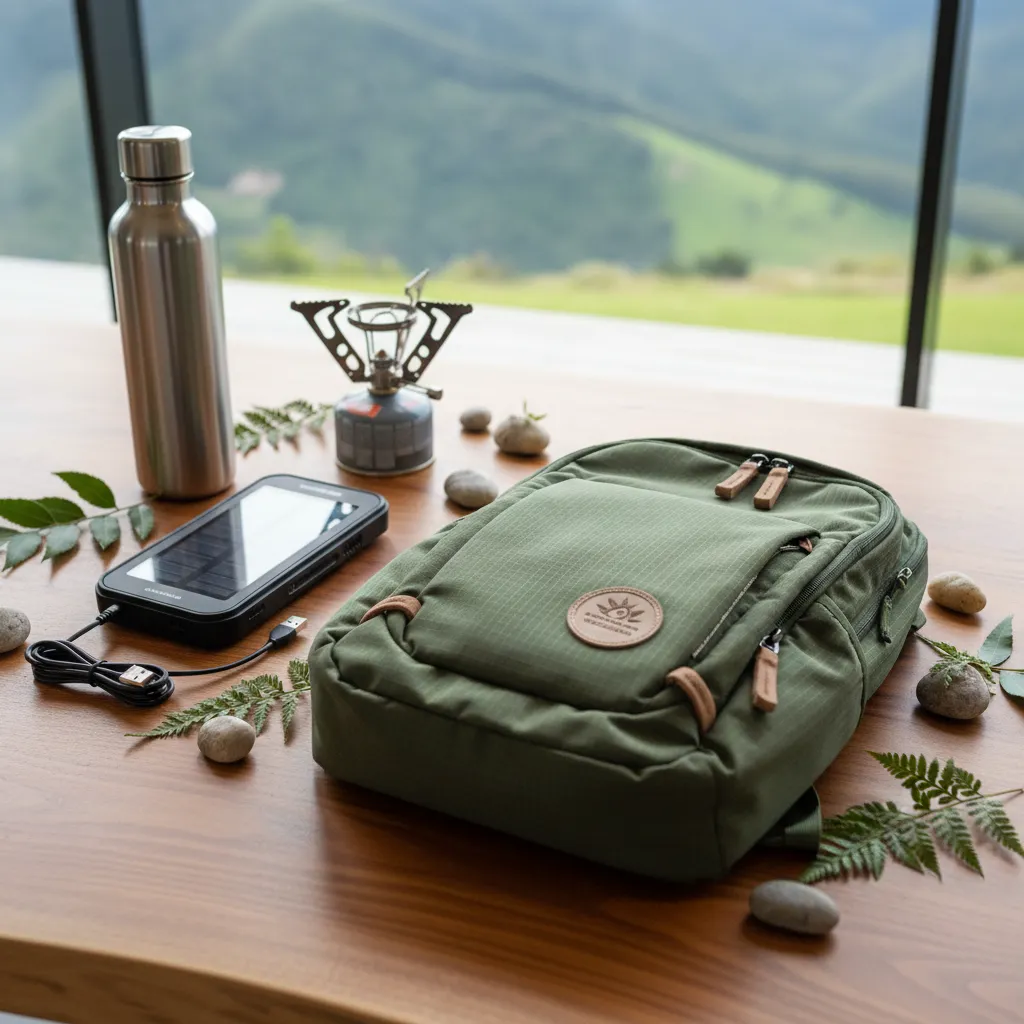
- Backpacks: Many feature main fabrics, linings, and even buckles made from recycled content. Seek durable designs that can be patched and repaired.
- Tents & Sleeping Bags: Options now include recycled tent fabrics, poles made from renewable materials, and sleeping bags filled with recycled synthetics or responsibly sourced natural fibres.
Accessories & Essentials
- Water Bottles & Filters: Reusable stainless steel or BPA-free plastic bottles are a must. Portable water filters reduce reliance on bottled water.
- Cookware: Durable, lightweight stainless steel or titanium sets are long-lasting. Consider compact, efficient stoves that minimise fuel consumption.
- Headlamps: Choose rechargeable models over disposable batteries to minimise waste.
Positive Impact Snapshot
Using a reusable water bottle for just one year can prevent hundreds of single-use plastic bottles from entering landfills and oceans, significantly reducing your carbon footprint associated with bottled water production and transport.
5. Making Informed Choices: Your Eco-Friendly Gear Action Checklist
Choosing eco-friendly outdoor gear is an active process. Use this checklist to guide your decisions and ensure your adventures leave a lighter footprint:
Action Checklist for Green Gear
6. Beyond the Purchase: Extending Life & Responsible Disposal
Your journey towards a lighter footprint doesn’t end at the checkout. How you care for and eventually dispose of your gear plays a significant role in reducing your carbon footprint.
- Proper Care & Maintenance: Follow manufacturer instructions for cleaning and storage. Proper washing of technical fabrics, for instance, not only maintains performance but also extends the garment’s life.
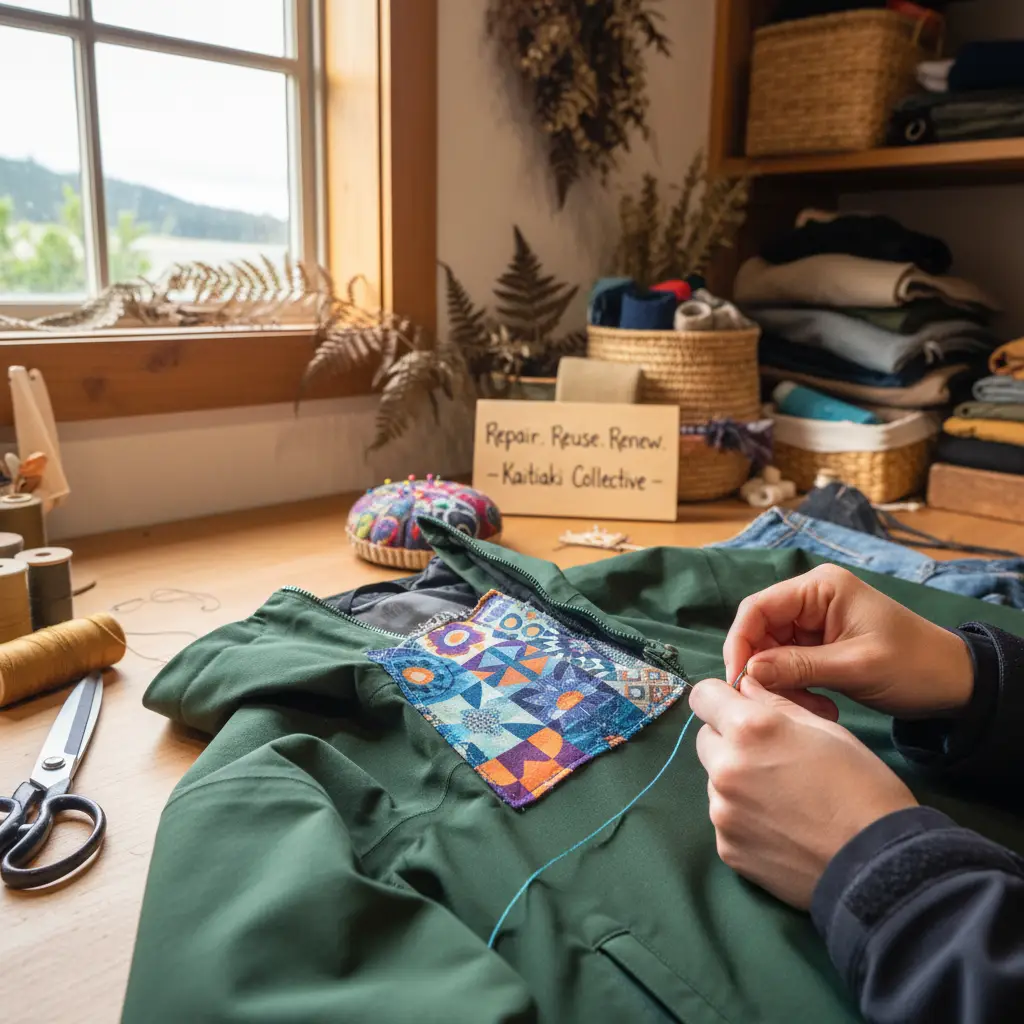
- Repair, Don’t Replace: A small tear doesn’t mean the end of a jacket. Learn basic repairs (e.g., patching, seam sealing) or utilise professional repair services offered by many outdoor brands or local cobblers/seamstresses.
- Donate or Resell: If your gear is still functional but no longer serves your needs, give it a second life. Donate to charities, sell it online, or pass it on to friends.
- Recycle Responsibly: When gear truly reaches the end of its useful life, research specialised textile or material recycling programs in your area. Many outdoor retailers now offer take-back schemes for items like jackets, footwear, or even climbing ropes.
7. Embrace the Green Trail
Choosing eco-friendly outdoor gear is a powerful step towards aligning your love for nature with your consumer choices. It’s an investment in durable, ethically produced equipment that actively helps in reducing your carbon footprint and protecting the stunning environments we love to explore.
As residents of Aotearoa New Zealand, we have a unique responsibility to protect our precious land and waters. By consciously opting for sustainable outdoor equipment, we not only make a positive environmental impact but also inspire others to join us on the green trail. Let’s make every adventure a testament to our commitment to a healthier planet.
“Every adventure leaves a trace. Make yours a green one.”
8. Frequently Asked Questions (FAQ)
What does “eco-friendly outdoor gear” really mean?
It refers to outdoor equipment and apparel designed, manufactured, and distributed with minimal environmental impact. This includes using sustainable materials, ethical production practices, and focusing on durability and recyclability to reduce waste and carbon footprint throughout its lifecycle.
Is eco-friendly gear as durable as traditional gear?
Absolutely! Many eco-friendly brands are at the forefront of innovation, developing materials and designs that are not only sustainable but also highly durable and performance-driven. In fact, a key tenet of sustainability is making products that last longer to reduce the need for frequent replacement.
How can I find truly sustainable brands?
Look for brands that are transparent about their supply chains, use certified materials (e.g., bluesign®, GOTS), hold ethical labour certifications (e.g., Fair Trade), or are certified B Corporations. Reading reviews and checking their sustainability reports can also provide valuable insights.
Is eco-friendly outdoor gear more expensive?
While some specialized sustainable products might have a slightly higher upfront cost due to premium materials or ethical production, their longevity often makes them a more cost-effective choice in the long run. Moreover, the environmental benefits far outweigh any potential price difference, making it an investment in our planet.
What’s the most important step I can take to reduce my gear’s carbon footprint?
The most impactful step is to extend the life of your existing gear. Repairing, maintaining, and properly caring for your outdoor equipment significantly reduces the need for new purchases, thereby lowering demand for new production and its associated environmental costs. When you do buy new, choose wisely!
9. References/Sources
- Ellen MacArthur Foundation. (2017). A New Textiles Economy: Redesigning fashion’s future.
- European Environment Agency. (2019). Textiles in Europe’s circular economy.
- Bluesign Technologies. About bluesign® SYSTEM.
- The Outdoor Industry Association. Sustainability in the Outdoor Industry.
- New Zealand Ministry for the Environment. Waste Reduction Initiatives.