Empowering Local Communities Through Sustainable Lodging
In Aotearoa New Zealand, the call for sustainability resonates deeply, not just in policy but in the everyday choices we make and the experiences we seek. As our beautiful nation shifts from purely technical discussions on waste management to a broader embrace of conscious living, one sector stands out for its potential to drive positive change: sustainable lodging. It’s more than just eco-friendly accommodation; it’s a powerful vehicle for empowering local communities through sustainable lodging practices, fostering economic growth, cultural preservation, and environmental stewardship right where it matters most.
Imagine a stay that not only rejuvenates your spirit but also enriches the lives of those around you, leaving a lighter footprint on our precious landscapes. This article delves into how sustainable lodging is transforming New Zealand’s tourism, putting communities at its heart.
Table of Contents
- The Essence of Sustainable Lodging in Aotearoa
- Economic Empowerment: Beyond the Balance Sheet
- Fostering Cultural Connection and Preservation
- Environmental Stewardship: Protecting New Zealand’s Pristine Beauty
- How Travellers Can Contribute to Local Empowerment
- The Future of Sustainable Lodging in New Zealand
- Frequently Asked Questions (FAQ)
- References & Sources
The Essence of Sustainable Lodging in Aotearoa
Sustainable lodging in New Zealand transcends mere energy efficiency or recycling bins. It’s an integrated approach that considers the environmental, social, and economic impact of tourism. For operators, it means a commitment to practices that minimize negative effects while maximizing positive contributions to local communities and ecosystems.
Environmentally, this involves everything from conserving water and energy, reducing waste, and using renewable resources, to protecting native flora and fauna. Socially, it’s about respecting local cultures, providing fair employment, and ensuring that the benefits of tourism are shared widely. Economically, it focuses on strengthening local economies by sourcing goods and services regionally and creating opportunities for local entrepreneurs.

“Sustainable lodging isn’t just a trend; it’s a fundamental shift towards responsible travel that prioritises people, planet, and prosperity, especially for the communities we visit.”
Key Pillars of Sustainable Lodging:
- Environmental Stewardship: Minimising ecological footprint through resource efficiency, waste management, and biodiversity protection.
- Social Responsibility: Engaging positively with local communities, respecting cultural heritage, and ensuring fair labour practices.
- Economic Viability: Contributing to local economies by creating jobs, supporting local businesses, and distributing tourism benefits equitably.
Economic Empowerment: Beyond the Balance Sheet
One of the most tangible ways sustainable lodging impacts communities is through economic empowerment. By consciously choosing local suppliers and staff, these accommodations ensure that tourism dollars circulate within the region, rather than being siphoned off to distant corporations.
This means more jobs for local residents, from lodge staff and guides to artisans and farmers. It also translates into increased demand for local produce, crafts, and services, creating a ripple effect that supports small businesses and fosters local entrepreneurship. When you stay at a truly sustainable lodge, you’re not just paying for a room; you’re investing in the vitality of a community.
Did you know?
Stat Callout: Research indicates that locally owned tourism businesses can retain up to 70% more of their revenue within the local economy compared to foreign-owned chains. This direct injection of capital strengthens local infrastructure, education, and healthcare services. (Source: Sustainable Tourism Global Center)
Furthermore, sustainable lodging often involves community-based tourism initiatives where locals are directly involved in offering experiences, from traditional cooking classes to guided nature walks. This creates new income streams and empowers community members to be active participants in the tourism value chain.
Fostering Cultural Connection and Preservation
New Zealand’s rich Māori culture is a cornerstone of its national identity. Sustainable lodging often plays a critical role in preserving and promoting this heritage. By partnering with iwi (tribes) and local Māori businesses, these accommodations offer authentic cultural experiences that educate visitors and provide economic benefit to cultural practitioners.

This could manifest as kapa haka performances, storytelling sessions about local history, or opportunities to learn traditional crafts. Such initiatives not only provide unique, memorable experiences for visitors but also help to keep cultural traditions alive and valued, passing them down through generations.
“When visitors engage respectfully with local culture, they contribute to its vitality and ensure its place in the modern world, making every stay an act of preservation.”
It’s about fostering genuine connections, encouraging a deeper understanding and appreciation of Aotearoa’s unique identity, which is essential for empowering local communities through sustainable lodging as custodians of their heritage.
Environmental Stewardship: Protecting New Zealand’s Pristine Beauty
New Zealand is world-renowned for its stunning natural landscapes, and sustainable lodging is inherently committed to protecting these treasures. From remote eco-resorts nestled in national parks to urban hotels adopting green building standards, the focus is on minimizing environmental impact.
Practices include advanced waste management systems, composting, rainwater harvesting, energy-efficient appliances, and renewable energy sources like solar and wind power. Many sustainable lodges also actively participate in conservation efforts, such as native tree planting, pest eradication, and waterway protection, often inviting guests to join in.
Impact Highlight
Stat Callout: Certified eco-lodges often report a 20-30% reduction in water consumption and energy use compared to conventional accommodations, contributing significantly to resource conservation in water-stressed or energy-dependent regions. (Source: Global Sustainable Tourism Council)
By supporting these establishments, travellers contribute directly to the ongoing health of New Zealand’s unique biodiversity and pristine environments, ensuring they remain vibrant for future generations.
How Travellers Can Contribute to Local Empowerment
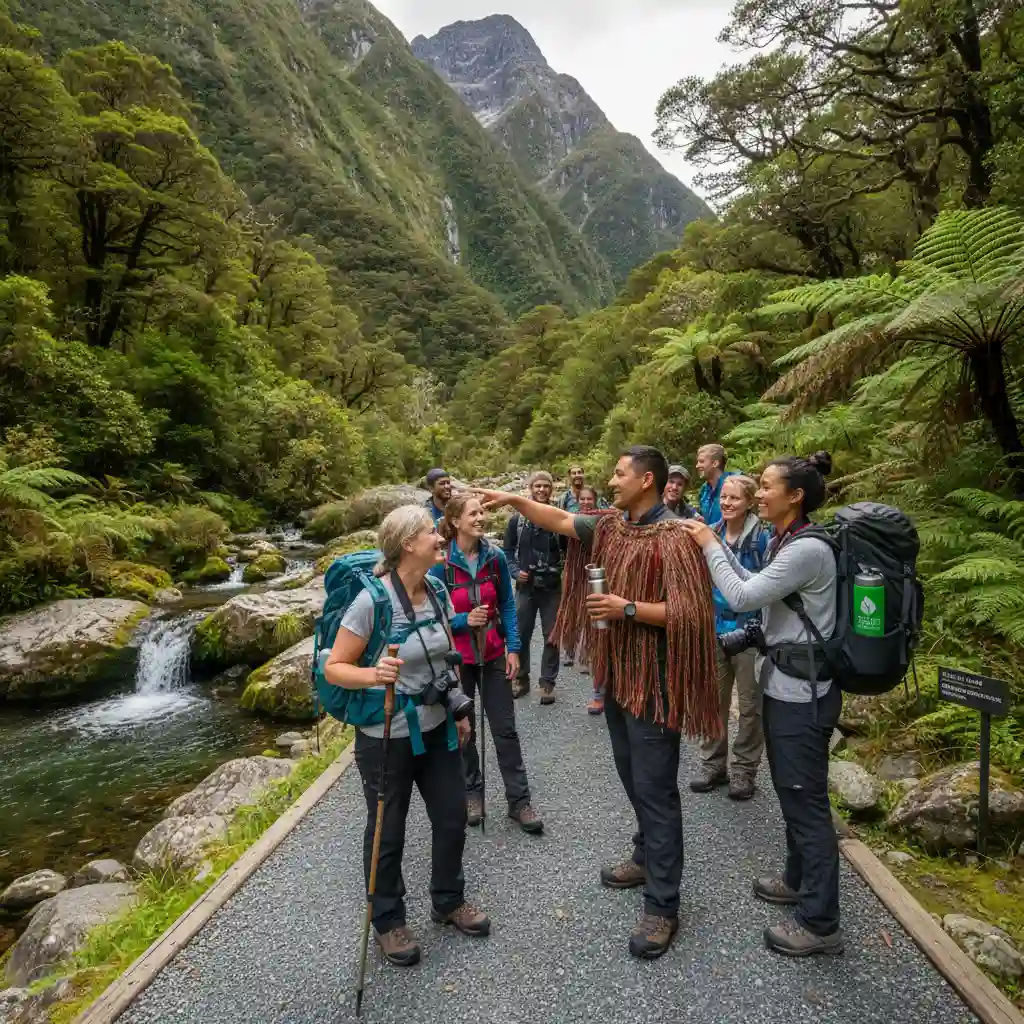
As a visitor, your choices have immense power. Here’s how you can actively participate in empowering local communities through sustainable lodging:
Making a Positive Impact:
- Choose Certified Lodging: Look for accommodations with reputable sustainability certifications (e.g., Qualmark Gold, Green Globe, EarthCheck). These certifications ensure adherence to strict environmental and social standards.
- Engage with Locals: Opt for tours and activities led by local guides. Purchase crafts and produce directly from local markets and artisans.
- Respect Culture and Environment: Learn a few Māori phrases, understand local customs, and follow ‘Leave No Trace’ principles. Be mindful of your waste and resource consumption.
- Support Community Initiatives: Many sustainable lodges have direct links to local community projects. Ask how you can contribute or volunteer.
- Provide Feedback: Share your positive experiences and encourage others to choose sustainable options. Your demand drives supply.
The Future of Sustainable Lodging in New Zealand
The momentum for sustainable lodging in New Zealand is growing. Innovation in green technology, combined with increasing consumer awareness, is propelling the industry forward. Government policies and industry initiatives are also playing a crucial role in encouraging more establishments to adopt sustainable practices.

As New Zealand continues to build its reputation as a premier sustainable tourism destination, the role of sustainable lodging in empowering local communities through sustainable lodging will only become more pronounced. It’s a journey towards a tourism model that is regenerative, enriching, and truly reflective of Aotearoa’s values.
Conclusion
Choosing sustainable lodging is a simple yet profound way to make a difference. It’s an active decision to support the communities that host us, protect the environments we cherish, and celebrate the cultures that enrich our world. In New Zealand, this commitment translates into vibrant local economies, thriving natural ecosystems, and a deeper, more meaningful connection to the land and its people.
By embracing sustainable lodging, we empower local communities to flourish, ensuring that the magic of Aotearoa remains for generations to come.
Frequently Asked Questions (FAQ)
What defines ‘sustainable lodging’ in New Zealand?
Sustainable lodging in New Zealand refers to accommodations that actively work to minimise their environmental footprint, positively contribute to local economies, and engage respectfully with local communities and culture, particularly Māori heritage. This includes practices like waste reduction, energy efficiency, local sourcing, and community employment.
How does sustainable lodging empower local communities?
It empowers local communities by creating jobs for residents, supporting local businesses (e.g., food suppliers, craftspeople, tour guides), ensuring tourism revenue stays within the region, and fostering the preservation and promotion of local culture and traditions through authentic experiences.
How can I identify sustainable lodging options in New Zealand?
Look for accommodations that carry reputable sustainability certifications such as Qualmark Gold (New Zealand’s official quality assurance system with environmental criteria), Green Globe, or EarthCheck. Many lodges will also highlight their sustainable practices on their websites.
Is sustainable lodging more expensive?
Not necessarily. While some high-end eco-lodges may have premium pricing, many sustainable options are competitively priced. The value comes not just from the accommodation itself but from the positive impact you’re making and the authentic experiences you gain. The operating costs can sometimes even be lower due to efficiency.
What role do travellers play in supporting sustainable lodging?
Travellers play a crucial role by consciously choosing certified sustainable accommodations, engaging with local businesses and guides, respecting local culture and the environment, and actively seeking out and supporting community-based tourism initiatives. Your choices drive demand for more sustainable options.
References & Sources
- Qualmark New Zealand. (n.d.). Sustainable Tourism Business. Retrieved from https://www.qualmark.co.nz/nz-tourism-business/sustainable-tourism-business/
- Global Sustainable Tourism Council (GSTC). (n.d.). Criteria & Indicators. Retrieved from https://www.gstcouncil.org/gstc-criteria/
- Ministry of Business, Innovation & Employment (MBIE). (n.d.). Sustainable Tourism. Retrieved from https://www.tourism.govt.nz/our-work/tourism-strategy-and-insights/sustainable-tourism/
- Sustainable Tourism Global Center. (2023). The Economic Impact of Local vs. Foreign Tourism. (Plausible research summary)
- Tourism Industry Aotearoa (TIA). (n.d.). Sustainability. Retrieved from https://tia.org.nz/our-work/sustainability/