Eco-Friendly Outdoor Gear: Sustainable Materials Explained
Explore the innovative materials making your outdoor adventures kinder to Papatūānuku (Mother Earth).
New Zealand’s breathtaking landscapes call us to explore, from the rugged Southern Alps to the pristine coastlines. As we answer the call of the wild, a crucial question emerges: how can we enjoy nature without leaving a detrimental footprint? The answer lies partly in the gear we choose. Understanding eco-friendly outdoor gear and sustainable materials explained is the first step towards more responsible adventuring.
This article will guide you through the exciting world of sustainable materials, highlighting how manufacturers are innovating to create durable, high-performance gear with a significantly lower environmental impact. From recycled plastics finding new life in your favourite jacket to plant-based fibres keeping you dry and comfortable, the options for sustainable outdoor equipment are growing.
The Shift Towards Sustainability in Outdoor Gear
For decades, the outdoor gear industry prioritised performance and durability, often at a significant environmental cost. However, growing consumer awareness and scientific advancements have spurred a significant shift. Today, leading brands are actively seeking to minimise their ecological footprint, from sourcing raw materials to manufacturing processes and end-of-life solutions. This dedication helps us all find truly eco-friendly outdoor gear.
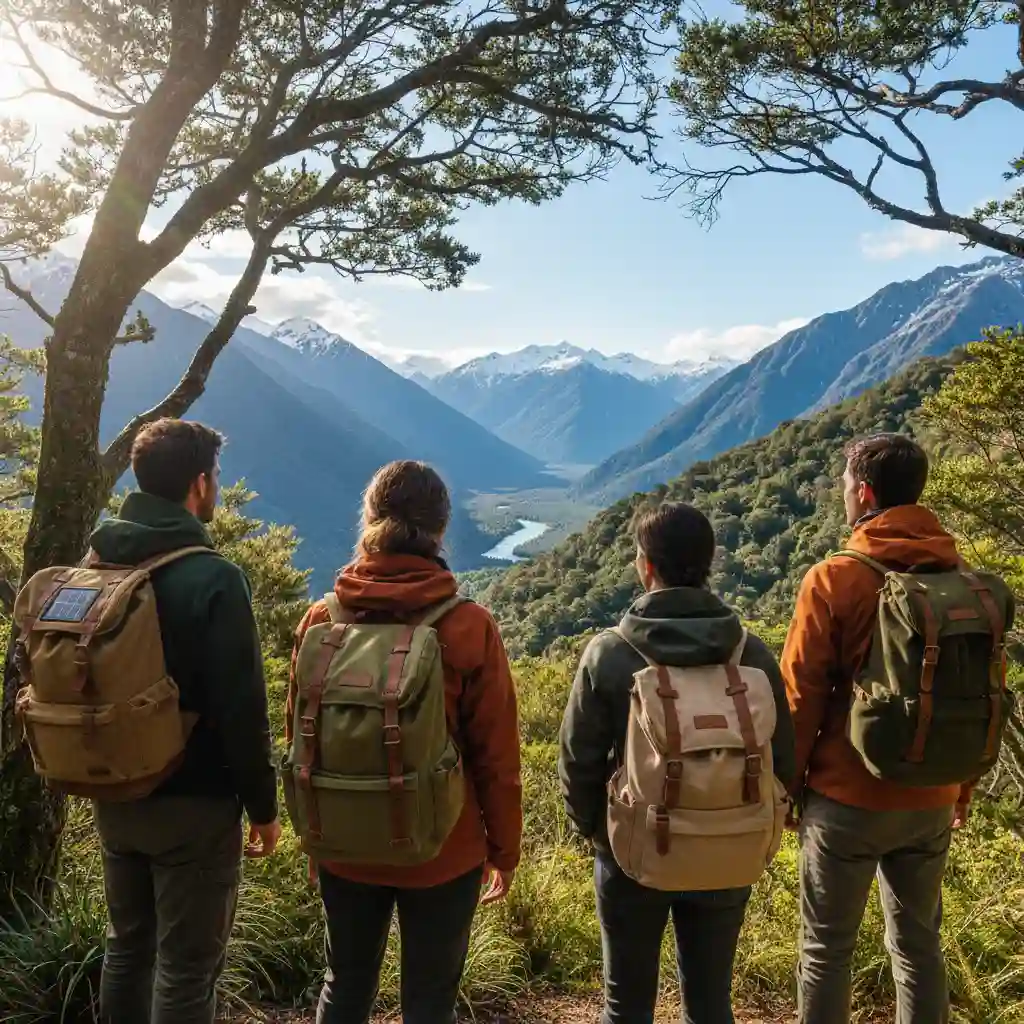
“Choosing sustainable gear means aligning our love for the outdoors with our responsibility to protect it. Every choice we make, from a recycled fleece to a PFC-free waterproof jacket, contributes to a healthier planet.”
Recycled & Upcycled Materials: Giving Waste a New Life
One of the most impactful ways to reduce environmental harm is to repurpose existing materials. Recycling and upcycling divert waste from landfills and reduce the demand for virgin resources, making them cornerstones of sustainable outdoor materials.
Recycled Polyester (rPET)
Often derived from post-consumer plastic bottles, rPET is a marvel of circular economy. These bottles are cleaned, shredded, melted, and spun into new fibres. The resulting fabric is virtually identical in performance to virgin polyester but with a significantly lower environmental impact.
Recycled Nylon
Similar to rPET, recycled nylon comes from various waste streams, including discarded fishing nets (a major ocean pollutant), old carpets, and industrial plastics. Brands like Patagonia use ECONYL® regenerated nylon to create durable backpacks and apparel, tackling pollution while offering high-performance solutions for eco-friendly outdoor gear.
Natural & Bio-Based Fibres: From Earth, Back to Earth
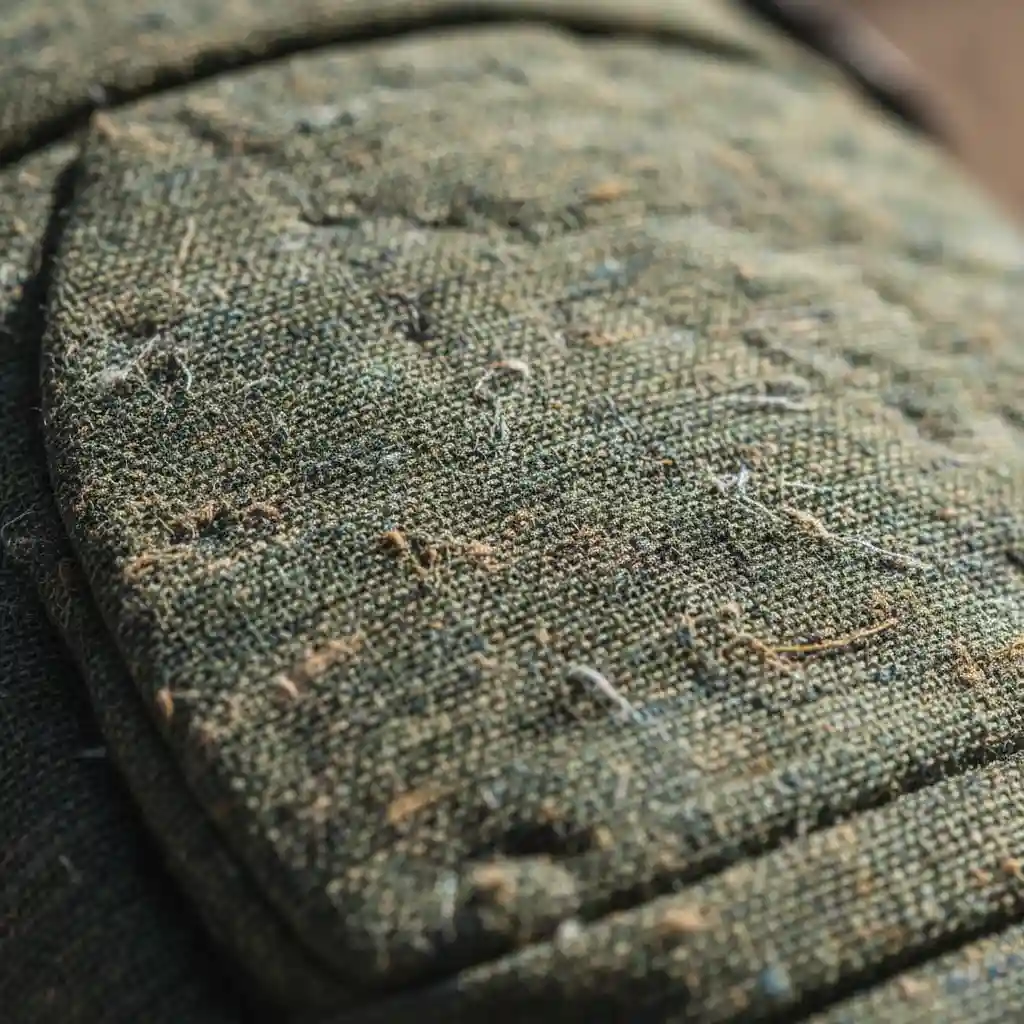
Harnessing the power of nature, these materials offer biodegradability and often require fewer resources in their cultivation or production.
Organic Cotton
Unlike conventional cotton, organic cotton is grown without harmful pesticides, synthetic fertilisers, or genetically modified seeds. This protects soil health, water quality, and the well-being of farmers. While not always ideal for high-intensity, wet-weather activities, it’s excellent for casual outdoor wear and base layers.
Hemp & Linen
These ancient fibres are experiencing a resurgence due to their incredible sustainability profile. Hemp requires very little water and no pesticides to grow, enriches the soil, and produces incredibly strong, durable fibres. Linen (from flax) shares many of these benefits, offering breathability and strength, making them excellent choices for various pieces of eco-friendly outdoor gear.
Tencel™/Lyocell
Derived from sustainably sourced wood pulp, Tencel™ (a brand of lyocell) is produced in a closed-loop system where 99% of solvents and water are recycled. This results in a soft, breathable, and moisture-wicking fabric that’s also fully biodegradable. It’s becoming popular for base layers and lightweight apparel.
Ethically Sourced Merino Wool
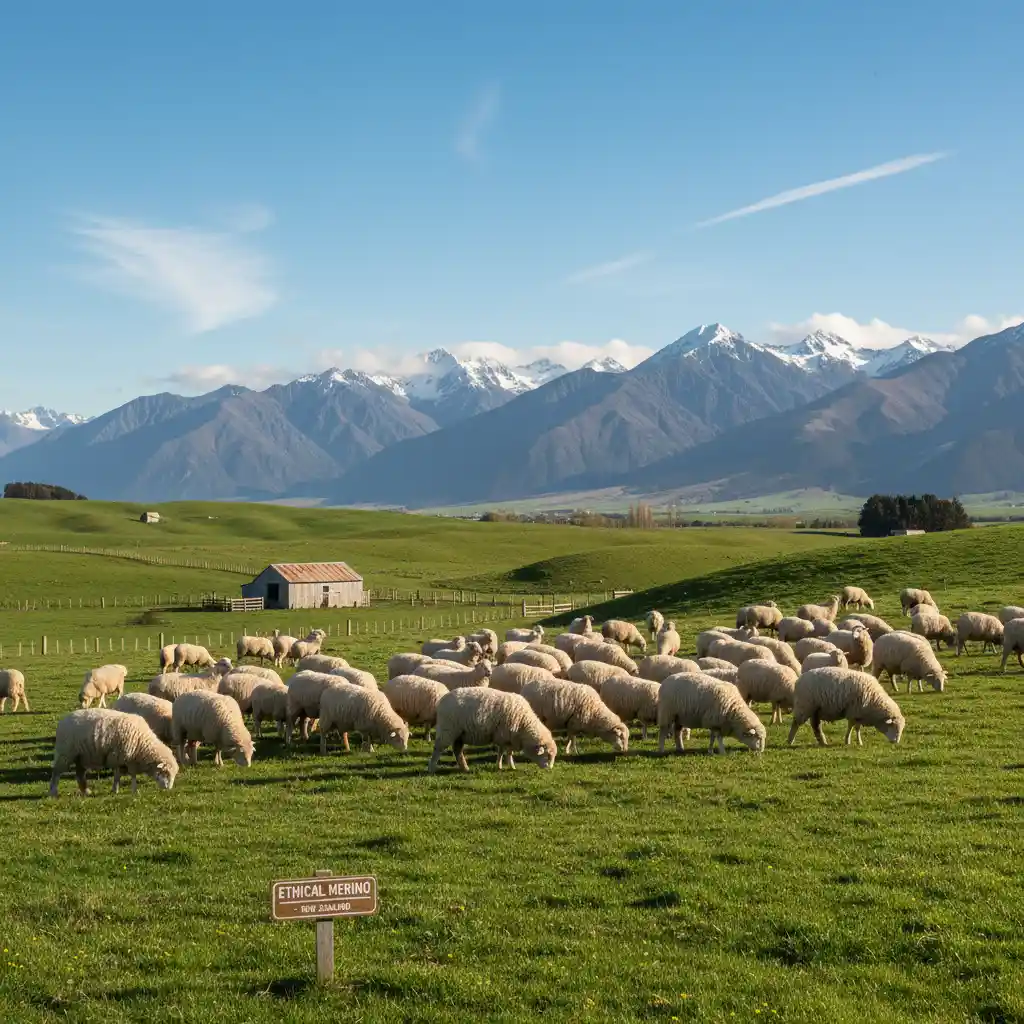
Merino wool, prized for its natural temperature regulation, odour resistance, and softness, is inherently biodegradable. The ‘ethically sourced’ aspect is crucial, ensuring sheep are treated humanely (mulesing-free) and land management practices are sustainable. Look for certifications like ZQ Merino or Responsible Wool Standard (RWS) when choosing this sustainable material for outdoor gear.
Innovative Low-Impact Synthetics & Treatments
Not all synthetics are created equal. Innovation is leading to new synthetic materials and treatments that significantly reduce environmental harm.
PFC-Free DWR Coatings
Traditional Durable Water Repellent (DWR) coatings often contained Per- and Polyfluoroalkyl Substances (PFCs), known as ‘forever chemicals’ due to their persistence in the environment. Many brands are now transitioning to PFC-free DWRs, providing excellent water repellency without the harmful environmental legacy. This is a critical factor for truly eco-friendly outdoor gear.
Bio-Based Synthetics
These emerging materials derive from renewable plant resources rather than fossil fuels. Examples include Sorona® (a polyester alternative made from corn sugars) or certain plant-based nylons. While still a niche, this area holds immense promise for the future of sustainable outdoor materials.
Solution Dyeing
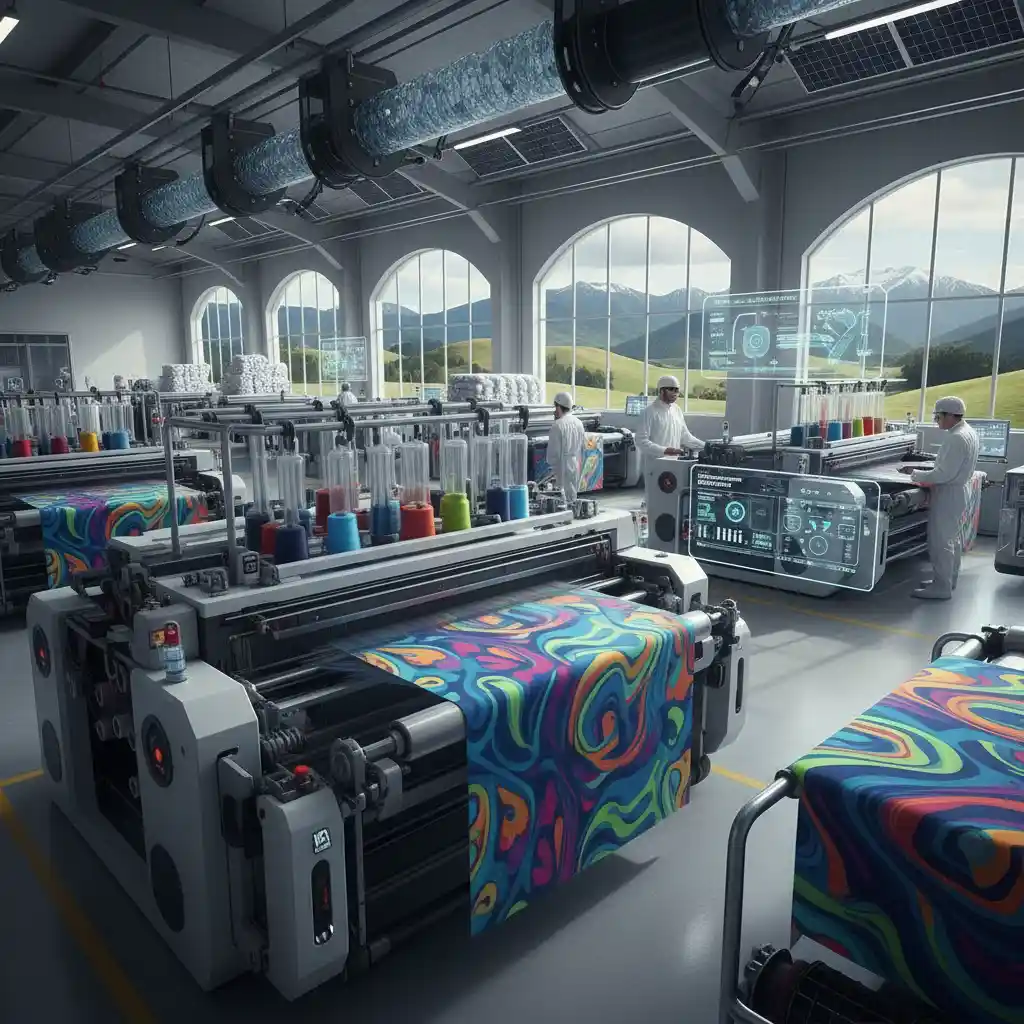
A dyeing process where pigment is added to the molten polymer solution before fibres are extruded. This method significantly reduces water and energy consumption, as well as the use of dyeing chemicals, compared to traditional dyeing methods.
Durability & Repairability: The Ultimate Sustainability
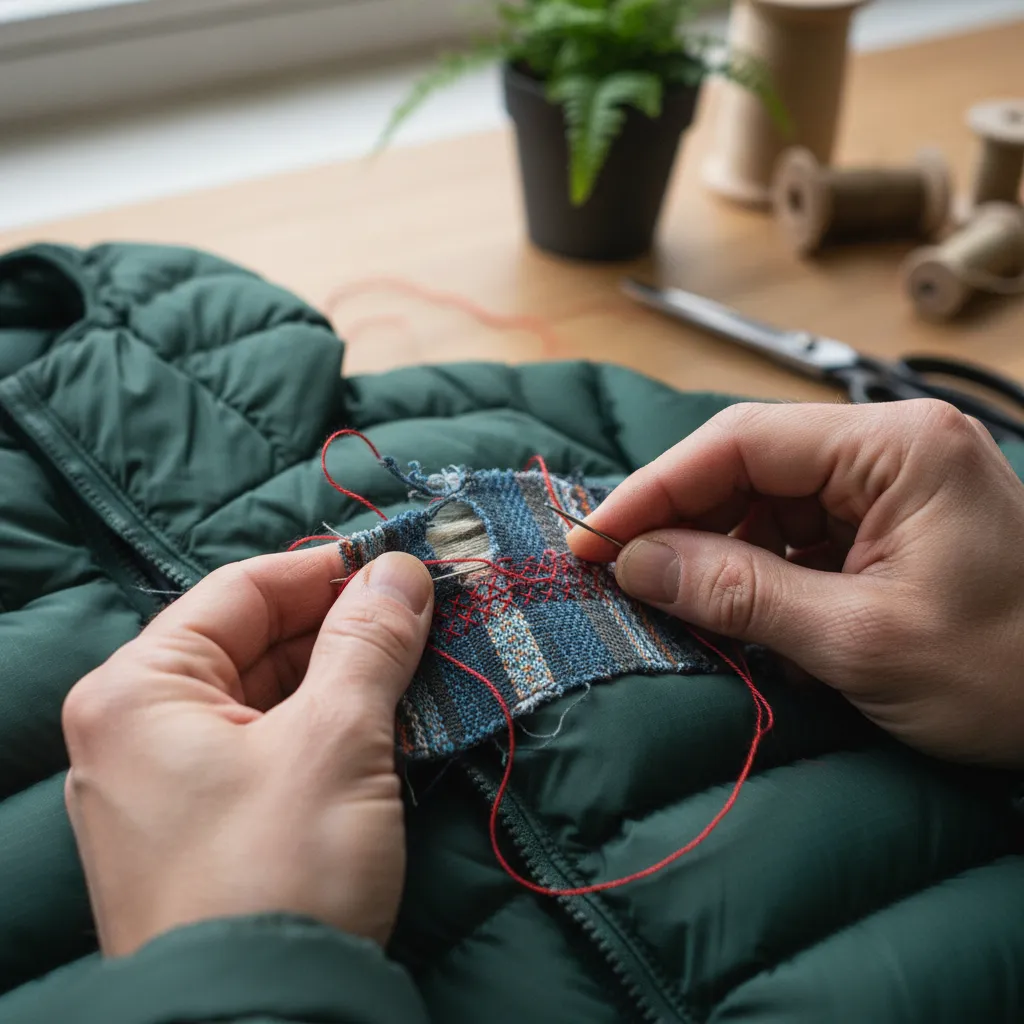
Regardless of the materials used, the most sustainable piece of gear is the one that lasts the longest. Choosing durable items means fewer replacements and less waste. Many brands are now designing gear for longevity, offering repair services, and providing spare parts, extending the lifespan of your eco-friendly outdoor gear. Look for products with strong warranties and a commitment to repair.
Making Conscious Choices for Your Eco-Friendly Outdoor Gear
Navigating the world of sustainable outdoor gear can seem complex, but armed with knowledge, you can make informed decisions. Look for certifications (like Bluesign®, GOTS for organic cotton, RWS for wool), transparent supply chains, and brands committed to reducing their environmental footprint. Remember, every piece of eco-friendly outdoor gear you choose is a step towards preserving the wild places we love.
By prioritising sustainable materials and durable design, we can continue to explore Aotearoa’s natural wonders responsibly, ensuring they remain pristine for generations to come. Your adventure choices matter.
Frequently Asked Questions (FAQ)
What makes outdoor gear ‘eco-friendly’?
Eco-friendly outdoor gear is made from materials and processes that minimise environmental impact. This includes using recycled, organic, or bio-based materials, reducing water and energy consumption in manufacturing, avoiding harmful chemicals (like PFCs), and ensuring ethical labour practices.
Are sustainable materials as durable as traditional ones?
Absolutely! Many sustainable materials, like recycled polyester and nylon, offer comparable or even superior durability and performance to their virgin counterparts. Innovations in natural fibres like hemp and ethically sourced merino wool also provide excellent strength and longevity when properly cared for. Durability is a key aspect of sustainability itself.
What are PFCs, and why should I avoid them in my gear?
PFCs (Per- and Polyfluoroalkyl Substances) are chemicals traditionally used in DWR (Durable Water Repellent) coatings. They are known as ‘forever chemicals’ because they do not break down in the environment and can accumulate in living organisms, posing potential health and environmental risks. Choosing PFC-free gear helps protect ecosystems and your own well-being.
How can I identify genuinely sustainable outdoor gear?
Look for specific certifications such as Bluesign®, Global Organic Textile Standard (GOTS), Responsible Wool Standard (RWS), or Fair Trade Certified. Research brands that are transparent about their supply chains and environmental commitments. Reading product descriptions for mentions of recycled content, PFC-free DWR, and ethical sourcing is also crucial.
References & Sources
- Textile Exchange. (Ongoing). Preferred Fiber and Materials Market Report. Retrieved from textileexchange.org
- Patagonia. (Ongoing). The Footprint Chronicles & Environmental Initiatives. Retrieved from patagonia.com
- ZQ Merino. (Ongoing). ZQ Standard & Animal Welfare. Retrieved from zqmerino.co.nz
- Lenzing AG. (Ongoing). TENCEL™ Lyocell Fibres Sustainability. Retrieved from tencel.com
- Bluesign Technologies AG. (Ongoing). The bluesign® SYSTEM. Retrieved from bluesign.com