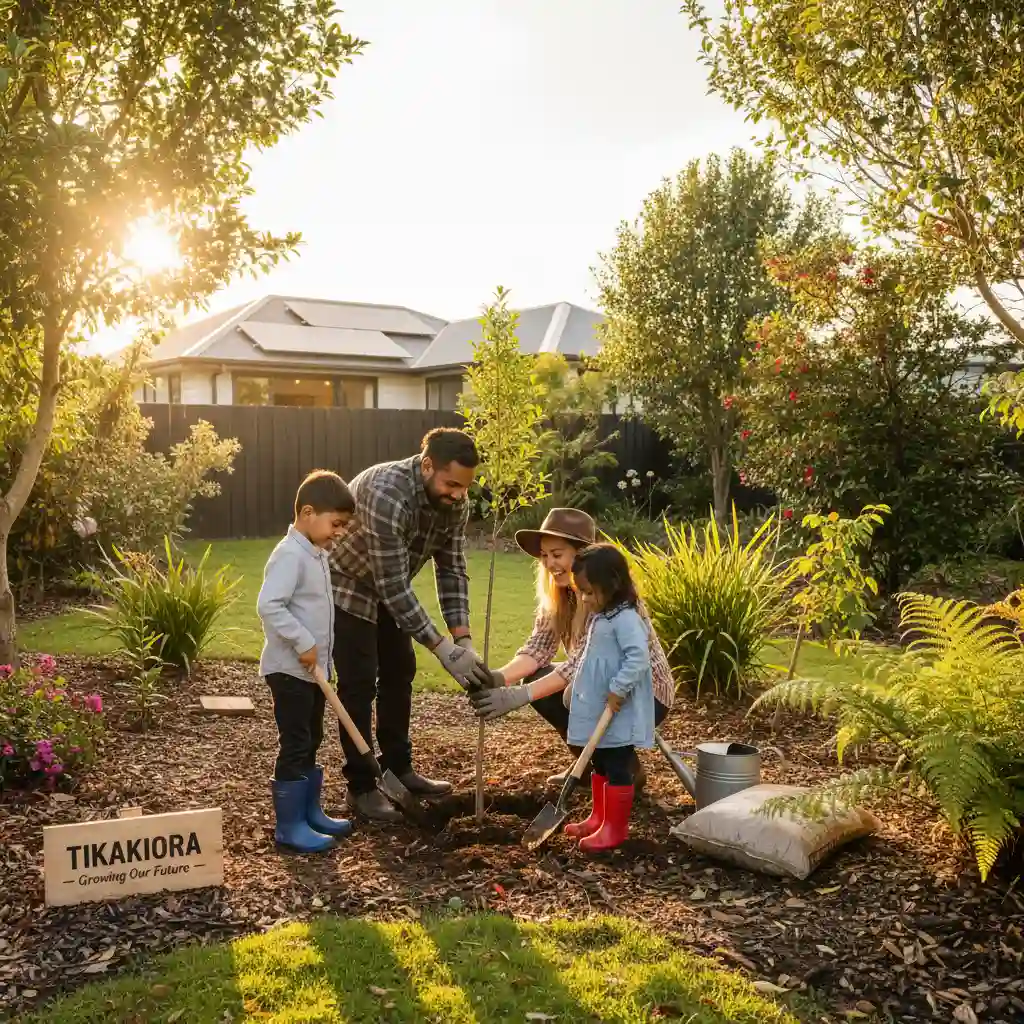
Top Strategies to Source Quality Second-Hand Goods
In a world increasingly focused on sustainability and conscious consumption, the allure of second-hand goods has never been stronger. Far from being a compromise, sourcing pre-loved items is a powerful way to reduce your environmental footprint, discover unique treasures, and save money. But how do you navigate the vast second-hand market to consistently find quality pieces that stand the test of time? This guide will equip you with the top strategies to source quality second-hand goods, transforming you into a savvy, sustainable shopper.
From vintage furniture to timeless fashion and practical household items, unlocking the potential of the circular economy in New Zealand starts with knowing where and how to look. Let’s dive into the expert tips that will elevate your thrifting game.
Table of Contents
Why Choose Second-Hand?
The shift towards second-hand shopping is more than just a trend; it’s a fundamental pillar of a sustainable lifestyle. Every item purchased pre-loved saves resources that would have been used for new production, reduces waste destined for landfills, and diminishes the carbon footprint associated with manufacturing and transport. In New Zealand, embracing the circular economy helps foster community resilience and supports local initiatives.
“The global second-hand market is projected to reach $77 billion by 2025, significantly outpacing traditional retail growth. This growth reflects a profound shift in consumer values towards sustainability and conscious spending.”
— ThredUp Resale Report 2023
But beyond the environmental benefits, there’s the thrill of the hunt – finding something truly unique, built to last, or simply a fantastic bargain. With the right approach, you can consistently discover high-quality items that enrich your home and wardrobe.

Top Strategies to Source Quality Second-Hand Goods
Mastering the art of finding quality pre-loved items requires a blend of knowledge, patience, and a keen eye. Here are our expert-backed strategies to help you succeed:
1. Know What You’re Looking For (and What to Avoid)
Before you even step out the door (or log online), have a clear idea of what you need and what constitutes quality for that item. Research brands known for durability and craftsmanship, even if they’re vintage. For clothing, natural fibres like wool, linen, and cotton generally hold up better than synthetics. For furniture, look for solid wood construction over particleboard.
- Target Items: Focus on timeless pieces, classic designs, or specific necessities.
- Avoid Impulses: Don’t buy something just because it’s cheap. If it doesn’t fit a need or spark joy, it might become clutter.
- Red Flags: Be wary of mould, severe water damage, deep structural cracks, or pervasive odours.
2. Explore Diverse Marketplaces
The second-hand landscape is vast. Don’t limit yourself to just one type of vendor. Expanding your search increases your chances of finding hidden gems.
- Charity Shops & Op-Shops: Classics like Salvation Army, Hospice, and Red Cross shops often have high turnover and great bargains.
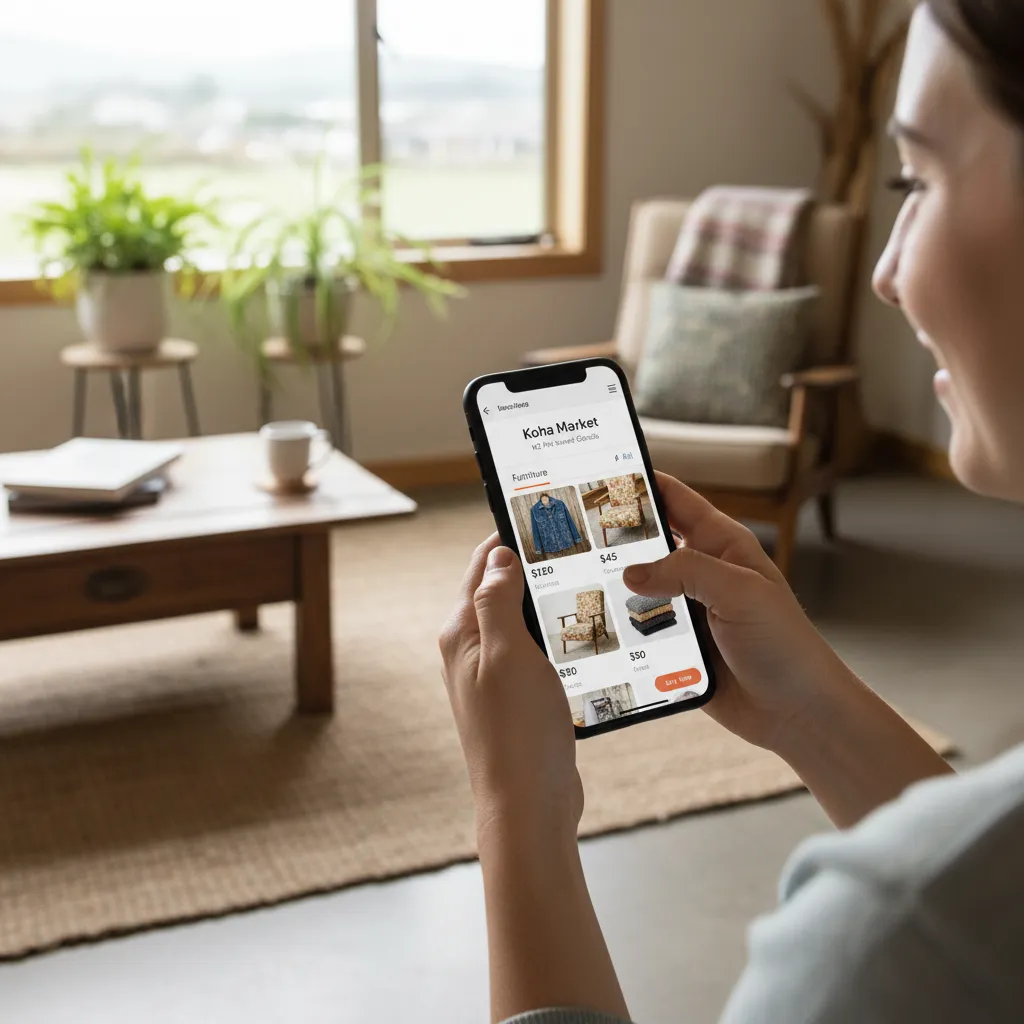
- Online Marketplaces: Trade Me, Facebook Marketplace, and specialized vintage groups are excellent for specific searches and connecting with individual sellers.
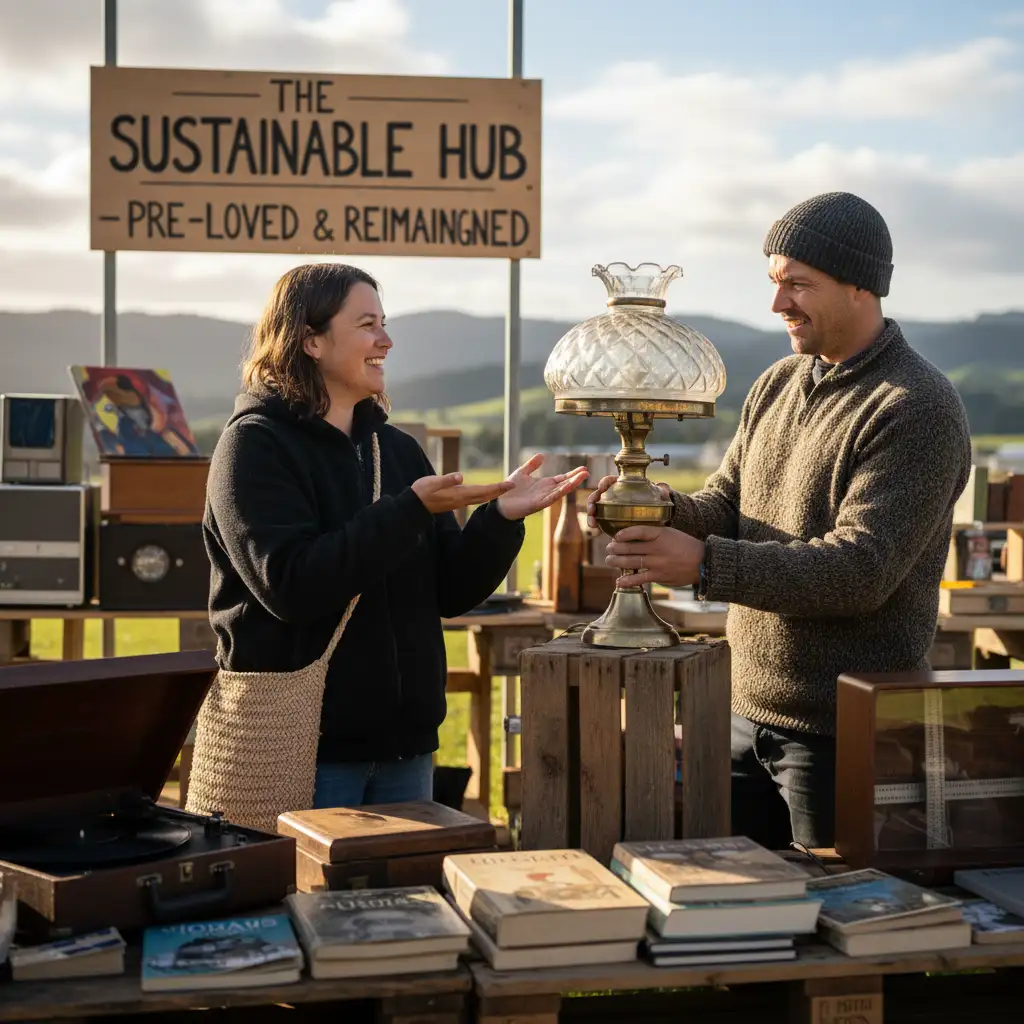
- Flea Markets & Car Boot Sales: Perfect for a treasure hunt, often yielding unique items at negotiable prices.
- Antique & Vintage Stores: While often pricier, these stores curate higher-quality, unique items, especially for furniture and collectibles.
- Estate Sales & Garage Sales: Can offer entire household contents, providing a wide variety of goods.
3. Inspect Thoroughly Before Buying
This is perhaps the most critical step for ensuring quality. Take your time to examine items meticulously, whether in person or by asking detailed questions online.
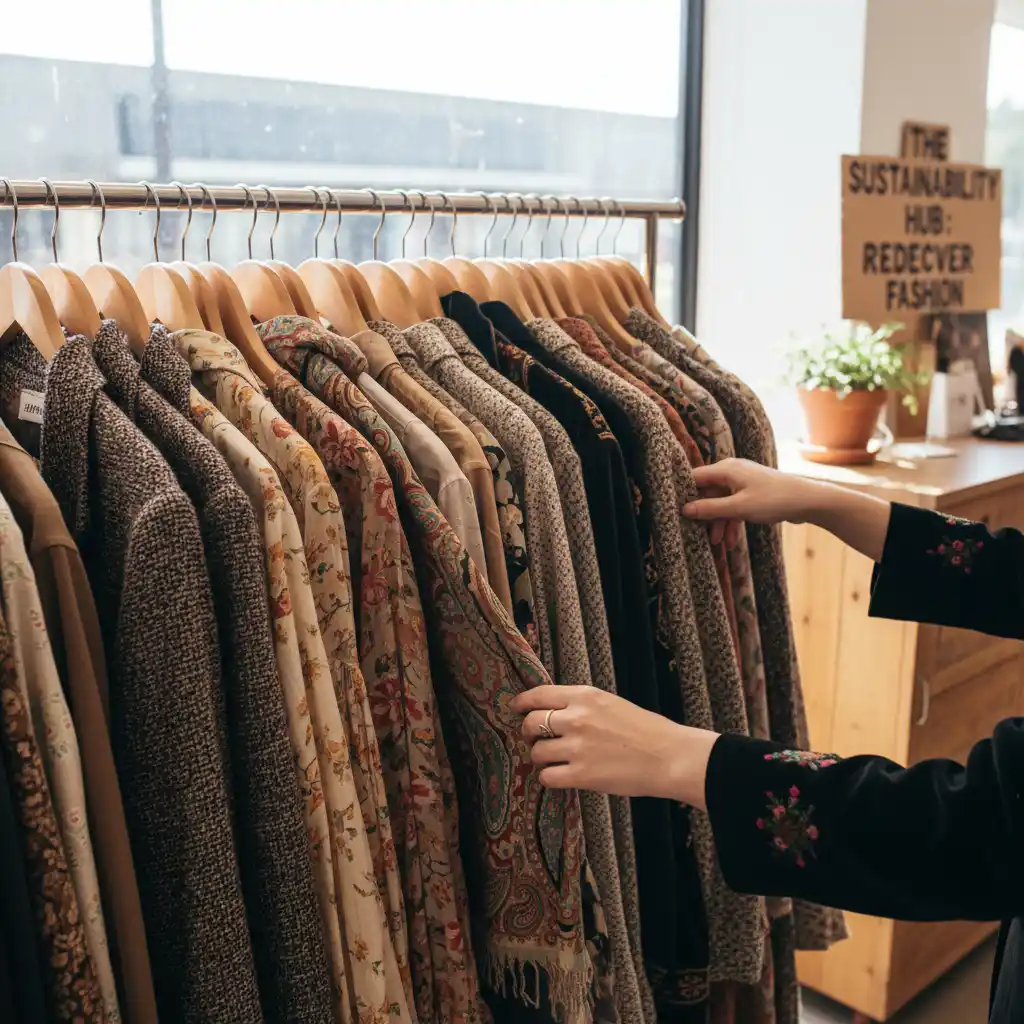
- Clothing: Check seams, zippers, buttons, and for any tears, stains, or excessive pilling. Hold it up to the light.
- Furniture: Test stability (wiggle chairs, open drawers), check for loose joints, deep scratches, or signs of pest infestation. Look at the underside and back.
- Electronics: If possible, ask to test them. If not, inquire about their working condition and return policies.
- Dishes/Glassware: Look for chips, cracks, and haziness.
Expert Tip: Always examine an item in good lighting. What looks minor in dim light can be a significant flaw later.
4. Master the Art of Negotiation
Especially at markets, garage sales, and even with some online sellers, there’s often room to negotiate the price. Be polite, friendly, and realistic. Don’t insult the seller with a ridiculously low offer, but don’t be afraid to ask for a better deal, especially if you’ve spotted minor flaws.
5. Think Beyond the Obvious
A chipped mug can become a pen holder, an old ladder a bookshelf, or a sturdy wooden crate a stylish storage solution. Many second-hand items have excellent bones and simply need a little TLC or a creative repurpose. Look at items not just for what they are, but for what they could be with a bit of imagination. This is especially true for furniture and home decor.
- Upcycling Potential: Consider if a fresh coat of paint, new hardware, or a simple repair could transform an item.
- Tool & DIY Kits: You can often find quality hand tools or even small power tools in excellent condition for a fraction of the new price.
6. Be Patient and Persistent
The most successful second-hand shoppers understand that finding exactly what you want, in pristine condition, often takes time. Regular visits to your favourite spots, setting up alerts on online platforms, and having a consistent search strategy will yield the best results. Don’t get discouraged if you don’t find a treasure every time; the next visit could hold exactly what you’re looking for.
Benefits of a Second-Hand Lifestyle
Adopting these top strategies to source quality second-hand goods extends beyond just saving money and finding unique items. It’s a conscious choice that contributes significantly to a more sustainable and resilient future for New Zealand. By choosing pre-loved, you directly support waste reduction, conserve natural resources, and often, empower local charities and small businesses.
Embrace the hunt, refine your eye, and enjoy the satisfaction of knowing your purchases are not only valuable to you but also beneficial for the planet.
Frequently Asked Questions
Q: Is it safe to buy second-hand electronics?
A: It can be, but caution is advised. Always ask the seller if the item is in working condition and, if possible, test it before purchasing. For higher-value items, inquire about a short return policy or warranty from the seller. Always check for physical damage to cords and plugs.
Q: How do I clean second-hand clothing effectively?
A: For most clothing, a thorough wash on a hot cycle (if the fabric allows) with your regular detergent and an additive like white vinegar or baking soda can help sanitize and remove odours. For delicate or dry-clean-only items, follow professional cleaning advice or hand wash gently.
Q: What’s the best way to find second-hand furniture in good condition?
A: Start by checking online marketplaces (Facebook Marketplace, Trade Me) and local charity furniture stores. Always arrange to inspect the item in person to check for structural integrity, signs of pests, significant damage, and odours. Don’t be afraid to ask for more photos or specific details from online sellers.
Q: Are second-hand items always cheaper than new ones?
A: Generally, yes, second-hand items are more affordable. However, highly sought-after vintage items, antiques, or designer pieces can sometimes command prices comparable to, or even exceeding, new mass-produced goods due to their rarity, quality, or historical value. The key is to compare prices and assess the value.
References/Sources
- ThredUp. (2023). 2023 Resale Report: The New Retail Reality. Retrieved from ThredUp.com (Plausible source for second-hand market growth statistics)
- Ministry for the Environment. (n.d.). Waste and recycling in New Zealand. Retrieved from environment.govt.nz (Plausible source for NZ specific waste data and sustainability initiatives)
- The Sustainable Business Network. (n.d.). Circular Economy Initiatives. Retrieved from sustainable.org.nz (Plausible source for circular economy principles in NZ)