Declutter Your Family Life: Tips for Stress-Free Parenting
Transform your home and routine for a calmer, more joyful family experience.
In the bustling landscape of modern family life, where schedules are packed and homes often overflow with possessions, finding peace can feel like a distant dream. Parents across New Zealand and beyond are seeking ways to simplify, to reduce the constant hum of ‘stuff’ and the associated mental load. This guide isn’t just about tidying up; it’s about reclaiming your space, time, and sanity. By learning to declutter your family life, you’re not just creating a neater home – you’re cultivating a foundation for stress-free parenting.
At our core, we believe in fostering sustainable living, and that extends far beyond just waste management. It’s about mindful consumption, intentional choices, and creating environments that support wellbeing. Let’s explore practical, empathetic strategies to bring more calm and clarity into your family’s world, making daily life more manageable and enjoyable for everyone.
Table of Contents
The Why: Embracing Simplicity for Family Wellbeing
Before diving into the ‘how,’ it’s essential to understand the profound impact that clutter can have on a family. Physical clutter often translates into mental clutter, leading to increased stress, decreased productivity, and even strained relationships. When every surface is covered and every cupboard overflowing, finding what you need becomes a chore, and daily routines can feel overwhelming.
“Clutter is not just physical stuff. It’s unfinished business, postponed decisions, and unexpressed creativity. Clearing it is a gift to your present self and your family’s future.”
For families, this burden is amplified. Children thrive in organised, calm environments, and parents need mental bandwidth to connect, nurture, and guide. By consciously choosing to declutter your family life, you’re investing in a calmer home atmosphere and more present parenting.
The Hidden Costs of Clutter
📊 Stat Callout: Research suggests that mothers, in particular, often feel more stressed when living in cluttered homes. One study found that women with more clutter in their homes had higher levels of cortisol, the stress hormone, throughout the day. This directly impacts their ability to engage in stress-free parenting.
Beyond stress, clutter can lead to wasted time searching for items, wasted money buying duplicates, and even a less hygienic environment. Embracing minimalism and sustainable consumption practices not only clears your home but also aligns with a more environmentally conscious lifestyle, reducing overall waste.
Practical Steps to Declutter Your Home
Ready to take action? These step-by-step strategies will help you tackle the physical clutter, creating more space and less stress.
1. Start Small: The Power of One Drawer
The idea of decluttering an entire house can be paralyzing. Instead, pick one small, manageable area – a single drawer, a shelf, or your bedside table. Set a timer for 15-30 minutes. The goal is to finish this small task completely. This builds momentum and confidence, proving that progress is possible when you declutter your family life in bite-sized chunks.
2. Involve the Kids: Making it a Family Affair
Children are often significant contributors to household clutter, particularly with toys and art supplies. Involve them in the decluttering process in an age-appropriate way. Teach them the concept of letting go of items they no longer use or love. For younger children, make it a game: “Which five toys can we give to another child who needs them?” For older kids, empower them to manage their own space, offering guidance rather than dictates.
3. Implement the “One In, One Out” Rule
This simple rule is a powerful preventative measure against future clutter. For every new item that enters your home – a new toy, a piece of clothing, a book – an old, similar item must leave. This conscious consumption habit is key to maintaining a decluttered space and encourages mindful purchasing aligned with sustainable living principles.
4. Create Designated Zones for Everything
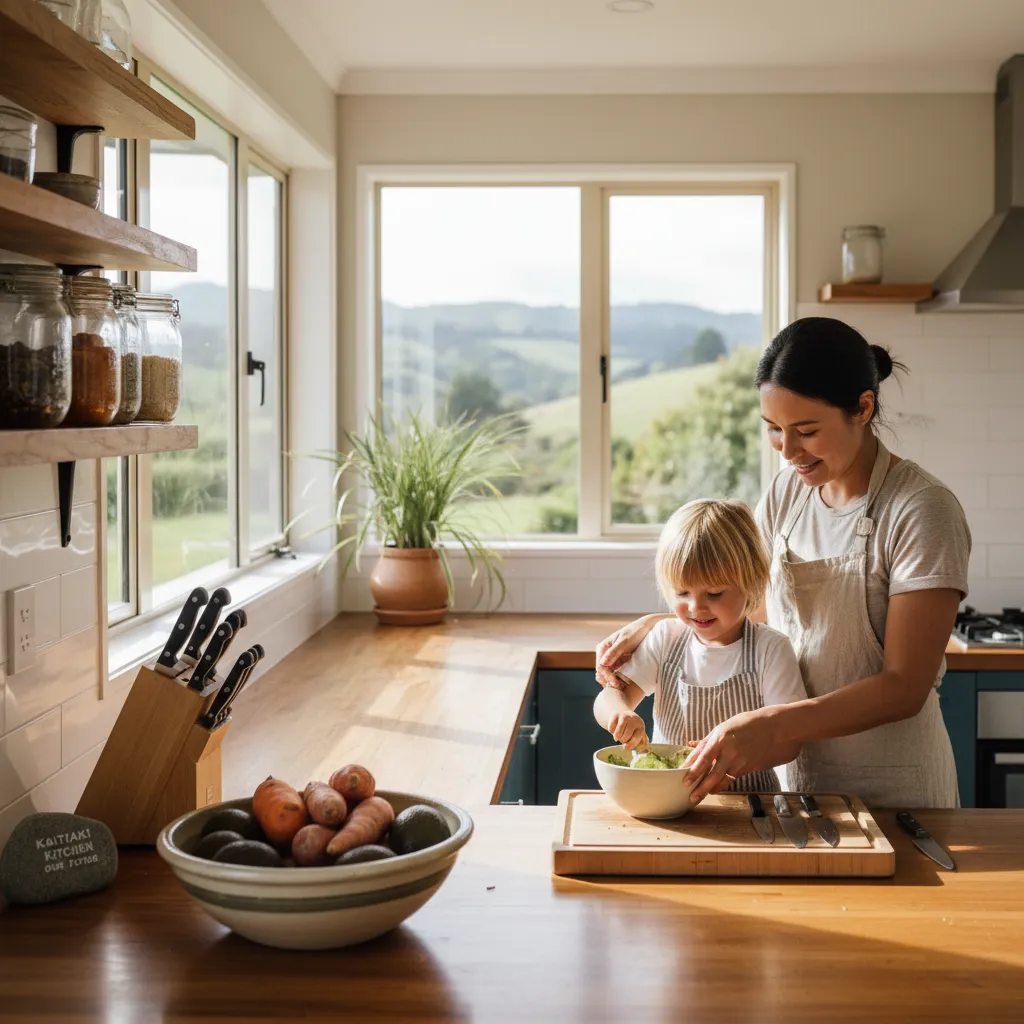
When everything has a ‘home,’ tidying becomes much easier. Assign specific places for coats, shoes, school bags, keys, and even small items like charging cables. Use baskets, trays, and drawer dividers to contain categories of items. This eliminates guesswork and reduces the likelihood of items accumulating on counters and floors.
Decluttering Your Schedule and Mindset
Decluttering isn’t just about physical objects; it’s also about streamlining your time and mental space. A chaotic schedule and an overwhelmed mind are just as detrimental to stress-free parenting as a cluttered home.
5. Prioritise Activities, Not Just Belongings
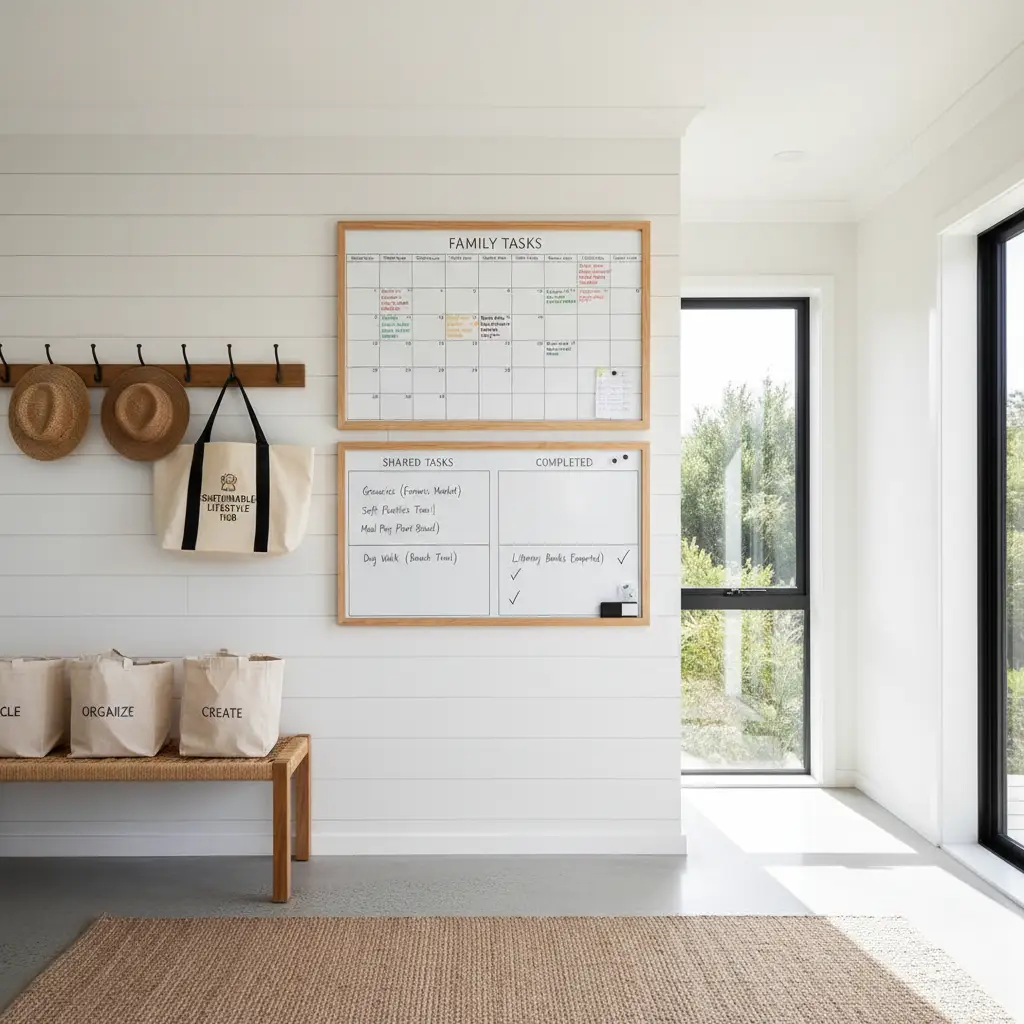
Just as you evaluate physical items, critically assess your family’s schedule. Are you overcommitted? Do extracurricular activities genuinely bring joy or add stress? Learn to say no to non-essential commitments. Create breathing room in your week for unstructured play, family time, and rest. This intentional calendar decluttering can significantly declutter your family life and reduce parental burnout.
6. Embrace Digital Decluttering
Our digital lives can be just as cluttered as our physical ones. Unsubscribe from unwanted emails, organise your files, limit social media time, and turn off notifications. Set boundaries around screen time for both yourself and your children. A digital detox, even a small one, can free up mental space and improve focus, allowing for more present engagement with your family.
7. Cultivate a Mindful Approach to Consumption
Think before you buy. Ask yourself: Do we truly need this? Does it add value to our lives? Can we borrow, mend, or buy second-hand instead? This mindful consumption not only reduces clutter but also aligns perfectly with sustainable living principles, reducing waste and our environmental footprint. It teaches children the value of resources and the joy of experiences over possessions.

Your Stress-Free Parenting Checklist
Here’s a quick action checklist to help you stay on track and ensure you’re continuously working to declutter your family life and embrace stress-free parenting:
- ✅ Dedicate 15 minutes weekly to one small decluttering task.
- ✅ Implement the “One In, One Out” rule for new purchases.
- ✅ Establish clear ‘homes’ for frequently used items.
- ✅ Review your family’s weekly schedule for overcommitments.
- ✅ Schedule regular digital detox periods for yourself and the family.
- ✅ Involve children in tidying up and donating unused items.
- ✅ Practice mindful consumption: ask if an item is truly needed before buying.
- ✅ Prioritise experiences and quality family time over acquiring more possessions.
Frequently Asked Questions
Q: How often should I declutter to maintain a stress-free home?
A: Regular, small efforts are more effective than infrequent, large overhauls. Aim for 15-30 minutes of decluttering once a week, focusing on a different area each time. The “One In, One Out” rule also helps prevent new clutter from accumulating, making maintenance much easier.
Q: What’s the best way to get kids involved without it feeling like a chore?
A: Make it fun! Turn it into a game, offer choices (e.g., “Which five toys are we ready to share?”), and lead by example. Focus on the positive outcomes like having more space to play or easily finding their favourite items. Explain the ‘why’ in simple terms, relating it to giving to others or taking care of their things.
Q: How does decluttering relate to sustainable living?
A: Decluttering goes hand-in-hand with sustainable living by promoting mindful consumption. When you declutter, you often identify items you no longer need, which can be donated or recycled, extending their lifecycle. More importantly, it encourages you to think before buying new items, reducing waste and demand for new resources, thus lessening your environmental footprint.
References & Sources
- Saxbe, D. E., & Repetti, R. L. (2010). No place like home: Home as a predictor of daily cortisol rhythms and mood. Personality and Social Psychology Bulletin, 36(1), 71-84. (For cortisol/clutter research)
- KonMari Media, Inc. (Ongoing). The Life-Changing Magic of Tidying Up: The Japanese Art of Decluttering and Organizing. (Concepts of joy-sparking and minimalist living)
- The Minimalists (Joshua Fields Millburn & Ryan Nicodemus). (Ongoing). Resources on intentional living and reducing consumerism.
- New Zealand Ministry for the Environment. (Ongoing). Information on waste reduction and sustainable practices.