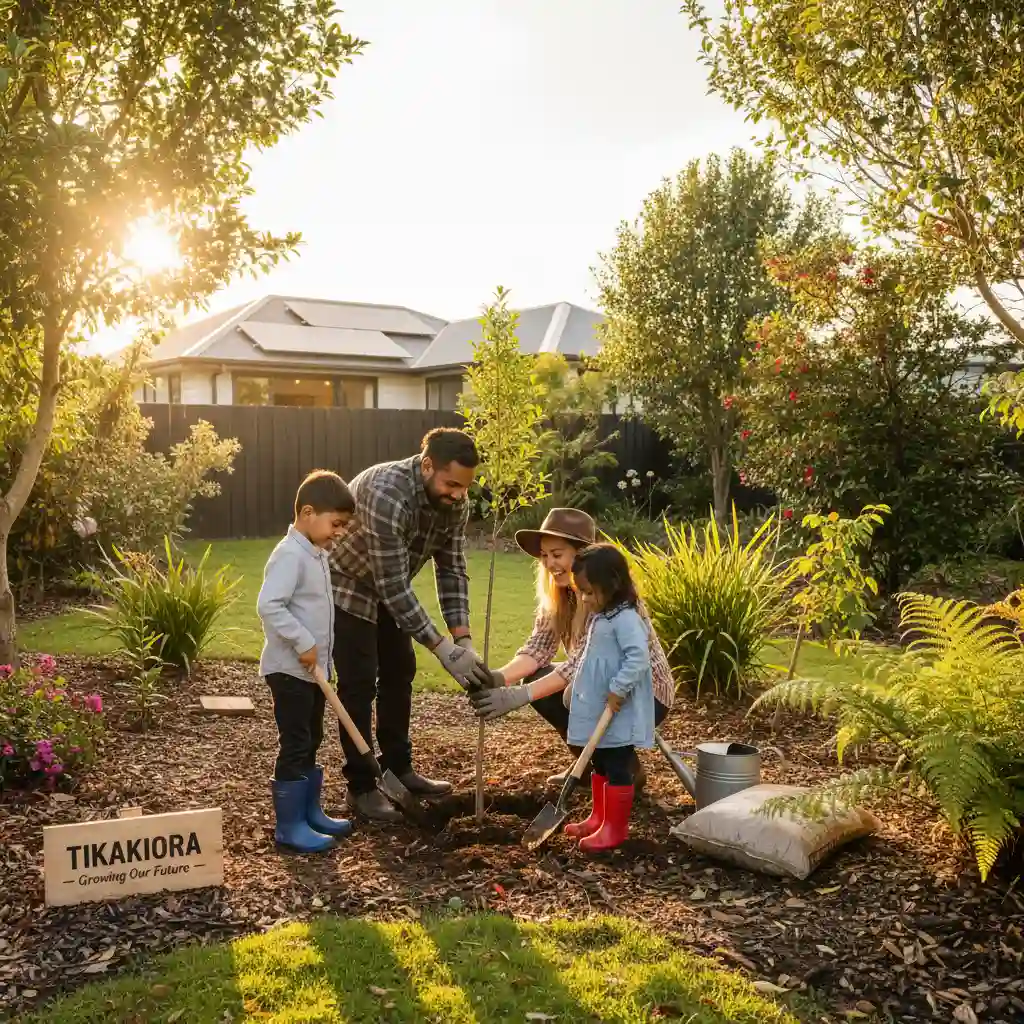
Minimalist Parenting: Key Principles and Family Benefits
In a world brimming with consumerism and endless choices, the concept of minimalist parenting offers a refreshing alternative. It’s an approach that prioritizes intention over accumulation, connection over clutter, and experiences over material possessions. For New Zealand families looking to embrace a more sustainable and less stressful lifestyle, minimalist parenting can be a powerful pathway to greater well-being.
This comprehensive guide delves into the core principles of minimalist parenting, exploring how a ‘less is more’ philosophy can profoundly benefit your family, foster genuine well-being, and align beautifully with a sustainable future here in Aotearoa.
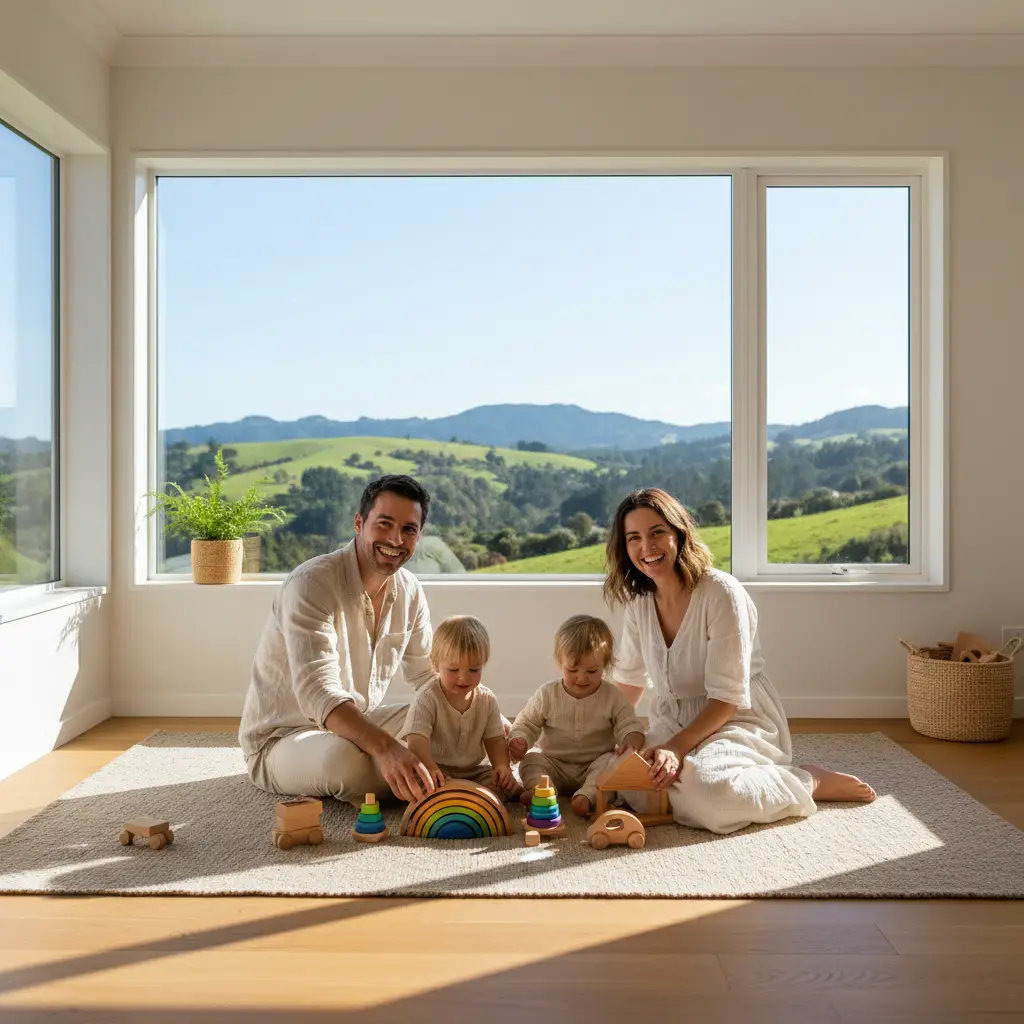
What is Minimalist Parenting?
At its heart, minimalist parenting is about stripping away the non-essential to focus on what truly matters. It’s not about deprivation or living without, but rather about intentionality – making conscious choices about what to bring into your family’s life, both physically and mentally. This philosophy challenges the pervasive notion that ‘more is better,’ particularly when it comes to toys, activities, and digital distractions that often create overwhelm.
“Minimalist parenting helps families thrive by reducing clutter, overwhelm, and unnecessary commitments, making space for connection, creativity, and calm in the home.”
For families in New Zealand, where there’s a strong connection to nature and a growing emphasis on sustainable living, this approach resonates deeply. It encourages a lifestyle that is not only healthier for your children but also more gentle on the planet, aligning perfectly with our kaitiakitanga (guardianship) values.
The Core Principles of Minimalist Parenting
Embracing minimalist parenting involves adopting several key principles that guide daily decisions and long-term family goals. These aren’t rigid rules but rather guiding philosophies designed to simplify and enrich family life, fostering an environment where children can truly flourish.
1. Declutter Physical Space & Toys
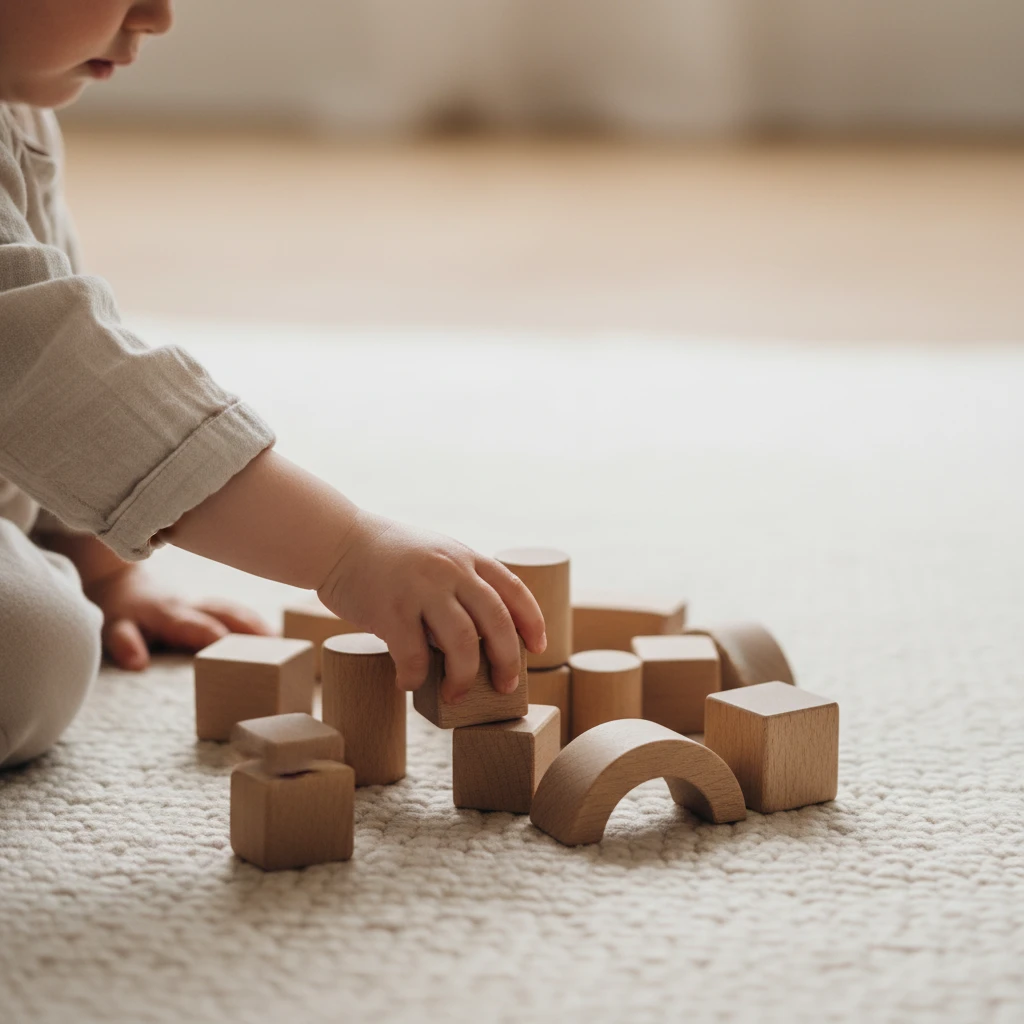
This is often the most visible aspect of minimalism. For parents, it means intentionally curating your children’s belongings. Instead of a mountain of plastic toys, opt for fewer, high-quality, open-ended toys made from natural materials that encourage creativity and imagination. Regularly decluttering helps maintain order, reduces decision fatigue for both parents and children, and teaches children the value of tidiness and caring for what they have.
Did You Know?
Research suggests that having fewer toys can actually enhance a child’s creativity and attention span, as they learn to engage more deeply and imaginatively with each item they possess. (Source 1)
2. Prioritize Experiences Over Possessions
Rather than buying new things, minimalist families choose to invest in shared experiences: a trip to the local park, a day at the beach, exploring a national reserve, or simply baking together. These cherished moments create lasting memories, strengthen family bonds, and contribute to children’s development far more profoundly than any material gift. In the context of New Zealand, this often means embracing our incredible natural environment and unique cultural heritage.
3. Limit Screen Time & Digital Clutter
Minimalism extends beyond the physical realm. Consciously reducing screen time for both parents and children allows for more meaningful face-to-face interactions, encourages outdoor play, fosters focused creativity, and promotes better sleep. Digital clutter – endless apps, notifications, and subscriptions – can be just as overwhelming as physical clutter. Setting clear boundaries creates essential space for real-world engagement and connection.
4. Embrace Intentional Spending & Conscious Consumption
Every purchase becomes a conscious decision guided by questions: Is this essential? Is it durable and built to last? Is it sustainably sourced and ethically produced? Does it truly add value to our lives? This principle ties directly into a sustainable lifestyle, encouraging families to choose second-hand, repair items, and support local, ethical businesses, thereby reducing waste and supporting community resilience.
5. Cultivate Mindfulness & Presence
The ultimate goal of minimalist parenting is to free up time, energy, and mental space for what truly matters: being present and engaged with your children. By reducing external distractions, obligations, and the pressure to ‘do it all,’ families can foster deeper connections, practice active listening, and savour the simple, everyday moments that form the bedrock of a happy family life.

Tangible Benefits for Your Family
Adopting a minimalist approach isn’t just about decluttering; it unlocks a host of profound benefits that ripple through every aspect of family life, creating a more harmonious and enriching environment.
- Reduced Stress and Overwhelm: Less stuff means less to manage, clean, and organize. This directly translates to less parental stress, fewer arguments over clutter, and a calmer, more serene home environment for everyone.
- Increased Financial Freedom: Intentional spending saves money, freeing up valuable financial resources for meaningful experiences, long-term savings, or investments in higher-quality, lasting items rather than fleeting purchases.
- Stronger Family Bonds: With fewer physical and digital distractions, families naturally spend more authentic quality time together, fostering deeper conversations, shared activities, and genuine connection.
- Enhanced Creativity and Problem-Solving: Children with fewer toys often become more resourceful, imaginative, and innovative, creating their own games and narratives rather than passively consuming.
- A Deeper Appreciation for Nature: Prioritizing experiences often means more outdoor time, connecting children to the natural world and cultivating a lifelong sense of environmental stewardship – a core value in New Zealand.
- Improved Focus and Attention: Limiting digital inputs and physical clutter helps children (and adults!) develop better concentration, longer attention spans, and greater resilience in a world full of distractions.
- Teaches Responsibility and Gratitude: When possessions are fewer and valued, children learn to care for them properly, developing a sense of responsibility and gratitude for what they have, rather than constantly wanting more.
- Sustainable Living Habits: Minimalist parenting inherently promotes conscious consumption, waste reduction, and a more sustainable environmental footprint, aligning perfectly with New Zealand’s environmental goals and efforts towards a circular economy.
Impact Stat:
Families who embrace intentional consumption can significantly reduce their household waste by an average of 15-20% annually, contributing directly to a more circular economy and lower ecological footprint – a key objective for sustainable development in regions like New Zealand.
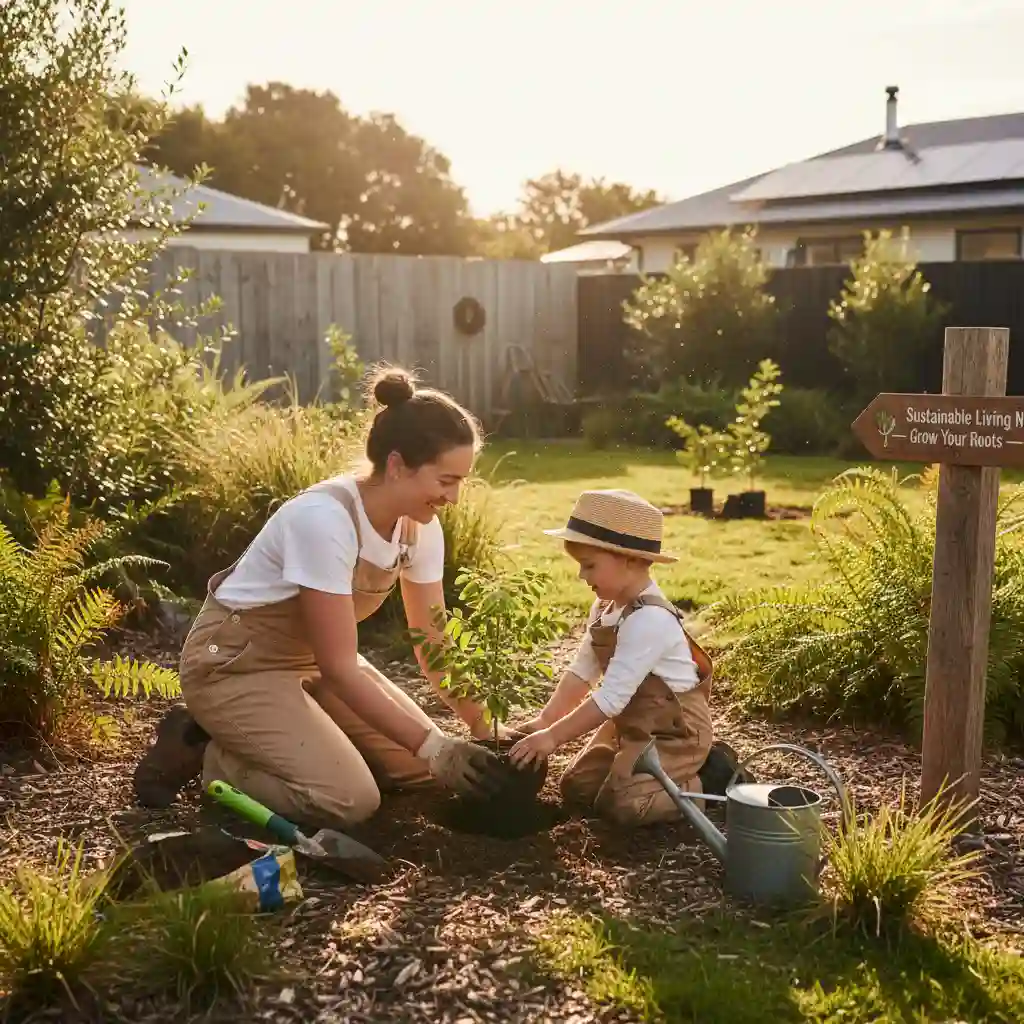
Conclusion: A Simpler Path to Family Flourishing
Minimalist parenting isn’t about perfection or austerity; it’s about making mindful, intentional choices that create space for what truly enriches your family’s life. By embracing its core principles, New Zealand families can cultivate a home environment characterized by calm, creativity, and profound connection. This intentional approach not only simplifies daily routines but also instills valuable lessons in children about sustainability, appreciation, and the joy of ‘enough’.
Start small, be patient, and celebrate every step towards a more minimalist and joyful family life. Your journey towards a sustainable and fulfilling family existence, deeply rooted in the values of Aotearoa, begins with a single conscious choice.
Frequently Asked Questions About Minimalist Parenting
Q: Is minimalist parenting suitable for all families?
A: Yes, minimalist parenting is highly adaptable for nearly all families, regardless of income, location, or existing lifestyle. The core principles focus on intentionality and values, which can be applied in diverse ways. It’s about finding what works best for your unique family’s needs and aspirations, rather than adhering to a rigid set of rules.
Q: How do I get my children on board with decluttering?
A: Involve them in the process by making it a collaborative effort or a fun family project. Explain the ‘why’ in age-appropriate terms – more space for enjoyable play, easier to find favourite items, or the joy of donating toys to children who need them. Give them a sense of ownership over what they choose to keep (within reasonable limits) and highlight the benefits of a tidy, calming personal space. Most importantly, lead by example with your own belongings.
Q: Does minimalist parenting mean my children will miss out?
A: On the contrary, minimalist parenting aims to help children ‘miss out’ on the overwhelm, stress, and dissatisfaction often associated with excessive consumerism and too many choices. By focusing on quality over quantity, enriching experiences, and strong relationships, children often gain a deeper appreciation for what they have, develop stronger creativity, resilience, and greater self-sufficiency.
Q: How does minimalist parenting relate to sustainable living in New Zealand?
A: Minimalist parenting is inherently aligned with sustainable living principles, which are increasingly important in New Zealand. By consciously reducing consumption, reusing items, prioritizing durable goods, and valuing experiences over new purchases, families naturally lower their environmental footprint. This approach encourages mindful choices that support New Zealand’s commitment to protecting its unique natural environment, reducing waste, and fostering a thriving circular economy for future generations.
References & Sources
- Duch, H., et al. (2018). “Impact of Toy Abundance on Pretend Play in Preschool-Aged Children.” *Early Childhood Research Quarterly*, 45, 126-136.
- The Minimalists. (Ongoing). *Official Website & Podcast*. (www.theminimalists.com)
- Parenting for a Digital Future. (Various articles). *London School of Economics and Political Science*. (blogs.lse.ac.uk/parentingforadigitalfuture/)
- Ministry for the Environment New Zealand. (Ongoing). *Environmental reporting and sustainable initiatives*. (environment.govt.nz)
- Becker, J. (2014). *Clutterfree with Kids: Change Your Thinking, Change Your Space, Change Your Children’s Lives*. Read More Publishing.