Benefits & Challenges of Canoeing in Protected Areas
Exploring New Zealand’s Pristine Waters Responsibly
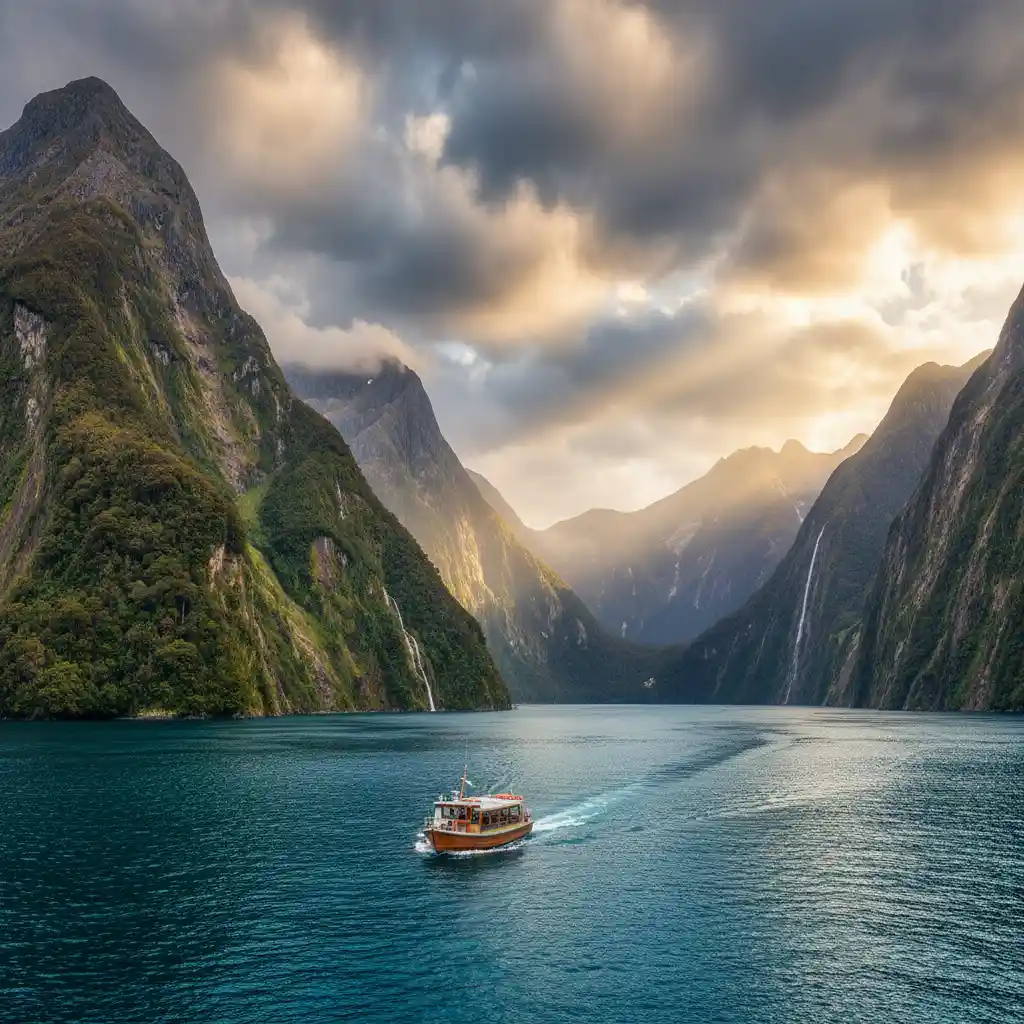
New Zealand, Aotearoa, is a land celebrated for its breathtaking natural beauty, much of which is safeguarded within its extensive network of protected areas. For many, experiencing these pristine landscapes from the water, often by canoe, offers an unparalleled connection to nature. However, this privilege comes with both significant rewards and considerable responsibilities.
This article delves into the core benefits & challenges of canoeing in protected areas across New Zealand, offering insights into how we can enjoy these treasured environments while ensuring their preservation for future generations. From the serene solitude of a glassy lake to the vibrant ecosystems of a coastal marine reserve, understanding our role as kaitiaki (guardians) is paramount.
The Benefits of Canoeing in Protected Areas
Canoeing offers a unique, low-impact way to access and appreciate the natural wonders held within our national parks, marine reserves, and other conservation lands. The advantages extend far beyond mere recreation, fostering a deeper connection to the environment.
- Unparalleled Connection to Nature: Gliding silently across the water allows for intimate wildlife viewing and a profound sense of peace. It’s a chance to witness ecosystems undisturbed, from native birdlife along riverbanks to marine life in clear coastal waters.
- Physical and Mental Well-being: Canoeing provides excellent physical exercise while offering therapeutic benefits. The rhythm of paddling, combined with the tranquility of nature, significantly reduces stress and promotes mental clarity.
- Educational Opportunities: Protected areas are living classrooms. Canoeing offers firsthand encounters with biodiversity, geology, and cultural heritage, deepening understanding and appreciation for conservation efforts.
- Sustainable Tourism and Local Economy: Responsible canoeing contributes to eco-tourism, supporting local communities through guided tours, equipment rentals, and accommodation, often funding further conservation initiatives.
- Promoting Environmental Stewardship: Direct experience in these pristine environments often inspires individuals to become stronger advocates for conservation, understanding the delicate balance of these ecosystems.
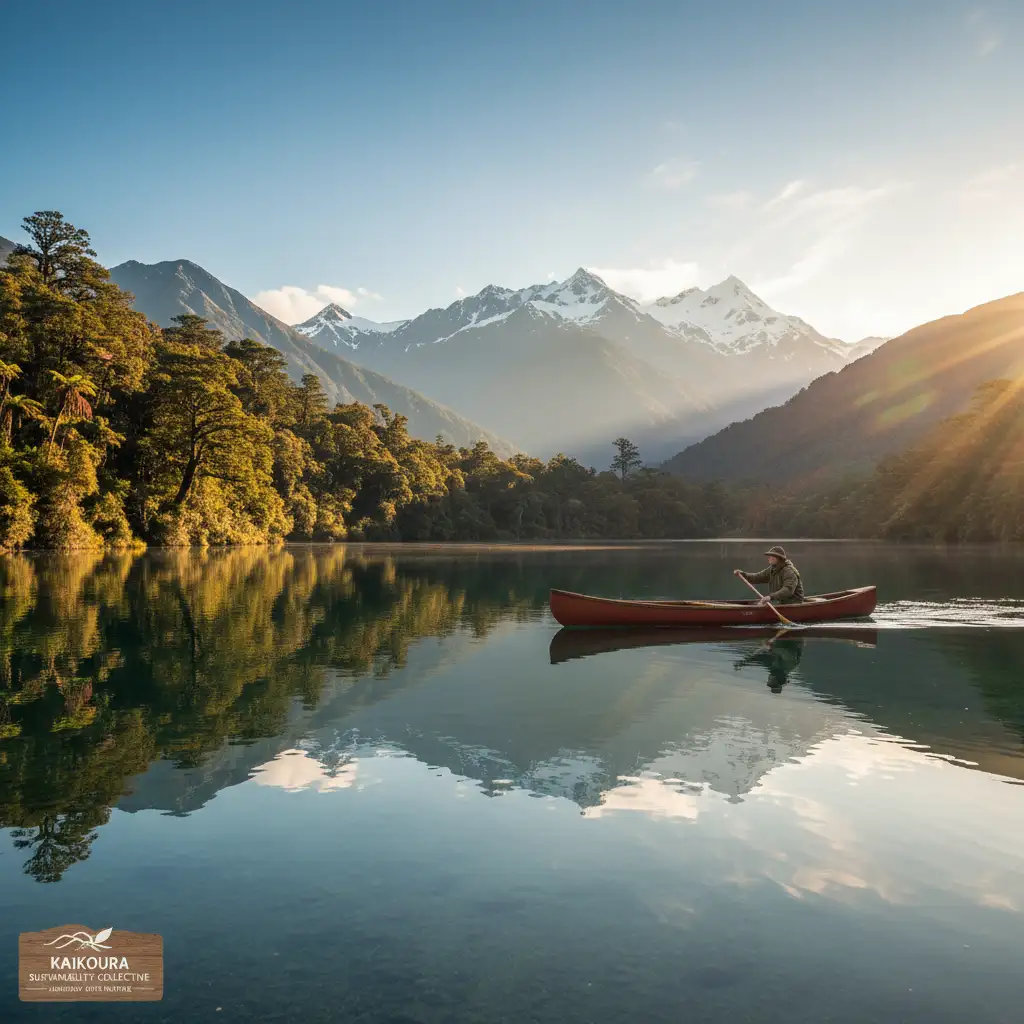
“To paddle through a protected waterway is to engage in a silent dialogue with nature, a profound reminder of what we strive to preserve.”
The Challenges of Canoeing in Protected Areas
While the allure is undeniable, the increased popularity of outdoor activities, including canoeing, presents several challenges that must be carefully managed to prevent detrimental impacts on our protected natural heritage.
- Environmental Impact: Even low-impact activities can accumulate. Poor paddling techniques, improper waste disposal, bank erosion from launching/landing, and the spread of invasive species (via uncleaned gear) pose significant threats to delicate ecosystems.
- Regulatory Compliance and Access Restrictions: Protected areas often have strict rules regarding access, group sizes, designated routes, and times of year to protect breeding grounds or fragile habitats. Navigating these regulations can be complex for visitors.
- Disturbance to Wildlife: Unintentional harassment of wildlife, particularly nesting birds or marine mammals, can disrupt crucial behaviors, leading to stress, abandonment of nests/young, or habitat avoidance.
- User Conflict and Overcrowding: As more people seek solace in nature, popular protected areas can experience overcrowding, leading to conflicts between different user groups (e.g., paddlers, anglers, hikers) and diminishing the wilderness experience for all.
- Safety Concerns: Remote protected areas often lack immediate rescue services. Paddlers must be self-sufficient, aware of changing weather conditions, water hazards, and their own skill limitations.
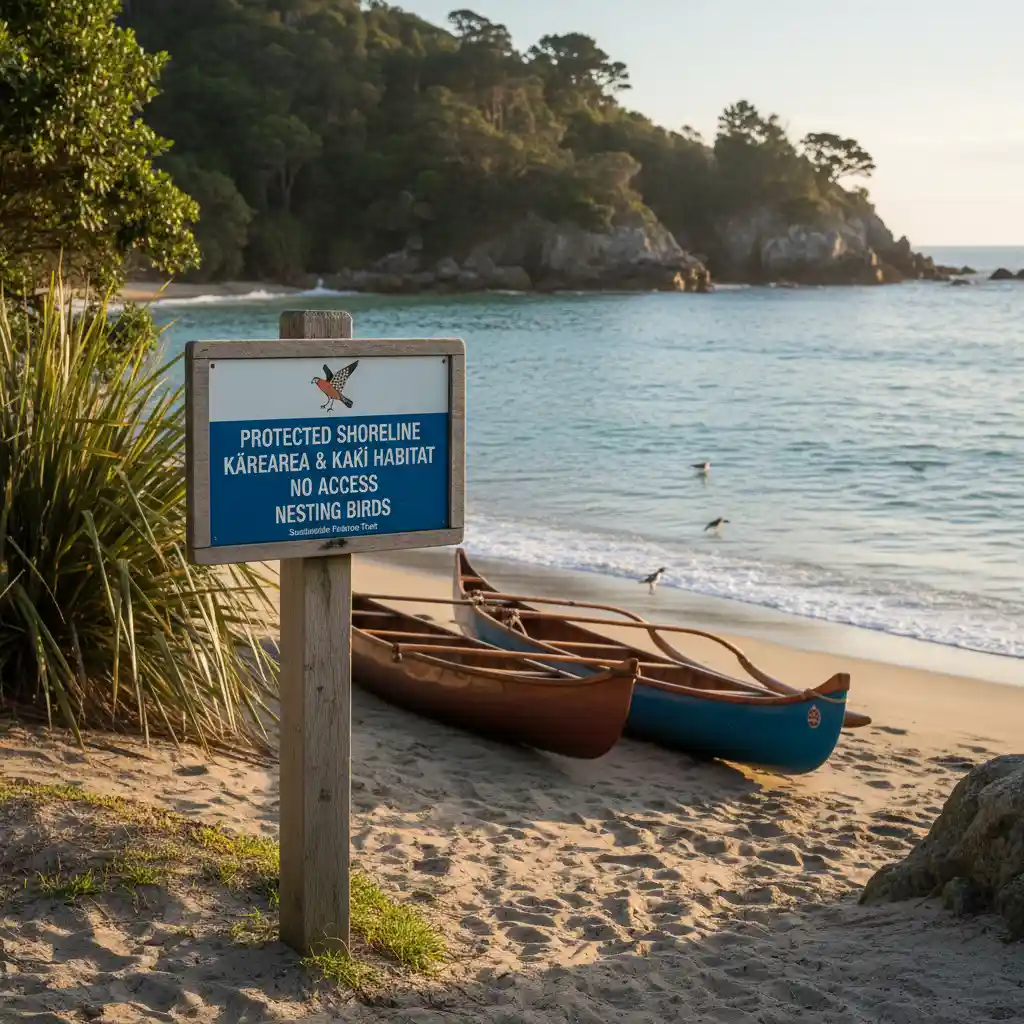
Understanding these challenges is the first step towards mitigating them, ensuring that the act of canoeing remains a positive interaction with nature.
Navigating Protected Waters Responsibly: An Action Checklist
To truly enjoy the benefits & challenges of canoeing in protected areas without compromising their integrity, every paddler must adopt a mindset of environmental stewardship. Here’s a checklist for responsible paddling:
Your Responsible Paddler Checklist:
-
Plan Ahead & Prepare: Research local regulations, weather forecasts, and potential hazards. Share your trip plans and carry appropriate safety gear. -
Travel & Camp on Durable Surfaces: Stick to designated launch sites and minimize disturbance to riverbanks. Avoid disturbing fragile vegetation or archaeological sites. -
Dispose of Waste Properly (Pack It In, Pack It Out): Carry out all rubbish, including food scraps. Use proper facilities for human waste where available, or dig cat holes well away from water sources. -
Leave What You Find: Do not collect natural objects or disturb cultural artifacts. Leave plants, rocks, and historical items as they are. -
Minimize Campfire Impacts: Use established fire rings, keep fires small, and ensure they are completely extinguished. Better yet, use a portable stove. -
Respect Wildlife: Observe from a distance. Never feed animals. Store food securely. Avoid disturbing sensitive areas like nesting sites. -
Be Considerate of Other Visitors: Preserve the tranquility for others. Keep noise levels down and share the waterways courteously. -
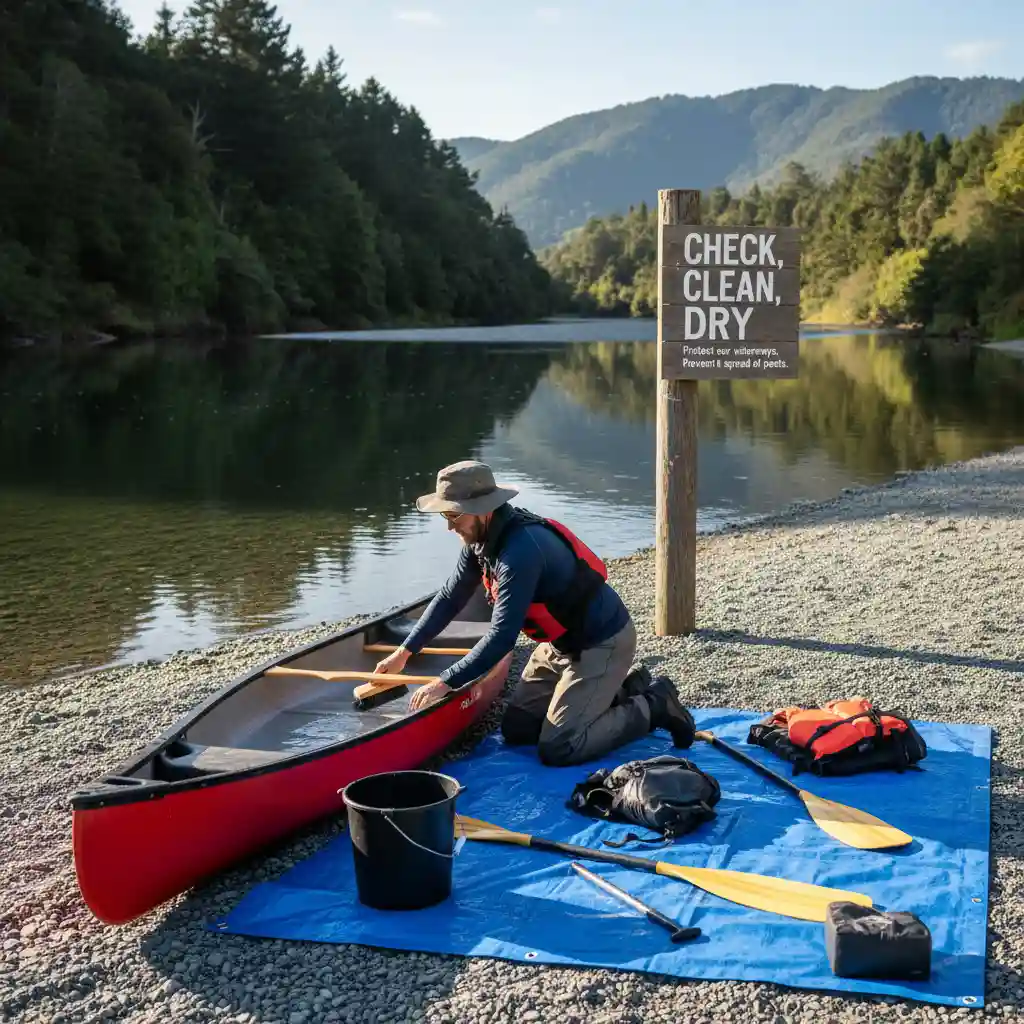
Stop the Spread of Pests & Diseases: Always ‘Check, Clean, Dry’ your gear between waterways to prevent the spread of aquatic weeds and diseases like didymo.
Conclusion: Paddling Towards a Sustainable Future
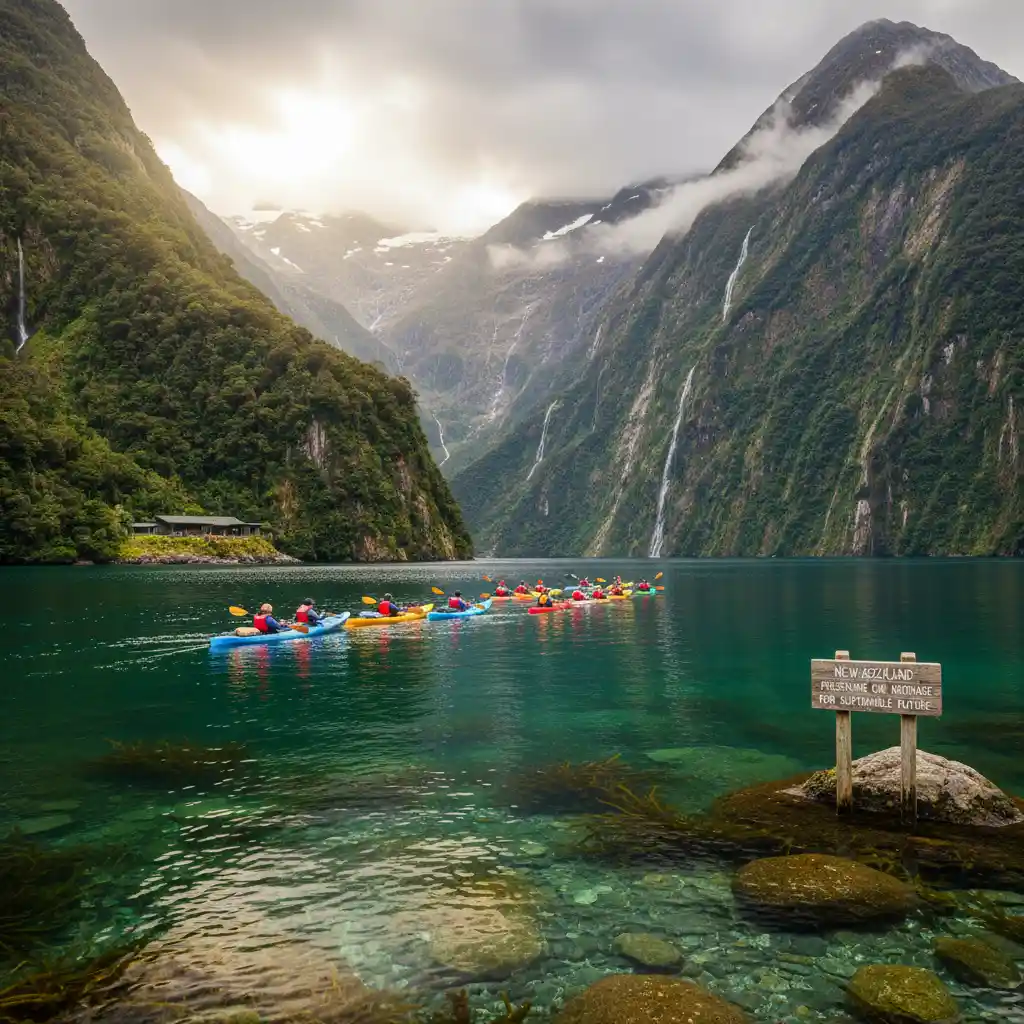
The allure of experiencing New Zealand’s protected waters by canoe is undeniable. It offers profound personal growth, connection to nature, and the sheer joy of exploration. However, the continuation of these benefits & challenges of canoeing in protected areas hinges entirely on our collective commitment to responsible practices.
By understanding the potential impacts and actively adopting principles like ‘Leave No Trace’ and ‘Check, Clean, Dry’, we ensure that our love for paddling contributes to, rather than detracts from, the health and vibrancy of these invaluable ecosystems. Let’s embrace the privilege of paddling in Aotearoa’s protected areas with the respect and care they deserve, ensuring their beauty endures for generations to come.
Frequently Asked Questions (FAQ)
Is a permit required to canoe in all New Zealand protected areas?
Not all, but many protected areas, particularly national parks and marine reserves, do require permits for certain activities, including overnight stays or commercial operations. It’s crucial to check with the Department of Conservation (DOC) or the relevant regional council for specific regulations pertaining to your chosen location before you go.
How can I prevent spreading invasive species when canoeing?
The most effective method is ‘Check, Clean, Dry’. Before moving between waterways, check your gear thoroughly for any plant matter or debris. Clean all equipment (boats, paddles, footwear) with hot soapy water or a strong disinfectant. Finally, ensure everything is completely dry, inside and out, as even a small amount of moisture can harbour pests. This is especially vital for preventing the spread of didymo (rock snot).
What are the primary safety considerations for canoeing in remote protected areas?
Safety in remote areas includes being prepared for rapidly changing weather, carrying appropriate safety gear (PFD, first-aid kit, communication device like a PLB), having adequate paddling skills for the conditions, and informing someone of your trip plan and expected return time. Always be aware of river grades, tidal movements, and potential hazards like submerged logs or strong currents.
Can canoeing genuinely contribute to conservation efforts?
Absolutely. Responsible canoeing, by adhering to ‘Leave No Trace’ principles and supporting eco-tourism operators, minimizes negative impacts. Furthermore, many paddlers become active volunteers in waterway clean-ups, advocacy for conservation, and citizen science initiatives, directly contributing to the protection and restoration of New Zealand’s precious aquatic environments.
References & Sources
- Department of Conservation (DOC) New Zealand. (n.d.). Safety in the outdoors and adventure activities. Retrieved from doc.govt.nz/safety
- Leave No Trace New Zealand. (n.d.). Seven Principles. Retrieved from lnt.org.nz/seven-principles
- Biosecurity New Zealand. (n.d.). Check, Clean, Dry for freshwater pests. Retrieved from mpi.govt.nz/checkcleandry
- New Zealand White Water Rafting Association. (n.d.). River safety and ethics. Retrieved from riversafety.org.nz