Sustainable Parenting Tips for Eco-Friendly Families in NZ
As parents, we strive to provide the best for our children – not just in the present, but also for their future. In Aotearoa, New Zealand, this commitment often extends to nurturing a deep connection with our unique environment and embracing a lifestyle that protects it. Transitioning to more sustainable practices might seem daunting amidst busy family life, but every small step makes a significant difference.
This guide offers practical, actionable sustainable parenting tips for eco-friendly families in NZ, helping you weave environmental consciousness into your daily routines. From reducing waste to fostering a love for nature, discover how to raise children who are mindful stewards of our beautiful planet.
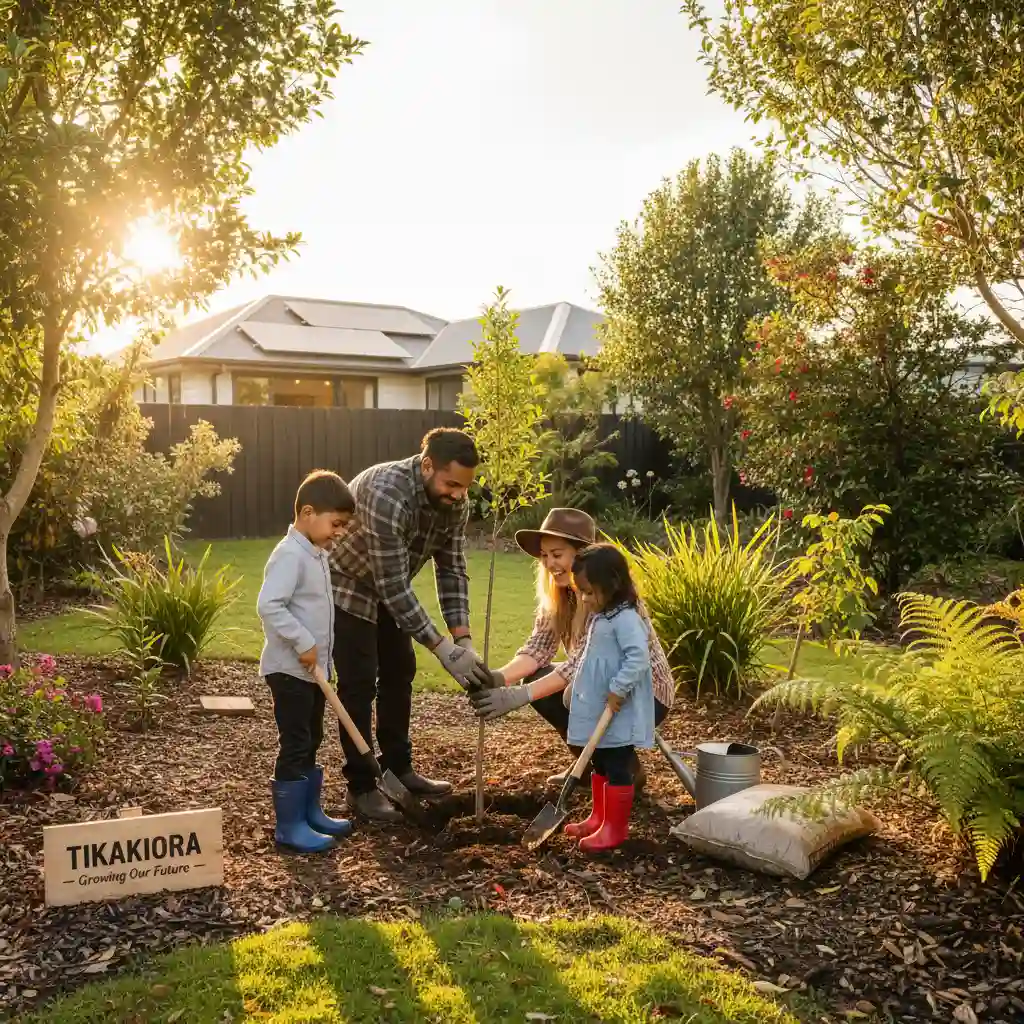
Table of Contents
Embracing a Mindful Consumption Mindset
At the heart of eco-friendly living is a conscious approach to what we buy, use, and discard. Teaching children the value of resources and the impact of their choices starts with mindful consumption at home. These sustainable parenting tips focus on practical ways to reduce your family’s footprint.
1. Reducing Waste at Home
One of the most impactful steps your family can take is to minimise waste. In New Zealand, household waste contributes significantly to landfills, but simple changes can make a big difference.
“New Zealanders send over 2.5 million tonnes of waste to landfill each year – roughly a tonne per household. Reducing this is key to a greener future for our children.”
- Reusable Nappies & Wipes: If you have babies or toddlers, consider washable cloth nappies and reusable wipes. Modern cloth nappies are far easier to use than their predecessors and drastically cut down on landfill waste.
- Bulk Buying & Refilling: Opt for bulk bins for pantry staples like oats, pasta, and nuts. Many New Zealand stores offer refill stations for cleaning products, shampoo, and liquid soaps. Bring your own containers!
- Say No to Single-Use: Carry reusable bags, coffee cups, and water bottles. Pack lunches in reusable containers instead of plastic wrap.
2. Embracing Second-Hand and Swapping
Children grow quickly, and their needs change even faster. The lifecycle of clothes and toys can be short, but that doesn’t mean their journey has to end in a landfill.
- Op-Shopping Treasures: Explore local op-shops (charity shops) for clothes, books, and toys. It’s not only economical but also gives items a second life.
- Toy & Clothing Swaps: Organise swaps with friends, family, or community groups. What’s outgrown by one child can be a new adventure for another.
- Borrow, Don’t Buy: For seldom-used items like party supplies, tools, or baby gear, consider borrowing from friends or community libraries of things.
3. Mindful Food Choices for Less Waste
Food production and waste have a significant environmental impact. Teach your family the value of food from farm to plate.
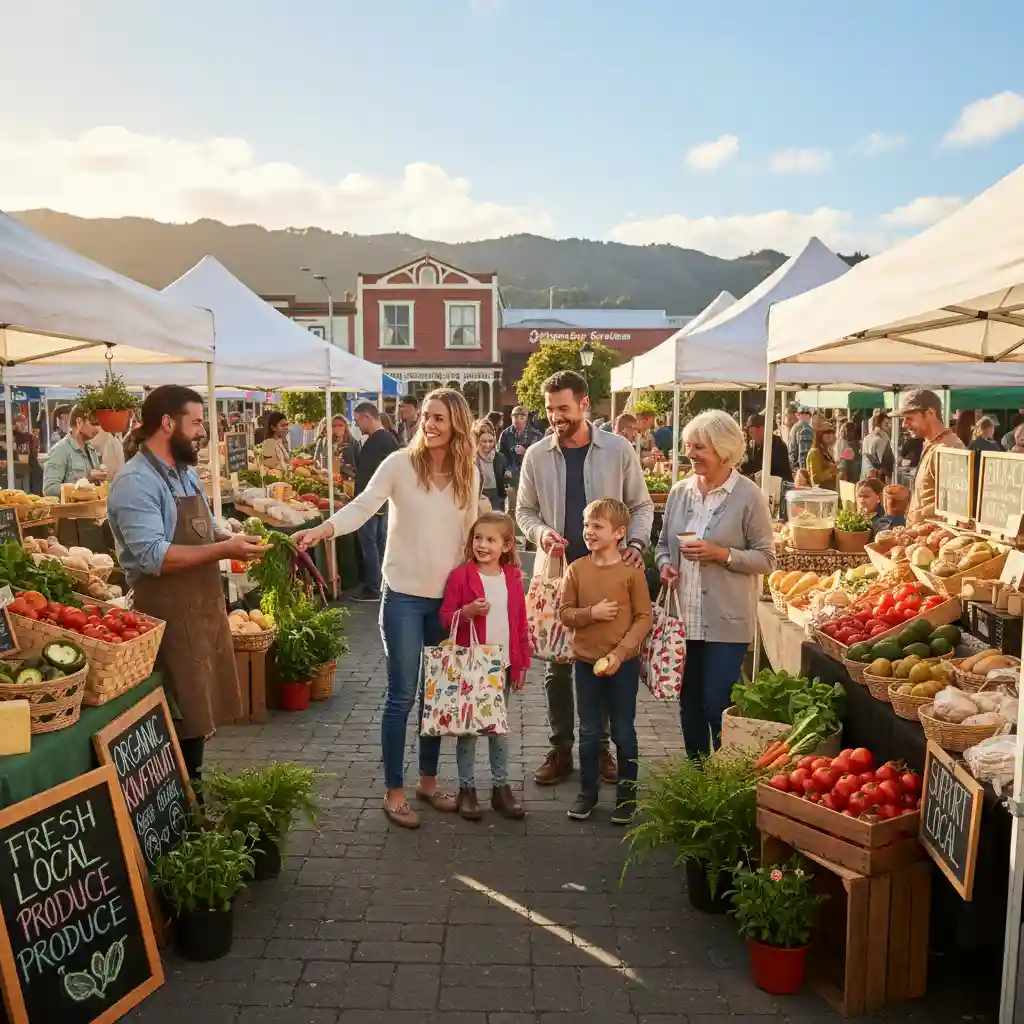
- Local & Seasonal: Prioritise buying local and seasonal produce. This reduces transport emissions and supports New Zealand growers. Check out your local farmer’s market!
- Composting Food Scraps: Start a compost bin or worm farm for fruit and vegetable scraps. This turns waste into rich soil for your garden.
- Meal Planning: Plan meals to reduce food waste. Use leftovers creatively and learn about proper food storage to extend freshness.
Sustainable Parenting Checklist: Mindful Consumption
- Reduce: Use reusable items daily (bags, bottles, coffee cups).
- Reuse: Buy second-hand clothes & toys, organise swaps.
- Recycle: Understand local recycling rules and compost food scraps.
- Rethink: Plan meals to minimise food waste.
Nurturing Nature-Loving Kids in Aotearoa
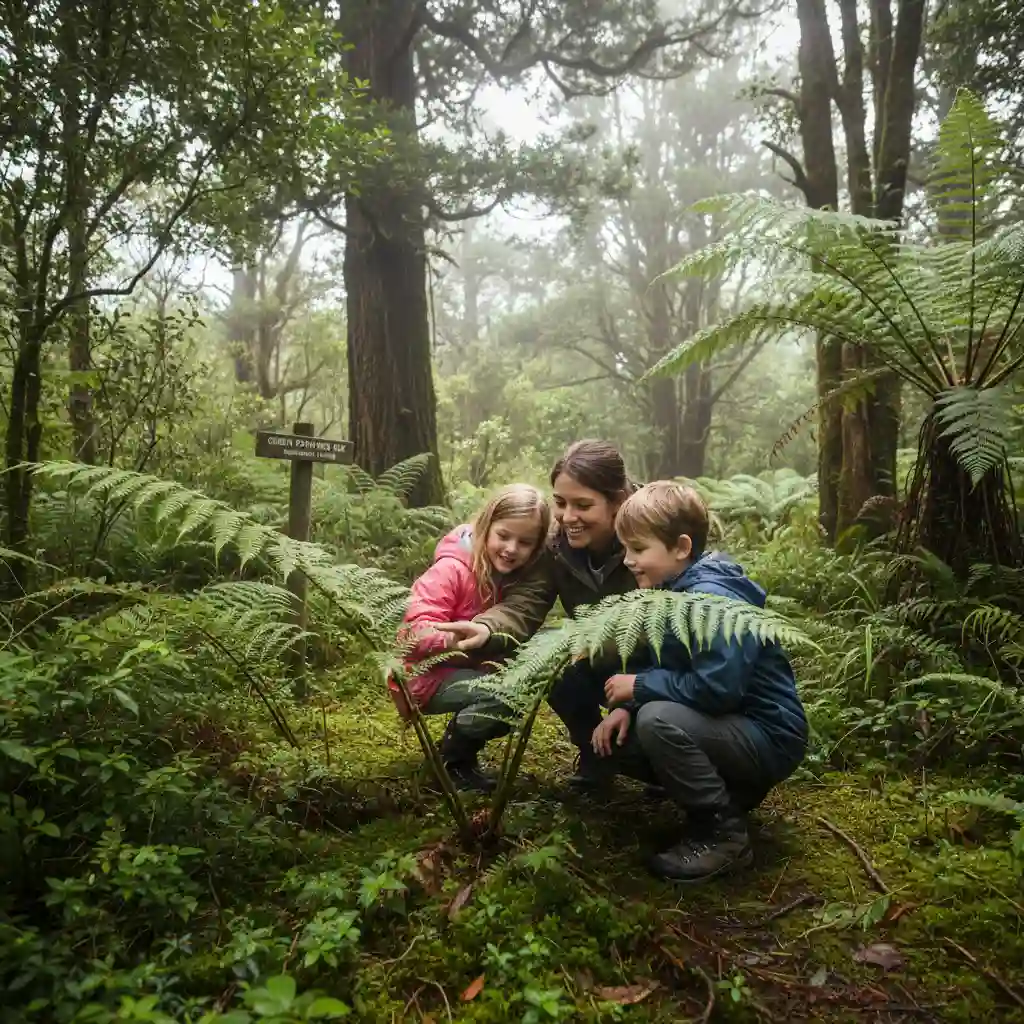
A strong connection to nature is fundamental for developing a sense of environmental responsibility. New Zealand offers unparalleled opportunities for children to engage with the natural world. These eco-friendly parenting tips encourage outdoor exploration and hands-on learning.
1. Outdoor Adventures and Exploration
Encourage regular outdoor play and exploration. It fosters creativity, resilience, and a deeper appreciation for our unique flora and fauna.
- Bush Walks & Beach Visits: Make regular trips to local parks, bush reserves, and beaches. Point out native birds, plants, and marine life.
- Nature Scavenger Hunts: Create lists of natural items for kids to find (e.g., a smooth stone, a specific leaf, a feather).
- Backyard Discoveries: Even a small backyard can be a world of wonder. Observe insects, plant seeds, and watch the weather change.
2. Gardening Together: Grow Your Own Goodness
Gardening teaches children about where food comes from, the life cycle of plants, and the satisfaction of harvesting their own produce.
- Start Small: Begin with easy-to-grow vegetables like lettuce, radishes, or cherry tomatoes. Herbs are also a great starting point.
- Composting & Worm Farms: Involve kids in feeding the compost bin or worm farm, teaching them about nutrient cycles.
- Plant Native Species: If you have space, plant native New Zealand trees or shrubs to attract local birds and insects, contributing to biodiversity.
Choosing Sustainable Products and Services
Making informed choices about the products we bring into our homes is a cornerstone of sustainable parenting. This involves looking beyond the price tag to consider the environmental and social impact.
1. Eco-Friendly Essentials for Your Home
From cleaning supplies to personal care items, there are often eco-friendly alternatives that are better for your family’s health and the planet.
- Natural Cleaning: Opt for natural cleaning products or make your own with ingredients like vinegar, baking soda, and essential oils.
- Sustainable Personal Care: Choose products with minimal packaging (e.g., solid shampoo bars), natural ingredients, and those free from harmful chemicals.
- Energy Efficiency: Be mindful of your home’s energy consumption. Switch off lights, unplug unused electronics, and consider energy-efficient appliances.
2. Supporting Local and Ethical Businesses
Your purchasing power can drive positive change. Support businesses that align with your family’s values.
- Shop Local: Support New Zealand businesses to reduce transportation emissions and strengthen the local economy.
- Fair Trade & Ethical: Look for fair trade certifications on products like coffee, chocolate, and clothing, ensuring ethical production practices.
- Sustainable Certifications: Familiarise yourself with eco-labels and certifications that indicate a product meets certain environmental standards.
Action Checklist: Sustainable Product Choices
- Check Labels: Look for eco-certifications and natural ingredients.
- Minimise Packaging: Prioritise products with less plastic or refill options.
- Support Local: Choose NZ-made and ethically sourced goods.
- Conserve Energy: Practice energy-saving habits at home.
Educating and Empowering Young Eco-Warriors
Perhaps the most crucial aspect of sustainable parenting is instilling these values in your children. By educating and empowering them, you’re raising a generation prepared to protect our planet.
1. Open Conversations About Sustainability
Talk to your children about why these choices matter. Use age-appropriate language and real-world examples.
- Explain the ‘Why’: When you compost, explain why it’s good for the earth. When you buy second-hand, discuss how it saves resources.
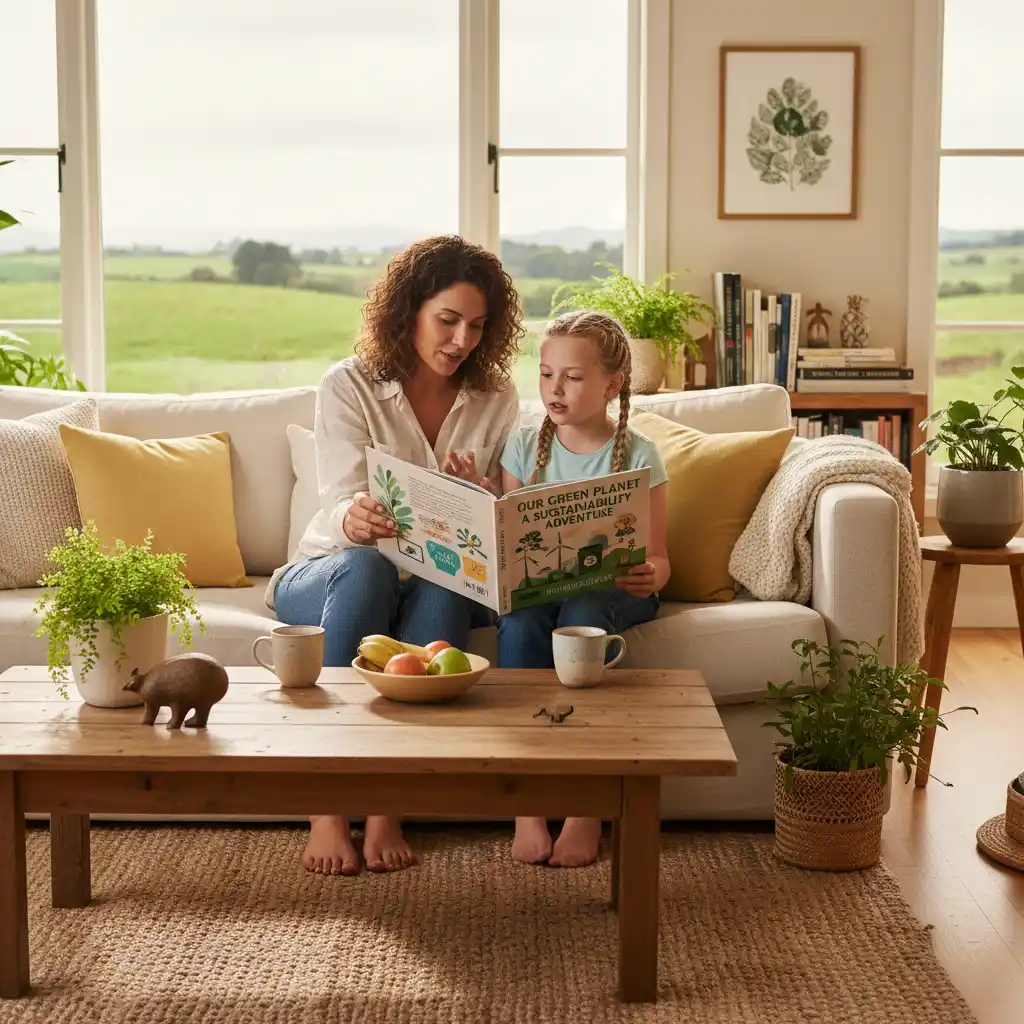
- Read Eco-Books: Many children’s books explore environmental themes and provide a great starting point for discussions.
- Discuss News & Events: Talk about local environmental issues or global climate news in a way that is reassuring and solution-focused.
2. Involving Kids in Sustainable Practices
Children learn best by doing. Give them responsibilities that connect them directly to sustainable living.
- Recycling & Composting Chores: Assign tasks like sorting recycling or taking food scraps to the compost.
- Energy Auditors: Empower them to be the ‘energy police’ – turning off lights and unplugging devices.
- Advocacy & Community: Participate in local clean-up events, tree planting days, or school eco-initiatives as a family.
Conclusion
Embracing sustainable parenting tips for eco-friendly families in NZ is a journey, not a destination. It’s about making conscious choices, educating our children, and fostering a deep respect for our environment. Every small change you implement as a family contributes to a healthier planet for current and future generations of New Zealanders. Start today, one step at a time, and watch your family’s eco-conscious habits blossom!
Frequently Asked Questions
What are some easy sustainable parenting tips for beginners in NZ?
Start with simple changes like carrying reusable bags and water bottles, composting food scraps, and buying second-hand items. Gradually introduce more practices like meal planning to reduce food waste and exploring local farmer’s markets for seasonal produce.
How can I get my kids interested in eco-friendly living in New Zealand?
Involve them directly! Take them on nature walks, encourage gardening, let them help sort recycling and compost. Read eco-themed books together and have open, age-appropriate conversations about why sustainability matters for their future in Aotearoa.
Are cloth nappies truly more sustainable than disposables in New Zealand?
Yes, generally they are. While cloth nappies have an environmental footprint from washing, studies often show they significantly reduce landfill waste compared to disposables. Modern cloth nappies are designed for convenience and can be a great eco-friendly choice for NZ families.
Where can I find ethical and sustainable products for my family in NZ?
Look for local businesses, farmer’s markets, and online stores specialising in eco-friendly goods. Check for certifications like Fair Trade or relevant environmental labels. Many New Zealand brands are committed to sustainability, making it easier to find ethical choices.
How does supporting local businesses contribute to sustainable parenting in NZ?
Supporting local businesses reduces the carbon footprint associated with long-distance transportation. It also often means supporting smaller enterprises with more transparent supply chains and a greater likelihood of ethical labour practices, all contributing to a more sustainable economy and community.
References & Sources
- Ministry for the Environment. (2022). Our atmosphere and climate 2020: What’s happening? Retrieved from environment.govt.nz
- WasteMINZ. (2021). New Zealand Waste Data. Retrieved from wasteminz.org.nz (Plausible, as they collect waste data).
- Department of Conservation. (n.d.). Getting outdoors with kids. Retrieved from doc.govt.nz (Plausible, as DOC promotes outdoor activities).
- UNICEF. (2021). The Climate Crisis Is a Child Rights Crisis: Introducing the Children’s Climate Risk Index. Retrieved from unicef.org (General reference for child-related climate impact).