Ecotourism: Responsible Wildlife Observation & Conservation
Imagine venturing into the heart of New Zealand’s pristine wilderness, witnessing magnificent marine life, or encountering rare native birds, all while knowing your presence actively contributes to their protection. This isn’t just a dream; it’s the essence of Ecotourism: Responsible Wildlife Observation & Conservation.
As we transition towards a more sustainable lifestyle, the way we travel becomes paramount. This article explores how thoughtful engagement with nature can both enrich our lives and safeguard the planet’s most precious ecosystems, especially within the unique landscapes of Aotearoa.
Table of Contents
- What Exactly is Ecotourism?
- Why Ecotourism Matters for Our Planet
- Ethical Wildlife Observation: A Guide for Responsible Tourists
- Choosing the Right Ecotourism Operator
- Ecotourism in Aotearoa: A Responsible Way to Explore New Zealand
- How You Can Be a Responsible Ecotourist
- Frequently Asked Questions About Ecotourism
- References & Further Reading
What Exactly is Ecotourism?
At its core, ecotourism is defined as “responsible travel to natural areas that conserves the environment, sustains the well-being of local people, and involves interpretation and education.” It’s more than just a trip; it’s an immersive experience designed to minimise impact and maximise positive contributions.
Unlike traditional tourism, ecotourism prioritises the delicate balance between visitor enjoyment and the long-term health of natural and cultural heritage. It encompasses a spectrum of activities, from guided wilderness treks and marine wildlife encounters to cultural exchanges with indigenous communities, always with a strong emphasis on sustainability and learning.

Why Ecotourism Matters for Our Planet
The importance of ecotourism cannot be overstated. It serves as a critical tool for funding conservation efforts globally, protecting biodiversity, and empowering local communities. When done correctly, it creates a virtuous cycle where local populations have a vested interest in preserving their natural surroundings, as it directly contributes to their livelihoods.
Beyond direct funding, ecotourism raises awareness about environmental issues, fostering a deeper connection between visitors and the natural world. This educational component is vital for inspiring future generations of conservationists and responsible travellers.
Stat Callout: “The global ecotourism market was valued at USD 172.4 billion in 2022 and is projected to grow at a compound annual growth rate (CAGR) of 13.9% from 2023 to 2030, highlighting its significant economic importance for conservation efforts worldwide.”
– Grand View Research, 2023
Ethical Wildlife Observation: A Guide for Responsible Tourists
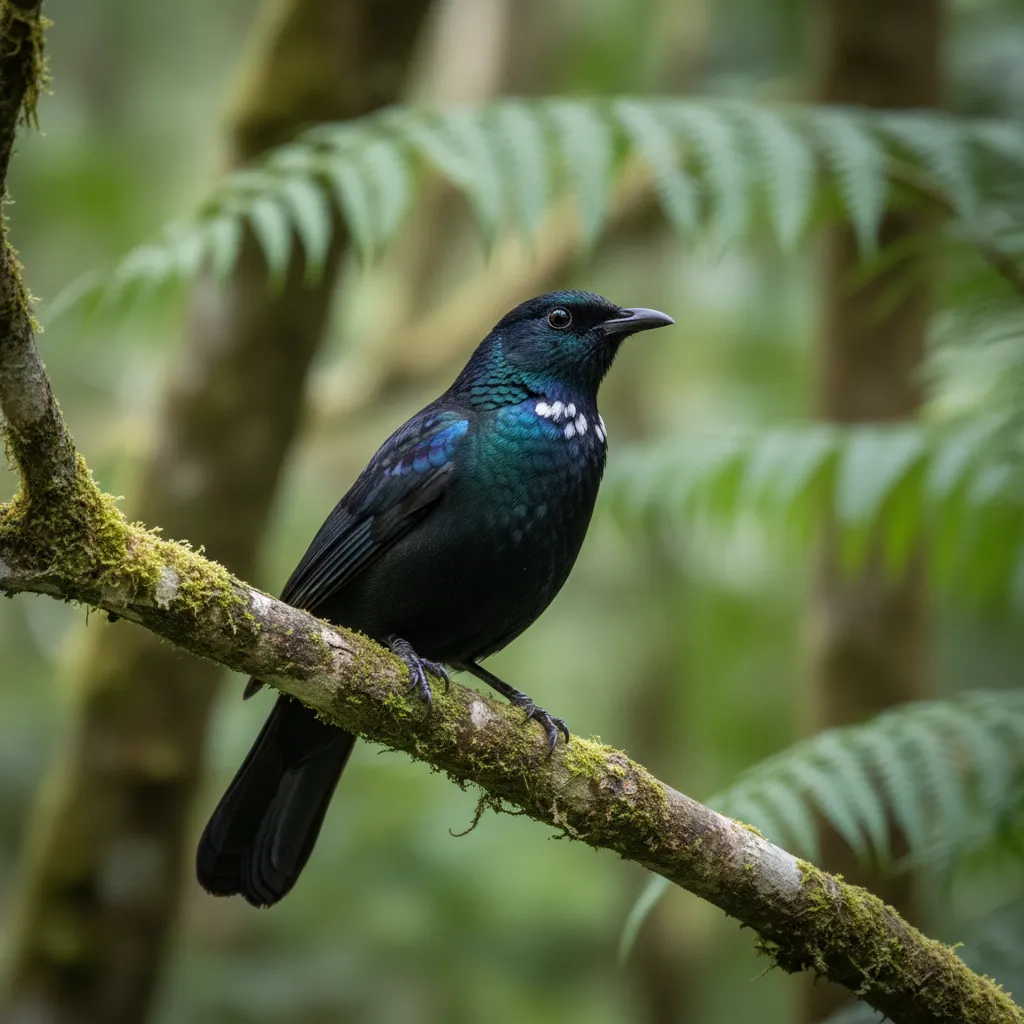
One of the most rewarding aspects of ecotourism is the chance for responsible wildlife observation. However, it’s crucial to approach these encounters with respect and caution to avoid disturbing the animals or their habitats. Adhering to strict guidelines ensures that your experience doesn’t come at the cost of wildlife well-being.
Key principles for responsible wildlife observation include:
- Maintain a respectful distance: Use binoculars or zoom lenses instead of getting too close.
- Never feed wild animals: This can alter their natural behaviour, make them dependent, and introduce diseases.
- Minimise noise and sudden movements: Keep your voice low and move slowly to avoid startling animals.
- Stick to marked trails: Wandering off paths can damage delicate ecosystems and disturb ground-nesting animals.
- Dispose of waste properly: Pack out everything you pack in, leaving no trace behind.
- Support ethical operators: Choose guides who prioritise animal welfare and adhere to responsible practices.
“Our responsibility is to ensure that our appreciation for nature does not inadvertently become a threat to it. Responsible wildlife observation is a cornerstone of true ecotourism.”
Choosing the Right Ecotourism Operator
Selecting a reputable ecotourism provider is paramount to ensuring your trip aligns with sustainable values. Not all operators marketing themselves as “eco-friendly” truly are.
Look for operators who:
- Possess recognised certifications or accreditations (e.g., Qualmark’s Sustainable Tourism Business accreditation in New Zealand).
- Prioritise the use of local guides, providing employment and authentic cultural insights.
- Transparently state their conservation contributions, whether through direct donations, habitat restoration, or research support.
- Operate with small group sizes to minimise environmental impact and enhance the quality of interaction.
- Have clear policies on waste management, energy efficiency, and water conservation.
- Educate guests on local ecology, culture, and responsible practices.
Ecotourism in Aotearoa: A Responsible Way to Explore New Zealand
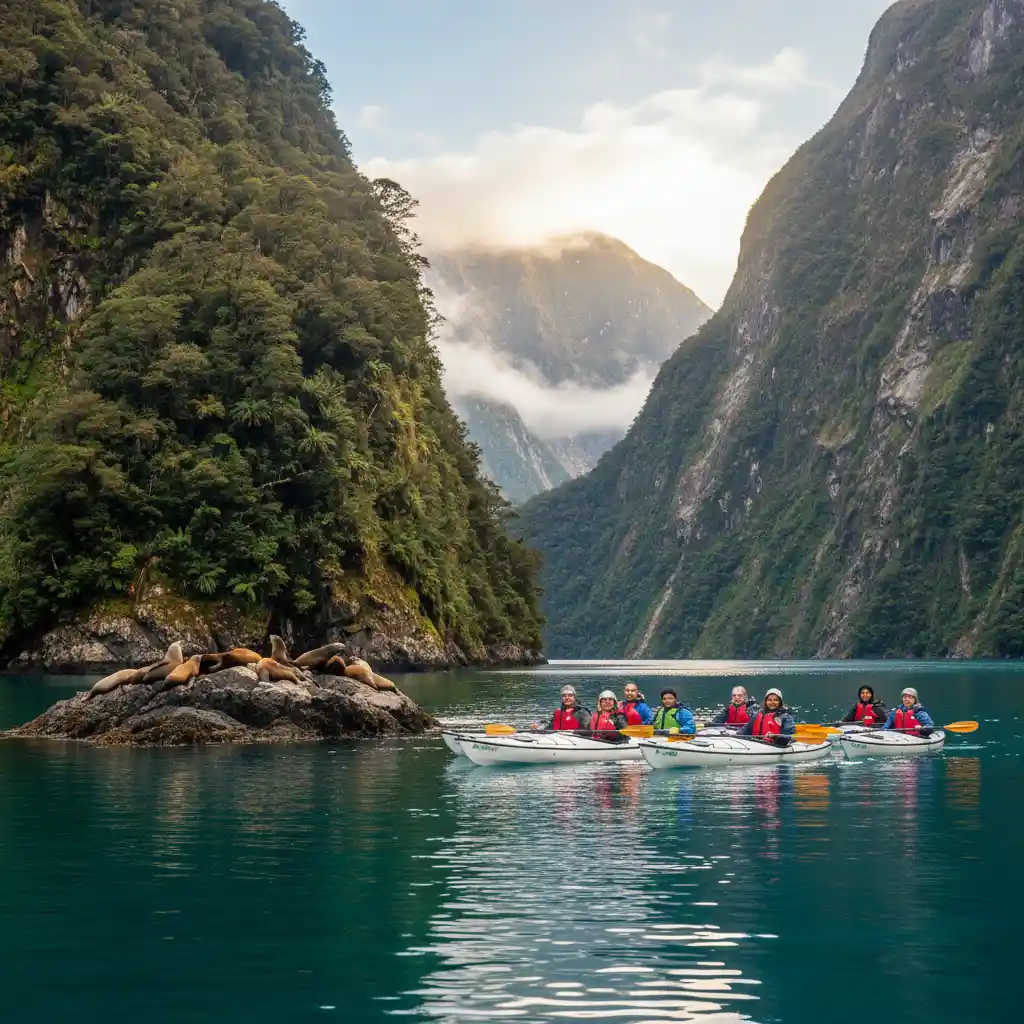
New Zealand, with its breathtaking natural beauty and unique biodiversity, is a prime destination for ecotourism. The Department of Conservation (DOC) plays a crucial role in managing and protecting these natural treasures, and many operators work in partnership with them.
From observing Kāpiti Island’s protected bird sanctuary, swimming with dolphins in Akaroa (under strict regulations), to experiencing Māori cultural tours that share deep reverence for Papatūānuku (Mother Earth), New Zealand offers diverse opportunities for responsible wildlife observation & conservation. Supporting businesses that embody these values directly contributes to the country’s commitment to sustainability and kaitiakitanga (guardianship).
How You Can Be a Responsible Ecotourist
Becoming a responsible ecotourist involves conscious choices before, during, and after your trip. Here’s a step-by-step guide to help you make a positive impact:
1. Research and Choose Wisely
Before booking, thoroughly research your destination and potential tour operators. Look for those committed to ethical practices, certified sustainable tourism, and positive community engagement. Read reviews and seek out recommendations from trusted sources.
2. Respect Wildlife and Their Habitats
Always follow guidelines provided by your guides, local authorities (like NZ DOC), and the principles of ethical wildlife observation. Never approach, feed, or touch wild animals. Observe from a distance, use appropriate gear for viewing, and ensure your presence doesn’t alter their natural behaviour.
3. Support Local Economies
Prioritise local businesses for accommodation, food, souvenirs, and guiding services. This ensures that the economic benefits of your visit directly support the communities living alongside the natural attractions you’ve come to see, strengthening their incentive for conservation.
4. Minimize Your Footprint
Adopt a “Leave No Trace” philosophy. Reduce waste by using reusable bottles and bags, conserve water and energy in your accommodations, and stick to designated paths. Be mindful of your impact on delicate ecosystems.
5. Educate Yourself and Others
Learn about the local environment, culture, and conservation challenges. Share your knowledge and experiences responsibly, inspiring others to embrace sustainable travel practices and support the broader goals of Ecotourism: Responsible Wildlife Observation & Conservation.

Embrace the Journey: Becoming a Steward of Our Natural World
Ecotourism offers a powerful pathway to connect with nature responsibly, contributing to its preservation rather than its degradation. By making informed choices, respecting wildlife, supporting local initiatives, and minimising our environmental impact, we can all become active participants in the vital work of Ecotourism: Responsible Wildlife Observation & Conservation.
Your next adventure can be more than just a holiday; it can be an investment in the health of our planet and a profound experience that enriches both you and the natural world you explore. Choose wisely, tread lightly, and let your travels be a force for good.
Frequently Asked Questions About Ecotourism
What is the core principle of ecotourism?
The core principle of ecotourism is responsible travel to natural areas that conserves the environment, sustains the well-being of local people, and involves interpretation and education. It’s about minimal impact and maximum positive contribution.
How does ecotourism benefit local communities?
Ecotourism provides significant economic benefits to local communities through employment opportunities, support for local businesses (such as crafts, food, and accommodation), and direct financial contributions to community development and conservation projects. It also fosters cultural pride and the preservation of traditional knowledge.
What should I look for in an ecotourism operator?
When choosing an ecotourism operator, look for clear commitments to sustainability, recognised certifications (like Qualmark in New Zealand), practices that minimise environmental impact, transparent contributions to conservation, and engagement with local communities. They should also prioritise small group sizes and educate visitors on responsible practices.
Can ecotourism really make a difference for conservation?
Absolutely. When implemented ethically and managed effectively, ecotourism can be a powerful force for conservation. It generates vital funds for protected areas, supports anti-poaching and habitat restoration efforts, raises public awareness, and provides economic alternatives to activities that might otherwise degrade natural environments, directly contributing to wildlife observation & conservation.
References & Further Reading
- The International Ecotourism Society (TIES). “What is Ecotourism?” Retrieved from ecotourism.org [Accessed on October 26, 2023]
- United Nations World Tourism Organization (UNWTO). “Sustainable Tourism Development.” Retrieved from unwto.org [Accessed on October 26, 2023]
- Grand View Research. “Ecotourism Market Size, Share & Trends Analysis Report.” Published: June 2023. Retrieved from grandviewresearch.com [Accessed on October 26, 2023]
- Department of Conservation (DOC) New Zealand. “Visitor Information & Regulations.” Retrieved from doc.govt.nz [Accessed on October 26, 2023]
- Qualmark New Zealand. “Sustainable Tourism Business Accreditation.” Retrieved from qualmark.co.nz [Accessed on October 26, 2023]