Sustainable Recycling in New Zealand: Eco-Friendly Solutions
New Zealand, a nation celebrated for its pristine landscapes and unique biodiversity, faces a critical challenge: managing its waste sustainably. As guardians of Aotearoa, understanding and implementing effective recycling practices isn’t just an option—it’s a responsibility.
This article dives deep into the world of Sustainable Recycling in New Zealand: Eco-Friendly Solutions. We’ll explore the current landscape, uncover practical tips for households and businesses, and look towards a future where waste is minimized, and resources are valued. Join us on a journey to transform how we think about and engage with our waste.
Table of Contents
- Understanding Sustainable Recycling in NZ
- The Current State of Recycling in Aotearoa
- Key Eco-Friendly Recycling Solutions for Households and Businesses
- Beyond the Bin: Reducing Waste at the Source
- The Future of Sustainable Recycling in New Zealand
- Conclusion: Our Collective Role
- Frequently Asked Questions (FAQ)
- References/Sources
Understanding Sustainable Recycling in NZ
Sustainable recycling goes beyond simply putting items in the yellow bin. It’s about a holistic approach that considers the entire lifecycle of a product—from its raw materials and manufacturing to its disposal and potential rebirth. For New Zealand, with its unique ecosystems and commitment to kaitiakitanga (guardianship), this approach is particularly vital.
When we talk about Sustainable Recycling in New Zealand: Eco-Friendly Solutions, we’re aiming to minimize environmental impact, conserve precious natural resources, reduce landfill waste, and cut down on greenhouse gas emissions. It’s an economic imperative too, fostering green jobs and creating value from what was once considered waste.
📊 Stat Callout:
Each New Zealander sends an average of 750kg of waste to landfill every year. Boosting sustainable recycling is key to significantly reducing this figure.
The Current State of Recycling in Aotearoa
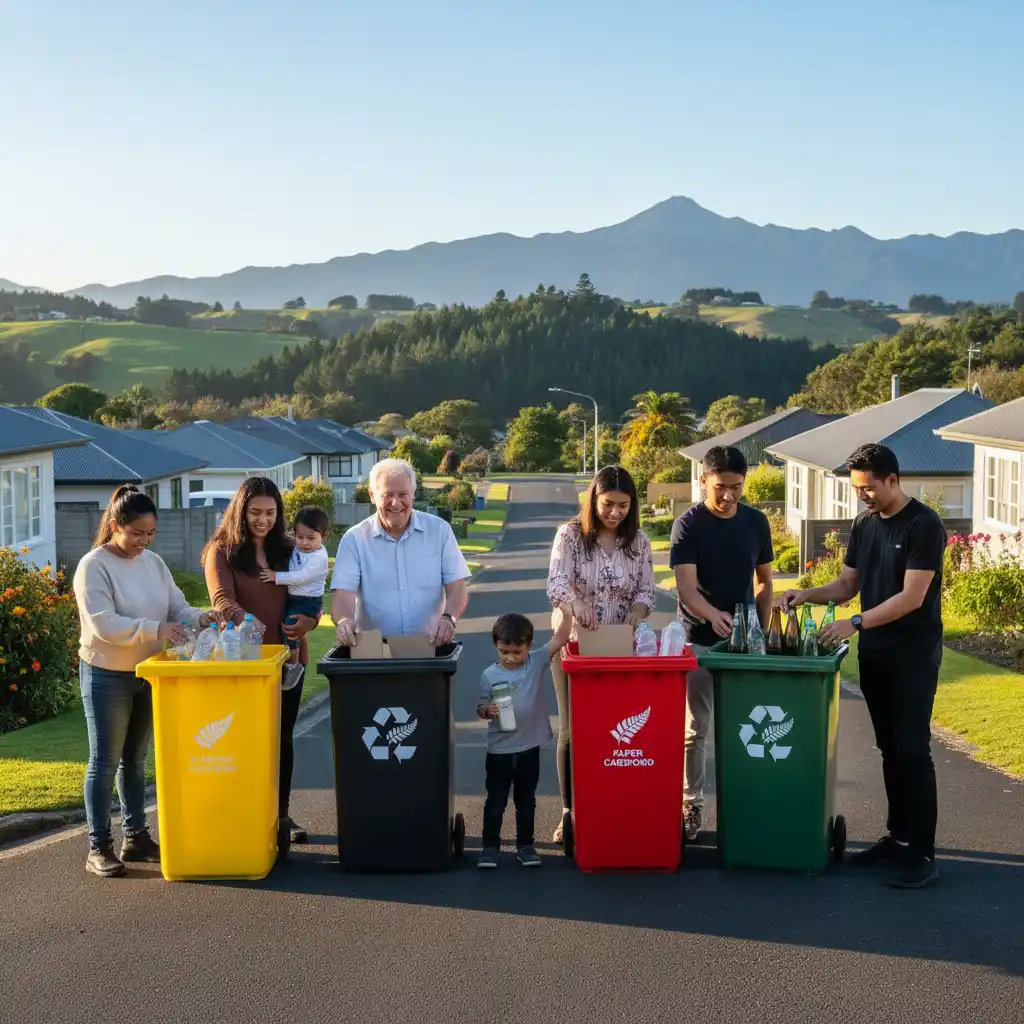
New Zealand’s recycling infrastructure has made significant strides, yet challenges persist. Kerbside collection is widespread, but inconsistencies between council regions can lead to confusion and contamination. Material recovery facilities (MRFs) work hard to sort and process, but the global market for recycled materials often dictates what’s viable.
Efforts are underway to standardize recycling, improve data collection, and invest in local processing capabilities. The government’s Waste Minimisation Act and product stewardship schemes are crucial steps towards a more robust and sustainable system.
📊 Stat Callout:
Despite challenges, over 90% of New Zealand households have access to kerbside recycling services, highlighting a strong foundation for improvement.
“The journey to zero waste in New Zealand requires not just policy and infrastructure, but a collective shift in mindset towards valuing resources and preventing waste at its source.”
Key Eco-Friendly Recycling Solutions for Households and Businesses
Empowering yourself with knowledge is the first step towards impactful change. Here are practical ways to enhance your Sustainable Recycling in New Zealand: Eco-Friendly Solutions efforts.
1. Mastering Your Kerbside Collection
The yellow bin is your primary tool. But are you using it correctly? Contamination is a major issue, leading to entire loads being sent to landfill.
- Know Your Local Rules: Check your local council’s website (e.g., Auckland Council, Wellington City Council) for specific guidelines. What’s accepted in one area might not be in another.
- Rinse It Right: Always rinse food containers (bottles, jars, trays) to prevent contamination and unpleasant odours.
- No Bags in the Bin: Place recyclables loose in your kerbside bin. Plastic bags are a major contaminant and can jam machinery.
- Flatten Cardboard: This saves space and helps with processing.
2. Diving Deeper: Hard-to-Recycle Items
Many items can’t go into your kerbside bin but still have recycling pathways. These often require dedicated schemes.
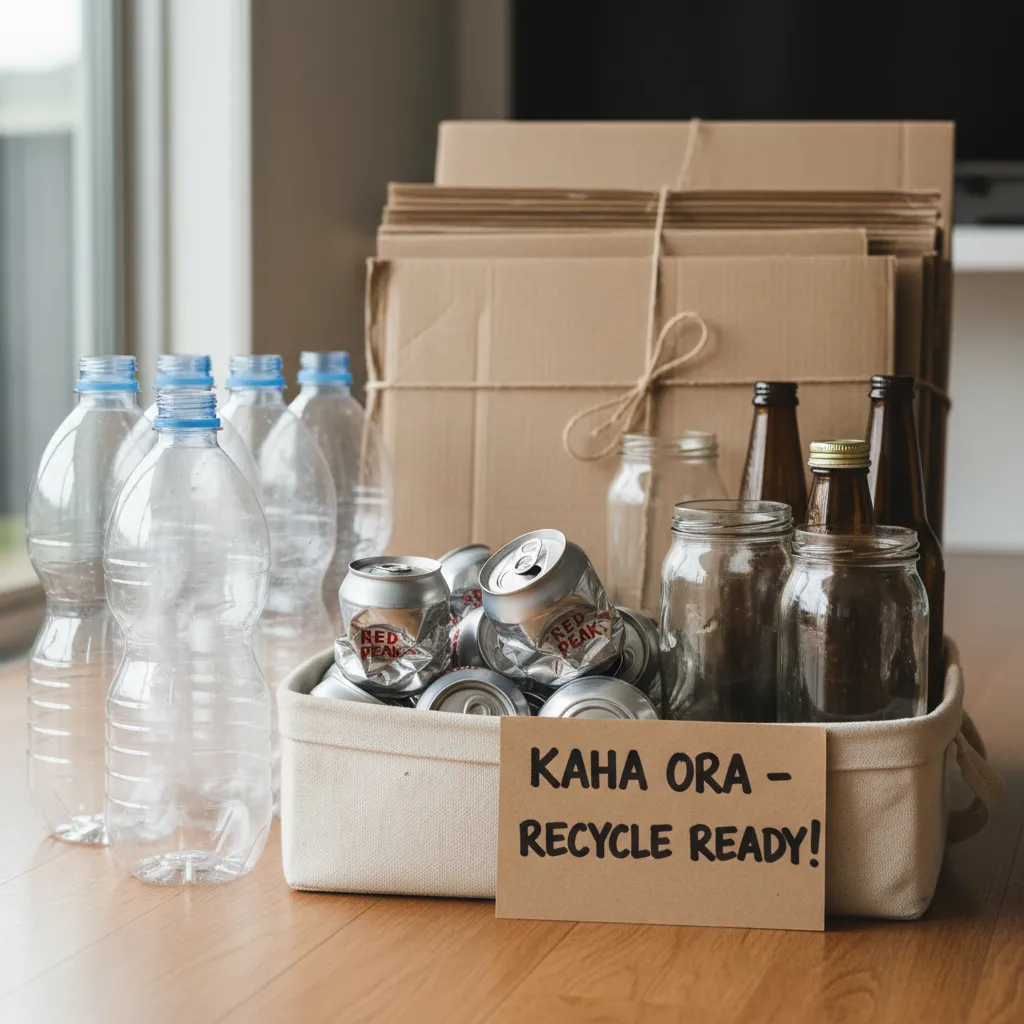
- Soft Plastics: Look for soft plastic recycling bins at participating supermarkets (e.g., New World, Pak’nSave). These are often processed into items like ‘Future Post’ farm fence posts.
- E-Waste: Old electronics (phones, computers, TVs) contain valuable materials and hazardous substances. Services like E-waste.co.nz or specific retail take-back programs are crucial.
- Batteries: Never put batteries in kerbside bins. Retailers like PB Tech or dedicated recycling centers often accept them.
- Textiles: While difficult to recycle, consider donating wearable clothes, repurposing fabrics, or seeking out textile recycling initiatives when available.
3. Innovating with Organics: Composting and Food Waste
Food scraps and garden waste constitute a significant portion of landfill waste, producing potent greenhouse gases like methane.
- Home Composting: A simple and effective way to turn food scraps and garden waste into rich soil conditioner. Worm farms are another excellent option for smaller spaces.
- Council Food Scraps Collection: Some councils now offer dedicated kerbside collections for food scraps, diverting them from landfill to commercial composting facilities. Check if this is available in your area.
- Bokashi Systems: An indoor fermentation method that breaks down all food waste, including meat and dairy, before burying it or adding to compost.
📊 Stat Callout:
Food waste accounts for over 30% of the average New Zealand household’s rubbish bin. Diverting this through composting or collection dramatically reduces landfill impact.
Beyond the Bin: Reducing Waste at the Source
True sustainability begins long before an item reaches the recycling bin. The ‘reduce, reuse, recycle’ hierarchy emphasizes prevention as the most impactful step.
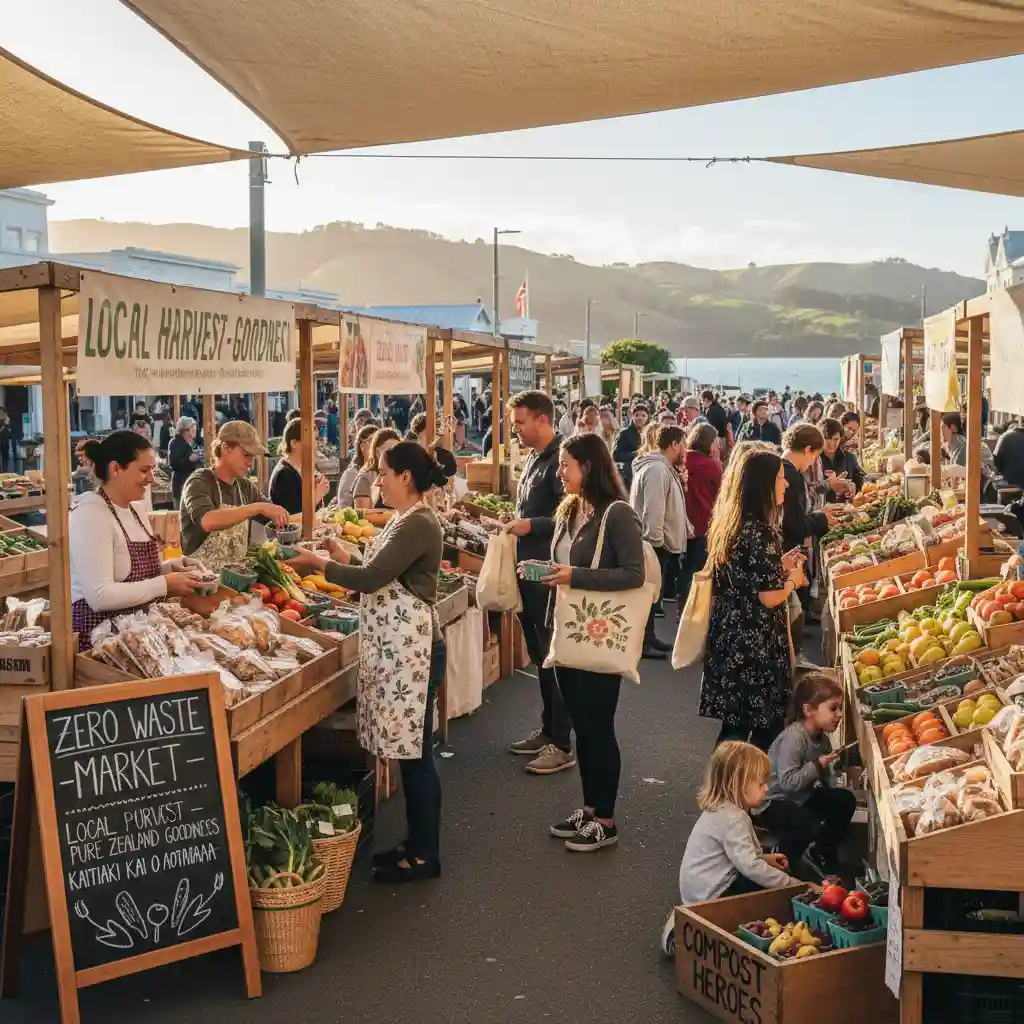
- Reduce Consumption: Ask yourself if you truly need something before buying. Choose quality over quantity.
- Embrace Reusables: Opt for reusable coffee cups, water bottles, shopping bags, and food containers.
- Repair and Repurpose: Extend the life of items by fixing them or finding new uses. Many communities have repair cafés.
- Buy Smart: Support brands committed to minimal packaging, recycled content, and circular economy principles. Look for products made to last.
The Future of Sustainable Recycling in New Zealand
The future of Sustainable Recycling in New Zealand: Eco-Friendly Solutions is bright, driven by innovation, government initiatives, and increasing public awareness.
- Product Stewardship: Expanding schemes where producers are responsible for the end-of-life management of their products (e.g., tires, batteries, agricultural plastics).
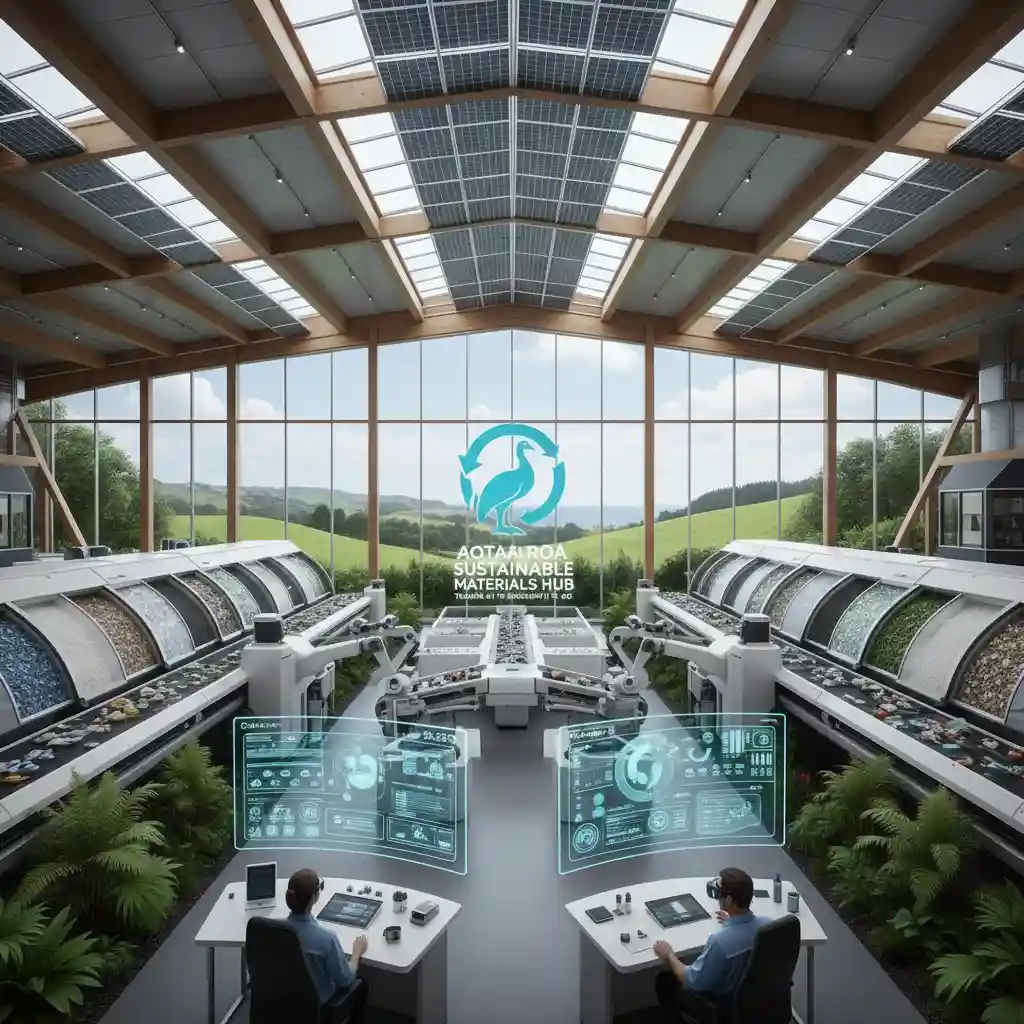
- Local Processing: Investment in advanced material recovery facilities and local manufacturing that can utilize recycled content, reducing reliance on exports.
- Digital Solutions: Apps and smart bins that help consumers identify what can be recycled and where, improving accuracy and reducing contamination.
- Policy Harmonisation: Efforts to create consistent recycling rules across all councils, making it easier for everyone to recycle correctly.
📊 Stat Callout:
The New Zealand government has set a target to double the amount of materials diverted from landfill by 2030, underscoring the ambition for a circular economy.
Conclusion: Our Collective Role
Sustainable Recycling in New Zealand: Eco-Friendly Solutions is not a passive activity; it’s an active commitment from every individual, household, and business. By understanding local guidelines, seeking out specialized recycling streams, and prioritizing waste reduction, we contribute directly to a healthier, more beautiful Aotearoa.
Let’s embrace our role as kaitiaki, making informed choices that protect our unique environment for generations to come. Every bottle rinsed, every item composted, and every unnecessary purchase avoided adds up to a powerful collective impact.
Frequently Asked Questions (FAQ)
What are the biggest challenges for sustainable recycling in New Zealand?
New Zealand faces challenges such as inconsistent kerbside collection services across different regions, high contamination rates in recycling bins, the complexities of recycling less common materials (like soft plastics and e-waste), and the economic viability of processing recycled materials locally rather than exporting them. Educating the public on proper sorting and reducing overall consumption are also significant hurdles.
How can I find out what is recyclable in my specific New Zealand region?
Recycling rules can vary significantly between different councils in New Zealand. The best way to find accurate information for your area is to visit your local council’s website or use their dedicated recycling app/tool if available. Look for sections on ‘Waste and Recycling’ or ‘Kerbside Collection’.
What are some eco-friendly alternatives to traditional recycling for reducing waste?
Beyond traditional recycling, focusing on the ‘reduce’ and ‘reuse’ aspects of the waste hierarchy is crucial. This includes reducing consumption, choosing durable and reusable products, repairing items instead of replacing them, donating usable goods, composting organic waste, and supporting businesses with circular economy models and minimal packaging.
Does New Zealand have solutions for hard-to-recycle items like electronics and batteries?
Yes, while not always part of kerbside collection, New Zealand has various schemes and drop-off points for hard-to-recycle items. For electronics (e-waste), initiatives like Recycle A Device (RAD), TechCollect NZ, and specific retail take-back programs exist. Batteries often have collection points at major retailers or specialized recycling centers. Soft plastics can sometimes be recycled through dedicated supermarket collection schemes. Always check local directories or council websites for the nearest facilities.
How does sustainable recycling contribute to New Zealand’s environmental goals?
Sustainable recycling is vital for New Zealand’s environmental goals by reducing the volume of waste sent to landfill, conserving natural resources, decreasing greenhouse gas emissions associated with manufacturing new products, and preventing pollution. It supports the transition to a circular economy, aligning with the principle of kaitiakitanga (guardianship) of the land and sea, and helps protect New Zealand’s unique biodiversity.
References/Sources
- Ministry for the Environment. (n.d.). Waste and recycling in New Zealand. Retrieved from environment.govt.nz
- Stats NZ. (2022). Waste to landfill. Retrieved from stats.govt.nz
- WasteMINZ. (n.d.). Product Stewardship schemes. Retrieved from wasteminz.org.nz
- Love Food Hate Waste NZ. (n.d.). Food Waste Facts. Retrieved from lovefoodhatewaste.co.nz
- Local Council Websites (e.g., Auckland Council, Wellington City Council – for specific recycling guidelines).