Effective Water Conservation Strategies for New Zealand Homes
In Aotearoa, New Zealand, our abundant natural beauty often lulls us into a sense of endless resources. Yet, even with our stunning rivers and lakes, water scarcity is a growing concern, particularly in urban areas and during dry spells. Shifting towards a more sustainable lifestyle means acknowledging our impact and taking proactive steps.
This comprehensive guide delves into effective water conservation strategies for New Zealand homes, offering practical tips and actionable insights to help you reduce your water footprint, save on utility bills, and contribute to a healthier environment for future generations. From simple behavioural changes to smart home upgrades, every drop saved makes a difference.
Table of Contents
- Understanding Water Scarcity and Its Importance in New Zealand
- Key Strategies for Indoor Water Conservation
- Optimising Outdoor Water Use for NZ Gardens
- Advanced Water-Saving Technologies & Sustainable Habits
- The Broader Impact: Why Every Drop Counts
- Action Checklist: Your Personal Water Conservation Plan
- Frequently Asked Questions (FAQ)
- References/Sources
Understanding Water Scarcity and Its Importance in New Zealand
New Zealand’s climate varies significantly across regions, leading to periods of drought in some areas, even as others experience heavy rainfall. Our growing population, coupled with agricultural demands and the impacts of climate change, places increasing pressure on freshwater resources. Local councils often implement water restrictions, highlighting the urgency of adopting effective water conservation strategies.
Conserving water isn’t just about complying with regulations; it’s about building resilience, protecting aquatic ecosystems, and ensuring a sustainable future for our communities. Every household’s effort contributes to the collective health of our environment.
STAT CALLOUT:
A typical New Zealand household uses an average of 200-250 litres of water per person per day. Up to 70% of this is used indoors, primarily in the bathroom and laundry. (Source: Watercare, various council reports)
Key Strategies for Indoor Water Conservation
The majority of household water consumption happens indoors. Small changes in habits and simple upgrades can lead to significant savings.
The Bathroom: Your Biggest Water User
- Shorter Showers: Aim for 5-minute showers. A standard shower uses about 15-20 litres per minute. Reducing shower time by just a few minutes can save hundreds of litres weekly.
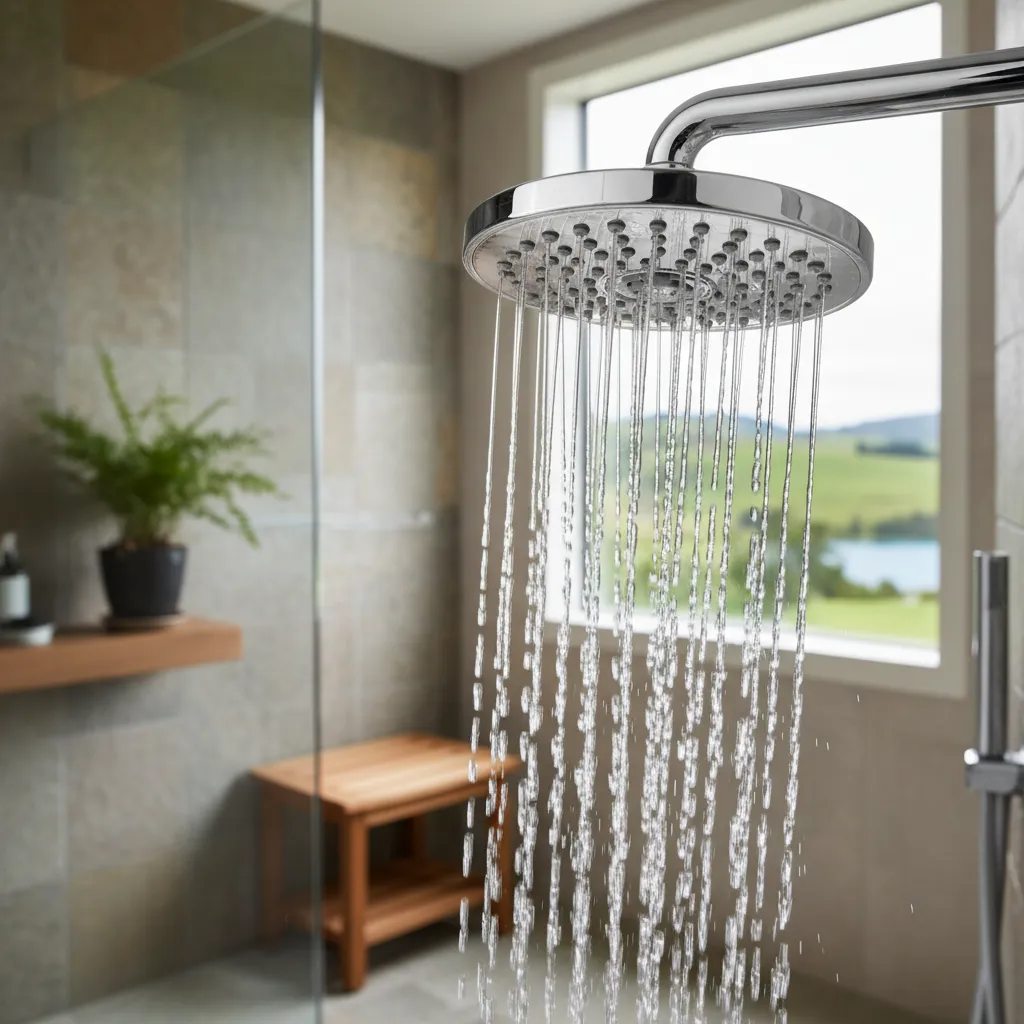
- Install Low-Flow Showerheads and Taps: These fixtures significantly reduce water usage without compromising pressure. Look for products with a WELS (Water Efficiency Labelling and Rating Scheme) rating of 3 stars or higher.
- Fix Leaks Promptly: A dripping tap can waste thousands of litres of water a year. Check for leaks in toilets too; a silent leak can be a major culprit.
- Turn Off the Tap: While brushing teeth, shaving, or washing your face, turn off the tap. This simple habit can save around 10 litres each time.
- Dual-Flush Toilets: If you’re renovating, consider installing a dual-flush toilet. If not, placing a displacement device (like a plastic bottle filled with water) in your toilet cistern can reduce the volume per flush for older models.
Kitchen and Laundry: Everyday Savings
- Full Loads Only: Run your dishwasher and washing machine only when they’re full. This maximises efficiency and minimises water and energy waste.
- Efficient Appliances: When replacing appliances, choose models with high WELS ratings. Modern dishwashers often use less water than hand-washing.
- Don’t Thaw Under Running Water: Thaw frozen food in the refrigerator overnight instead of using running water.
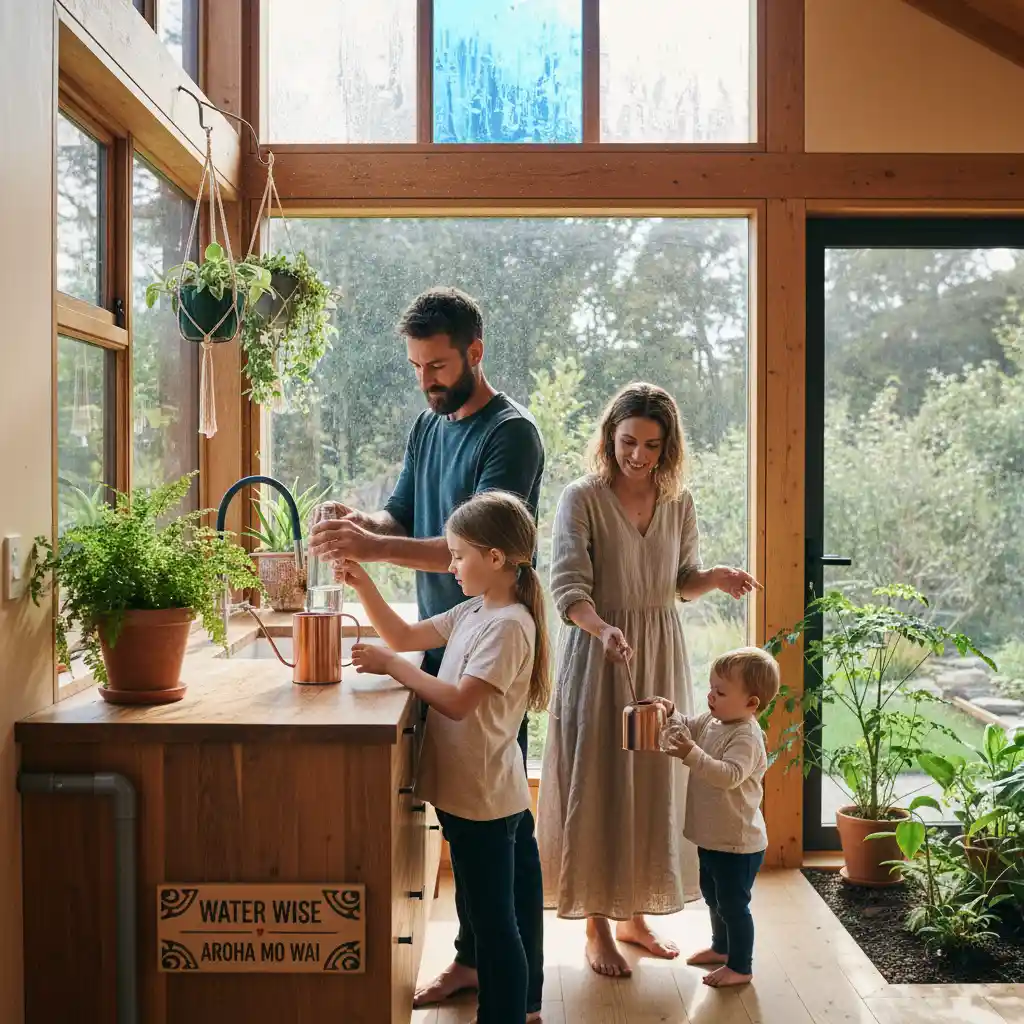
- Collect Rinse Water: Use a basin to collect water when rinsing fruits and vegetables. This water can then be used to water houseplants.
“Adopting effective water conservation strategies within your home isn’t just about saving money; it’s a direct investment in New Zealand’s environmental future and our collective well-being.” – Local Water Authority Spokesperson
Optimising Outdoor Water Use for NZ Gardens
Gardens can consume a significant amount of water, especially during New Zealand’s warmer months. Smart outdoor practices are crucial for sustainable living.
- Water Wisely: Water your garden early in the morning or late in the evening to minimise evaporation. Focus water at the base of plants, where it’s most needed.
- Mulch, Mulch, Mulch: Apply a layer of organic mulch (compost, bark, straw) around plants. This helps retain soil moisture, suppresses weeds, and reduces the need for frequent watering.
- Choose Drought-Tolerant Plants: Select native New Zealand plants or other species that are well-suited to your local climate and require less water.
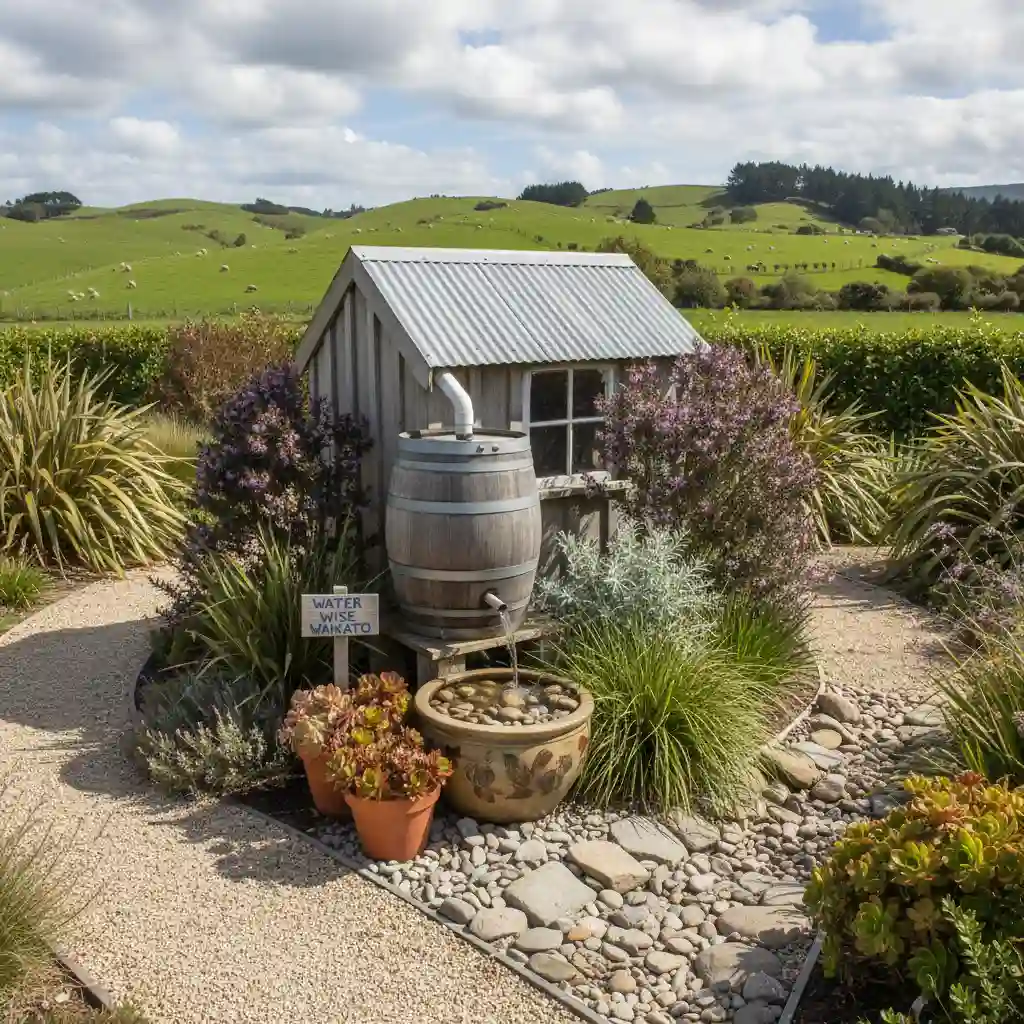
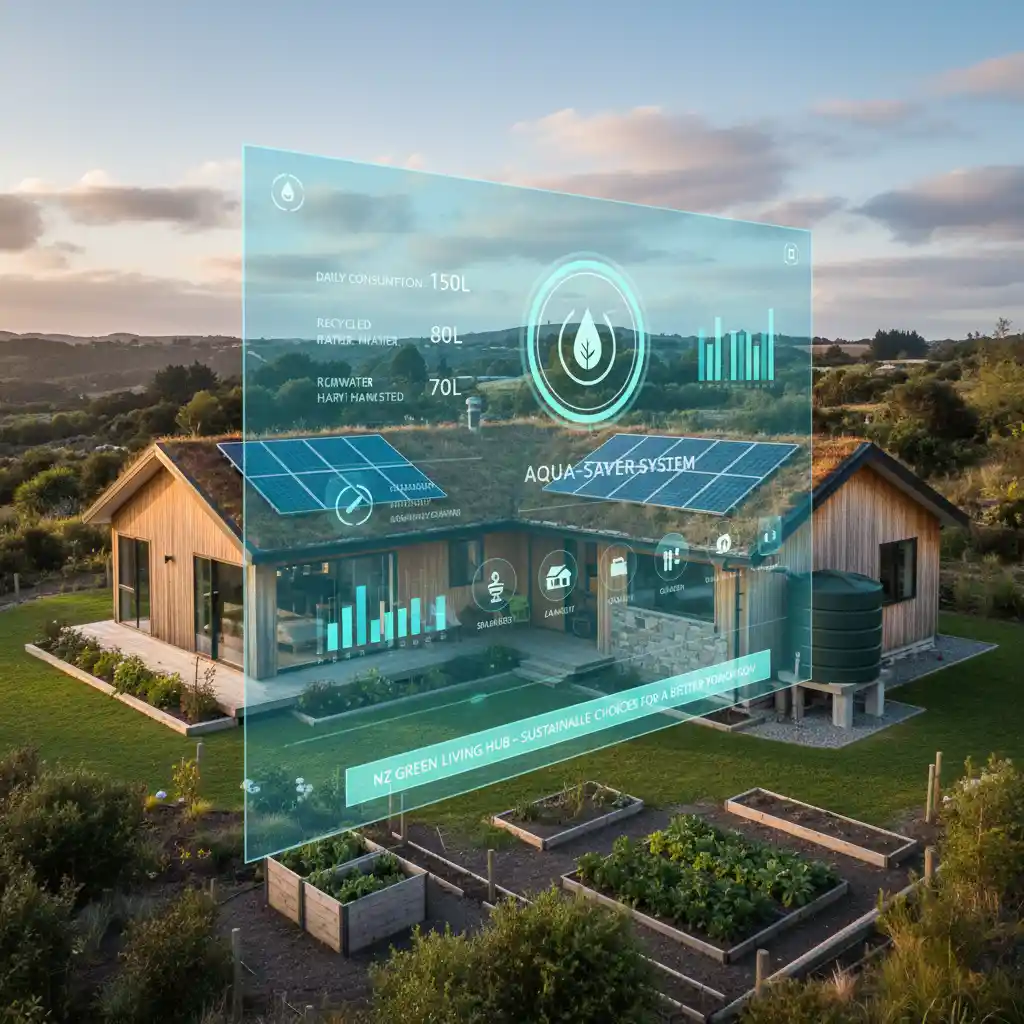
- Rainwater Harvesting: Install a rain barrel or a larger rainwater tank to collect rainwater from your roof. This water is excellent for gardens and can be used for car washing or flushing toilets (with appropriate systems).
- Smart Irrigation: Consider drip irrigation systems or soaker hoses, which deliver water directly to the plant roots, significantly reducing waste compared to sprinklers. Smart controllers can adjust watering based on weather conditions.
STAT CALLOUT:
Outdoor water use can account for 20-50% of a household’s total water consumption, with lawn and garden irrigation being the biggest contributors. (Source: EPA WaterSense, adapted for NZ context)
Advanced Water-Saving Technologies & Sustainable Habits
For those looking to take their water conservation efforts further, there are innovative technologies and habits that offer even greater savings.
- Greywater Systems: Investigate installing a greywater recycling system, which reuses water from showers, baths, and washing machines for garden irrigation or toilet flushing. Always check local council regulations and get professional advice.
- Composting Toilets: While a significant change, composting toilets eliminate the need for water flushing entirely, offering a radical solution for water saving.
- Water Audits: Consider a professional water audit for your home. Experts can identify hidden leaks and inefficient fixtures you might miss.
- Educate Your Household: Ensure everyone in your home understands the importance of water conservation and participates in these strategies. Collective effort yields the best results.
The Broader Impact: Why Every Drop Counts
Beyond your utility bill, embracing effective water conservation strategies has far-reaching benefits. It reduces the energy required to treat and pump water, lowering your carbon footprint. It protects New Zealand’s precious freshwater ecosystems, ensuring habitats for native species thrive. Ultimately, it’s a commitment to a more resilient, sustainable Aotearoa.
STAT CALLOUT:
Water treatment and delivery systems are energy-intensive. Reducing water demand directly translates to a decrease in energy consumption and associated greenhouse gas emissions. (Source: Ministry for the Environment NZ)
Action Checklist: Your Personal Water Conservation Plan
Ready to make a difference? Use this checklist to kickstart your journey to a water-wise home:
- Indoor Quick Wins:
- ✅ Take shorter showers (aim for 5 minutes).
- ✅ Turn off the tap while brushing teeth/shaving.
- ✅ Fix any leaky taps or toilets immediately.
- ✅ Run washing machine and dishwasher only when full.
- Indoor Upgrades:
- ✅ Install low-flow showerheads and tap aerators.
- ✅ Consider a dual-flush toilet or cistern displacement.
- Outdoor Strategies:
- ✅ Water gardens in early morning/late evening.
- ✅ Apply mulch to garden beds.
- ✅ Plant drought-tolerant native species.
- ✅ Install a rain barrel or tank for garden use.
- Advanced & Ongoing:
- ✅ Research greywater recycling feasibility for your home.
- ✅ Conduct a home water audit.
- ✅ Educate and involve all household members.
- ✅ Monitor your water bill for unusual spikes.
Frequently Asked Questions (FAQ)
How much water can a typical NZ household save by adopting these strategies?
By implementing a combination of these effective water conservation strategies, a typical New Zealand household could potentially reduce their water consumption by 20-40% annually, depending on their current usage habits and the extent of upgrades made. This translates to significant savings on water bills and a reduced environmental impact.
Are low-flow fixtures less effective than standard ones?
Modern low-flow fixtures (showerheads, taps, toilets) are designed to be highly efficient without sacrificing performance. Thanks to advancements in technology, they use less water by optimising pressure and spray patterns, providing a satisfying user experience while saving water.
Is rainwater harvesting legal in New Zealand?
Yes, rainwater harvesting is generally legal and encouraged in New Zealand. Most councils support residents collecting rainwater for non-potable uses like garden irrigation or toilet flushing. However, if you plan to connect it to your main household supply or use it for drinking, specific building codes and health regulations apply, and you should check with your local council and a certified plumber.
What are the first steps I should take if my goal is effective water conservation?
Start with the easiest and most impactful behavioural changes: take shorter showers, turn off taps when not in use, and fix any visible leaks. Once these habits are established, consider low-cost upgrades like tap aerators and then larger investments like low-flow showerheads or rainwater tanks. Education and consistency are key.
Conclusion
Embracing effective water conservation strategies for New Zealand homes is more than just a trend; it’s a fundamental aspect of sustainable living. By making conscious choices and adopting both simple habits and smart technologies, every household can play a vital role in preserving our precious water resources. Start today, and contribute to a resilient, water-wise Aotearoa for generations to come.
References/Sources
- Ministry for the Environment. (Various Publications). Accessed via environment.govt.nz.
- Watercare Services Ltd. (Annual Reports & Consumer Advice). Accessed via watercare.co.nz.
- WELS Scheme (Water Efficiency Labelling and Rating Scheme). Accessed via waterrating.gov.au (relevant for NZ as well).
- Various New Zealand Local Council Water Conservation Guides (e.g., Auckland Council, Wellington City Council).
- Environmental Protection Agency (EPA) WaterSense Program (for general water-saving principles). Accessed via epa.gov/watersense.