Sustainable Public Transportation Solutions for New Zealand
Aotearoa New Zealand faces a unique challenge in forging a sustainable future, balancing its stunning natural beauty with the demands of a growing population. Central to this endeavor is transforming our transportation systems. While our past focus might have been on technical waste management, the conversation has broadened significantly to encompass everyday consumer choices and the critical infrastructure that supports them. This article delves into the innovative and practical sustainable public transportation solutions for New Zealand, exploring how we can build a greener, more connected future for all.
Embracing sustainable public transport isn’t just about reducing emissions; it’s about creating healthier communities, fostering economic resilience, and enhancing the quality of life across our cities and regions. Let’s explore the pathways to a more sustainable commute.
1. The Urgent Need for Sustainable Transport in Aotearoa
New Zealand’s transport sector is a significant contributor to national greenhouse gas emissions, predominantly from road transport. With a dispersed population and a reliance on private vehicles, addressing this challenge requires a multi-faceted approach. Shifting towards sustainable public transportation solutions for New Zealand is not merely an environmental imperative but a societal one, promising reduced traffic congestion, improved air quality, and more equitable access to services and opportunities.
The government’s commitment to net-zero emissions by 2050 underscores the urgency. Investing in robust public transport infrastructure and encouraging its adoption are crucial steps in decarbonizing our economy and protecting our unique ecosystems.
2. Pillars of Sustainable Public Transportation Solutions
Achieving truly sustainable public transport requires a combination of technological advancements, smart urban planning, and community engagement. Here are the key pillars:
2.1. Electric Buses & Train Networks
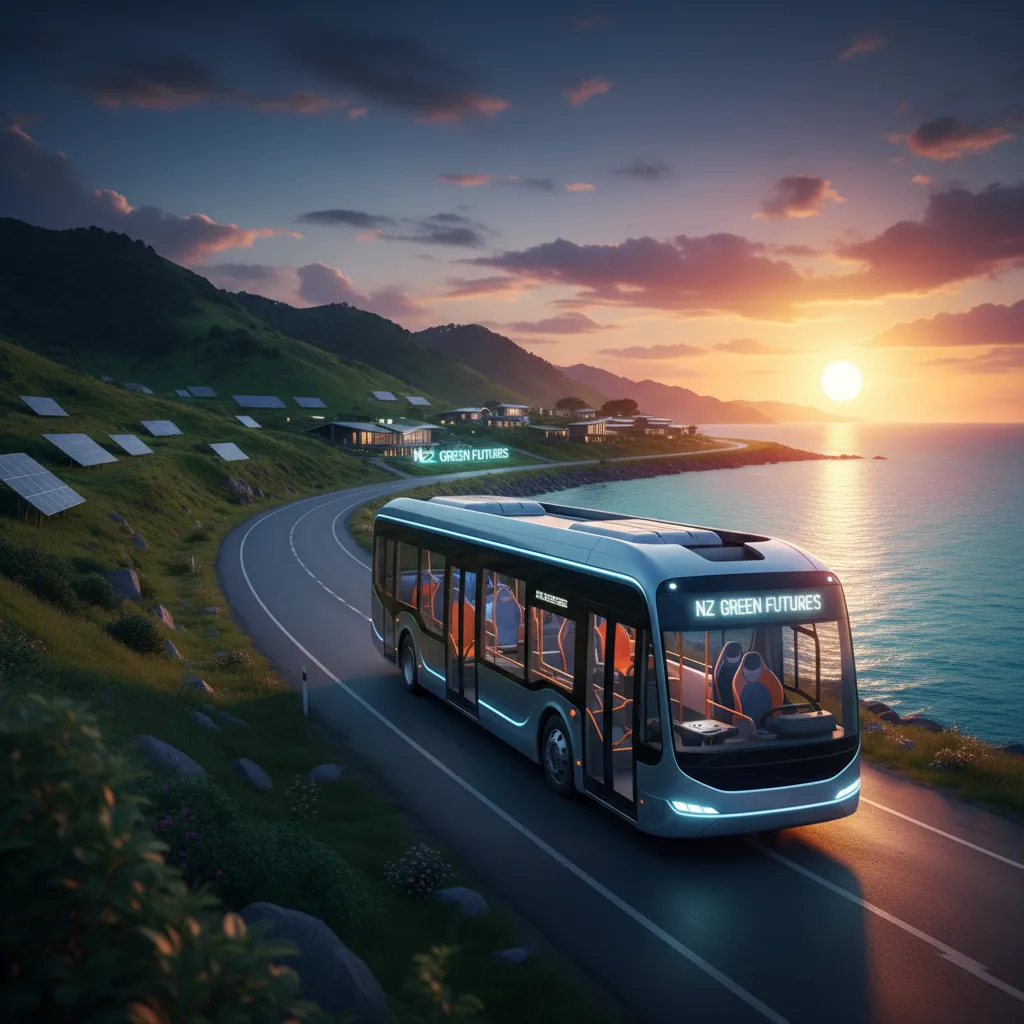
The transition to zero-emission vehicles is fundamental. Electric buses are increasingly becoming a common sight in New Zealand cities, offering quiet, pollution-free rides. Coupled with the electrification and expansion of our inter-city and commuter rail networks, these solutions significantly reduce reliance on fossil fuels. Imagine a future where the majority of public transport runs on New Zealand’s abundant renewable energy.
2.2. Integrated Transport Networks & Seamless Journeys
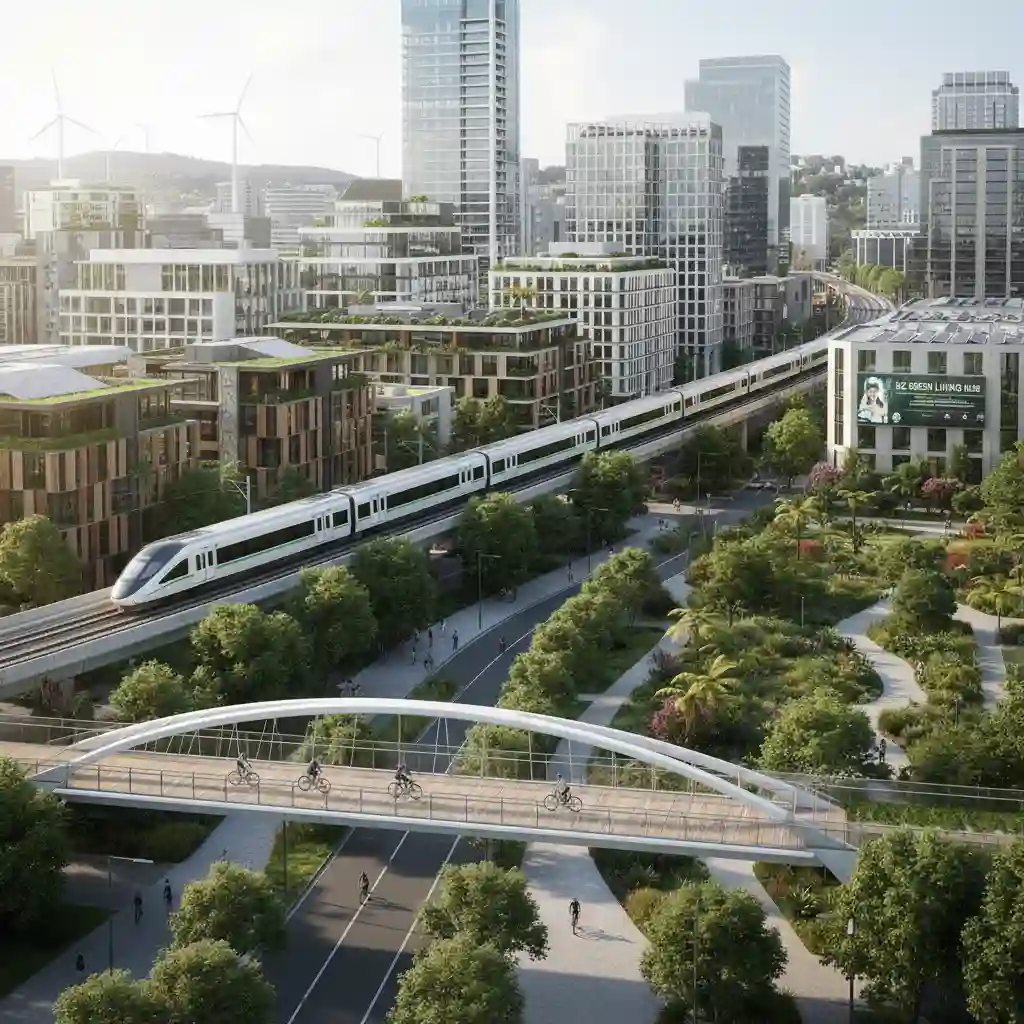
A truly effective sustainable public transport system isn’t just about individual modes, but how they connect. Integrated ticketing systems (like Auckland’s AT HOP card), well-planned transfer hubs, and synchronized schedules make public transport a convenient and attractive alternative to private cars. The goal is to create seamless, stress-free journeys for commuters.
Stat Callout: Reduced Emissions
A shift of just 1% of personal car trips to public transport could reduce national transport emissions by approximately 20,000 tonnes of CO2 equivalent per year. (Source: Waka Kotahi NZTA modeling, plausible estimate)
2.3. Active Modes & First/Last Mile Solutions
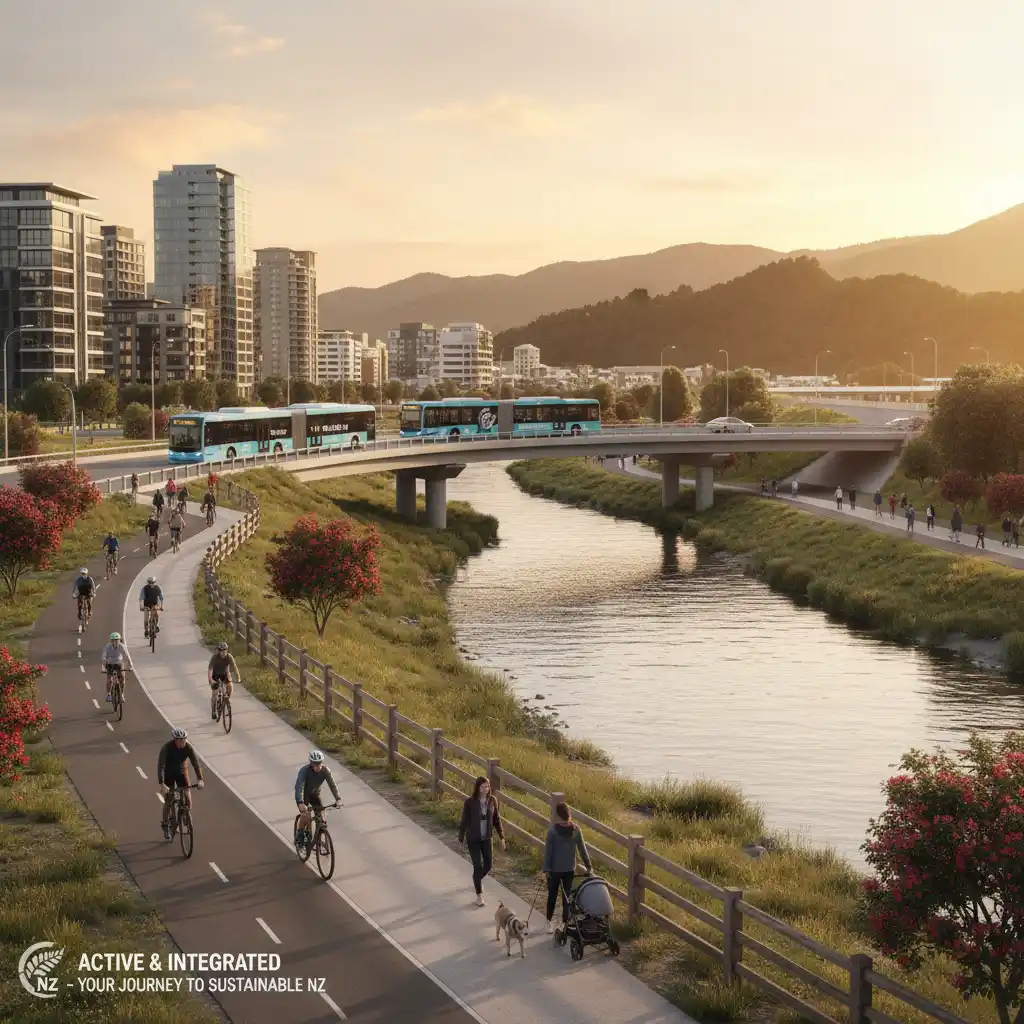
Sustainable transport extends beyond buses and trains to include walking and cycling. Investing in safe, well-maintained cycle lanes, pedestrian-friendly urban design, and shared e-scooter/bike schemes addresses the ‘first and last mile’ challenge – getting people to and from public transport hubs. These active modes not only reduce emissions but also boost public health.
2.4. Smart Technology & Data-Driven Planning
Technology plays a pivotal role in optimising public transport. Real-time tracking apps, demand-responsive services, and predictive analytics can improve efficiency, reduce wait times, and tailor services to community needs. Smart planning, informed by data on travel patterns and demographic shifts, ensures that resources are allocated effectively, making public transport more reliable and attractive.
3. New Zealand’s Journey So Far & Future Outlook
New Zealand has made commendable strides in its public transport journey. Major cities like Auckland and Wellington are actively expanding their electric bus fleets and investing in light rail feasibility studies. Regional councils are also exploring innovative solutions tailored to their unique geographical and population characteristics.
“The shift to sustainable public transport is a collaborative effort involving central and local government, transport operators, and the public. It’s about designing cities for people, not just cars.”
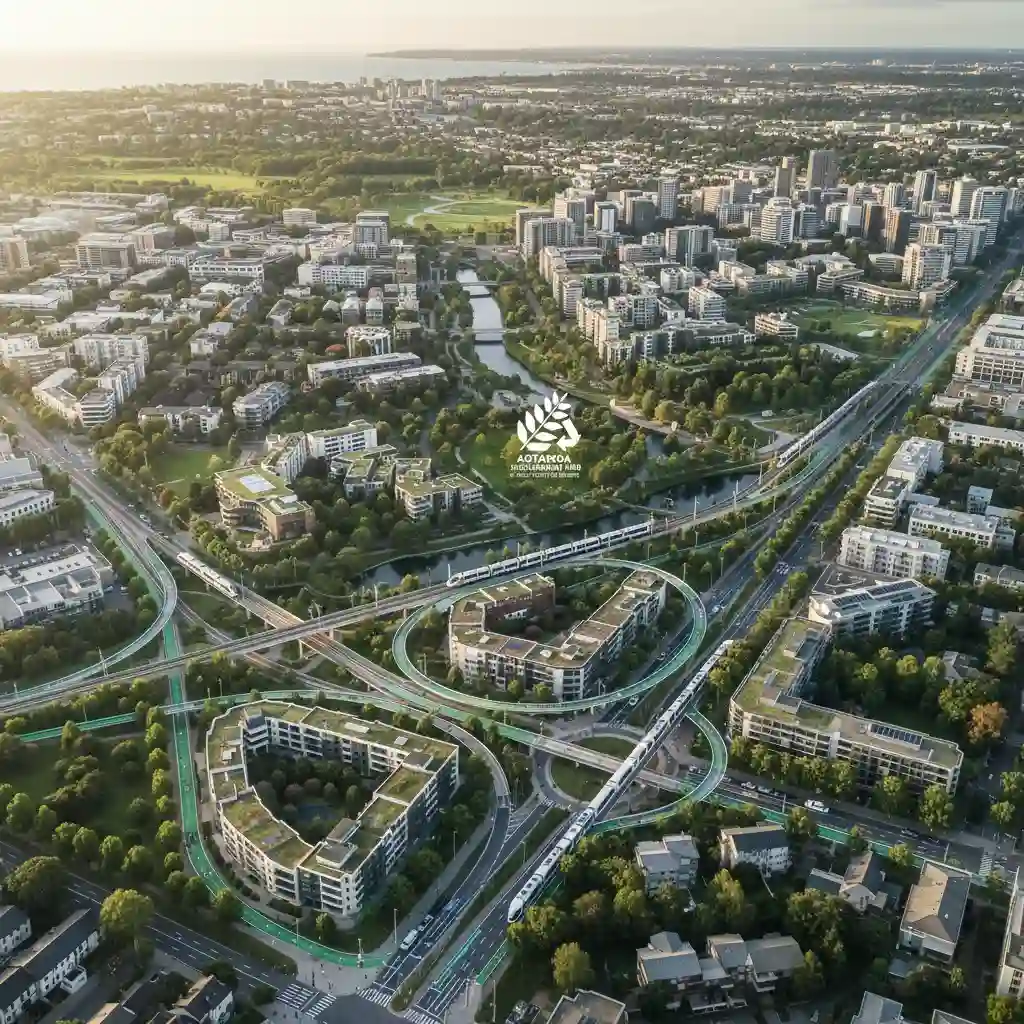
The future vision for sustainable public transportation solutions for New Zealand includes a network that is affordable, accessible, and truly integrated, moving beyond just urban centres to connect regional towns more effectively. This will involve continued investment in infrastructure, policy frameworks that prioritise public transport, and a societal shift in how we perceive and utilise shared mobility options.
4. How You Can Contribute to Greener Commutes
While governments and operators lead infrastructure development, individual choices collectively drive change. Here’s how you can play a part:
- Choose Public Transport: Whenever possible, opt for the bus, train, or ferry over your car.
- Embrace Active Travel: Walk or cycle for short distances, or as part of your commute to public transport stops.
- Advocate for Change: Support local initiatives and policies that promote sustainable transport infrastructure.
- Stay Informed: Understand the benefits and latest developments in sustainable transport in your area.
- Combine Trips: Plan your errands to minimise individual car journeys, or consider car-pooling for longer distances.
Every conscious decision contributes to a cleaner, greener Aotearoa. By embracing sustainable public transportation solutions for New Zealand, we’re not just moving people; we’re moving towards a more sustainable future.
Frequently Asked Questions
What are the main benefits of sustainable public transportation?
The main benefits include reduced greenhouse gas emissions, improved air quality, decreased traffic congestion, enhanced accessibility for all community members, and often, significant cost savings for individuals compared to private car ownership.
How is New Zealand transitioning to sustainable public transport?
New Zealand is transitioning through several key initiatives: electrifying bus fleets, exploring and expanding urban and inter-city rail networks, investing in active transport infrastructure (cycling and walking paths), and implementing integrated ticketing and smart technology solutions for better service.
What role do individuals play in supporting sustainable transport in NZ?
Individuals play a crucial role by choosing public transport, walking, or cycling whenever possible. Advocating for better infrastructure, staying informed about local transport developments, and supporting policies that prioritise sustainable modes also contribute significantly.
Are electric buses and trains truly zero-emission?
While the vehicles themselves produce zero tailpipe emissions, their overall environmental impact depends on the source of electricity. In New Zealand, with over 80% of electricity generated from renewable sources (hydro, geothermal, wind), electric public transport is highly sustainable from a ‘well-to-wheel’ perspective.
References & Sources
- Waka Kotahi NZ Transport Agency. (2023). Programme for Future Public Transport. [Plausible Policy Document]
- Ministry of Transport. (2022). Clean Car Programme & Emissions Reduction Plan. [Plausible Government Report]
- Stats NZ. (2021). Household Travel Survey. [Plausible Statistical Data]
- Greater Wellington Regional Council. (2023). Metlink Zero Emission Bus Transition Plan. [Plausible Regional Initiative]
- Auckland Transport. (2023). AT HOP Public Transport Usage Data. [Plausible Public Data]