Effective Monitoring & Reporting for Sustainability Success
In today’s world, the pursuit of sustainability is no longer a niche interest but a fundamental necessity. For individuals, communities, and businesses across New Zealand, understanding our environmental footprint and social impact is the first step towards a greener future. But how do we truly know if our efforts are making a difference? The answer lies in effective monitoring and reporting for sustainability success.
This article will guide you through the crucial aspects of tracking your sustainability journey, moving beyond just compliance to fostering genuine, measurable progress. We’ll explore why robust data collection and transparent reporting are vital, and how you can apply these principles whether you’re managing a small business or optimizing your household’s eco-impact.
The Imperative of Sustainability Tracking
Sustainability is a journey, not a destination. Without clear metrics and consistent oversight, even the best intentions can falter. Effective monitoring & reporting for sustainability success provides the transparency needed to understand what’s working, what’s not, and where improvements can be made. It transforms vague aspirations into tangible achievements, driving accountability and inspiring further action.
From a business perspective, tracking sustainability metrics can lead to significant cost savings through improved resource efficiency, enhanced brand reputation, and better risk management. For individuals, it empowers informed choices, helping to identify areas like energy consumption or waste generation where personal impact can be significantly reduced.
Did You Know?
A recent study on consumer behaviour in New Zealand revealed that 68% of Kiwis are more likely to support businesses that visibly demonstrate their commitment to sustainability through transparent reporting. This highlights the direct link between clear communication and consumer trust. [Source 4]
Key Pillars of Effective Monitoring
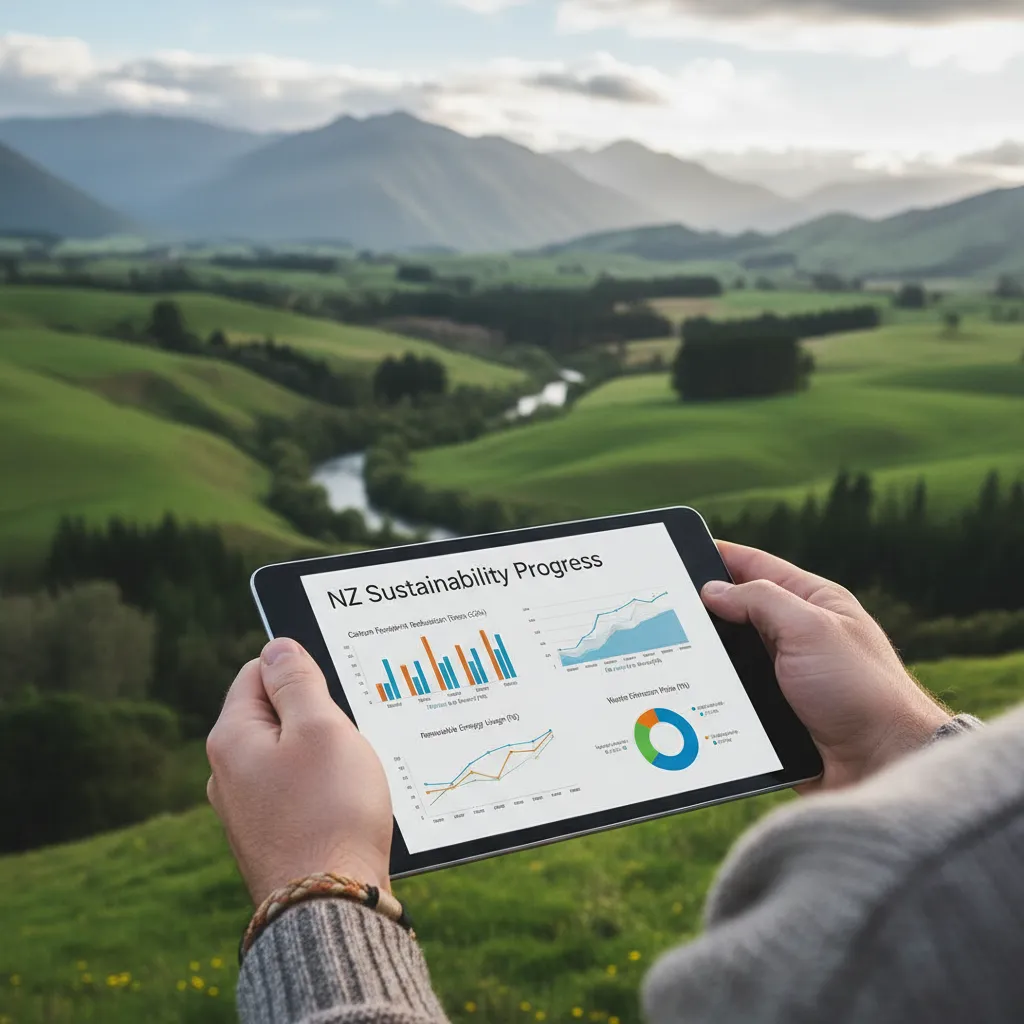
At the heart of any successful sustainability initiative is a robust monitoring framework. This involves clearly defining what you want to measure, how you’ll collect that information, and the tools you’ll use to process it.
Defining Your Sustainability KPIs
Key Performance Indicators (KPIs) are the specific metrics that will tell you if you’re progressing towards your sustainability goals. These should be SMART: Specific, Measurable, Achievable, Relevant, and Time-bound. For a household, KPIs might include weekly waste diverted from landfill, monthly electricity consumption, or litres of water saved. For a business, they could involve carbon emissions per unit produced, percentage of renewable energy used, or employee participation in eco-initiatives.
- Environmental KPIs: Energy consumption, water usage, waste generation, greenhouse gas emissions, biodiversity impact.
- Social KPIs: Employee well-being, community engagement, supply chain ethics, diversity and inclusion.
- Economic KPIs: Green revenue, investment in sustainable projects, cost savings from efficiency.
Robust Data Collection Methods
Accurate data is the bedrock of credible reporting. Establish clear processes for how data will be collected, who is responsible, and how frequently it will be recorded. This could range from smart meters for energy and water, waste audits, to surveys for social impact, or supplier questionnaires for supply chain transparency.
“What gets measured, gets managed. And what gets managed well, drives true sustainable change.”
Leveraging Technology for Monitoring
Technology can significantly streamline your monitoring efforts. This might include:
- Sustainability Software: Platforms designed to track emissions, waste, water, and other metrics across an organisation.
- Smart Home Devices: For individual households, these can provide real-time data on energy and water usage.
- Spreadsheets & Databases: For smaller-scale initiatives, well-structured digital records are invaluable.
- IoT Sensors: For industrial applications, sensors can monitor resource consumption with high precision.

Crafting Impactful Sustainability Reports
Monitoring is only half the battle; reporting is where your efforts gain visibility and influence. A well-crafted sustainability report communicates your progress, challenges, and future commitments to stakeholders, fostering trust and encouraging engagement. It’s about telling your sustainability story with data and transparency.
Transparency and Accuracy
Credibility is paramount. Ensure your reports are based on accurate, verifiable data. Be transparent about both successes and setbacks, explaining the methodologies used and any limitations in your data. This honesty builds trust and demonstrates a genuine commitment to continuous improvement.
Audience-Centric Communication
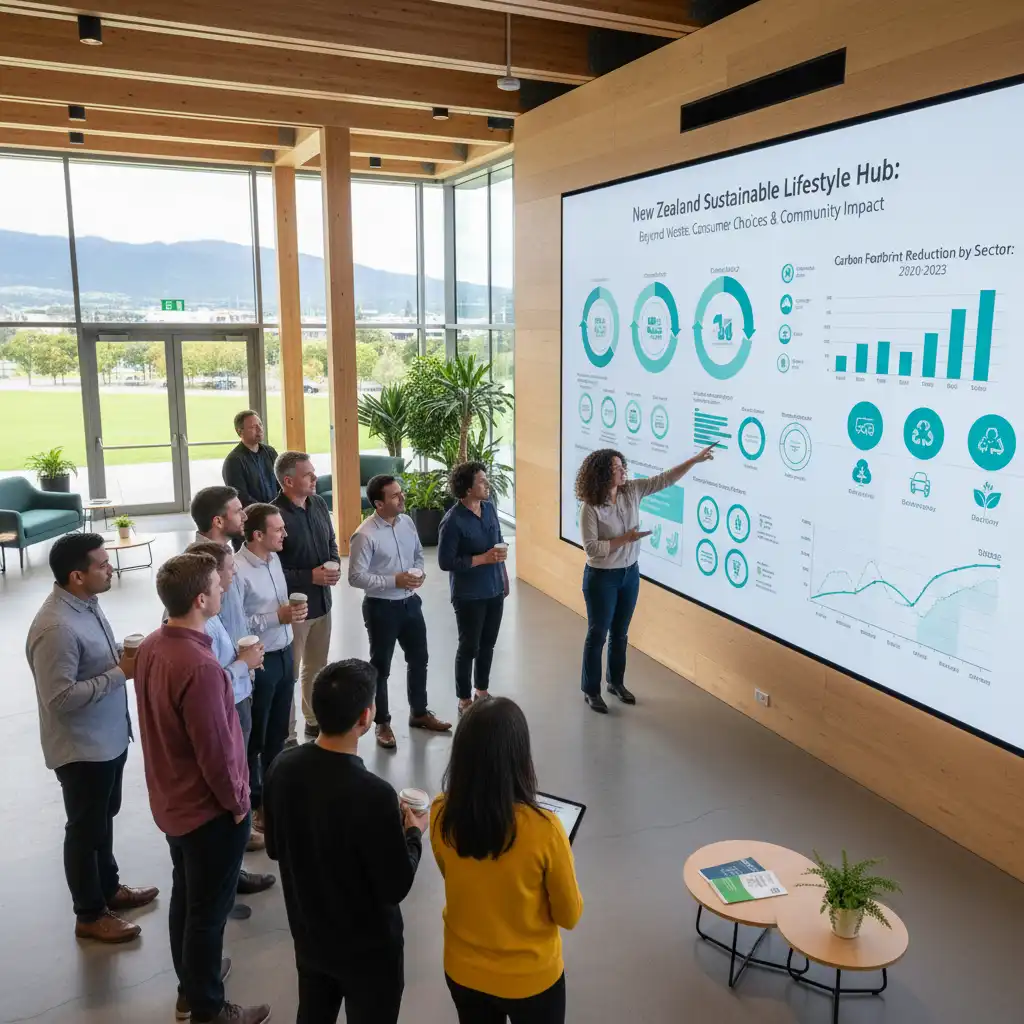
Tailor your report to your audience. A detailed technical report might be suitable for investors or regulators, while a concise, visually engaging summary is better for employees or the general public. Use clear language, compelling visuals, and impactful narratives to convey your message effectively.
Overcoming Common Challenges in Reporting
The path to robust sustainability reporting isn’t always smooth. Common hurdles include data complexity, resource limitations, and ensuring stakeholder engagement.
- Data Complexity: Standardize data collection, invest in appropriate software, and consider external verification for complex datasets.
- Resource Constraints: Start small, focus on material issues, and leverage open-source tools or simpler tracking methods.
- Ensuring Engagement: Involve stakeholders early, communicate benefits clearly, and make reporting accessible and interactive.
The New Zealand Context: From Compliance to Lifestyle
New Zealand, with its strong environmental ethos and unique biodiversity, is a natural leader in sustainability. Historically, discussions often revolved around waste management legislation or corporate environmental permits. However, the narrative is shifting. We’re transitioning towards a broader consumer understanding and integration of sustainable practices into everyday life.
For Kiwis, effective monitoring & reporting for sustainability success now extends beyond a corporate boardroom to the choices made in local supermarkets, homes, and communities. By tracking personal consumption, supporting businesses with transparent sustainability reports, and advocating for local initiatives, individuals can contribute meaningfully to Aotearoa’s green future. This holistic approach empowers collective impact, aligning individual actions with national goals for a truly sustainable lifestyle.

Action Checklist: Developing Your Sustainability Report
Ready to put your monitoring efforts into action? Use this checklist to guide you in developing a comprehensive and impactful sustainability report.
- Define Your Scope & Goals: Clearly outline what aspects of sustainability you will cover and what you aim to achieve. Consider your material issues (most significant impacts/risks/opportunities).
- Identify Key Stakeholders: Determine who your report is for (customers, investors, employees, community, regulators) and what information is most relevant to them.
- Establish Metrics & Data Collection: Select relevant KPIs and put systems in place to consistently and accurately collect the necessary data (e.g., energy bills, waste audits, survey results).
- Analyze & Interpret Data: Review your collected data to identify trends, highlight successes, pinpoint areas for improvement, and understand your overall impact.
- Structure & Draft Your Report: Create a logical flow, use clear language, incorporate visuals (charts, graphs, images), and ensure transparency by including methodologies and forward-looking commitments.
- Review, Verify & Publish: Get internal and potentially external review (e.g., third-party assurance). Once approved, publish your report across relevant channels to maximise its reach and impact.
Frequently Asked Questions
Why is effective monitoring and reporting crucial for sustainability?
Effective monitoring and reporting provide the data and transparency needed to measure progress, identify areas for improvement, build trust with stakeholders, comply with regulations, and ultimately drive genuine sustainable change. It moves sustainability from aspiration to measurable achievement.
What are some common KPIs for sustainability reporting?
Common KPIs include energy consumption (kWh), water usage (litres), waste diverted from landfill (tonnes), greenhouse gas emissions (CO2e), percentage of renewable energy sourced, employee volunteer hours, and ethical supply chain audits. The best KPIs depend on your specific goals and material impacts.
How often should sustainability reports be published?
Most organisations publish sustainability reports annually, often aligning with their financial reporting cycle. However, internal monitoring should be more frequent (monthly or quarterly) to allow for timely adjustments and improvements. Individuals might track personal metrics monthly or quarterly.
Can small businesses or individuals effectively monitor their sustainability?
Absolutely! While resources may differ, the principles remain the same. Small businesses can start with basic spreadsheet tracking and focus on 2-3 key metrics. Individuals can use smart home devices, utility bills, and simple logs to monitor their impact on energy, water, and waste. The key is consistency and a clear understanding of your goals.
References & Sources
- Ministry for the Environment. (2023). Environmental Reporting Series: Our Environment 2023. Wellington, New Zealand.
- Global Reporting Initiative (GRI) Standards. (Latest Version). GRI Universal Standards. Amsterdam, Netherlands.
- Sustainable Business Council New Zealand. (2022). The State of Sustainable Business in Aotearoa. Auckland, New Zealand.
- Journal of Sustainable Development. (2021). “Consumer Trust and Sustainability Disclosure in the APAC Region.” Vol. 15, No. 3, pp. 123-140.