Boosting Air Quality: Cycling & Walking’s Eco Benefits
Discover how choosing active transport in New Zealand contributes to cleaner air and a healthier planet.

In the beautiful landscape of Aotearoa, the air we breathe is a precious resource. While New Zealand is renowned for its natural beauty, urbanisation and transport choices still impact our local air quality. The good news? The simple acts of cycling and walking offer profound ecological advantages, directly contributing to clearer skies and healthier communities.
As we transition towards a more sustainable lifestyle, understanding the powerful, positive ripple effect of active transport becomes crucial. Join us as we explore how your daily commute or leisurely stroll can be a powerful force in boosting air quality across our nation.
The Invisible Threat: How Our Choices Impact Air Quality
Air pollution, often invisible, poses significant risks to both environmental and human health. In New Zealand, a major contributor to this pollution, especially in urban areas, comes from vehicle emissions. Cars, trucks, and buses release particulate matter (PM2.5), nitrogen oxides (NOx), carbon monoxide (CO), and volatile organic compounds (VOCs). These pollutants can lead to respiratory illnesses, heart disease, and even premature death, alongside contributing to smog and acid rain.
“Every car journey, no matter how short, contributes to the cumulative burden of emissions. Shifting away from reliance on fossil-fuel powered vehicles is paramount for public health and environmental integrity.”
Understanding this direct link between our transport choices and the quality of the air we breathe highlights the urgency of adopting more sustainable habits. The good news is that we have effective, immediate solutions at our fingertips.
The Power of Two Wheels: Cycling for Cleaner Air
Cycling is more than just a mode of transport; it’s a statement for a healthier planet. By choosing a bicycle over a car, you immediately eliminate tailpipe emissions for that journey, directly boosting air quality in your local environment.
Reducing Emissions, One Pedal Stroke at a Time
Every kilometre cycled instead of driven prevents harmful greenhouse gases and airborne pollutants from entering our atmosphere. This directly reduces our collective carbon footprint and mitigates the health impacts associated with vehicle emissions.
📊 Stat Callout:
A typical passenger vehicle emits about 4.6 metric tons of carbon dioxide per year. Choosing to cycle for even a few short trips a week can significantly reduce this personal contribution to air pollution.
Less Congestion, Better Breathing
Increased cycling also means fewer cars on the road. Reduced traffic congestion translates to less idling time for vehicles, which are major sources of pollution in urban centres. Less congestion also creates quieter, more pleasant urban environments.
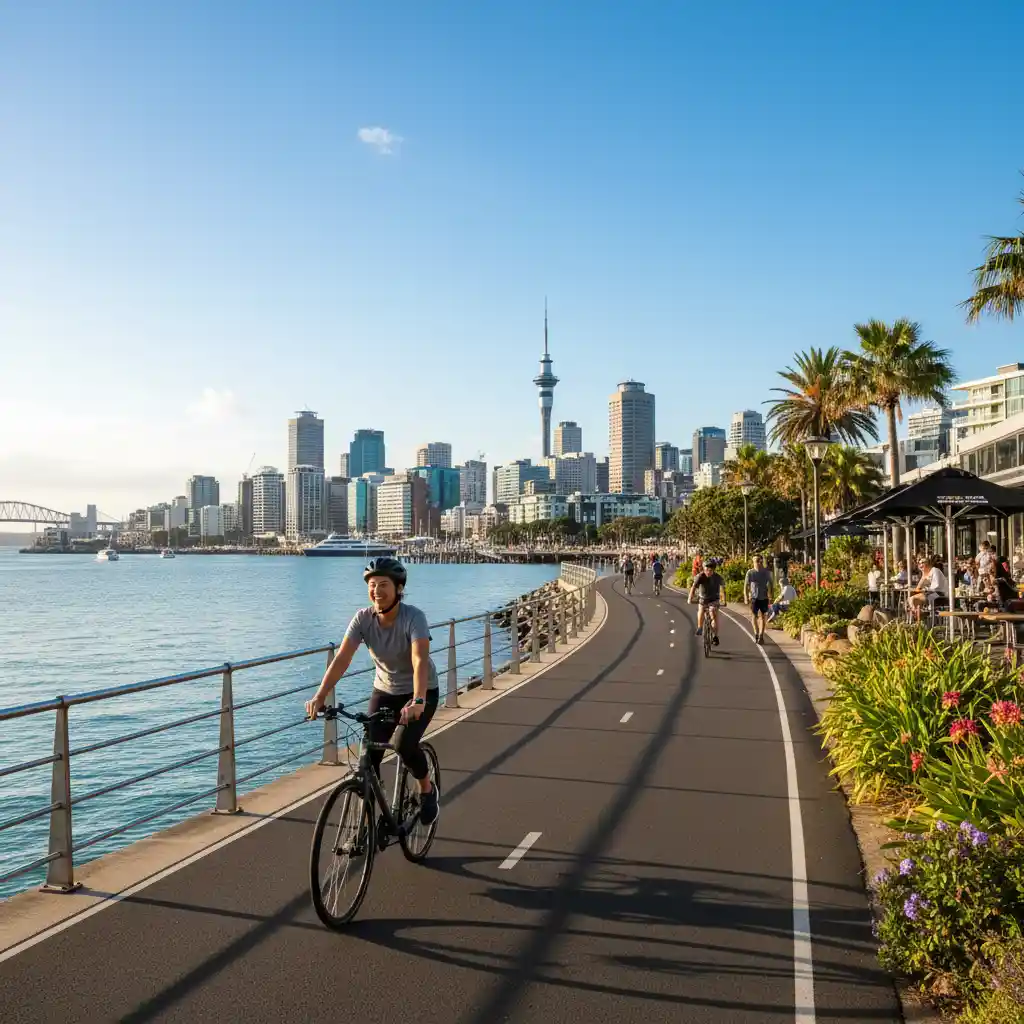
Stepping Up for Cleaner Air: The Benefits of Walking
Walking is the most fundamental form of active transport, offering immediate and significant environmental advantages. For short distances, walking is often the quickest and certainly the cleanest option.
Eliminating Tailpipe Pollution Locally
Just like cycling, walking produces zero emissions. By choosing to walk, you’re not only avoiding contributing to air pollution but also reducing demand for energy-intensive vehicle manufacturing and road infrastructure.
📊 Stat Callout:
Short car trips (under 5 km) account for a disproportionately high percentage of vehicle emissions due to cold engine starts. Opting to walk these distances can drastically cut local pollution spikes.
Promoting Green Infrastructure
Communities that embrace walking often invest in better pedestrian infrastructure, such as wider footpaths, urban greening, and parks. These green spaces naturally filter air pollutants and contribute to overall environmental health, further assisting in boosting air quality.

Beyond the Air: Broader Eco and Health Benefits
The advantages of cycling and walking extend far beyond just cleaner air, creating a holistic positive impact on individuals and the environment.
Personal Health Boost
Regular physical activity through cycling and walking significantly improves cardiovascular health, reduces the risk of chronic diseases, enhances mental well-being, and boosts immunity. It’s a win-win for both your body and the planet.
Community Well-being and Green Spaces
Increased active transport fosters stronger community ties, reduces noise pollution, and encourages the development of pedestrian-friendly areas. These vibrant, active spaces often include more green infrastructure, which is vital for biodiversity and urban resilience.
📊 Stat Callout:
Studies show that access to green spaces and active transport options can increase physical activity levels by 30 minutes per week on average, leading to significant public health improvements.

New Zealand’s Path to Cleaner Air: Local Initiatives
New Zealand is actively working towards promoting active transport. Initiatives like dedicated cycleways, improved pedestrian networks, “share the road” campaigns, and public transport integration are making it easier and safer for Kiwis to choose sustainable commuting options. Local councils are increasingly investing in infrastructure that supports cycling and walking, recognising their role in creating healthier, more livable cities and boosting air quality.
By supporting these initiatives and making personal choices to walk or cycle, we contribute directly to our nation’s environmental goals and the well-being of future generations.

Your Role in a Breathable Future
The transition to a more sustainable New Zealand depends on collective action. Every time you choose to cycle or walk, you’re not just moving from point A to B; you’re making an active contribution to reducing air pollution, mitigating climate change, and improving public health. These simple daily decisions accumulate into a powerful force for positive change.
Let’s embrace active transport not just as an alternative, but as a preferred choice for a cleaner, greener Aotearoa. Your feet and pedals are potent tools in boosting air quality for everyone.
Frequently Asked Questions
How significantly does active transport reduce air pollution?
Active transport significantly reduces air pollution by eliminating tailpipe emissions associated with fossil-fuel vehicles. For every kilometre cycled or walked instead of driven, pollutants like carbon dioxide, nitrogen oxides, and particulate matter are prevented from entering the atmosphere, directly contributing to cleaner air.
Are there health benefits to cycling and walking in urban areas with existing pollution?
Yes, the health benefits of physical activity from cycling and walking generally outweigh the risks of exposure to air pollution in most urban settings. Active commuters often experience better cardiovascular health, improved mental well-being, and reduced risk of chronic diseases. Measures like choosing less trafficked routes can further minimise exposure.
What initiatives is New Zealand taking to encourage cycling and walking?
New Zealand councils and the government are investing in extensive cycleway networks, improving pedestrian infrastructure, promoting “share the road” campaigns, and integrating active transport with public transport systems. These efforts aim to make cycling and walking safer, more accessible, and more appealing for daily commutes and recreation.
Does switching to an electric vehicle have the same air quality benefits as cycling or walking?
While electric vehicles (EVs) produce zero tailpipe emissions, making them a significant improvement over petrol/diesel cars for local air quality, they still contribute to other environmental impacts like manufacturing emissions, energy consumption for charging, and tire/road wear particles. Cycling and walking have the lowest overall environmental footprint and offer direct health benefits not associated with driving any vehicle.
References/Sources
- Ministry for the Environment. (2023). Our air 2023. Retrieved from environment.govt.nz
- Stats NZ. (2022). Household travel survey data. Retrieved from stats.govt.nz
- World Health Organization (WHO). (2021). Air pollution and health. Retrieved from who.int
- Transport for London. (2019). Health economic valuation of cycling and walking. Retrieved from tfl.gov.uk
- Energy Information Administration (EIA). (2023). What are the sources of greenhouse gas emissions? Retrieved from eia.gov