Battery Technology’s Impact on Sustainable Electric Vehicles
Exploring the pivotal role of advancements in battery chemistry and design for a greener transportation future in New Zealand and beyond.
The drive towards a sustainable future is accelerating, and at its heart lies the revolutionary shift in transportation. Electric Vehicles (EVs) are no longer a niche concept but a mainstream reality, offering a tangible pathway to reduce carbon emissions and reliance on fossil fuels. However, the true sustainability of these vehicles is inextricably linked to one core component: their batteries.
From raw material extraction to manufacturing, operational efficiency, and end-of-life management, battery technology’s impact on sustainable electric vehicles is profound and multi-faceted. As a hub focused on New Zealand’s sustainable lifestyle, understanding these developments is crucial for conscious consumers and policymakers alike. This article delves into how innovations in battery tech are shaping a cleaner, more efficient, and truly sustainable EV ecosystem.
The Evolution of EV Battery Technology
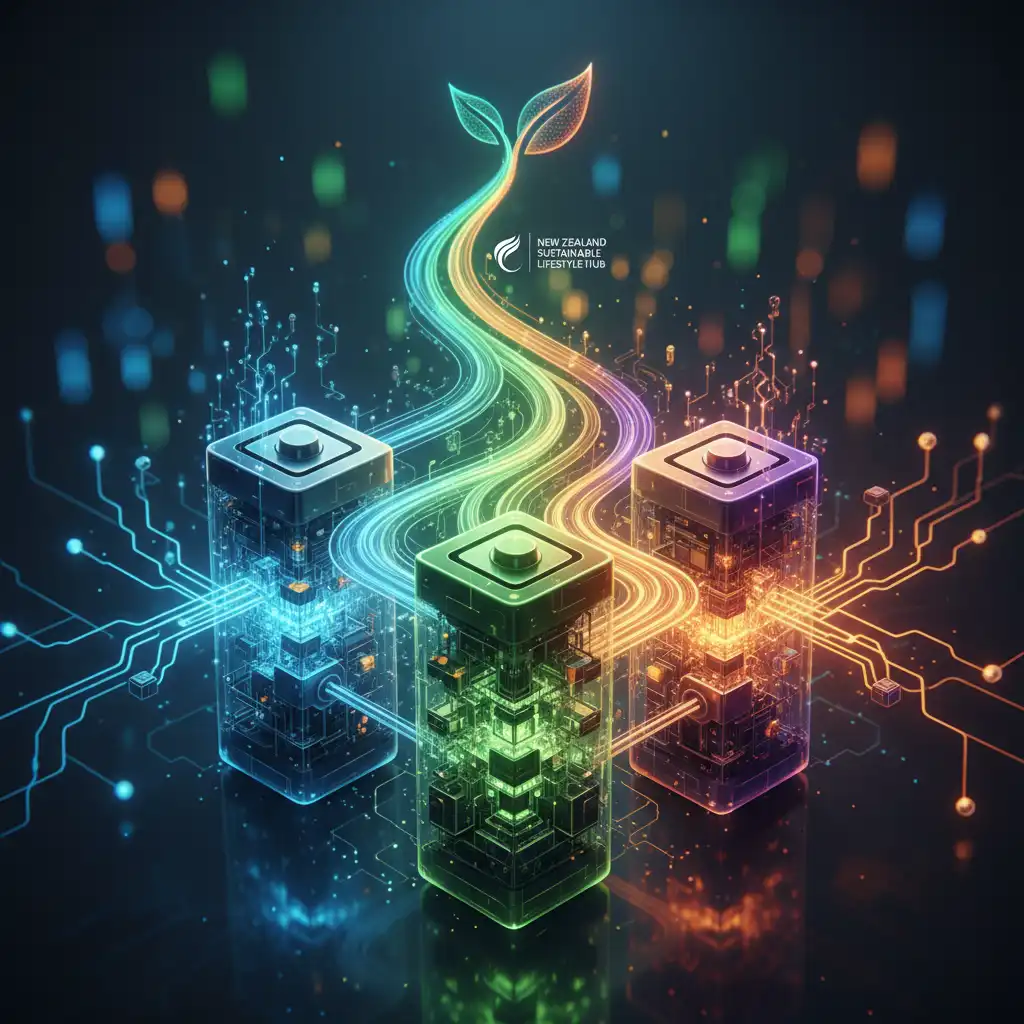
Early electric vehicles were hampered by bulky, heavy lead-acid batteries that offered minimal range and short lifespans. The real game-changer arrived with the advent of lithium-ion (Li-ion) batteries in the late 20th century. These batteries, initially popularized in consumer electronics, brought unprecedented energy density, lighter weight, and improved cycle life, paving the way for commercially viable EVs.
Today, Li-ion remains the dominant technology, continuously evolving with refinements in cathode and anode materials to enhance performance, safety, and cost-effectiveness. This continuous innovation is fundamental to expanding battery technology’s impact on sustainable electric vehicles, making them more accessible and efficient for a broader consumer base.
Key Battery Technologies Driving Sustainable EVs
While lithium-ion batteries are the workhorse of current EVs, researchers and engineers are relentlessly pursuing next-generation chemistries and designs. These advancements aim to address existing limitations concerning range, charging speed, cost, and environmental footprint.
Comparing Battery Chemistries: The Pros and Cons
| Battery Type | Pros | Cons |
|---|---|---|
| Lithium-ion (Li-ion) |
|
|
| Solid-State Batteries |
|
|
| Sodium-ion (Na-ion) Batteries |
|
|
Environmental Footprint: From Cradle to Grave
The true sustainability of EVs extends beyond zero tailpipe emissions. It encompasses the entire lifecycle of the battery. Addressing the environmental footprint is a critical aspect of battery technology’s impact on sustainable electric vehicles.
Raw Material Sourcing & Manufacturing
The extraction of raw materials like lithium, cobalt, nickel, and manganese for Li-ion batteries can have significant environmental and social implications, including habitat destruction, water usage, and ethical concerns in mining practices. However, advancements are focusing on less resource-intensive chemistries (like LFP – Lithium Iron Phosphate, which uses no cobalt or nickel) and more responsible sourcing.
Stat Callout: A study by Transport & Environment indicates that an average EV in Europe has a 64% lower climate impact over its lifetime than a comparable petrol car, even when accounting for battery production.
Operational Impact
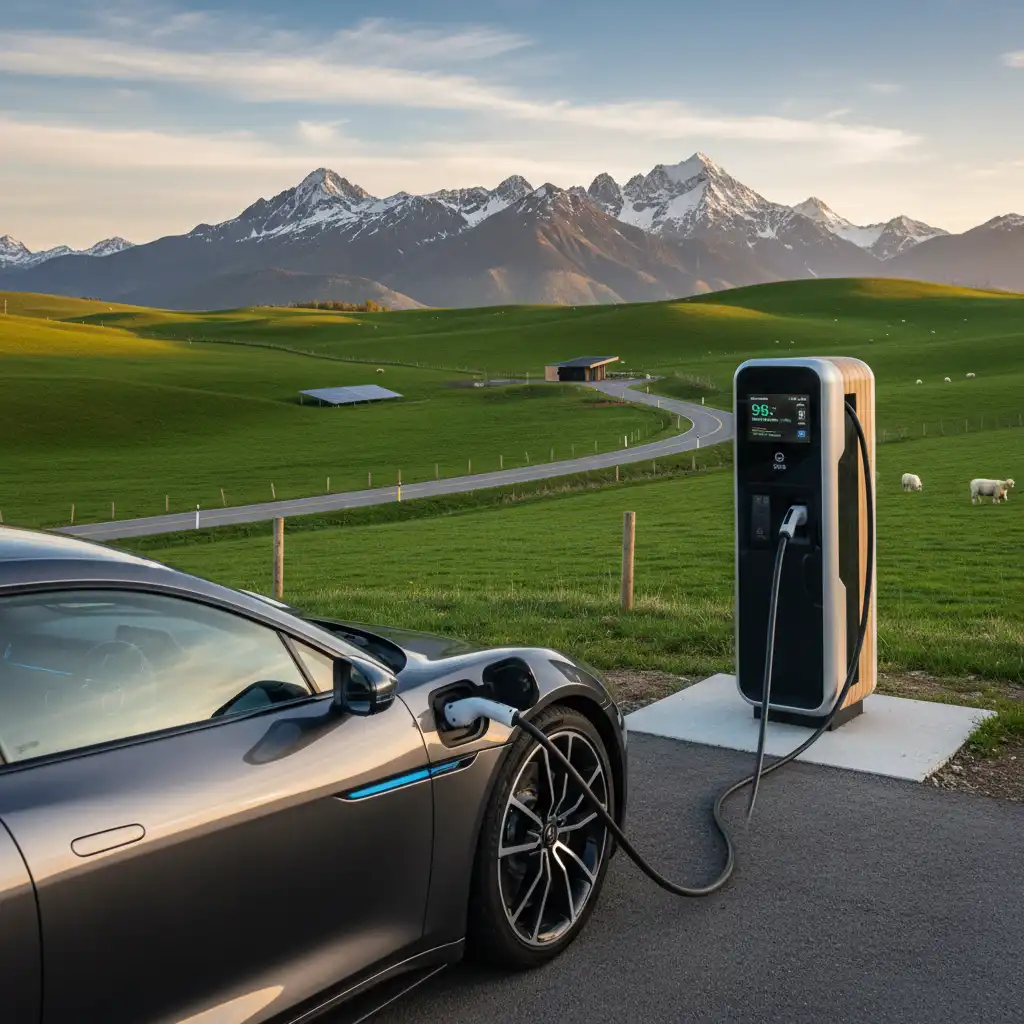
During use, EVs with efficient batteries dramatically reduce greenhouse gas emissions compared to internal combustion engines, especially when powered by renewable energy. New Zealand’s high proportion of renewable electricity generation (around 80-85%) means the emissions savings from EVs are even more significant here.
End-of-Life: Recycling & Repurposing
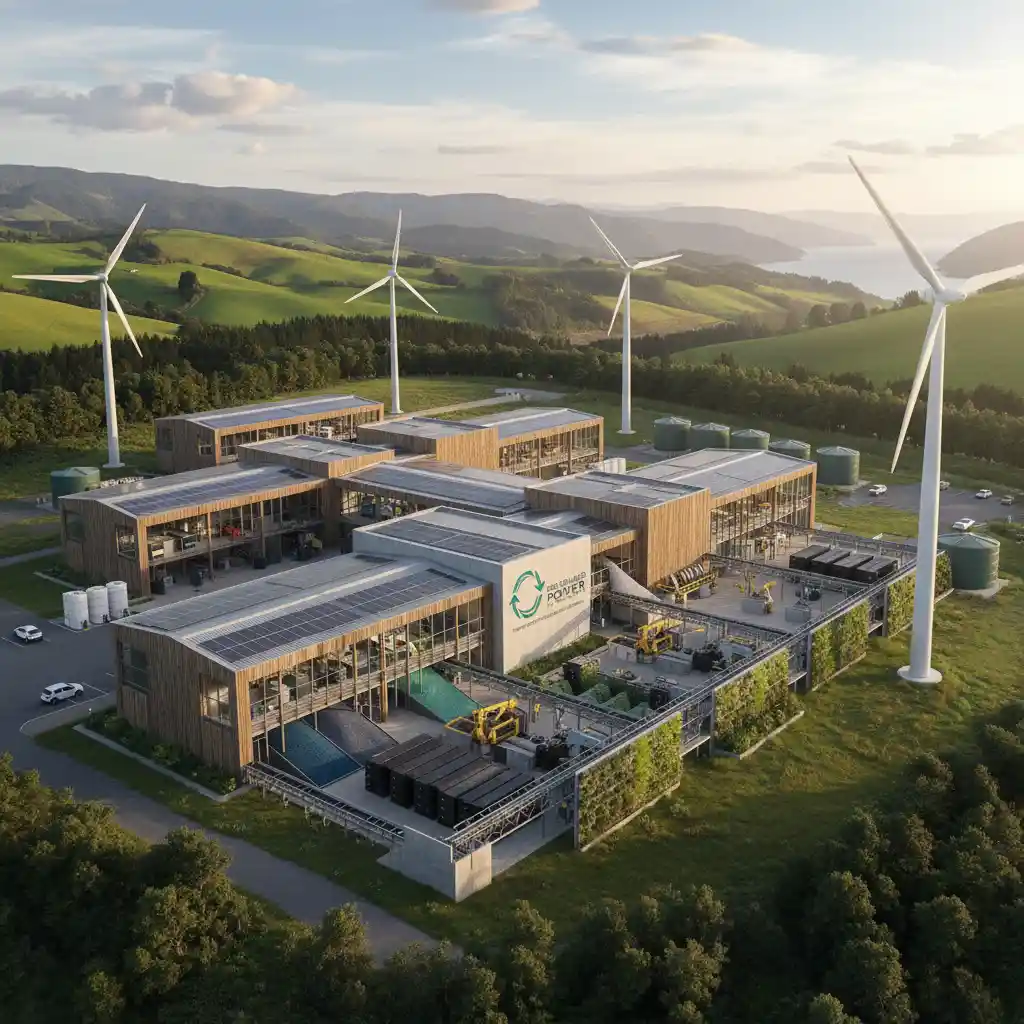
The challenge of battery disposal is being met with innovative solutions. Researchers are developing more efficient and environmentally friendly recycling processes to recover valuable materials. Furthermore, many EV batteries retain significant capacity after their automotive life, making them ideal for “second-life” applications such as grid energy storage or residential backup power, extending their utility and reducing waste.
Innovations and Overcoming Challenges
The journey to truly sustainable EVs is ongoing, marked by continuous innovation to overcome existing challenges.
Improving Energy Density and Range
Battery energy density directly correlates with an EV’s range. Innovations in cell design and material science are constantly pushing these limits, reducing “range anxiety” and making EVs suitable for longer journeys, increasing battery technology’s impact on sustainable electric vehicles by broadening their appeal.
Ethical Supply Chains
Ensuring raw materials are sourced ethically and responsibly is paramount. Battery manufacturers are increasingly focusing on supply chain transparency, working with certification bodies, and investing in direct sourcing from mines with strong environmental and social governance (ESG) practices.
Stat Callout: Projections suggest that by 2030, the global demand for lithium-ion batteries could increase by over five times, underscoring the urgency for sustainable sourcing and recycling solutions.
Battery Health and Longevity
Software and battery management systems (BMS) are becoming increasingly sophisticated, optimizing charging and discharging cycles to maximize battery health and extend its operational life, further enhancing the sustainability credentials of EVs.

New Zealand’s Journey Towards a Greener Fleet
New Zealand is uniquely positioned to embrace the sustainable EV transition. Our abundant renewable energy sources mean that charging an EV here has a significantly lower carbon footprint than in many other countries. Government incentives, expanding charging infrastructure, and increasing consumer awareness are driving EV adoption rates.
Local initiatives are exploring the potential for second-life battery applications, and discussions are ongoing about developing local recycling capabilities. These steps reinforce how battery technology’s impact on sustainable electric vehicles directly contributes to New Zealand’s broader environmental goals and commitment to a cleaner future.
The Future of Battery Technology in EVs
The future promises even more exciting developments. Beyond solid-state and sodium-ion, research into flow batteries, lithium-sulfur, and even structural batteries (where the battery is integrated into the vehicle’s chassis) could revolutionize EV design and performance. The continuous pursuit of higher energy density, faster charging, improved safety, and reduced environmental impact will remain at the forefront of innovation.
Stat Callout: Experts predict that solid-state batteries could offer a 50-100% increase in energy density compared to current Li-ion batteries, potentially enabling EVs with ranges exceeding 1000 km on a single charge.
Conclusion
The journey towards a truly sustainable transportation future is deeply intertwined with the evolution of battery technology. As we’ve explored, battery technology’s impact on sustainable electric vehicles is multifaceted, touching upon environmental footprint, economic viability, and consumer adoption. For New Zealand, with its commitment to a green lifestyle, these advancements are not just technical achievements but cornerstones of our collective effort to build a cleaner, more resilient society.
The continuous innovation in battery chemistry, manufacturing processes, and end-of-life solutions ensures that the promise of electric vehicles is not just about moving from A to B, but about moving towards a more sustainable and responsible world.
Frequently Asked Questions
Q: Are EV batteries truly sustainable considering raw material mining?
A: While raw material mining has environmental and social impacts, continuous innovation focuses on reducing reliance on critical minerals, improving mining practices, and increasing recycling rates. The overall lifecycle impact of an EV, especially when charged with renewable energy, is significantly lower than that of a petrol car.
Q: What happens to EV batteries at the end of their life?
A: EV batteries typically have two main pathways after their primary use in a vehicle: “second-life” applications (e.g., energy storage for homes or grid stabilization) or recycling. Recycling aims to recover valuable materials like lithium, cobalt, and nickel for use in new batteries, contributing to a circular economy.
Q: How do solid-state batteries differ from current lithium-ion batteries?
A: Solid-state batteries use a solid electrolyte instead of the liquid or gel electrolyte found in conventional lithium-ion batteries. This design offers potential benefits like higher energy density (more range), faster charging, and improved safety by reducing the risk of fire or leakage.
Q: How does New Zealand’s energy mix impact EV sustainability?
A: New Zealand generates a high percentage of its electricity from renewable sources (hydro, geothermal, wind). This means that charging an EV in NZ produces significantly fewer upstream emissions compared to countries reliant on fossil fuels for electricity generation, making the environmental benefits of EVs even more pronounced here.
References & Sources
- Transport & Environment. (2020). How clean are electric cars? Retrieved from transportenvironment.org
- International Energy Agency (IEA). (2023). Global EV Outlook 2023. Retrieved from iea.org
- New Zealand Ministry of Transport. (Annual Reports). Electric Vehicles in New Zealand. Retrieved from transport.govt.nz
- Battery University. What is a Solid-state Battery? Retrieved from batteryuniversity.com
- European Commission, Joint Research Centre. (2020). Sustainable battery value chain in Europe: recycling, second life and new perspectives. Retrieved from publications.jrc.ec.europa.eu