Boost Indoor Air Quality with Eco-Friendly Furniture
Have you ever considered that the very furniture designed to bring comfort and style into your home could be quietly compromising your family’s health? In our quest for aesthetically pleasing living spaces, we often overlook the hidden pollutants lurking within conventional furnishings. From synthetic materials to chemical finishes, many common furniture pieces off-gas harmful Volatile Organic Compounds (VOCs) that degrade indoor air quality.
But there’s good news for New Zealanders seeking a healthier, more sustainable lifestyle. By making conscious choices, you can significantly boost indoor air quality with eco-friendly furniture. This guide will help you understand the problem, identify truly sustainable solutions, and transform your home into a sanctuary of clean air and well-being.

Table of Contents
The Hidden Threat: How Conventional Furniture Harms Your Air
Many of us spend up to 90% of our time indoors, making the quality of our indoor air paramount. Unfortunately, a significant contributor to indoor air pollution is often overlooked: our furniture. Traditional manufacturing processes frequently rely on materials and finishes that emit Volatile Organic Compounds (VOCs) – gases that can have short- and long-term adverse health effects.
“Indoor air can be two to five times, and occasionally more than 100 times, more polluted than outdoor air.”
Common culprits include formaldehyde, benzene, xylene, and toluene, found in adhesives, paints, varnishes, synthetic fabrics, and even certain particleboards. These chemicals are linked to a range of health issues, from respiratory problems, headaches, and dizziness to more severe long-term effects like organ damage and certain cancers. The ‘new furniture smell’ is often the scent of these chemicals off-gassing into your home.

What Makes Furniture “Eco-Friendly”?
Choosing eco-friendly furniture means looking beyond aesthetics and considering the entire lifecycle of the product. It’s about minimizing environmental impact and maximizing health benefits. Here’s what defines it:
- Sustainable Materials: Sourced from renewable resources, recycled content, or rapidly renewable plants (e.g., bamboo). Look for FSC-certified wood.
- Non-Toxic Finishes & Adhesives: Low or zero-VOC paints, stains, sealants, and glues that won’t off-gas harmful chemicals.
- Durability & Longevity: Well-crafted pieces designed to last, reducing the need for frequent replacement and waste.
- Ethical Production: Manufactured under fair labour practices with minimal environmental footprint.
- Recyclability/Biodegradability: Furniture that can be recycled or safely decompose at the end of its life.
Key Materials for a Healthier Home
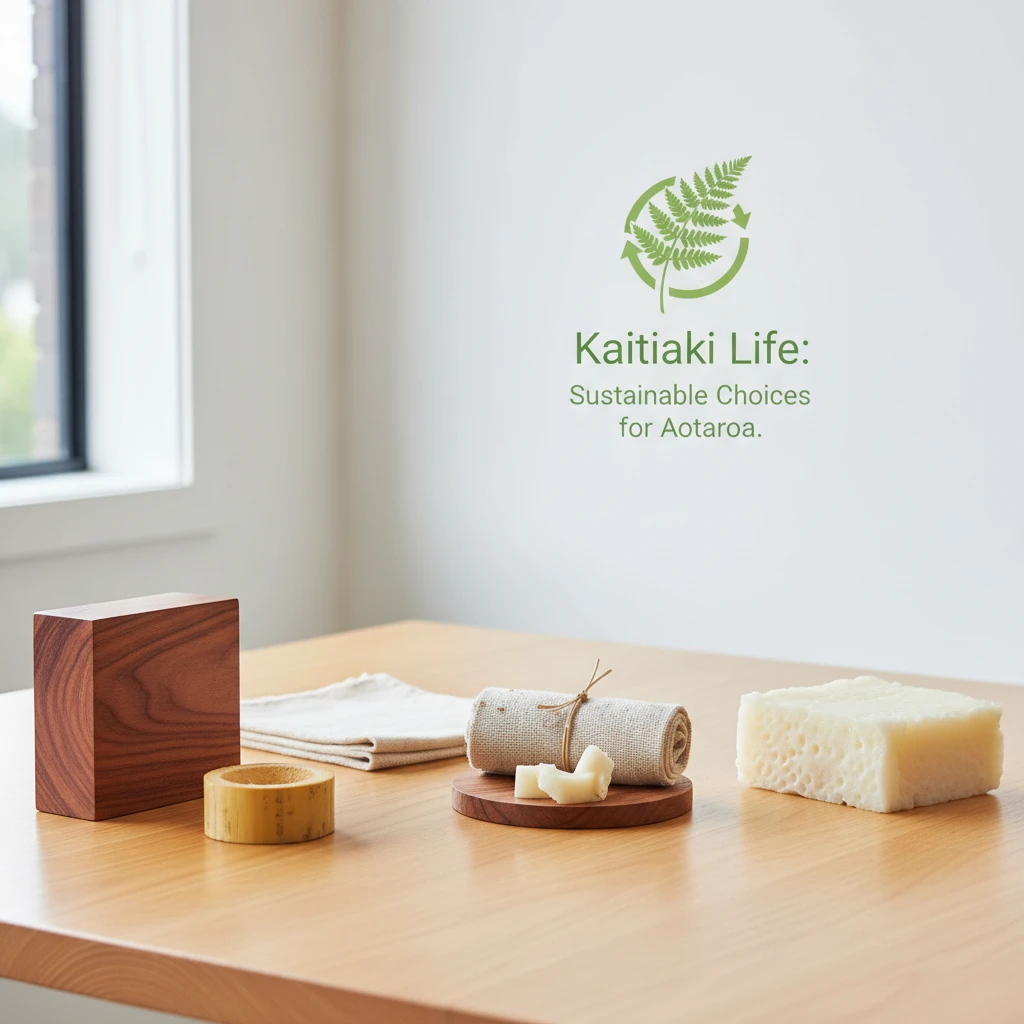
To truly boost indoor air quality with eco-friendly furniture, focus on these superior material choices:
Solid Wood (FSC-Certified)
Unlike particleboard or MDF, which often use formaldehyde-based adhesives, solid wood offers natural durability and minimal off-gassing, especially when finished with natural oils or low-VOC sealants. Look for the Forest Stewardship Council (FSC) certification, ensuring wood comes from responsibly managed forests.
Bamboo
A rapidly renewable grass, bamboo is incredibly strong and grows quickly without pesticides. It’s a fantastic alternative to traditional timber, provided its processing and adhesives are also low-VOC.
Organic Textiles (Cotton, Wool, Hemp, Linen)
For upholstery, bedding, and soft furnishings, opt for organic, natural fibres free from chemical dyes, flame retardants, and stain-resistant treatments. Organic cotton, wool, hemp, and linen are breathable, durable, and naturally hypoallergenic.
Natural Latex
Derived from rubber trees, natural latex is a sustainable and non-toxic alternative for mattresses and upholstery foam. It’s naturally resistant to dust mites and mould, making it excellent for allergy sufferers.
Beyond Materials: What Else to Look For
While materials are key, a holistic approach is best:
- Certifications: Look for reputable third-party certifications like GREENGUARD Gold (low chemical emissions), GOTS (Global Organic Textile Standard) for fabrics, or OEKO-TEX (free from harmful substances).
- Finishes & Adhesives: Inquire about the types of glues, varnishes, and paints used. Opt for water-based, natural oil, or wax finishes.
- Local Sourcing: Buying locally reduces transportation emissions and often supports local artisans who may use traditional, healthier techniques.
- Second-hand & Upcycled: Giving new life to existing furniture is inherently eco-friendly and allows older pieces to off-gas any residual VOCs before entering your home.
Clean Air Facts & Figures
2-5x
Indoor air is typically 2 to 5 times more polluted than outdoor air, often due to household products and furnishings.
Thousands
Over thousands of different VOCs can be emitted from furniture and building materials, including known carcinogens like formaldehyde.
100% Natural
Opting for 100% natural, untreated materials significantly reduces your exposure to synthetic chemicals and improves air quality.
Improved Health
Studies show a direct link between lower VOC exposure and improved respiratory health, cognitive function, and overall well-being.
Your Action Plan: Choosing and Caring for Eco-Friendly Furniture
Ready to make a change? Here’s how you can actively boost indoor air quality with eco-friendly furniture:
- Research Before You Buy: Don’t just look at the label; ask about materials, finishes, and certifications.
- Prioritize Needs: Start with furniture you spend the most time on (e.g., mattresses, sofas).
- Read Reviews: Look for brands with a strong commitment to sustainability and positive feedback regarding product quality and transparency.
- Ventilate New Items: Even eco-friendly items can have some residual scent. Air them out in a well-ventilated area before bringing them indoors.
- Maintain Naturally: Clean your furniture with natural, non-toxic cleaners to avoid reintroducing chemicals into your air.
- Consider DIY: If you’re handy, upcycle old furniture with low-VOC paints and natural upholstery.
Making the switch to eco-friendly furniture is an investment in your health and the planet. As part of a sustainable lifestyle in New Zealand, these choices contribute to a cleaner, safer, and more vibrant home environment for everyone.
Frequently Asked Questions
What are VOCs and why are they harmful in furniture?
VOCs, or Volatile Organic Compounds, are gases emitted from certain solids or liquids, including many common furniture materials like pressed wood, adhesives, and synthetic fabrics. They can cause short-term health effects like headaches and respiratory irritation, and long-term exposure is linked to more serious health problems, degrading indoor air quality.
How can I tell if furniture is truly eco-friendly?
Look for reputable third-party certifications like GREENGUARD Gold for low emissions, FSC for sustainably harvested wood, GOTS or OEKO-TEX for organic textiles. Inquire about the specific materials (e.g., solid wood, natural latex, organic cotton) and the types of glues, stains, and finishes used (preferably low or zero-VOC).
Is eco-friendly furniture more expensive?
Initially, some eco-friendly furniture might have a higher upfront cost due to the quality of sustainable materials and ethical production methods. However, it’s often more durable, built to last longer, and offers significant health benefits, making it a valuable long-term investment for your home and well-being, reducing the need for frequent replacements.
What are some common eco-friendly furniture materials?
Key eco-friendly materials include FSC-certified solid wood, rapidly renewable bamboo, organic cotton, organic wool, hemp, linen, and natural latex foam. These materials are chosen for their minimal environmental impact during sourcing and production, and their low or non-existent off-gassing properties.
Can buying second-hand furniture improve indoor air quality?
Yes, buying second-hand furniture can significantly improve indoor air quality. Older furniture items have typically had ample time to off-gas most of their VOCs, meaning they will release fewer harmful chemicals into your home compared to brand new conventional furniture. It’s also a great sustainable choice.
References/Sources
- U.S. Environmental Protection Agency (EPA). (n.d.). Indoor Air Quality (IAQ). Retrieved from https://www.epa.gov/indoor-air-quality-iaq
- World Health Organization (WHO). (2010). WHO Guidelines for Indoor Air Quality: Selected Pollutants.
- Forest Stewardship Council (FSC). (n.d.). About FSC. Retrieved from https://fsc.org/en/what-is-fsc/fsc-benefits/about-fsc
- GREENGUARD Certification. (n.d.). Understanding GREENGUARD Certification. Retrieved from https://www.ul.com/resources/greenguard-certification
- Global Organic Textile Standard (GOTS). (n.d.). About GOTS. Retrieved from https://global-standard.org/