Smart Cities and IoT: Driving Sustainability in New Zealand
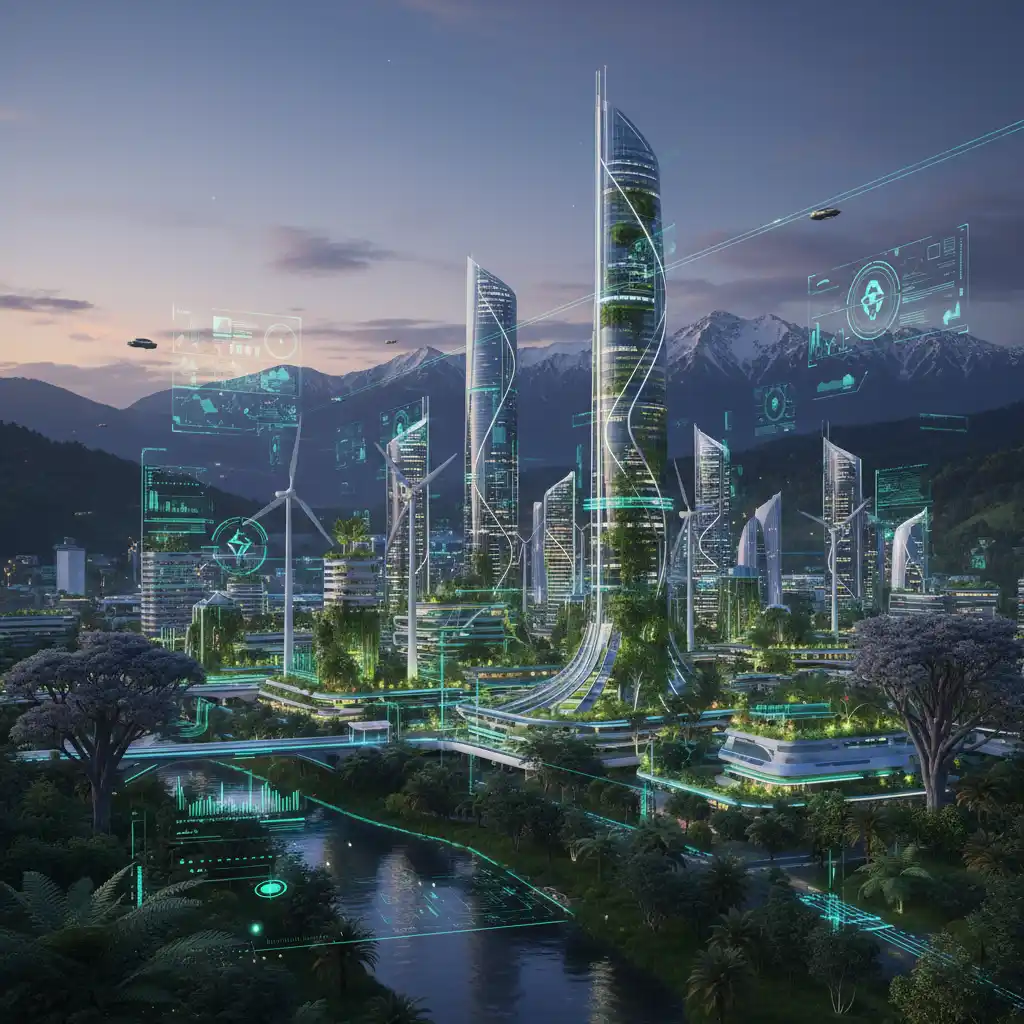
Imagine a New Zealand where our cities don’t just exist, but thrive in harmony with our pristine environment. A place where urban life is seamlessly integrated with sustainability, efficiency, and a deep respect for our natural heritage. This isn’t a futuristic dream, but a rapidly approaching reality, largely thanks to the transformative power of Smart Cities and the Internet of Things (IoT).
As a nation committed to a clean, green future, New Zealand stands at the cusp of leveraging advanced technology to elevate its sustainability goals. From optimizing energy use to revolutionizing waste management and fostering greener transportation, Smart Cities and IoT are not just buzzwords – they are the digital backbone for a truly sustainable Aotearoa.
Table of Contents
What Are Smart Cities and IoT?
At its core, a Smart City is an urban area that uses various types of electronic methods and sensors to collect data. This data is then used to manage assets, resources, and services efficiently. The goal is to improve the quality of life for citizens, reduce environmental impact, and enhance urban efficiency. In the New Zealand context, this means leveraging technology to protect our unique ecosystems, support our communities, and uphold our commitment to sustainability.
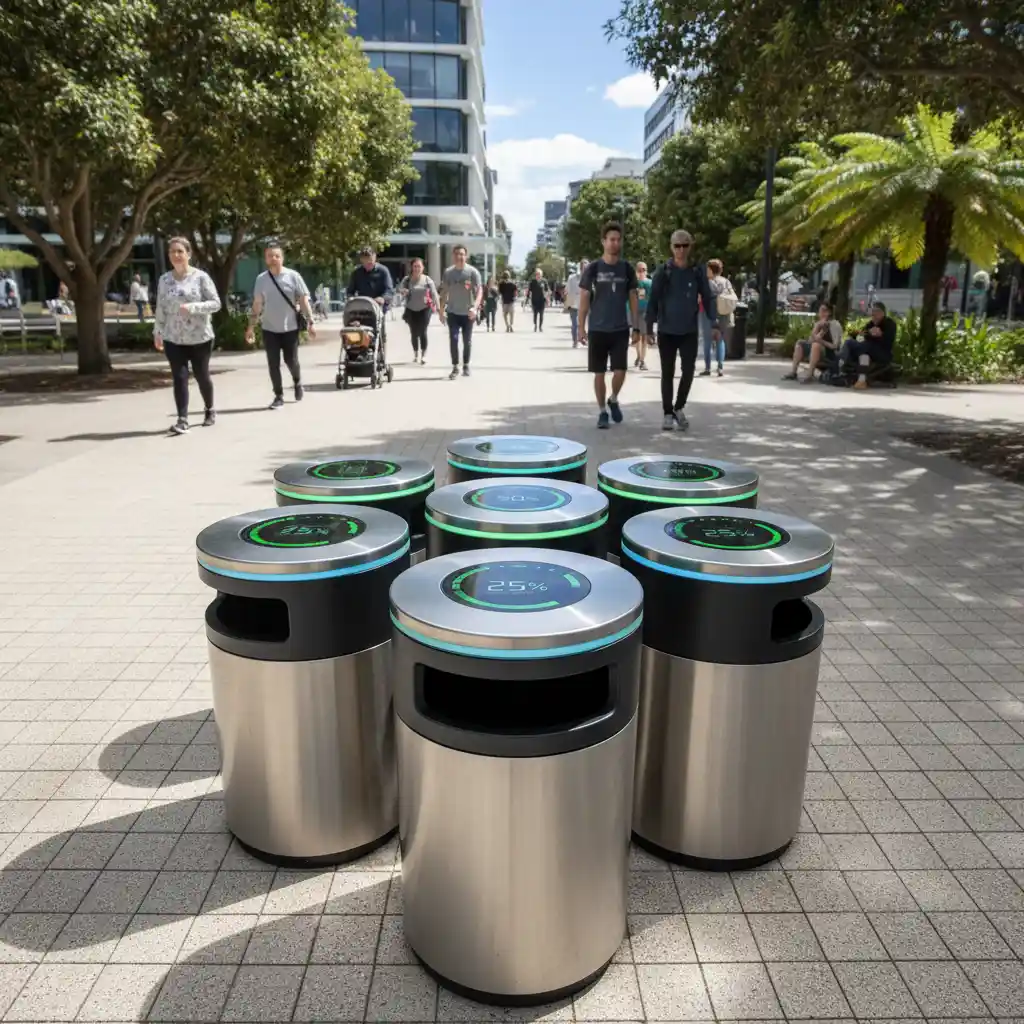
The Internet of Things (IoT) is the crucial enabler for Smart Cities. IoT refers to the vast network of physical objects embedded with sensors, software, and other technologies for the purpose of connecting and exchanging data with other devices and systems over the internet. Think of smart streetlights, waste bins that signal when they’re full, or sensors monitoring air quality – these are all IoT devices collecting real-time data that informs smart urban decisions.
“Smart Cities, powered by IoT, offer a paradigm shift: moving from reactive urban management to proactive, data-driven stewardship of our resources and communities.”
Key Pillars of Sustainability in NZ Smart Cities
New Zealand’s approach to Smart Cities is intrinsically linked to its ambitious sustainability targets. IoT applications provide the granular data needed to make informed choices across several critical urban sectors, moving beyond traditional waste management to comprehensive environmental stewardship.
Smart Energy Management
IoT sensors and smart grids are revolutionizing how New Zealand generates, distributes, and consumes energy. By monitoring energy usage in real-time, cities can identify inefficiencies, optimize power distribution, and seamlessly integrate renewable energy sources like solar and wind into the national grid. This leads to reduced carbon footprints and greater energy resilience.
Stat Callout: Studies suggest that Smart Grid technologies can reduce peak energy demand by up to 15% and energy losses by up to 10%, crucial for New Zealand’s energy independence. (Source: International Energy Agency)
Efficient Waste & Resource Management
From smart bins that detect fill levels to IoT-enabled recycling facilities, technology is transforming waste management. This data allows for optimized collection routes, significantly reducing fuel consumption and emissions. It also facilitates better sorting and processing, promoting a circular economy where resources are reused and recycled more effectively, aligning with New Zealand’s goals to minimize landfill waste.
Intelligent Transportation Systems
Traffic congestion and vehicle emissions are major urban challenges. IoT-enabled traffic lights, real-time public transport tracking, and smart parking solutions can drastically improve urban mobility. These systems reduce idling times, encourage public transport use, and support the uptake of electric vehicles by optimizing charging infrastructure, thereby contributing to cleaner air and more livable cities.
Green Infrastructure & Environment Monitoring
IoT sensors can continuously monitor critical environmental parameters like air quality, water levels, and even soil health in urban green spaces. This data helps cities manage stormwater runoff, protect native biodiversity, and respond rapidly to environmental changes or hazards. Integrating green spaces with smart technology ensures that urban development supports, rather than detracts from, natural ecological processes.
IoT’s Role in Driving Sustainable Innovation
The beauty of IoT in the context of Smart Cities lies in its ability to generate actionable insights from vast amounts of data. This intelligence empowers city planners, businesses, and citizens to make more sustainable choices. For New Zealand, this means a shift from traditional, reactive approaches to proactive, data-driven environmental management.
- Data-Driven Decision Making: Real-time data informs everything from public transport route adjustments to optimal irrigation schedules for urban parks, reducing waste and improving efficiency.
- Predictive Maintenance: IoT sensors can predict equipment failures in infrastructure (e.g., water pipes, public lighting), allowing for timely repairs that prevent larger, more wasteful issues.
- Personalised Sustainability: Consumers can leverage IoT in their homes for smart energy monitoring, water leak detection, and optimized appliance usage, directly contributing to household sustainability goals.
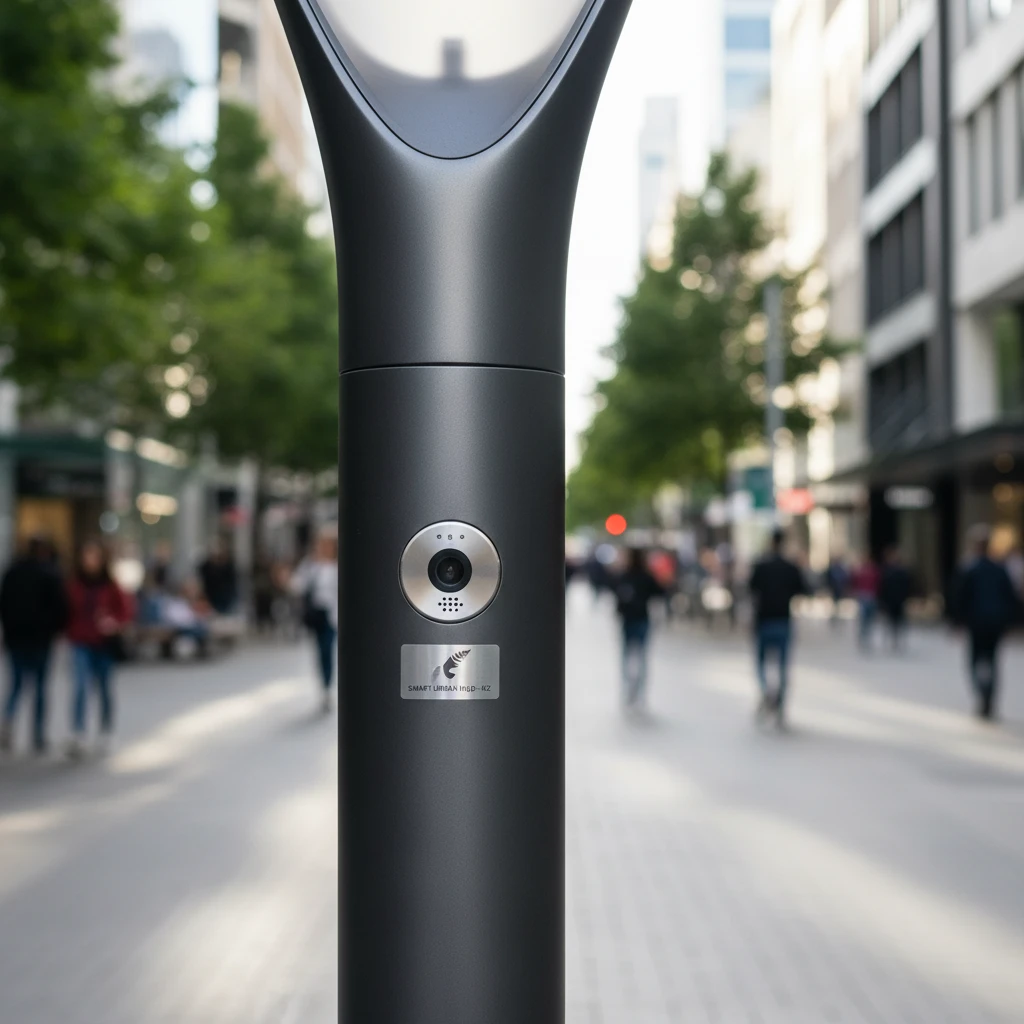
- Enhanced Public Safety: Smart street lighting and surveillance systems, while raising privacy considerations, can improve safety and security in public spaces, enhancing the overall urban experience.
New Zealand’s Journey Towards Smarter, Greener Futures
While still evolving, New Zealand cities like Auckland, Wellington, and Christchurch are actively exploring and implementing Smart City initiatives. From pilot programs in smart lighting and parking to broader discussions on digital infrastructure for public services, the momentum is building. The unique challenge and opportunity for New Zealand lie in integrating these technologies while preserving its natural beauty and community-centric values.
However, the path isn’t without its hurdles. Investing in robust digital infrastructure, ensuring data privacy and security, and fostering public engagement are critical considerations. The transition requires collaboration between government, industry, academia, and the community to ensure that Smart Cities and IoT: Driving Sustainability in New Zealand benefits everyone, leaving no one behind in the digital transformation.

Frequently Asked Questions
What exactly is a Smart City in the New Zealand context?
In New Zealand, a Smart City integrates technology and data to enhance urban services, improve residents’ quality of life, and most importantly, drive environmental sustainability. It’s about creating resilient, efficient, and equitable urban environments that align with Aotearoa’s unique cultural values and clean, green image.
How does IoT contribute to urban sustainability?
The Internet of Things (IoT) provides the critical data layer for urban sustainability. Sensors collect real-time information on energy use, waste levels, air quality, traffic flow, and more. This data enables cities to optimize resource allocation, reduce waste, manage energy efficiently, and make informed decisions that minimize environmental impact.
What are some examples of Smart City initiatives already in New Zealand?
While comprehensive Smart Cities are still developing, many New Zealand cities are implementing specific initiatives. Examples include smart street lighting projects in Auckland, IoT sensors for water quality monitoring, smart parking solutions, and the integration of digital tools for public transport information and urban planning.
What challenges does New Zealand face in adopting Smart City technologies?
Key challenges include the significant investment required for digital infrastructure, ensuring robust cybersecurity and data privacy, gaining public trust and engagement, and navigating regulatory frameworks. There’s also the need to tailor solutions to New Zealand’s specific geographic, demographic, and cultural contexts.
How can individuals contribute to making their communities smarter and more sustainable?
Individuals can contribute by adopting smart home technologies (e.g., smart thermostats), participating in community consultations for urban planning, supporting local sustainability initiatives, utilizing public transport, and advocating for data-driven environmental policies. Every conscious choice helps build a smarter, greener community.
References
- Ministry for the Environment. (2023). Environmental Reporting: Our atmosphere and climate 2023. Retrieved from mfe.govt.nz
- International Energy Agency. (2022). Smart Grids: Driving the Energy Transition. Retrieved from iea.org
- Auckland Council. (2021). Digital Auckland Strategy. Retrieved from aucklandcouncil.govt.nz
- Statistics New Zealand. (2023). Urbanisation Trends and Environmental Impact. Retrieved from stats.govt.nz