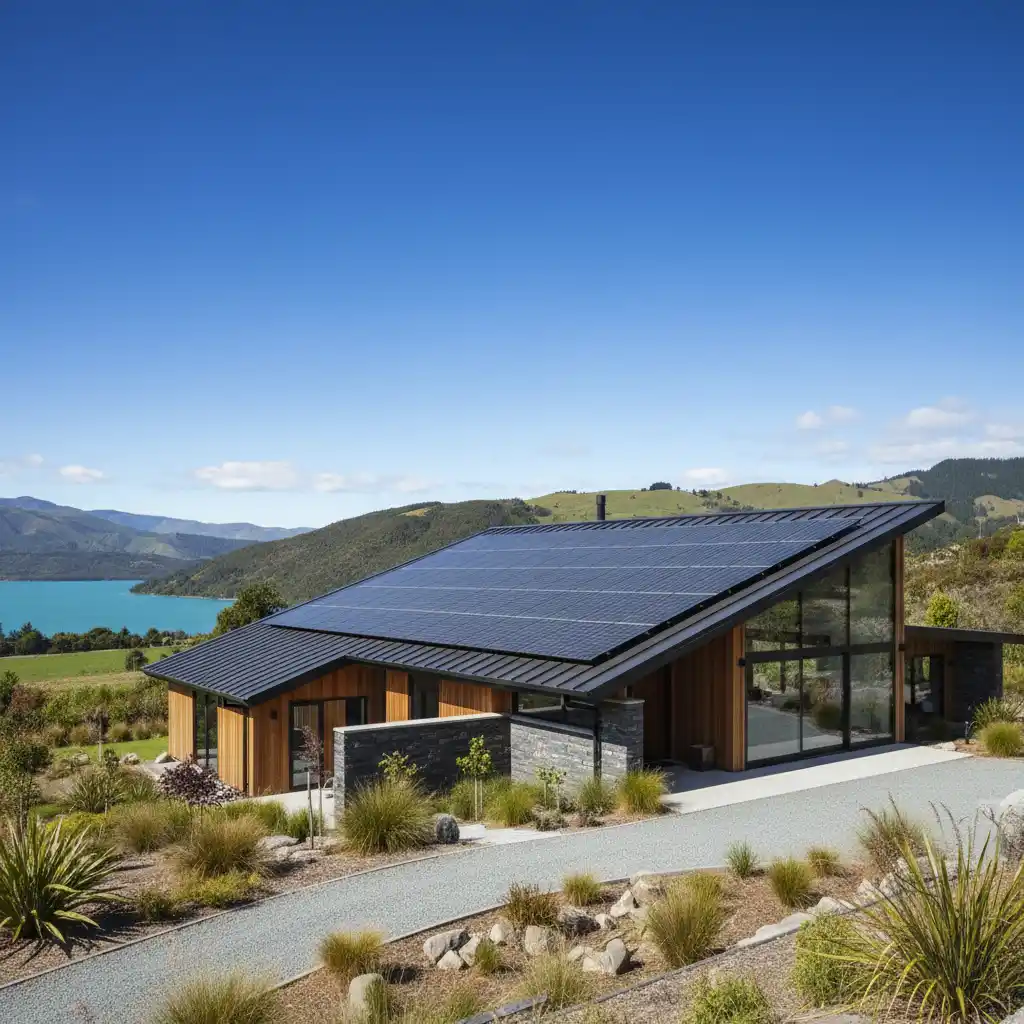
In an increasingly digital world, the craving for connection with nature has never been stronger. This deep-seated human need, often subconscious, is at the heart of Biophilic Design – a revolutionary approach that brings the essence of the natural world into our built environments. For those in New Zealand embracing a sustainable lifestyle, understanding and implementing biophilic principles, particularly through eco-friendly furniture, offers a powerful pathway to enhanced well-being.
Imagine a home where every element contributes to a sense of calm, vitality, and connection to the earth. This isn’t just about adding a pot plant; it’s about a holistic design philosophy where materials, patterns, light, and even the very air you breathe work in harmony to nurture your soul. This article explores how Biophilic Design: Eco-Friendly Furniture for Well-Being can transform your space and your life, aligning perfectly with New Zealand’s commitment to kaitiakitanga (guardianship) and sustainable living.
Table of Contents
1. What is Biophilic Design?
The term “biophilia” was popularised by E.O. Wilson, an American biologist, to describe “the urge to affiliate with other forms of life.” Biophilic design takes this innate connection and translates it into the built environment. It’s not just about adding plants, though that’s a part of it. It’s about integrating natural patterns, processes, and elements into architecture and interior design to foster human health and well-being.
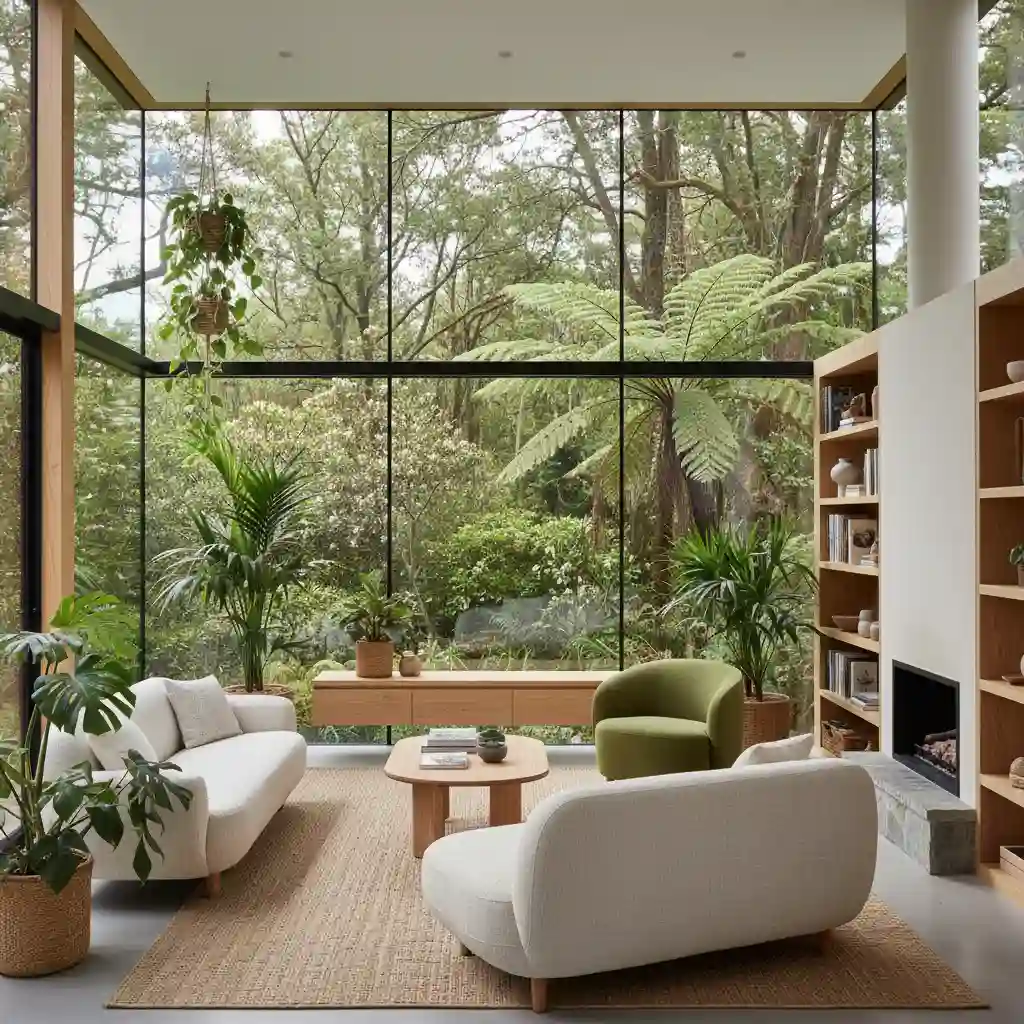
Key principles include direct connections to nature (light, air, water, plants), indirect connections (natural materials, colours, biomorphic forms), and human-nature relationships (prospect, refuge, mystery, risk/peril). When done effectively, biophilic design creates spaces that feel more alive, more nurturing, and more inspiring.
2. The Science of Well-Being: Why Nature Matters
Decades of research have consistently shown the profound impact of nature on human psychology and physiology. Exposure to natural environments reduces stress, improves cognitive function, enhances mood, and even speeds up healing. Biophilic design harnesses these benefits, bringing nature’s restorative power indoors.
Stat Callout:
Studies have shown that office workers with a view of nature take 10% less sick leave, and hospital patients with natural views experience shorter recovery times and require less pain medication. (Source 1)
“Integrating biophilic elements into our homes and workplaces isn’t a luxury; it’s a fundamental investment in our health, happiness, and productivity.”
This is where Biophilic Design: Eco-Friendly Furniture for Well-Being becomes crucial. By choosing furniture that embodies natural forms, textures, and sustainable materials, we reinforce this connection to nature, creating environments that actively support our mental and physical health.
3. Eco-Friendly Furniture: A Foundation for Biophilia
Eco-friendly furniture is more than just a trend; it’s a commitment to environmental stewardship. When combined with biophilic principles, it forms a powerful synergy. Sustainable furniture inherently connects us to natural cycles – the growth of a tree, the transformation of recycled materials – making it a perfect conduit for biophilic integration.
The choice of materials, the manufacturing process, and even the end-of-life considerations for furniture are all factors that contribute to both its eco-friendliness and its potential to enhance well-being through biophilia.
3.1. Key Characteristics of Biophilic Eco-Furniture
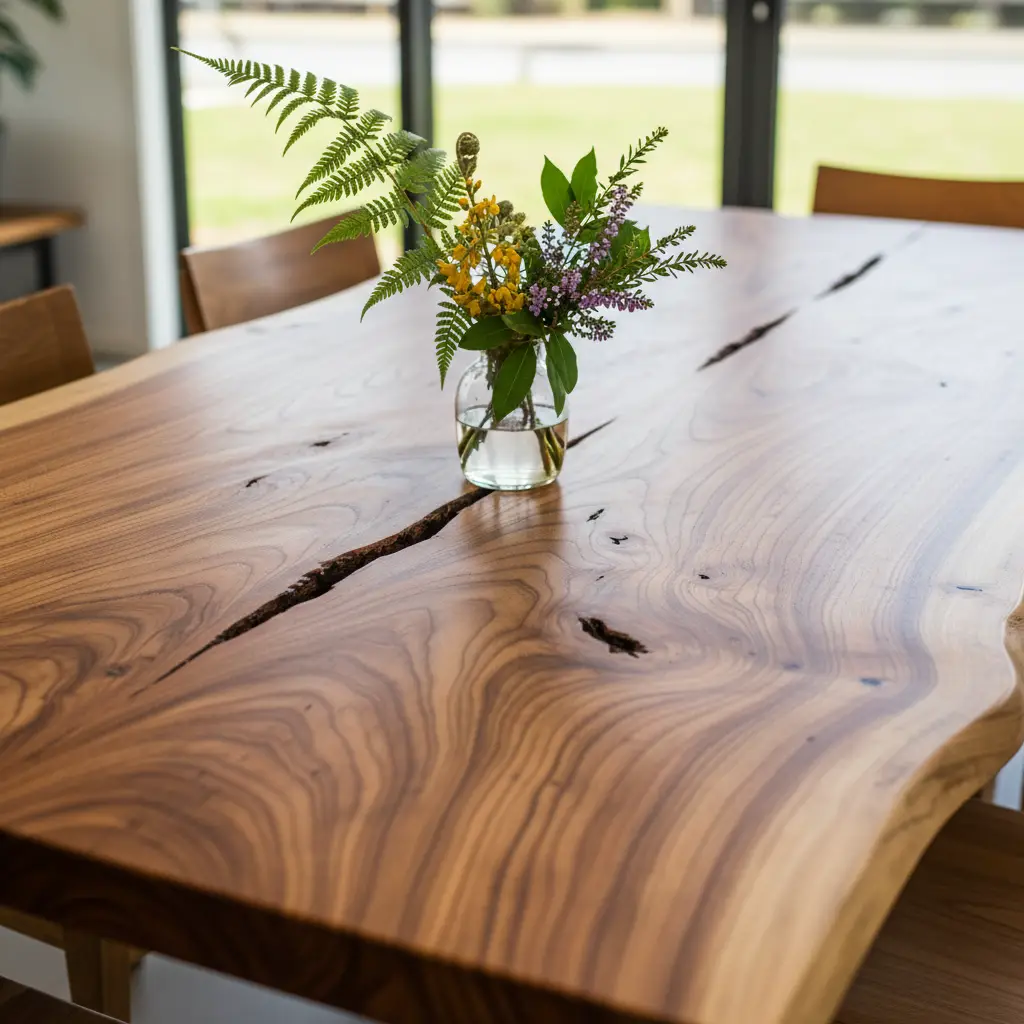
- Natural Materials: Prioritising sustainably harvested timber (FSC certified), bamboo, rattan, cork, wool, organic cotton, and linen. These materials bring authentic textures and warmth.
- Non-Toxic Finishes: Avoiding harmful VOCs (Volatile Organic Compounds) by opting for natural oils, waxes, or water-based finishes that protect air quality.
- Organic Shapes & Forms: Furniture that mimics natural contours, curves, and irregularities rather than harsh, artificial lines. Think pebble-shaped coffee tables or chairs with ergonomic, flowing backs.
- Durability & Longevity: High-quality construction means less waste and a longer life, reducing environmental impact and fostering a sense of groundedness.
- Local Sourcing & Craftsmanship: Supporting local New Zealand artisans reduces transportation emissions and connects you to a product with a story and human touch.
- Transparency: Brands that are open about their supply chains and sustainability practices.
4. Bringing Biophilic Eco-Furniture into Your New Zealand Home
For New Zealanders, integrating Biophilic Design: Eco-Friendly Furniture for Well-Being means embracing our unique natural heritage. It’s about drawing inspiration from the native bush, the coastline, and the country’s commitment to sustainability.
4.1. Choosing the Right Materials
- New Zealand Timbers: Look for furniture crafted from sustainably managed native timbers (if available and certified) or locally grown exotics like pine or macrocarpa, known for their unique grain and character.
- Wool & Natural Fibres: Embrace the comfort and breathability of New Zealand wool for rugs, upholstery, and throws. Linen and organic cotton are also excellent choices for textiles.
- Stone & Ceramic: Incorporate local stone or artisan-made ceramics for tabletops, decorative elements, or floor tiles, grounding your space with geological connections.
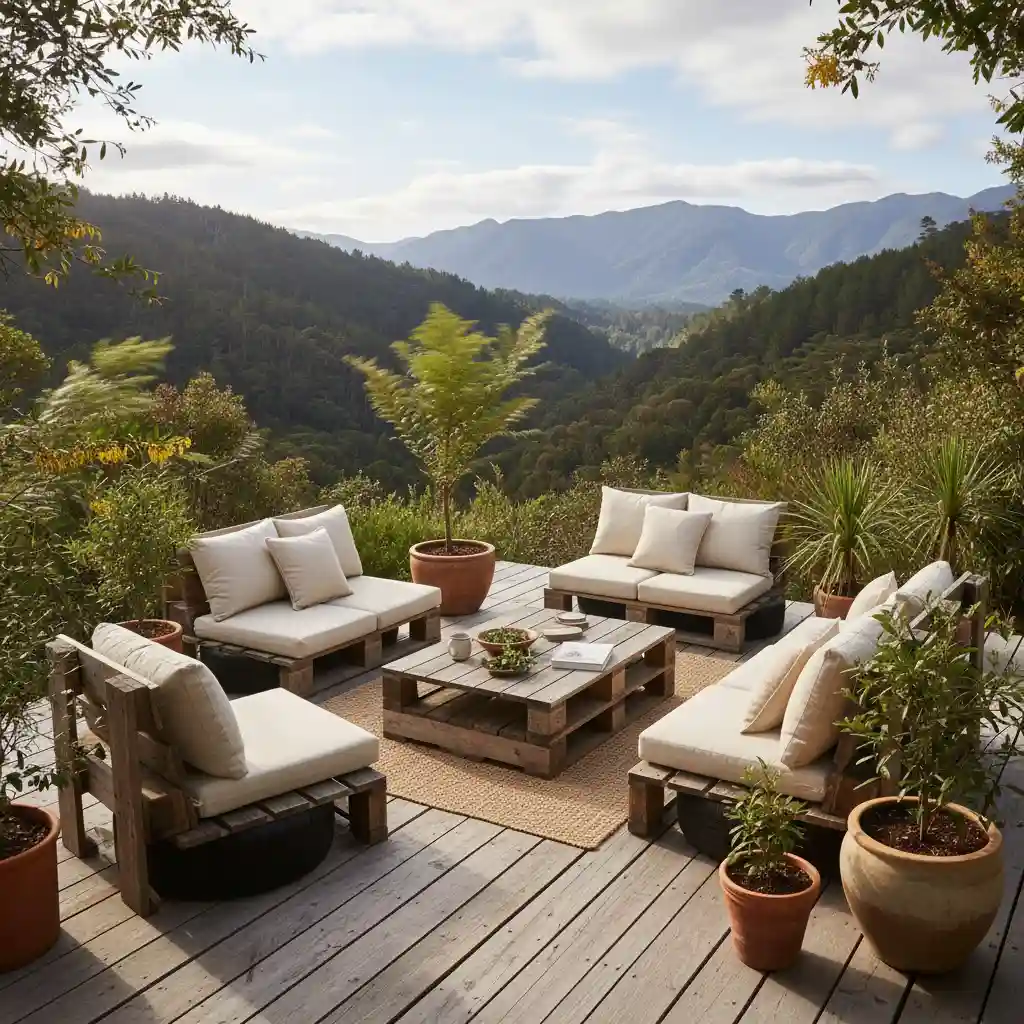
- Recycled & Upcycled: Consider pieces made from reclaimed wood, recycled plastic (where appropriate for aesthetics and durability), or upcycled vintage finds that tell a story.
4.2. Styling for Serenity
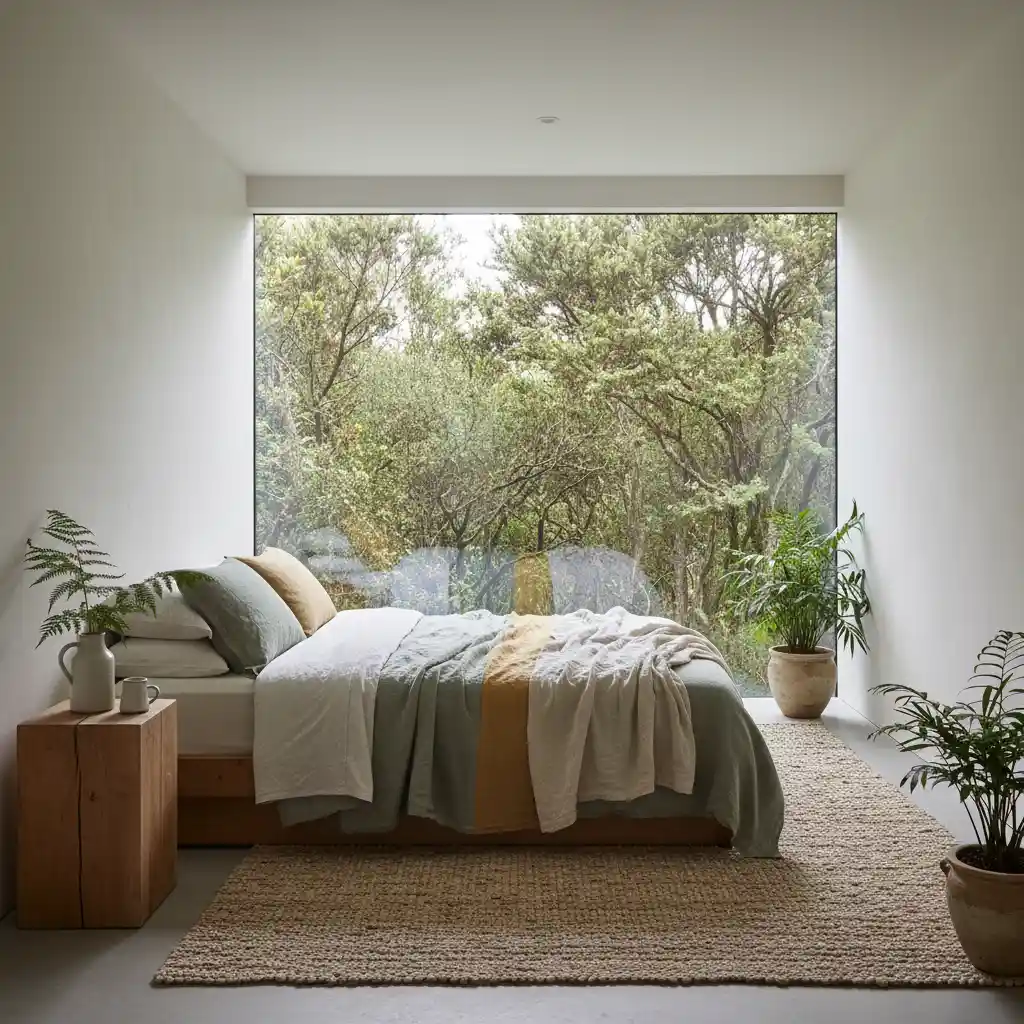
- Layer Textures: Combine smooth timber with rough wool, soft linen, and cool stone to create a rich tactile experience that mimics nature’s diversity.
- Embrace Organic Forms: Opt for furniture with soft edges, curved lines, and irregular shapes. A live-edge dining table or a pebble-shaped pouffe can make a significant difference.
- Natural Colour Palette: Draw inspiration from the New Zealand landscape – earthy greens, blues, greys, and sand tones. Avoid harsh, artificial colours.
- Integrate Living Plants: Beyond furniture, bring in native plants or easy-care indoor greenery to purify air and add vibrant life. Consider vertical gardens for small spaces.
- Maximise Natural Light: Arrange furniture to allow ample sunlight, which is vital for mood and well-being. Use sheer curtains to soften light without blocking it.
5. Beyond Furniture: A Holistic Biophilic Lifestyle
While eco-friendly furniture is a powerful component, biophilic design is truly a holistic approach. It extends to the sounds we hear, the scents we encounter, and the views we cherish. For New Zealanders, this means connecting with local ecosystems, supporting sustainable businesses, and integrating nature into every aspect of life.
Consider designing a view corridor to your garden, installing a small water feature for soothing sounds, or using essential oils that evoke native flora. Every choice, from your furniture to your daily habits, can contribute to a home that is a true sanctuary – a place where well-being flourishes naturally.
Conclusion
Embracing Biophilic Design: Eco-Friendly Furniture for Well-Being is a profound step towards creating homes that nourish us, physically and mentally. It’s a testament to the idea that our living spaces should not just house us, but inspire us, connect us, and heal us. For New Zealand, with its incredible natural beauty and strong ethical compass, this design philosophy offers a perfect synergy – allowing us to build a sustainable, harmonious future, one beautifully designed, eco-friendly piece of furniture at a time.
Frequently Asked Questions (FAQs)
What exactly is biophilic design?
Biophilic design is an innovative approach to architecture and interior design that seeks to connect building occupants more closely to nature. It uses natural materials, light, space, and other elements to create environments that improve well-being, health, and productivity.
How does biophilic design improve well-being?
By integrating natural elements and patterns, biophilic design can reduce stress, enhance mood, improve cognitive performance, and even accelerate healing. It taps into our innate human need to connect with nature, fostering a sense of calm and vitality.
What makes furniture “eco-friendly” in a biophilic context?
Eco-friendly biophilic furniture uses sustainably sourced, non-toxic, and durable natural materials like FSC-certified timber, bamboo, organic cotton, or recycled components. It often features organic shapes and natural finishes that are gentle on both the environment and human health.
Can biophilic design work in small spaces or apartments?
Absolutely! Even in small spaces, you can incorporate biophilic elements. This can include strategic placement of indoor plants, maximising natural light, using natural material textiles, choosing furniture with organic forms, and incorporating natural colours and patterns. Vertical gardens or small water features can also be effective.
Where can I find biophilic eco-friendly furniture in New Zealand?
Look for local New Zealand furniture makers who prioritise sustainable practices and natural materials. Many artisan workshops and ethical homeware stores are emerging, offering handcrafted pieces made from responsibly sourced timbers, wool, and other eco-conscious components. Online directories for sustainable businesses in NZ can also be a great resource.
References & Sources
- Ulrich, R. S. (1984). View through a window may influence recovery from surgery. Science, 224(4647), 420-421. (Example of research on nature views and health outcomes).
- Wilson, E. O. (1984). Biophilia. Harvard University Press.
- Terrapin Bright Green. (2014). 14 Patterns of Biophilic Design: Improving Health & Well-Being in the Built Environment. (A prominent framework for biophilic design).
- Forest Stewardship Council (FSC) New Zealand. FSC Certified Forests and Products. (For sustainable timber information).
- New Zealand Green Building Council. Green Star Certification. (Provides local context for sustainable building and materials).